How Exercise Builds a Stronger, Healthier Body From the Inside Out
When most people think about the benefits of exercise, they picture stronger muscles or more stamina. But the real magic happens deep inside your body, long before you notice the changes in the mirror. Every time you move, you send signals that help your heart, lungs, and cells work more efficiently. This is one reason the health benefits of exercise begin sooner than many expect.
Your heart responds first. With regular movement, it pumps blood with less effort, which is why people often feel less winded within weeks. This gentle improvement in exercise for heart health builds a foundation that protects you for life. Even light activity like walking can improve circulation and reduce strain on your arteries. If you want to build structured endurance and stamina, check out our how to train for a 15km run guide for a clear, step-by-step plan.
Your muscles also adapt surprisingly quickly. Each step, lift, or stretch teaches your body how to handle more load with less effort. Over time, your balance improves, your posture feels steadier, and everyday tasks like carrying groceries or climbing stairs become easier. This gradual change supports an active lifestyle without adding stress.
There’s also a quieter shift happening inside your bones. Many people don’t realise exercise stimulates bone-building cells. That means you’re not just maintaining strength, you’re increasing it. This matters more as you age, when bone loss speeds up. Choosing movements that involve pushing, pulling, or supporting your body weight helps your bones stay dense and protective.
Even your metabolism responds to consistent movement. Your body becomes better at using energy, stabilising blood sugar, and reducing inflammation. These changes lower your long-term risk for chronic conditions and make daily life feel smoother.
As you move consistently, you begin forming exercise habits that support everything else you want to feel. Stronger, lighter, and more capable. Your body becomes a system that works with you instead of against you, and that’s one of the most overlooked advantages of regular exercise.
If you’re looking for a clear, structured way to build strength, boost energy, and enjoy the full range of physical activity benefits, explore our Cycling Training Plans . These plans balance endurance, strength, technique, and recovery so you can stay consistent and see real results.
With expert-designed sessions and easy-to-follow guidance, you’ll know exactly how to move, when to recover, and how to build habits that support your health, energy, and overall well-being step by step. It’s a simple way to keep your body feeling strong and resilient while enjoying the many advantages of regular exercise.
Explore the Training Plans
Why Exercise Has Such a Powerful Impact on Your Mind and Mood
Most people start moving to feel stronger, but many stay active because of how it changes their mind. The mental health benefits of exercise often show up even before the physical ones. You might notice clearer thoughts, steadier emotions, or a calmer feeling in your day, even if your workouts are short.
When you exercise, your brain produces more endorphins. These are natural chemicals that reduce stress and lift your mood. They act like a built-in support system that helps you handle daily challenges with less tension. This is why many people turn to exercise for stress relief when life feels overwhelming. Your brain becomes better at balancing emotion and staying grounded.
Movement also boosts blood flow to your brain. This helps improve focus, memory, and problem-solving. If you’ve ever felt mentally foggy, you might be surprised how quickly a short walk clears your mind. Over time, these small improvements build stronger neural pathways, which is one reason experts often highlight the value of exercise for brain health.
Another important shift happens with confidence. When you follow simple routines and stay consistent, you start proving to yourself that you can take action even on tough days. This builds a sense of control and self-trust that carries into other parts of your life (work, relationships, and personal goals). These emotional changes make an active lifestyle feel more natural, not forced.
Exercise also improves sleep quality. Better sleep means better mood, which creates a positive loop: you move more, sleep deeper, and feel more capable the next day. This is one of the benefits of exercise people don’t appreciate until they feel it themselves.


How Does Exercise Help You Stay Healthier as You Age?
One of the most powerful benefits of exercise is how it protects you as you get older. You might notice small changes first, like finding it easier to get out of a chair or carry shopping bags. Over time, these small wins add up to a body that stays more independent and capable for longer.
Regular movement supports your joints. When you move, fluid inside the joints spreads more evenly, which helps reduce stiffness. Stronger muscles also protect your knees, hips, and spine by taking some of the load off them. This is one of the quiet physical activity benefits that people often don’t notice until they stop moving and everything feels harder.
Exercise also plays a big role in long-term heart and lung health. As you keep an active lifestyle, your heart becomes stronger and your lungs work more efficiently. This means you can walk further, climb more stairs, and handle busy days without feeling as drained. These are real, everyday health benefits of exercise, not just numbers on a test.
Another key area is metabolic health. Regular movement helps control blood sugar, blood pressure, and cholesterol. These factors are closely linked to conditions like diabetes and heart disease. When you stay active, you give your body a better chance to manage these risks. This is a major reason why exercise is important at every age, not only when you are young.
Balance and coordination also improve with consistent training. Simple exercises like walking on uneven ground, light strength work, or basic mobility drills teach your body how to react quickly. This lowers your risk of falls, which can cause serious injuries later in life.
In short, the long-term advantages of regular exercise are about more than fitness. They’re about protecting your future self. Each walk, stretch, or workout is like a small deposit into a “health savings account” that you’ll be very glad you built up later.


How Exercise Makes Everyday Life Easier and More Enjoyable
One of the most underrated benefits of exercise is how it improves the simple parts of your day. You might start because you want to feel healthier, but the real reward often shows up in small, surprising moments. You notice that carrying bags feels lighter, walking uphill takes less effort, or playing with your kids doesn’t leave you winded. These are signs that your strength, stamina, and mobility are working in your favor.
Exercise also helps you manage mental load. When your body feels capable, your brain has fewer things to stress about. Tasks that once felt draining become manageable. You feel more grounded in busy environments, more patient in stressful moments, and more confident in situations where you used to feel unsure. If you’re wondering how to mix your movement routine (whether brisk walking, hill walking or running) take a look at our incline walking vs running guide for insights on effective, enjoyable choices. This is one reason consistency builds an active lifestyle that supports your day instead of interrupting it.
A client I coached, Sam, once told me something that stuck with me. He said, “It’s not that life got easier, it’s that I got stronger.” When he began training, he found work exhausting and his evenings felt like a blur. But after a few months of simple routines, he noticed he had more focus in meetings, more energy after work, and more patience with his kids. The change didn’t come from harder workouts. It came from steady effort that improved how he moved and thought throughout the day.
Better energy levels are another quiet shift. Exercise improves the way your cells produce and use energy. This means you don’t crash as often, and you recover from stress faster. Over time, you feel more awake in the morning and more stable in the afternoon. Many people don’t realise these are real health benefits of exercise, not just “feeling good.”
Daily productivity also improves. Simple movement increases blood flow to your brain, helping you think more clearly and stay focused. This creates a positive cycle: you move more, you feel better, and you get more done with less effort. If you’ve ever wished your day felt smoother or lighter, forming steady exercise habits might be the most reliable way to get there.
If you’re ready to move beyond general goals and instead build real strength, energy, and resilience, take a look at our Running Coaching program . This plan blends smart training, injury‑prevention, and consistent progression so you can experience the full range of physical activity benefits without overwhelm.
With tailored workouts, one‑on‑one support, and science‑backed structure, you’ll know exactly how to train smarter—not just harder—and build routines that deliver the deeper advantages of regular exercise in your daily life.
Explore Running Coaching

The Deep Internal Health Benefits You Don’t See but Always Feel
Some of the most important benefits of exercise are the ones happening quietly inside your body. You can’t see them in the mirror, but you feel them in the way you breathe, recover, and move through your day. These deeper changes often matter more than any visible progress, because they support your long-term health and how well your body functions behind the scenes.
Exercise has a powerful impact on metabolic health. When you move regularly, your body becomes better at using energy. Your muscles pull glucose from the bloodstream more efficiently, which helps stabilise blood sugar. This is one reason the health benefits of exercise are so strongly linked to reduced risk of diabetes and other metabolic conditions. Even simple activities like walking after meals can have a noticeable effect on blood sugar levels.
Your immune system also gets a measurable boost. Moderate activity increases the movement of immune cells through your bloodstream, making them quicker to respond to threats. This doesn’t mean you never get sick, but it can mean your body recovers faster and handles everyday stress more smoothly. If you’re exploring alternatives to the usual run and want to compare how different disciplines support your body, check out our rowing vs running guide for insights on which workout delivers what. These improvements make an active lifestyle feel more sustainable and resilient.
Another major shift happens inside your cardiovascular system. Exercise strengthens the heart muscle and widens the blood vessels, helping blood flow with less resistance. Over time, this reduces blood pressure and supports healthier cholesterol levels. These changes build a strong foundation for exercise for heart health, one of the most widely researched areas in fitness science.
Even inflammation responds positively to consistent movement. Studies show that regular activity lowers chronic inflammation markers in your body. This supports better digestion, clearer thinking, and steadier energy throughout the day. When these internal systems work together, the overall advantages of regular exercise touch every part of your life, even if you can’t see the changes happening.


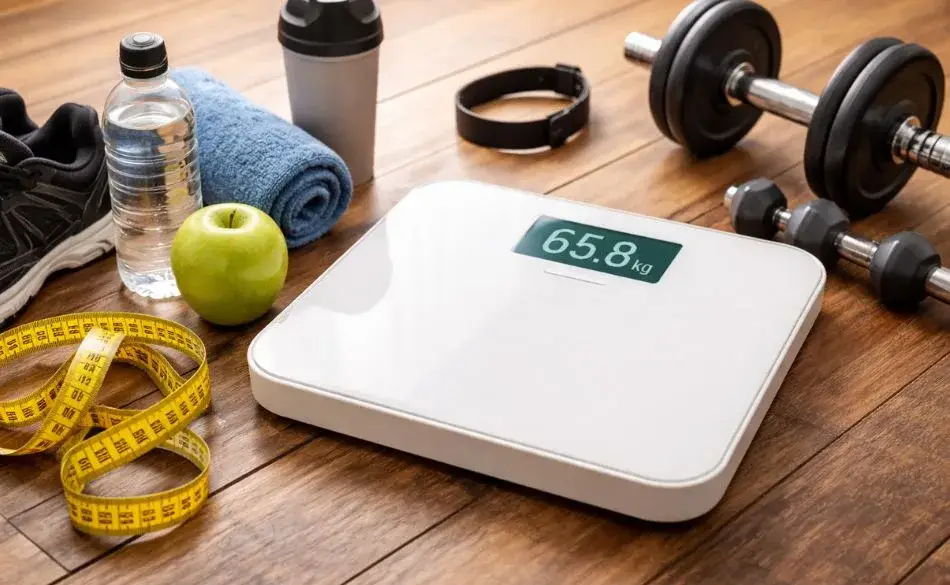
How Can Exercise Help With Weight Without Extreme Diets?
A lot of people think they must suffer through strict diets to manage their weight. In reality, one of the biggest benefits of exercise is how it supports weight control in a steady, realistic way. You don’t need perfect meals. You just need movement that you can repeat most days of the week.
When you move more, your body burns more energy. That part is simple. But the picture is much bigger than calories alone. Exercise helps protect muscle, improves how your body uses fuel, and can even help with cravings and emotional eating. These quieter changes make an active lifestyle much easier to maintain.
Here’s how exercise for weight loss really helps behind the scenes:
- It burns extra energy during and after the workout, especially with brisk walking, cycling, or strength training.
- It helps you keep or build muscle, which keeps your metabolism higher even at rest.
- It improves insulin sensitivity, so your body handles carbs better and stores less fat over time.
- It reduces stress, which can lower emotional snacking and late-night overeating.
- It helps regulate appetite hormones, so your hunger and fullness signals become more reliable.
One important thing to remember is that the health benefits of exercise show up even if the scale moves slowly. Your clothes may fit better, your waist may shrink, and your energy may rise long before you see a big number change. That progress still counts.
If you’re just starting, you don’t need intense workouts. Gentle but regular movement gives you real physical activity benefits without leaving you exhausted. Think of exercise as a partner to your nutrition, not a punishment for what you eat. When you treat it this way, exercise habits become easier to build and keep for life.


What’s the Best Time of Day to Exercise for the Most Benefits?
Many people wonder if the time of day you exercise affects the benefits of exercise, and the truth is that both morning and night workouts offer unique advantages. What matters most is choosing the time that fits your lifestyle, because consistency is what turns movement into long-lasting exercise habits.
Morning activity often sets the tone for your entire day. You feel more alert, your mood lifts, and your body settles into a steady rhythm. Some people notice better focus at work and fewer cravings later in the day. These changes support an active lifestyle while making it easier to stay on track with your goals.
Night workouts, on the other hand, can feel freeing after a long day. They help release stress, loosen tense muscles, and give your mind a break. Many people find evening sessions help them stay consistent because they’re fully awake and fuelled. This can lead to equal or even greater performance, especially in strength or endurance training.
The most important thing to remember is that both morning and evening exercise deliver real health benefits of exercise. You don’t need to force yourself into a schedule that feels unnatural. Instead, match your workouts to the time when you feel the most motivated, focused, and ready to move. When you choose the timing that works with your lifestyle, not against it, exercise becomes easier to maintain.
Below is a helpful breakdown comparing morning and night training to help you pick the best fit for your needs.
👉 Swipe to view full table
| Category | Morning Running | Night Running |
|---|---|---|
| Energy & Performance | Energy may feel lower at first due to lower body temperature and oxygen uptake, but consistent training adapts your body to early effort. | Body temperature and alertness are higher, often resulting in better speed, endurance, and reduced perceived effort. |
| Fat-Burning Potential | Running before breakfast may increase fat oxidation slightly, especially in endurance sessions. | With meals throughout the day, you’re better fueled for higher-intensity runs but rely more on glycogen than fat. |
| Consistency | Easier to maintain routine since fewer distractions occur early in the day. | May face more schedule conflicts or fatigue after work but can be consistent with planning. |
| Injury & Warm-Up Needs | Requires longer warm-up since muscles and joints are cooler; slightly higher stiffness risk early on. | Muscles are more pliable and responsive, lowering strain risk during faster runs. |
| Sleep Impact | Morning runs improve sleep quality by syncing the circadian rhythm and promoting melatonin balance. | Late intense runs may delay sleep onset; light evening jogs are less likely to affect rest. |
| Best For | Early risers, busy professionals, those building discipline or habit strength. | Night owls, performance-focused runners, or those seeking stress relief after work. |


What Are the Everyday Mental Boosts You Can Expect From Exercise?
One thing people often overlook is how quickly exercise sharpens your mind. You don’t need months of training to feel the difference. Sometimes it takes only a few sessions before you notice clearer thinking, steadier emotions, or more control over your reactions. These changes are part of the wider benefits of exercise, and they’re backed by strong research.
When you move your body, your brain becomes more active too. Exercise increases blood flow, bringing more oxygen and nutrients to areas responsible for focus and memory. This is why a short walk can help you break out of a mental slump. Over time, these day-to-day boosts add up, creating stronger neural pathways that support long-term exercise habits.
You may also notice emotional benefits. Many people report feeling calmer after movement, even if the workout was gentle. That’s because exercise reduces stress hormones and increases mood-lifting chemicals. This creates a more stable mindset that carries into work, relationships, and everyday challenges. These effects become a core part of an active lifestyle, helping you feel more capable and balanced.
Here are some of the mental and emotional improvements people commonly feel:
- Clearer focus during tasks that once felt overwhelming.
- A more positive mood throughout the day, even during stressful moments.
- Reduced tension and worry, thanks to lowered stress hormones.
- Better patience and emotional control when problems appear.
- An easier time switching between tasks without feeling mentally stuck.
These changes may seem small, but they create a powerful ripple effect. When your mind feels lighter, everything else becomes easier. You communicate better. You make decisions faster. You feel more confident in situations where you once hesitated. These daily improvements are among the most valuable health benefits of exercise, because they touch every part of your life.
What’s most encouraging is that you don’t need long or intense workouts to feel these effects. Even short bursts of movement can deliver meaningful mental benefits that help you feel more grounded, focused, and ready for whatever the day brings.
If you’re looking to build real strength, boost your energy, and enjoy the full spectrum of health benefits of exercise, visit our Getting Started guide . It’s a clear, structured way to begin an active lifestyle with coaching designed to match your goals and pace.
With expert‑designed training, support tailored to your schedule, and habits that stick, you’ll discover how consistent movement turns into real‑life wins—from stronger muscles to better focus and more resilience. The deepest advantages of regular exercise come from making the first move.
Get Started Today

How Does Exercise Improve Your Sleep and Daily Recovery?
If you’ve ever gone to bed tired but still felt wired, you’re not alone. One of the most underrated benefits of exercise is how it improves your sleep and recovery. When you move regularly, your body starts to follow a more natural rhythm. You fall asleep faster, sleep deeper, and wake up feeling more refreshed. This is a big part of the health benefits of exercise, even if people don’t always connect the two.
Exercise helps your body use energy during the day so you feel pleasantly tired at night, not drained and restless. Your core temperature rises when you work out and then drops afterward. This drop sends a powerful signal to your brain that it’s time to rest. Over time, this pattern supports exercise for better sleep and more stable energy across the whole day.
Regular movement also reduces stress and anxiety, two of the biggest sleep killers. When you use exercise for stress relief, your body releases built-up tension, and your mind gets a break from constant worry. That calmer state makes it easier to drift off instead of lying awake replaying the day. If you want a structured way to incorporate daily movement and build consistent sleep-supporting habits, check out our Running Training Plans for guidance tailored to your level.
Here are some of the ways exercise supports better sleep and recovery:
- You fall asleep faster because your body and mind feel more settled.
- You spend more time in deep sleep, where physical recovery and repair happen.
- Your mood is more stable, so you don’t lie awake with racing thoughts.
- Your circadian rhythm (body clock) becomes more regular, especially with consistent workout times.
- You wake up feeling more restored, which makes it easier to maintain an active lifestyle the next day.
There is one small caution. Very intense workouts too close to bedtime can make it harder to fall asleep for some people. That’s why many experts suggest finishing hard sessions earlier in the evening. When you find the right timing and routine, the advantages of regular exercise will show up every morning when you open your eyes feeling genuinely rested.


How Can You Make Exercise Work in Your Real Life?
Here’s the thing about the benefits of exercise: they only show up if your routine fits your actual life. It doesn’t matter how perfect a plan looks on paper if you can’t follow it. This is one big reason why exercise is important to see as a long-term habit, not a short-term project.
Right now, trends in fitness are shifting toward shorter, more flexible sessions. Many people use “exercise snacks” tiny bursts of movement spread through the day. A five-minute walk between meetings, a quick set of squats while the kettle boils, or a short mobility break at your desk all count. These small choices still deliver real physical activity benefits, especially if you repeat them often.
Technology can help too. Wearables, phone reminders, and step counters give gentle nudges to move more. You don’t have to chase big numbers. Instead, use these tools to support an active lifestyle that feels achievable. Even simple goals, like standing up every hour or walking during phone calls, add up over weeks and months.
It also helps to match your plan to your situation. If you’re a busy parent, home workouts and walks with the kids may work best. If you sit all day at work, short walking breaks and light strength exercises can protect your posture and joints. For added strength at home, you might try our ankle weight exercises, which are simple, effective, and improve stability. Older adults may focus more on balance, light strength, and gentle cardio. In every case, the advantages of regular exercise come from consistency, not perfection.
Think of exercise habits as agreements you make with yourself. Start with promises you can keep even on tough days. That might mean ten minutes of movement, not an hour. As your confidence grows, you can add more. Over time, these realistic choices unlock the deeper health benefits of exercise without burning you out or taking over your life.


Conclusion: Start Experiencing the Benefits of Exercise Today
The benefits of exercise go far beyond just physical changes. They improve your mood, focus, sleep, and overall energy. Even small amounts of movement, like short walks, light strength exercises, or stretching breaks, add up over time and create real physical activity benefits.
Consistency is the key. You don’t need perfect workouts, just habits you can stick to. Sam, one of my coaching clients, started with a few minutes a day and gradually built routines that improved his body, mind, and daily life. You can do the same.
Ask yourself: what small movement can you commit to today? Each step, stretch, or walk is an investment in your health and energy. Over weeks and months, the deeper advantages of regular exercise become clear, and an active lifestyle starts to feel natural, rewarding, and life-changing.