Why Brick Workouts Matter More Than Most Triathletes Realise
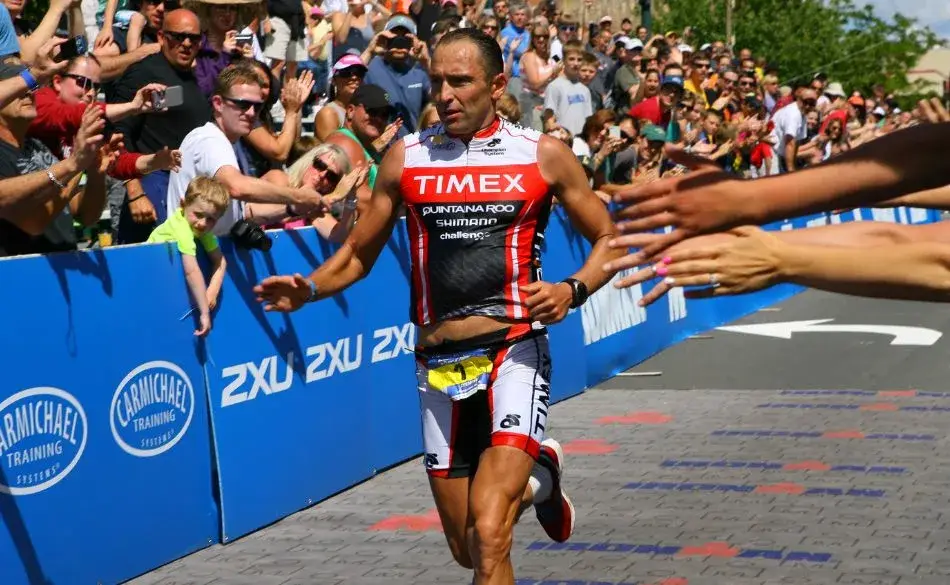
Most triathletes know brick sessions are important, but few understand just how big the impact can be on race day. When you move from the bike to the run, your body goes through a rapid shift in muscles, breathing, and balance. If you have ever felt that strange wobble when you try to find your rhythm, that is your nervous system trying to catch up. Research in this open access study on triathlon run transition biomechanics shows how much this shift affects your stride and stability during the first minutes of the run.
Brick sessions teach your body to switch faster. They also build confidence so you do not panic when your legs feel odd in the first few minutes. This is why the best brick workouts for triathletes often feel uncomfortable at first. They push your body into that awkward moment where speed normally drops, and then they help you move past it.
One thing people forget is that the heart rate jump from cycling to running is sharper than it feels. When you run off a hard bike, your heart rate rises fast, and if you are not used to that feeling, you may start too fast. With consistent triathlon brick training sessions, your pacing becomes smoother because your body learns what “steady” feels like in that moment of stress.
You also strengthen the stabilising muscles that guide your stride. When you practice the bike to run brick workout often enough, your hips stay more stable, your steps feel lighter, and your breathing settles faster. This is why pros spend so much time on transition training. They know seconds do not come from speed alone. They come from smoother movement.
If you are new to this type of training, the good news is that improvement shows up quickly. Even simple sessions help you build the ability to run well when your legs feel tired. This is one of the biggest reasons beginner athletes feel such big progress early in the season. A few weeks of well-structured bricks can change how you feel in every race.
If you want to improve your brick workouts, sharpen your transitions, and feel stronger running off the bike, our Triathlon Coaching Program provides personalised guidance to help you progress with confidence.
Get a customised training plan built around your goals, weekly schedule, and experience. Learn how to structure bricks, balance intensity, and avoid common training mistakes so each session moves you closer to your best race day performance.
Start Your Coaching Journey

What Is a Brick Workout and How Does It Actually Work
A brick workout is any session where you stack two triathlon sports back to back with almost no rest. Most often that means biking and then running. Some athletes also do swim to bike, but the bike to run brick workout is the most common because it feels the hardest on race day.
Think of it like teaching your body a new language. Cycling and running use many of the same muscles, but in a different way. When you put them together in one session, your brain and muscles learn to switch roles faster. That is why the best brick workouts for triathletes are simple, but very specific in how they are put together.
A good way to see how to structure a brick workout is to break it into clear blocks:
- Warm up gently in the first sport so your body feels smooth and relaxed.
- Do the main effort where you practice the pace you want in your race.
- Transition quickly, changing shoes and gear without rushing or panicking.
- Run at a steady pace that feels strong but controlled, not like a sprint.
This kind of triathlon transition training builds mental calm as well as fitness. You learn to handle that strange heavy leg feeling without slowing down or losing focus.
If you are new to this type of session, start with short beginner brick workouts for triathlon. That might be an easy ride followed by ten to fifteen minutes of light running. As you gain confidence, you can move to more advanced brick workouts for triathletes that copy your race distance and pace. Over time, these sessions become a key part of your triathlon training plan structure, helping you feel ready, not shocked, when you run off the bike in your next event.


How Often Should You Do Brick Workouts in a Typical Week
One of the biggest questions triathletes ask is how many brick sessions they should do. Too few, and you never fully adapt. Too many, and you end up tired all the time and risk injury. The sweet spot depends on your race distance, your experience, and how much training you already do.
As a simple guide, most age group athletes do well with one focused brick per week. In key phases of the season, some add a second, but only for a few weeks at a time. You do not need to stack every day with bricks to improve your triathlon run off the bike. In fact, that would be a fast way to burn out.
Here is a simple way to think about weekly frequency:
- If you are training for a sprint triathlon, aim for one short brick most weeks.
- If you are training for an Olympic distance, one main brick plus the occasional “mini brick” after an easy ride can work well.
- If you are racing half or full Ironman, use one long race-paced brick in your key build weeks, and a few short transition runs after steady rides.
It helps to plug these sessions into your wider triathlon training plan structure. That means you place bricks on days when you can recover well afterward. You might choose a weekend morning for your biggest brick, when you have time to eat, stretch, and rest later in the day.
You can also match the focus of your bricks to your race goals. If you struggle in the final kilometres of the run, choose sessions that teach you to hold form when you are tired. If your issue is panic in transition, keep the brick short but practice moving calmly and quickly from bike to run. Over time, each brick becomes a small rehearsal for the race you want to nail.
If you want a deeper look at how training changes as you move toward longer events, you can explore this Olympic triathlon distance guide which explains how pacing, structure, and brick sessions fit together as you progress.
If you want to understand how many total hours a triathlete should train each week, this guide to weekly triathlon training volume explains how to balance intensity, bricks, and recovery.
If you want a clear plan that shows you how to structure your long rides, brick sessions, and run off the bike workouts, explore the IRONMAN Training Plans from SportCoaching. Each program is designed to help you balance endurance training with targeted brick work so you feel stronger in every transition.
These plans guide you through weekly progressions that build stamina, improve pacing control, and reduce fatigue during the bike to run shift, an essential skill for long course racing. Perfect if you want structured training that fits around real life demands while keeping your body fresh and consistent.
Explore Training Plans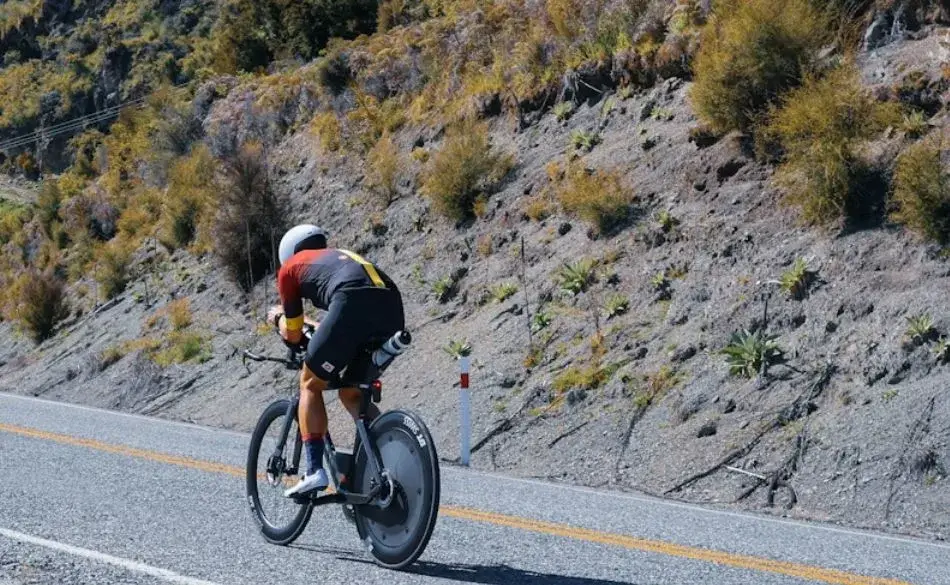

Which Brick Workout Is Best for Your Level
One mistake many triathletes make is copying someone else’s session without thinking about their own level. The best brick workouts for triathletes are not the same for everyone. A beginner does not need the same stress load as someone training for long course races. So it helps to match your sessions to your fitness and race goals.
Think of your brick training like gears on your bike. You would not climb a steep hill in your hardest gear. In the same way, you do not jump straight into long, hard bricks if your base is still growing. Instead, you choose the right “gear” for your current level and then move up as your body adapts.
To make this easier, here is a simple view of how different bricks can look for newer and more experienced athletes. You can use it as a guide when planning your triathlon brick training sessions and deciding when to push and when to keep things simple.
👉 Swipe to view full table
| Category | Beginner Brick Session | Advanced Brick Session |
|---|---|---|
| Total Duration | 40 to 60 minutes with a short run of 10 to 15 minutes. | 90 to 150 minutes, depending on race distance, with a run of 30 to 60 minutes. |
| Bike Segment | Easy to steady pace, mostly aerobic with light surges. | Race pace blocks or tempo intervals close to goal effort. |
| Run Segment | Comfortable pace where you can talk in full sentences. | Strong but controlled pace near race pace, focusing on form. |
| Intensity Focus | Learning the feeling of running off the bike without stress. | Holding pace and form under real race-like fatigue. |
| Recovery Needs | 24 hours of lighter training afterward is usually enough for most athletes. | Often followed by an easy day or full rest, especially after long course style sessions, to absorb the load. |
| Best For | Athletes new to bricks or building base for sprint events. | Experienced athletes preparing for key races or time goals. |
As you move from beginner brick workouts for triathlon to more demanding sessions, let your progress guide you. If you finish the beginner style bricks feeling stable and fresh the next day, you are likely ready to nudge toward more advanced brick workouts for triathletes. If you still feel wiped out, it is a sign to stay in the easier gear a little longer.
If you are preparing for long course racing and want a guided structure that builds fitness step by step, this 24 week Ironman training plan guide shows how to develop stronger bricks and longer race efforts with confidence.


How to Build a Brick Workout That Feels Smooth Instead of Sloppy
A lot of triathletes think brick workouts have to feel awful. The truth is that a well-built session should feel challenging but controlled. If your legs feel wild, or your breathing spikes early, it usually means the session was put together without a clear structure. When you know how to stack your bike and run correctly, your body switches gears more easily and the whole workout feels smoother.
A simple way to design a strong brick is to follow a repeatable flow. You warm up, you add a controlled bike effort, you move into a quick transition, and then you settle into a steady run. This helps your body recognise the pattern. Over time, the awkward feeling fades faster because your muscles and nervous system know what is coming.
Below is an easy way to plan your own bricks so each one fits your fitness level and training week:
- Choose a bike segment that matches the type of race effort you want to practice.
- Keep the transition short, but do not rush so much that you feel panicked.
- Start the run slower than you think you should, then settle into a steady rhythm.
One insider tip many people miss is that cadence matters. A slightly higher bike cadence can make the first few minutes of your run feel smoother. It reduces the pounding feeling that often shows up when you start running on tired legs.
You can also adjust your brick depending on your goal for the day. If you want to work on race pace, choose a stronger bike effort. If you want to improve stability, keep the bike steady and use the run to focus on calm breathing and smooth steps. This approach helps you build sessions that match your current ability instead of forcing yourself into workouts that leave you wiped out. Over time, consistent bricks help you build confidence so you know exactly how your body will respond when you hit the run on race day.

What Does a Race Day Style Brick Session Actually Look Like
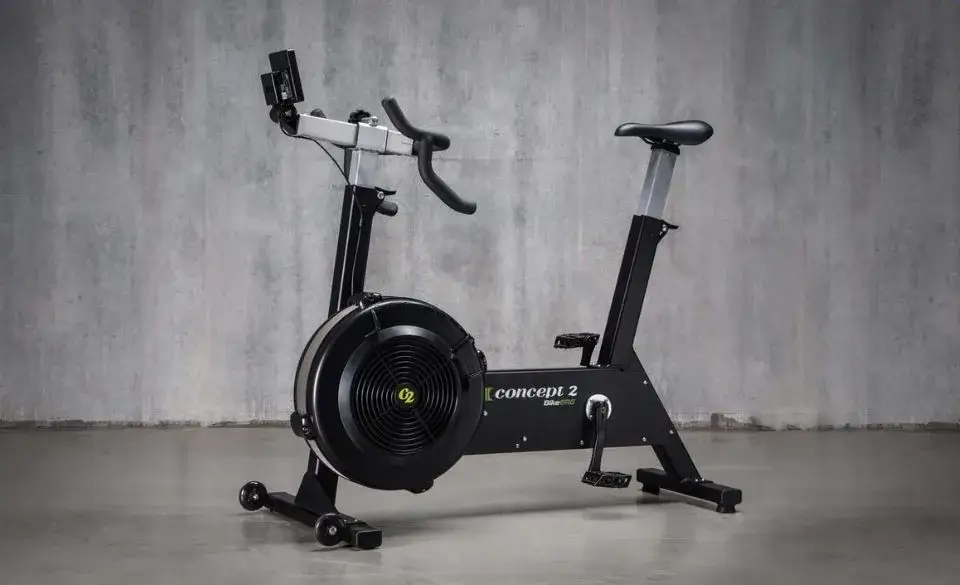
At some point, you need a brick that feels close to race day. Not as long, and not as stressful, but real enough that your body and mind get a preview. This is where a race style brick comes in. It is not just about distance. It is about pace, fueling, and how you hold yourself together when things start to bite.
Picture this. You ride at your goal race effort for blocks of time, not the whole ride. Then you slip into your running shoes and head out at a pace that feels a little too easy for the first few minutes. As your breathing settles, you move toward your target pace. You practice calm posture, light steps, and relaxed arms. You are training your body to move well, not just to move fast.
One of my coaching clients, Emma, used to fall apart in the first kilometre of every run off the bike. Her legs felt like stone, and her heart rate shot up. We added one controlled brick every week for six weeks. Each time, she rode at steady race effort, then ran for fifteen to twenty minutes at a calm but focused pace. By the end of the block, her comment was simple. “It still feels hard, but now it feels normal.” That change is huge.
Modern triathlon plans now use more short, focused bricks instead of endless long ones. This trend helps athletes avoid the triathlon training mistakes (such as overdoing volume and losing quality in key sessions). When you build race style bricks that are smart rather than extreme, you protect your body while still teaching it exactly what to do.
Ask yourself this. If you did a brick like this once a week for the next eight weeks, how much more confident would you feel standing on the start line?
For a deep dive into pacing, muscle fatigue and run-leg strategy after the bike, check out this Ironman triathlon running secrets guide.
If you are preparing for a long distance event, structured training makes all the difference. The Half Ironman Triathlon Training Plans from SportCoaching guide you through bike sessions, run workouts, and targeted brick training that helps you feel stronger during the bike to run transition.
Each program is built around smart progression, recovery, and strength development, perfect for athletes who want to train consistently without overloading their joints or tendons while improving their ability to run well off the bike.
Explore the Training Plans

How to Recover After Brick Workouts So You Keep Getting Faster
Brick workouts do not just stress your legs. They also stress your nervous system, your joints, and even your digestion. That is why recovery after these sessions matters just as much as the workout itself. If you only push and never reset, your next bricks will feel heavier, not smoother.
Right after a brick, your body is still running hot. Your heart rate is slightly raised, your skin is warm, and your breathing may feel a little shallow. This is the moment to guide your system back to calm. Walk for a few minutes, sip some water, and take slow, deep breaths. Think of it as teaching your body that the hard work is over and it is safe to relax.
Fuel is the next key step. Within the first hour, aim for a mix of carbs and protein so your muscles can repair. It does not need to be fancy. A simple smoothie, yogurt with fruit, or a sandwich works well for most people. Many triathletes wait too long to eat, then wonder why the next day feels flat. When you refill early, you protect the quality of your upcoming training.
Pay attention to how your legs feel in the hours after a brick. A light, springy feeling is a good sign. Heavy, dull soreness that lingers for days is your body asking for more rest. Gentle stretching or an easy spin the next day often helps clear that stiffness. You do not earn extra fitness by staying sore all week.
Sleep may be the most underrated part of brick recovery. During deep sleep, your body repairs muscle fibers, restores hormones, and locks in the training effect from the day. If you stack bricks on late nights and poor sleep, you miss a big piece of the benefit. When your recovery habits are solid, each brick session adds a layer of strength instead of slowly draining your energy.
To build bricks that improve speed while staying fresh, this 80/20 triathlon training method guide shows how to balance high quality sessions and recovery smartly.
Conclusion
Brick workouts can feel tough, but they are also one of the most powerful tools you have as a triathlete. When you build them the right way, they help your body switch from bike to run with less shock and more control. Over time, you start to feel smoother, calmer, and more confident every time you hit the run. That confidence carries straight into race day.
You do not need complicated training to get better. You only need sessions that match your level and goals. Whether you are new to the sport or chasing a personal best, a smart mix of short bricks, race style bricks, and well-timed recovery can make a big difference. Each session becomes another chance to teach your body how to move with purpose.
Most importantly, remember that you do not have to get everything perfect at once. Brick workouts get easier the more you practice them. Stay patient, trust the process, and let each week build on the last. If you keep showing up, you will feel those bike to run transitions becoming faster and smoother, and you will race with the kind of confidence that only comes from real preparation.