

Find Your Next Triathlon Race
Ready to put your training to the test? Here are some upcoming triathlon events matched to this article.
 Coach Graeme
Last updated:
Not sure where to start with training?
Tell us your goal and schedule, and we’ll give you clear direction.
No obligation. Quick, practical advice.
Explore our triathlon training advice for more helpful articles and resources.
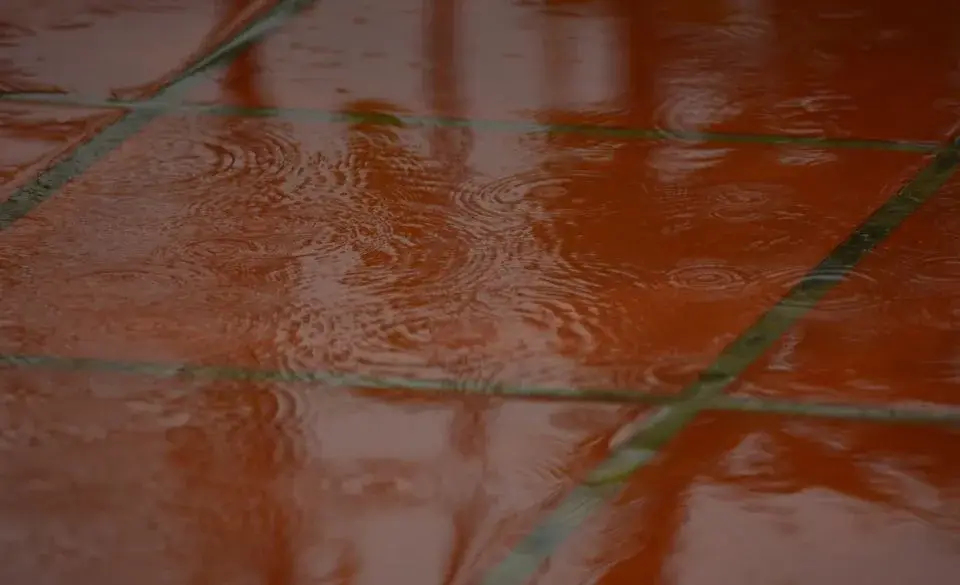
Here’s the thing about triathlons: the weather doesn’t care about your plans.
You’ve trained for weeks (maybe months) and then race morning brings heavy clouds and drizzle. It’s easy to panic. But yes, you can absolutely race a triathlon in the rain, and many athletes do so successfully every year.
In fact, some seasoned triathletes actually perform better in wet weather. Cooler temps can prevent overheating, and lighter rain keeps sweat under control. But it’s not just about comfort, it’s about adjusting your mindset.
Think of rain as another element to work with, not fight against. You already train for hills, heat, and wind. Why not rain? Accepting the conditions early helps you stay calm and sharp when the starting horn sounds.
One runner I coached, Jess, faced her first rainy triathlon last winter. She was nervous at the start, but once she focused on executing her race plan rather than the puddles, she placed top 5 in her age group. Her secret? Staying mentally flexible.
Of course, the rain adds real challenges. Slippery surfaces, fogged-up goggles, and longer transition times can throw you off. But these issues can be planned for and even turned to your advantage.
For example, other athletes might panic and slow way down on the bike. If you’re confident handling your bike in wet conditions, that’s your chance to pass them safely.
The key is preparation, not perfection. No one has a flawless race in the rain. But if you stay focused and adapt, you’ll come out stronger.
So yes, racing a triathlon in the rain is not only possible, it can be empowering. You don’t need sunshine to shine.
Let’s be honest, this is where many triathletes go wrong. Wearing the wrong gear in a rainy triathlon can make everything harder. You’re not just battling the elements, you’re battling discomfort, distraction, and sometimes even safety risks.
So what works?
The key is balance. You need to stay as dry as possible without overheating. That means thinking through each stage of the race.
For the swim, there’s not much you can change. You’re already wet, and most triathlons won’t cancel the swim unless lightning strikes. But if it’s cold and raining, you’ll want to wear a properly fitted wetsuit. Make sure it’s snug but not restrictive, especially around the shoulders.
Out of the water, transitions get tricky. Everything is wet. Shoes, helmet straps, sunglasses. Some athletes bring a small towel or even a plastic bin to keep gear dry in T1. One athlete I coached used a large freezer bag to stash her socks and shoes until she needed them. Smart, simple, effective.
The bike leg is where clothing matters most. A lightweight, breathable rain jacket can be a lifesaver here. Look for one that doesn’t flap in the wind. Avoid heavy waterproof jackets, they trap heat and sweat. And skip anything with cotton. It soaks up water and gets heavy fast.
Gloves can help if your hands get cold or slippery on the handlebars. Choose ones with grip. And if you’re racing in cooler temps, arm warmers or a thin thermal layer may be worth the extra few seconds in transition.
Your running kit should stay light. Wet feet are almost a given, so some runners opt for moisture-wicking socks and shoes with good drainage. You won’t stay completely dry, but you can reduce friction and blisters.
The goal with triathlon gear for rain isn’t perfection. It’s smart layering, good fabrics, and gear that lets you focus on your race, not the weather.
For a detailed gear checklist and printable PDF, check out our Ultimate Triathlon Checklist to make sure you’re fully prepared for every condition – rain or shine.
Of all three disciplines, the bike leg is the trickiest in the rain.
Let’s face it, wet roads change everything. Braking distances get longer. Corners become sketchy. Your visibility and grip are reduced. And when you’re flying downhill at 60 km/h? That’s not something you want to take lightly.
The number one mistake athletes make in a triathlon in the rain is riding like it’s dry. You can’t. And you shouldn’t try.
Your tires have less traction on slick pavement. Paint lines, metal grates, and fallen leaves turn into hazards. So what do experienced triathletes do differently?
First, they stay relaxed in the upper body. Tension makes you stiff, which leads to poor handling. Loosen your grip slightly and keep your elbows soft. Think about gliding, not fighting the bike.
Second, brake early and smoothly. Don’t slam the brakes in a corner. Instead, slow down before you turn, then coast through. This keeps your tires in better contact with the road.
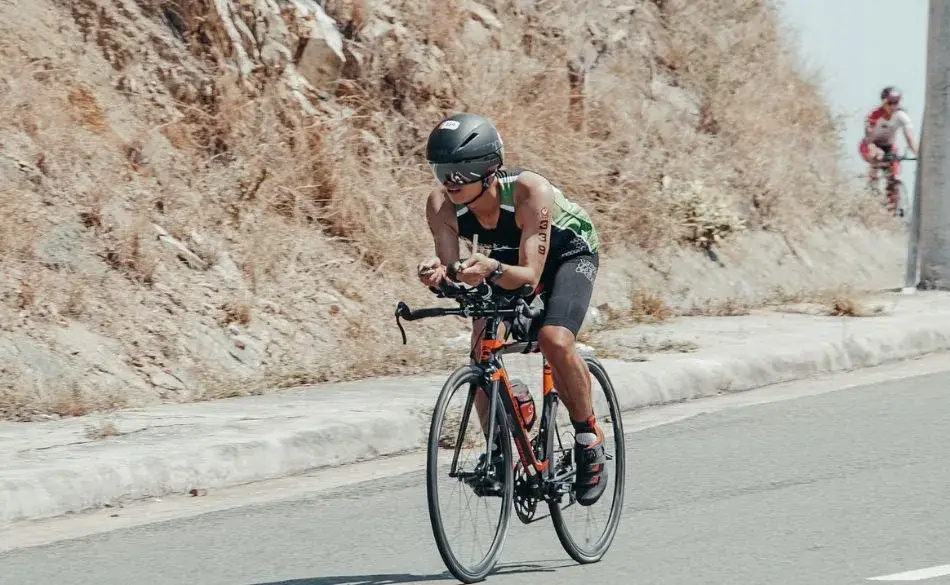
If you’re riding a time trial bike, be extra careful on the aerobars. They’re harder to control on rough or slippery terrain. Use the base bars when descending or approaching sharp corners.
Visibility matters too. Foggy glasses or rain-specked visors can mess with your confidence. Some athletes use clear lenses or even no glasses at all during racing in wet conditions, depending on the rain type. Anti-fog spray helps.
And don’t forget your tires. Slightly lower pressure (about 5–10 psi below your dry-weather setup) can increase surface contact and reduce slipping.
One athlete I worked with, Matt, rode conservatively during a wet weather triathlon last spring. He didn’t chase speed on the descents. But because of this he passed dozens on corners simply because he stayed upright while others braked too late.
The goal isn’t to go fast, it’s to ride smart. If you stay upright and confident, you’ll make up time by avoiding crashes or mechanical issues.
Curious about improving your bike handling and fit for slippery conditions? Read our full guide on Triathlon Bike Fit to boost both comfort and control. Even on wet roads.
You’ve checked your gear. You’ve studied the course. But what happens when the clouds open up, and your race feels more like a survival mission?
That’s where your mindset matters most.
Doing a triathlon in the rain isn’t just about physical preparation. It’s about how you handle discomfort, unpredictability, and that gut-punch moment when things go off-script.
Let’s break it down.
Your transitions will be slower, and that’s okay. Don’t stress if your socks are soaked or your visor fogs up. Everyone’s dealing with it. Focus on what you can control: your breath, your routine, and your next move.
When you feel overwhelmed, zoom in. Think: “What’s the next 200 meters look like?” Not the next hour. Narrowing your focus grounds your thoughts and quiets the panic.
During a rainy triathlon, your mental energy needs to stay flexible. Don’t cling to your “perfect race plan.” Instead, have a few backup plans. What if you can’t see well on the bike? What if your laces get muddy? Make peace with adapting.
Another strategy? Find rhythm early in each segment. On the run, listen to your footfalls and breathing. On the bike, focus on a smooth cadence. In the water, count your strokes. These little rhythms cut through the noise of rain and nerves.
Above all, remember: a triathlon in the rain doesn’t have to slow you down or destroy your race. You might not PR. But if you cross the finish line feeling proud of how you adapted. That’s a different kind of win.
Absolutely. If you’re doing a triathlon in the rain, your transition area needs just as much attention as your bike or running gear.
Here’s what most beginners don’t realize, transitions can make or break your flow on a rainy day. Small choices add up fast when everything’s soaked and cold.
Start with your setup.
Use a large plastic bag or small bin to keep your gear covered before the race begins. A simple garbage bag draped over your shoes, helmet, and nutrition can save you from starting with soggy gear. Some athletes go even further and bring a small towel or even a lightweight camping mat to stand on. So they’re not pulling wet socks onto muddy feet.
If your race includes grass or dirt, expect mud. A small hand towel can double as a foot-wiper. It sounds silly until you’ve tried to stuff a wet foot into a tight cycling shoe while sliding on wet grass.
Keep it simple. This isn’t the time for extra gadgets or gear. Anything you won’t use, leave out. Rain will find its way into every pocket and compartment if you let it.
Your layout matters more than ever. Place items in order of use. If it’s raining steadily, put socks inside your cycling shoes. Tuck your nutrition bars into your helmet or tape them to your bike frame so you’re not fumbling mid-ride.
During wet weather triathlon transitions, stay calm and deliberate. Don’t rush. It’s better to take 10 extra seconds getting your gloves on right than to lose five minutes struggling on the bike later.
One trick I teach athletes? Walk through your transition plan the day before. Step by step. In your mind and on the course if possible. Rain or not, you’ll move smoother when your body already knows what to do.
In the end, wet transitions are about control. You can’t stop the rain but you can organize around it.
Swipe to view full table
| Item | Dry Triathlon | Rainy Triathlon |
|---|---|---|
| Bike Tires | Inflated to standard PSI based on body weight and course | Lower PSI (5–10 below normal) for added grip on slick surfaces and wet turns |
| Helmet | Standard road or aero helmet with vents | Helmet with extended visor, better water drainage, and secure straps |
| Clothing | One-piece tri-suit, no additional layers | Triathlon gear for rain includes lightweight rain jacket, water-resistant fabric, arm warmers, optional gloves |
| Transition Setup | Gear laid out on towel or transition mat | Covered bin, garbage bag, or plastic sheeting to keep shoes, socks, and electronics dry |
| Eyewear | Polarized or tinted sunglasses for sun glare | Clear or yellow-tinted lenses with anti-fog treatment; sometimes no glasses depending on rain intensity |
| Socks and Shoes | Dry running socks, standard cycling shoes | Moisture-wicking socks, ventilated shoes with good drainage, or optional no-sock strategy |
| Gloves | Usually not worn | Non-slip, lightweight gloves for improved grip and warmth on handlebars |
| Hydration & Nutrition | Gels or bars stored in bento box or jersey pockets | Waterproof packaging or taped to frame; avoid paper-wrapped items that disintegrate when wet |
Knowing what to tweak is empowering. A simple adjustment like lowering tire pressure or swapping out tinted lenses can make a massive difference in racing in wet conditions.
You don’t need a whole new setup, just a smarter one.
Take a few minutes to walk through your gear list and apply this table. That way, come race morning, you’re not guessing. You’re ready.
If you’re aiming for longer distances, explore our Ironman triathlon training plans or Half Ironman triathlon training plans. Both include advice on race‑day gear and transition strategy for wet weather races.
Here’s the truth: no one signs up hoping for a triathlon in the rain. But when it happens, it’s the athletes who adapt (who lean in, not back) that cross the finish line proud.
A rainy triathlon tests more than fitness. It challenges your flexibility, your mindset, and your ability to problem-solve in real time. But it also reveals something deeper, your grit.
The rain strips everything down. It cancels out flashy gear and perfect race-day weather. What’s left is your training, your attitude, and your ability to stay steady when conditions aren’t.
And that’s where real growth happens.
So, if you wake up to grey skies and puddles on race day – don’t panic. Take a deep breath. Go through your plan. Think through each leg of the race and what you need to adjust. Trust that your preparation has gotten you this far, and now it’s just about staying calm and moving forward.
Yes, there will be wet shoes and foggy goggles. There might be moments when your fingers feel cold, or the wind kicks up at the worst time. But there will also be moments when you surprise yourself – when you pass someone on a slick corner, or power through a muddy climb, or smile at a volunteer as the rain pours down.
You don’t have to love racing in the rain. But you can absolutely learn how to handle it and even come to respect it.
Ready to put your training to the test? Here are some upcoming triathlon events matched to this article.



Head Coach & Founder, SportCoaching
Graeme is the founder of SportCoaching and has coached more than 750 athletes from 20 countries, from beginners to Olympians, in cycling, running, triathlon, mountain biking, boxing, and skiing. His coaching philosophy and methods form the foundation of SportCoaching's training programs and resources.
No matter your goals, SportCoaching offers tailored training plans to suit your needs. Whether you’re preparing for a race, tackling long distances, or simply improving your fitness, our expert coaches provide structured guidance to help you reach your full potential.
Personalised coaching to improve your swim, bike, and run performance.
What’s included
Browse upcoming Australian running, cycling, and triathlon events in one place. Filter by sport, check dates quickly, and plan your training around something real on the calendar.
Choose your plan to get started with personalized training plans designed to help you reach your goals.


Minna Backman
When you’re new, feedback is especially important, and Graeme is highly skilled at both analyzing numbers and understanding the importance of mental strength.