Why Runners Get Bunion Pain in the First Place (and What You Can Do About It)
Let’s start with the basics: bunions aren’t just a bump they’re a sign your big toe joint is being pushed out of place. For runners, this is more than just a cosmetic issue. That joint takes a beating with every single stride.
Here’s something most runners overlook. However, mobility means your foot can roll, flex, and adapt to the ground. When it’s restricted, that big toe joint starts absorbing more stress than it should. That’s why foot mobility exercises for bunion pain are a game-changer.
If you’re exploring foot mobility exercises in broader context, SportCoaching’s full guide on mobility exercises for runners offers 10 effective drills that translate well for bunion relief.
Each time your foot strikes the ground, force travels through the big toe. If your foot mechanics are even slightly off (tight calves, weak foot muscles, or shoes with narrow toe boxes)it adds up. Over time, your toe starts drifting inward while the joint bulges out. That’s your bunion forming.
So, what makes this worse for runners?
- High mileage and repetitive stress
- Tight-fitting shoes or racing flats
- Weak stabilizing muscles in the foot and ankle
- Lack of toe mobility or big toe extension
- Ignoring early signs like redness or pressure pain
Here’s the hard truth: you can’t fix a bunion without surgery. But you absolutely can slow it down and even reduce pain by moving smarter.
That’s where bunion-friendly exercises for runners come in. They don’t just stretch, they strengthen and realign. Think of them as maintenance for your feet, just like foam rolling is for your calves.
One runner I coach, Sarah, came to me frustrated. Her bunion flared up during every long run. Instead of pulling her back from training, we added toe alignment exercises for bunions into her strength days. Six weeks later, she ran a half marathon pain-free for the first time in years.
If you’re thinking, “Will this really work for me?” you’re not alone. But with the right plan, you can shift from managing pain to actually running stronger.


What Are the Best Strengthening Exercises for Runners with Bunions?
What Are the Best Strengthening Exercises for Runners with Bunions?
Here’s the thing about bunions, they’re not just a “foot problem.” They often come from weakness or imbalance up the chain: your ankles, calves, and even hips.
But let’s zoom in on the foot for now. When the small muscles around your toes aren’t doing their job, your body compensates. That’s when pain starts creeping in during runs, especially long ones.
The goal of these exercises isn’t just to feel good after a run, it’s to build strength that prevents bunion flare-ups altogether.
Here are four go-to strengthening exercises for bunion prevention I use with my athletes:
1. Toe Spread and Squeeze
Sit in a chair. Press your big toe and pinky toe outward, like you’re trying to spread your toes apart. Hold for 5 seconds, then relax.
- 3 sets of 10 reps per foot
Why it works: Rebuilds toe control and wakes up dormant foot muscles that help stabilize the joint.
2. Short Foot Exercise
With your heel and toes on the ground, try to “shorten” your foot by pulling the ball of your foot toward your heel. Don’t curl your toes!
- 3 sets of 10–15 reps
Tip: Do this barefoot. It’s subtle, but over time, it reinforces arch control and reduces stress on the bunion.
3. Towel Scrunches
Place a towel under your foot and use your toes to pull it toward you.
- 2 sets of 30 seconds
Why it helps: Strengthens flexor muscles and helps balance toe use.
4. Single-Leg Calf Raises (Barefoot)
Stand on one foot and rise onto your toes slowly. Pause. Lower back down.
- 2–3 sets of 10 reps
Tip: Barefoot makes your intrinsic foot muscles work harder. Key for bunion pain relief in runners.
One of my runners, James, was skeptical of these at first. “How can foot curls fix my bunion?” he asked. Two months later, he told me, “I actually feel stronger in my stride.” That’s the power of small but focused work.
What Stretches Help Ease Bunion Pain for Runners?
If your toes feel stiff and your forefoot tight after a run, you’re not imagining it. That tension builds up around the big toe joint and when you’ve got a bunion, that pressure adds fuel to the fire.
Stretching isn’t just about flexibility. It helps release built-up tension, improve alignment, and increase blood flow to that angry joint. The right stretches make your stride feel smoother and reduce that sharp or throbbing pain that hits mid-run or post-run.
These are my go-to bunion stretches for runners. Simple, quick, and surprisingly effective.
1. Big Toe Extension Stretch
Sit on a chair, cross one foot over your knee, and gently pull your big toe upward and backward.
- Hold for 20–30 seconds
- Repeat 2–3 times per side
Why it helps: Increases range of motion at the joint and relieves pressure under the ball of the foot.
2. Seated Plantar Fascia Stretch
Cross one ankle over your knee and pull the toes back toward your shin while massaging the arch with your thumb.
- Hold for 30 seconds
- Repeat 2 rounds
Tip: Pair this with post-run foot rolling for extra relief.
3. Toe Fan Stretch
Use your hands to gently spread your toes apart, especially the big and second toe.
- Stretch for 15–20 seconds
- Repeat 3 times
Why it works: Improves spacing and encourages proper toe alignment over time.
4. Wall Calf Stretch with Toe Focus
Place your foot against a wall so the toes stretch upward while the heel stays on the ground.
- Hold for 30 seconds
- Switch sides
This also targets tight calves that can shift your foot mechanics.
I had a runner who used to ice her feet after every long run. After adding just two of these stretching exercises for bunions into her cooldown, she started texting me things like “felt SO much better today.”
When your feet move better, the rest of your body follows.
Want even more control? Let’s cover mobility drills that improve how your entire foot moves, not just your toes.


Why Foot Mobility Matters More Than You Think
Here’s something most runners overlook: a rigid foot can be just as damaging as a weak one. If your feet can’t move well, your stride becomes stiff, your balance suffers, and pressure loads unevenly across the joints, including your bunion.
Mobility means your foot can roll, flex, and adapt to the ground. When it’s restricted, that big toe joint starts absorbing more stress than it should. That’s why foot mobility exercises for bunion pain are a game-changer.
These drills don’t just “loosen things up” they retrain your foot to move naturally and efficiently. Think of it like giving your foot a language it forgot how to speak.
1. Ankle Circles with Resistance
Loop a light resistance band around your forefoot and hold the ends in your hand. Slowly move your ankle in a circle against the tension.
- 8–10 circles each direction
- Repeat on both feet
Why it matters: Encourages ankle control, which directly impacts toe-off and stride mechanics.
2. Controlled Toe Taps
Stand barefoot. Try lifting just your big toe while keeping the others down, then reverse (big toe down, other toes up).
- 3 sets of 10 reps
Most runners can’t do this at first. It’s like trying to wink with both eyes. Keep practicing.
3. Heel Rock Backs
Kneel on all fours. Rock your hips slowly back toward your heels, letting your toes extend and spread.
- 10 slow reps
Why it works: Restores forefoot mobility and stretches the plantar fascia gently.
4. Arch Rolling with a Ball
Use a lacrosse or massage ball to roll under your foot’s arch. Go slow and focus on any tight or tender spots.
- Roll for 1–2 minutes per foot
Tip: This is gold post-run or during taper week to improve foot recovery.
When your feet are more mobile, the rest of your kinetic chain becomes more efficient. You’ll feel the difference not just in your bunion, but in your entire stride.


A Simple Plan for Bunion Relief and Stronger Running
If you’re like most runners, you don’t want to add an hour of “foot work” to your already busy training week. Good news: you don’t have to.
A little consistency goes a long way. By adding just 10–15 minutes a few times per week, you can create a real shift in how your feet feel and how your body runs. This isn’t about cramming everything in. It’s about building a smart, sustainable habit.
Below is a sample weekly plan using the best foot exercises for runners with bunions. You can move days around based on your training load, but the key is to stick with it.
👉 Swipe to view full table
| Day | Focus Area | Exercises | Details |
|---|---|---|---|
| Monday | Strength Day |
Toe Spread and Squeeze Short Foot Exercise Single-Leg Calf Raises |
Build toe control and arch stability. Perform 3 sets of 10 reps each exercise. Do barefoot for better activation. |
| Tuesday | Light Stretch + Mobility |
Big Toe Extension Stretch Controlled Toe Taps Arch Rolling with Ball |
Improve joint range and reduce stiffness. Hold stretches 20–30 seconds. Roll arch for 1–2 minutes per foot. |
| Thursday | Post-Run Recovery |
Towel Scrunches Toe Fan Stretch Wall Calf Stretch |
Focus on releasing tension after runs. 2 sets of 30 seconds for scrunches. Hold calf stretch 30 seconds each side. |
| Saturday | Mobility Reset |
Heel Rock Backs Ankle Circles with Resistance Big Toe Extension Stretch |
Restore natural foot motion. 10 reps for rock backs. 8–10 ankle circles each direction. |


Choosing the Right Shoes When You Have Bunions
Even the best exercises can’t compete with a bad shoe. If your toes are crammed together every time you run, you’re undoing all the strength and mobility work before your first mile.
Let’s be clear: no shoe will “cure” a bunion. But the right pair can reduce pain, slow progression, and support better movement. And for runners, that makes a massive difference over time.
Here’s what to look for if you’re serious about bunion pain relief in runners:
- Wide toe box: Your toes should be able to wiggle. If they’re touching each other or the side of the shoe, it’s too narrow.
- Minimal toe drop: A lower heel-to-toe offset reduces pressure on the forefoot and encourages natural toe splay.
- Soft upper materials: Mesh or knit uppers reduce friction and allow the shoe to adapt to your bunion instead of pushing on it.
- Room for orthotics or toe spacers: These can help realign and reduce pressure, especially on long runs or races.
I often have runners try shoes on in the afternoon when feet are slightly swollen. That’s when bunion discomfort is most noticeable. If the shoe still feels good then, it’s likely to hold up on a 10K.
Some popular models even offer bunion-specific running shoes, but you don’t always need a special label. What matters is shape, space, and how your foot feels after 30 minutes of use.
If you’re interested in improving form from the ground up, their article on correcting underpronation dives deep into gait mechanics and how foot strike pattern affects injury risk.
Remember, your shoes should support your progress, not set you back. A great shoe isn’t a fix, but it’s your first line of defense every time you step out the door.

Tools and Accessories That Make Recovery Easier
When you’re logging miles every week, sometimes your feet need a little help bouncing back. That’s where tools come in. However, not as a replacement for training smart, but as support for all the good work you’re doing.
Some of my runners swear by these accessories for that “ahh” feeling after a long run. Others use them daily for maintenance and comfort. If bunions are affecting your stride, adding even one of these can make a noticeable difference.
Here are a few go-to options that complement your exercises for bunion pain relief in runners:
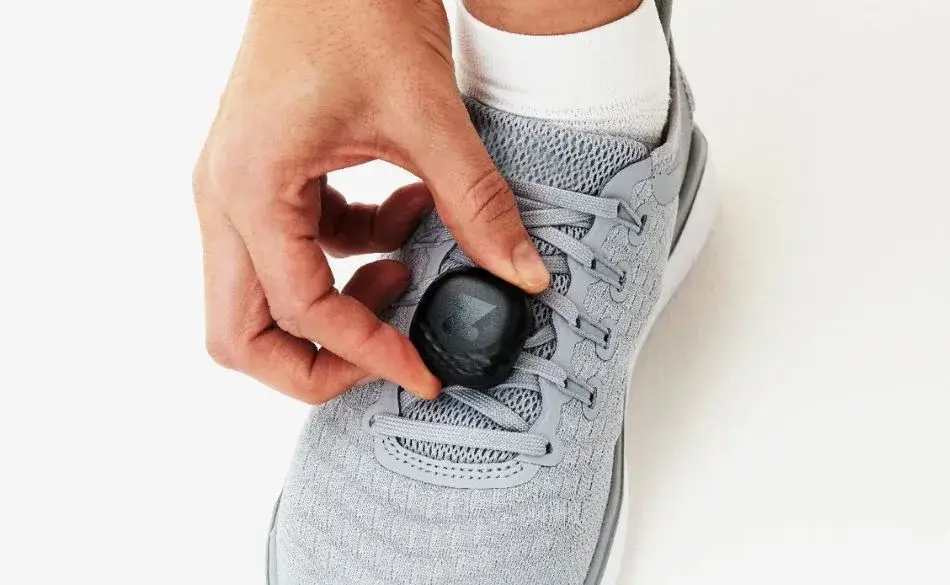
- Toe spacers: These small gel or silicone tools sit between your toes to help realign your big toe. They reduce pressure and improve muscle balance when used consistently (start with short sessions).
- Massage balls: Use a firm ball under the arch and forefoot to release tension. Great for post-run cooldowns or morning foot prep.
- Foot rollers: Unlike balls, these cover more surface area. Choose ones with textured ridges for deeper massage through the plantar fascia.
- Silicone bunion sleeves: These soft sleeves slide over the big toe joint and reduce friction inside your shoes. Ideal for runners prone to redness or rubbing.
- Cold packs or contrast baths: After a long or hilly run, alternating hot and cold foot baths can reduce inflammation and soothe soreness. And if your calves and lower legs often feel tight( impacting your stride and foot comfort) the guide on soleus exercises for runners and cyclists is a must-read. It boosts lower-leg stability and supports better foot function.
I often tell my athletes: recovery is where the magic happens. These tools aren’t just for comfort, they help speed up your return to strong, confident running.
For runners looking to expand their cooldown and recovery strategies, this guide on the importance of cool‑down exercises for runners can be a great addition to foot‑focused tools.

How to Stay Consistent and Keep Bunion Pain from Controlling Your Runs
Managing bunion pain as a runner isn’t about doing one big thing. It’s about doing the small things consistently. The right exercises, the right shoes, and a recovery routine that fits into your training (not competes with it) can change everything.
This process won’t be instant. Some days your foot might still ache after a long session. Other days, you’ll finish a run and realize you didn’t think about your bunion at all. That’s progress. It’s not linear, but it’s real.
If you take away one thing from this guide, let it be this: you have more control than you think. A bunion doesn’t mean you have to quit running. It means you need to treat your feet like the foundation they are.
Here’s what you can do next:
- Add 10 minutes of foot work to two days a week.
- Start noticing how your shoes feel by mile three, not just mile one.
- Listen to your pain but don’t let it silence your goals.
Remember, you don’t have to “run through” the pain. You can run with care, with strength, and with smart strategy.