Why Triathlon Training Books Still Matter in a Digital World
With so many training videos, apps, and social media tips, you might wonder if a book can still help you grow as an athlete. The truth is that books offer something the internet rarely provides. They give you a calm space to learn, think, and understand the sport without noise or distractions. When you’re training for three disciplines at once, that kind of clarity matters.
Many athletes start with the best triathlon training books for beginners because they want simple steps that feel manageable. These guides break down the essentials in a friendly way and help you learn the sport without feeling overwhelmed.
A training book helps you see the bigger picture. It explains how to balance your workouts, how to avoid burnout, and how to make progress even when life gets busy. Have you ever reached the end of a training week and thought, “Is this actually the right mix of swim, bike, and run?” A great book answers that question in a way that feels steady and reassuring.
Books also help you understand technique, nutrition, pacing, and the unique rhythm of training across three sports. They give you examples, clear explanations, and simple plans you can follow even when motivation feels low or life gets chaotic.
The more you learn, the more focused your training feels. Books help you understand why certain workouts work and how to adjust them when your energy changes. They don’t replace a coach, but they help you think like an athlete who trains with purpose.
Training books are incredibly helpful, but they can’t watch your form, adjust your plan when life gets messy, or give feedback when you feel stuck. That’s where the Triathlon Coaching Program at SportCoaching gives you a real advantage—personal support from a coach who adapts your training in real time.
You’ll get structure that grows with you, weekly guidance based on your progress, and expert adjustments when things don’t go to plan. Books can teach you the principles, but a coach helps you apply them in a way that fits your life, your goals, and your current fitness.
Explore Personal Coaching

Understanding Which Type of Triathlon Book Fits Your Goals
Choosing the right training book starts with knowing what you want from your season. Every athlete has different goals, time limits, and confidence levels. When you understand what you need most, you can pick a guide that supports you without adding stress.
Some athletes want short, simple sessions they can fit around work and family. Others want deeper explanations, scientific reasoning, and full training plans. Books vary a lot, so it helps to think about your personal style. Do you enjoy having detailed schedules? Or do you prefer lighter guidance that still leaves room to adjust based on how you feel each day?
This is where books aimed at long-distance athletes come in. Many people search for the best Ironman training books when they want clearer structure and pacing ideas for longer distance triathlon. Long events require steady preparation, and these books break the journey into small steps that feel easier to follow.
When deciding which type of book matches your needs, consider these questions:
- How much time can you train each week without feeling overloaded?
- Do you enjoy learning the science behind training, or do you prefer simple plans?
- Are you preparing for a sprint race, or do you want to build toward a longer event later?
- How confident do you feel in each sport right now?
Different books also support different personality types. Some people love clear, structured plans because they enjoy checking off each workout. Others feel stressed by rigid schedules and prefer flexible guidance. There’s no “right” personality for triathlon. The key is finding a resource that helps you stay consistent and calm.
Training books also teach you how to adjust your plan when life changes. Miss a workout? Feeling tired? Most books explain how to shift sessions without breaking progress. This helps you stay steady instead of feeling frustrated.


How Technique-Focused Books Make Swimming Feel Less Intimidating
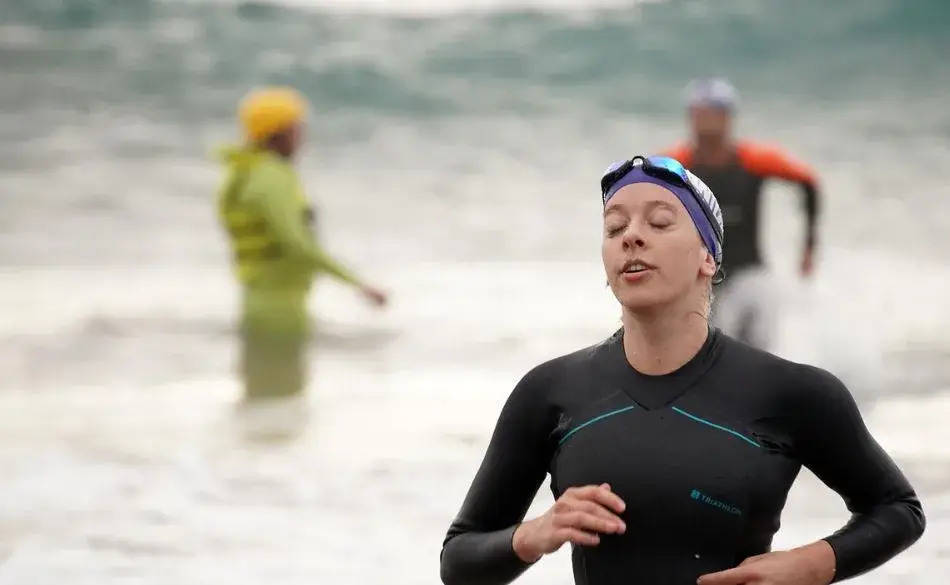
Swimming is often the hardest part of triathlon for beginners. The water feels cold, quiet, and unpredictable. Even confident runners and cyclists sometimes freeze when they think about their first lap in the pool. This is where technique-focused books can make a huge difference. They help you understand the water in a way that feels calm, simple, and manageable. Popular guides such as Swim Smooth by Paul Newsome, Total Immersion by Terry Laughlin, and The Triathlete’s Guide to Swim Training by Steve Tarpinian give swimmers a clearer path to improvement.
Many athletes start looking for resources like triathlon swimming technique books when they realise that power alone doesn’t move them forward in the pool. Technique, timing, and rhythm matter more than strength. Books explain these pieces in slow, clear steps that are hard to get from short videos or quick tips online.
A good technique-focused book teaches you how the water should feel around your body. It describes what smooth breathing feels like, how your hips should float, and how a relaxed pull connects with your kick. These details help you picture the movement before you even try it in the water. Have you ever imagined a stroke in your head, then felt it suddenly click during your next swim? That’s the power of clear guidance. Titles like Swim Speed Secrets by Sheila Taormina provide detailed explanations that help swimmers connect technique with speed.
Books also help you fix common mistakes without overthinking. They explain why your legs might sink, why you feel out of breath too soon, or why one side feels stronger than the other. Instead of guessing, you learn to adjust small details that make swimming easier and more enjoyable.
Swimming becomes far less stressful when you understand what’s happening beneath the surface. A good book gives you simple cues you can repeat during your laps. It might be a phrase like “long and smooth,” or “hips up, head down.” These reminders help you stay calm, even when the water feels challenging.
The more you understand technique, the more confident you feel during training and on race day. A clear book can turn swimming from the most intimidating discipline into one of your strengths.
If you’re preparing for your first event and want extra support beyond technique work, the practical advice inside first triathlon tips you should know can help you feel more confident heading into race day.
The Best Triathlon Training Books Every Athlete Should Consider
When you start building a solid training base, the right book can feel like a quiet coach in your corner. It gives you structure, confidence, and simple steps that guide you through each stage of your season. Many athletes use resources like triathlon nutrition books for race day to support their fueling, but the foundation of great training usually comes from proven, trusted triathlon books written by experts who’ve coached thousands of athletes.
What makes these books so valuable is their mix of practical advice, training plans, and clear explanations. They don’t overwhelm you with science, but they help you understand enough to train smarter and avoid common mistakes. Whether you’re a beginner or aiming for long-distance events, certain books have earned a strong reputation because athletes return to them year after year.
To help you choose the right one, here’s a detailed comparison of the most respected triathlon books. This table highlights what each book does best so you can find the one that fits your training style and race goals.
👉 Swipe to view full table
| Book Title | Best For | Training Style | Main Strength |
|---|---|---|---|
| The Triathlete’s Training Bible — Joe Friel | Beginners to advanced | Periodised, structured plans | Clear system for long-term improvement |
| Your First Triathlon — Joe Friel | New athletes | Simple step-by-step approach | Beginner-friendly programs and explanations |
| Be IronFit — Don Fink | Ironman athletes | Time-efficient training | Easy-to-follow plans for busy people |
| 80/20 Triathlon — Fitzgerald & Warden | All levels | Polarized training | Helps athletes avoid overtraining |
| Swim Smooth — Paul Newsome | All swimmers | Technical skill focus | Improves efficiency and confidence in open water |
| Going Long — Byrn & Friel | Ironman and long-distance athletes | Endurance-focused periodisation | Deep insight into long-course planning and pacing |
| The Well-Built Triathlete — Matt Dixon | Busy athletes | Holistic training approach | Emphasizes recovery, strength, and efficiency |
| Strength Training for Triathletes — Patrick Hagerman | All levels | Strength-focused | Improves power, stability, and injury resistance |
| Fast-Track Triathlete — Matt Dixon | Athletes with limited time | High-efficiency training | Race-ready plans for time-crunched triathletes |
| The Triathlete’s Guide to Mental Training — Jim Taylor | All athletes | Psychological skill development | Builds confidence, focus, and race-day calm |
These books remain popular because they balance science with real-world experience. When you choose the one that matches your goals and personality, you train with more purpose and arrive on race day feeling prepared and calm. You can also explore more long-distance-focused guides inside Ironman triathlon training books if you’re preparing for your next big event.
Books give you ideas — but only a coach can build a plan around your schedule, fitness, and real-life commitments. That’s exactly what the Ironman Training Plans from SportCoaching offer: fully customised plans tailored to your goals whether you’re chasing a first finish, a sub-12-hour time, or pushing for a sub-10-hour mark.
Before you even start training, you get a one-hour consultation to match workouts to your fitness, lifestyle and available time. Workouts are built on heart rate, power, or RPE — not generic guesses. That means smarter training, stronger legs, and less risk of burnout.
Visit Ironman Plans Page

How Strength Training Books Help You Build a More Resilient Body
Strength work is one of the most overlooked parts of triathlon training, yet it plays a huge role in how strong, stable, and confident you feel across all three sports. Many athletes turn to resources like triathlon strength training books when they notice small aches or feel their power fading late in workouts. These books teach you simple routines that support the muscles you rely on most during swimming, cycling, and running.
Most triathletes don’t need heavy weights or complex exercises. They need smart training that builds stability, improves balance, and strengthens the areas that fatigue first. A good book shows you how to train your core, hips, and upper back in ways that fit easily into your week. Popular guides such as Strength Training for Triathletes by Patrick Hagerman, The Well-Built Triathlete by Matt Dixon, and Fast-Track Triathlete by Matt Dixon all include simple, time-efficient strength routines that work well alongside endurance training.
When these muscles are strong, your form stays steady even when you feel tired, and this helps reduce injury risk.
One of my coaching clients once struggled with recurring calf tightness during long runs. He trained consistently but skipped all strength work because he thought it was optional. After adding a simple routine from a strength-focused triathlon guide, he felt a clear difference within a few weeks. His stride became smoother, he held his pace longer, and he finished sessions with more energy. What surprised him most was how small changes made such a big impact.
Strength training books also help you understand why certain muscles matter. For example, stronger glutes help you climb better on the bike. A stronger core keeps your hips from dropping during your run. Better shoulder strength helps you hold good form in the pool without getting tired as quickly. These improvements add up, especially during longer races.
When you build strength in a thoughtful way, your training feels more balanced. You recover faster, perform better, and enter race day with a sense of stability that supports every movement. A clear strength guide helps you create that foundation without guesswork.

How to Choose the Right Triathlon Book for Your Training Style
Choosing the right triathlon book isn’t just about finding the most popular title. It’s about finding the one that matches how you think, learn, and train. Every athlete has a slightly different personality, schedule, and comfort level with structure. When you understand these things about yourself, picking the right book becomes much easier.
You might enjoy books with detailed science, or you might prefer simple guidance you can follow without overthinking. Some athletes want week-by-week training plans, while others want broader ideas they can adapt to their lifestyle. Neither option is better. The key is choosing a resource that feels supportive, not stressful.
A helpful way to make your choice is to think about what motivates you. Do you enjoy checking off structured workouts? Or do you feel more relaxed when you have freedom to adjust sessions based on your energy? When a book fits your personality, training feels smoother and more enjoyable.
Here are a few things to consider when deciding which book is right for you:
- Your Experience Level: Beginners often benefit from clear, simple steps. Experienced athletes may prefer deeper explanations.
- Your Time Availability: Some books offer time-efficient programs, while others focus on high-volume training.
- Your Weakest Discipline: If swimming or running feels intimidating, a technique-specific book may be the best place to start.
- Your Learning Style: If you enjoy stories and real-world examples, choose authors who write in a conversational tone.
- Your Race Goals: Training for a sprint event often requires a different approach than preparing for long-distance races.
Books that fit your style help you stay consistent. You feel more confident, more organised, and more aware of how each part of your training connects. When your training resources match your needs, it’s much easier to stay motivated through the ups and downs of a full season.
A good triathlon book doesn’t just teach you how to train. It helps you enjoy the process, understand your body, and build habits that support long-term improvement.
If you want extra support with managing fatigue and staying consistent through big training weeks, you might also find the insights inside triathlon recovery tips helpful as you structure your season.


How to Use Your Chosen Training Book Throughout Your Season
Once you’ve chosen the right triathlon book, the next step is learning how to use it in a way that supports your entire season. A book isn’t meant to sit on a shelf. It’s a tool you return to again and again as your training changes. The more you use it, the more valuable it becomes.
Many athletes start by reading the opening chapters to understand the writer’s approach. This helps you set realistic expectations and see how the training philosophy fits your own goals. From there, it’s helpful to map out your training weeks alongside the book’s guidance. You don’t have to follow everything perfectly, but using the book as a guide gives your season structure and direction.
As your training builds, you can revisit certain chapters for reminders on pacing, recovery, or technique. These small refreshers help you stay confident, especially during tough training blocks when motivation feels low. Have you ever noticed how a single sentence or diagram can suddenly make a workout feel more manageable? Books give you clarity in those moments when your mind starts to wander or doubt.
It also helps to use your book like a reference manual. When you struggle with something (like swim breathing, bike climbing, or run pacing) you can jump to the specific chapter that covers it. This saves you time and reduces frustration because the answer is already in your hands. And if you ever reach a point where you want more personalised guidance, the resource on what questions to ask a triathlon coach can help you decide when a coach might offer even better support.
As race day approaches, your book can help you mentally rehearse your strategy. Most authors include insights on managing nerves, staying calm, and handling unexpected challenges. This kind of guidance can make a real difference when you’re standing at the start line, waiting for the horn.
When you treat your training book as a companion rather than a one-time read, you build a season filled with purpose, structure, and confidence. It becomes a steady voice that keeps you focused from your first session to the finish line.
If you’re just getting started and want simple, clear steps you can follow right away, you may also find the guidance inside couch to triathlon beginners guide helpful as you build your foundation.
Books can teach you the basics — but only a coach can build a plan that matches your schedule, fitness level, and real-world commitments. That’s what the Half-Ironman Training Plans from SportCoaching deliver: a tailored path for athletes chasing a strong, smart finish — whether it’s your first Half-Ironman, or you’re aiming for a personal best.
After a short consultation, you get a clear training roadmap built around your time constraints, strengths, and weaknesses. Workouts are adjusted to your life. No wasted sessions, no guesswork — just a plan that helps you reach your goal while staying balanced.
Explore Half-Ironman Plans

Building Confidence With the Right Triathlon Book by Your Side
Training for a triathlon is a journey filled with excitement, uncertainty, and plenty of learning. The right book helps you feel less alone in that process. It gives you steady guidance when you’re unsure, motivation when training feels tough, and clarity when you’re trying to understand the next step. No matter where you are in your athletic path, a well-chosen book becomes a quiet companion that makes everything feel a little more manageable.
You don’t need to know everything at once. You just need a resource that speaks to you, supports your goals, and fits into your lifestyle. The more you read, practise, and reflect, the stronger and more confident you’ll become. And each time you return to your book, it will offer something new that helps you move forward.