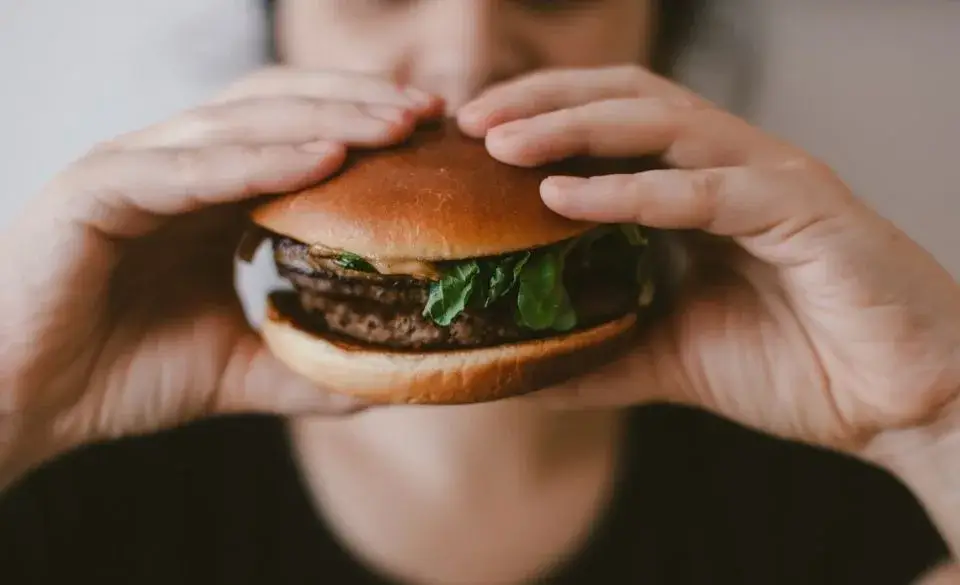
Can You Really Outrun a Bad Diet?
It’s a tempting idea, isn’t it? The more you run, the more calories you burn. This means the more “junk” you can eat without consequences.
But here’s the truth: you can’t outrun a consistently bad diet.
Running does torch calories, yes. But your body is more than a furnace. It’s a system that rebuilds muscles, balances hormones, fuels your brain, and recovers from impact. When that system is fed poorly, it can’t perform its best. No matter how many miles you’re clocking.
One of my runners, Sarah, used to reward every long run with fast food and beer. At first, she felt like she’d hacked the system. She could run 10K and still enjoy burgers guilt-free. But over time, things started slipping. Her recovery slowed. Her pace plateaued. She began skipping runs due to low energy. After a rough 15K race, we made a change: more whole foods, fewer processed meals, and smarter post-run fuel. Two weeks later, she said it felt like someone “turned the lights back on.”
That’s what running and junk food really does: it dims your potential if it’s the norm.
Here’s what runners often overlook:
- Nutrients matter more when you train hard. Your body burns through iron, magnesium, and antioxidants.
- Processed foods cause inflammation, which slows muscle repair and increases injury risk.
- Sugar spikes and crashes can mess with your focus, sleep, and even race-day digestion.
What foods should runners avoid most often?
- Fried foods (hard to digest, low nutrient density)
- Sugary drinks (brief energy, big crash)
- Sweets right before runs (can cause stomach upset)
- Processed snack bars (look healthy, often loaded with junk)
You don’t have to cut everything you love. The goal isn’t perfection—it’s consistency.
So, can runners eat whatever they want?
You can. However, that doesn’t mean it’s wise. Running gives you flexibility, not immunity.


What Happens to Performance When Diet Quality Slips?
At first, eating poorly might feel like no big deal. You’re still finishing your runs. Maybe even hitting your weekly mileage.
But over time, the cracks begin to show. Performance suffers. Recovery slows. And your motivation? That takes a hit too.
One of my runners, Mike, came to me stuck in a plateau. He was training for a half marathon and had decent weekly mileage, but his pace had flatlined. When we looked closer, it wasn’t his training. It was his food. Lots of takeout, skipped breakfasts, and barely any vegetables.
We shifted his meals to include more quality carbs (like oats, rice, sweet potatoes) and made sure he was getting protein after every run. A month later, he messaged me: “It’s like I have a new engine.”
That’s what nutrition tips for long-distance runners often overlook. The goal isn’t just to fuel the run, it’s to fuel the next one too.
Here’s what can go wrong when your diet quality dips:
- You feel more tired, even when sleeping enough.
- You recover more slowly between workouts.
- You might get sick more often or deal with low iron levels.
- Your mental sharpness fades during runs or races.
Let’s break down how this works:
- Carbs = your primary energy source. Too few, and runs feel heavy and slow.
- Protein = muscle repair. If you skimp, your body breaks down faster than it builds up.
- Fats = hormone health and joint lubrication. Necessary for endurance and recovery.
- Micronutrients like iron, magnesium, and B vitamins = energy, oxygen delivery, and muscle function.
Your body is like a high-performance engine. Would you fuel a Ferrari with low-grade gas?
Eating for marathon training or even casual 5K prep means giving your body what it needs to perform and that starts in the kitchen.
Do All Runners Need the Same Nutrition Plan?
Here’s the thing about running and nutrition – there’s no one-size-fits-all meal plan.
Your body isn’t the same as your training partner’s. Your schedule, stress, metabolism, goals, and even your gut tolerance all play a role in what food works best for you.
That’s why some runners thrive on big pasta dinners, while others feel better eating lighter, more often. Some can handle dairy and fiber before a race; others..not so much.
If you’ve ever googled best diet for distance runners and got overwhelmed, you’re not alone. Most of the top search results assume you’re training for a marathon or elite-level performance. But what if you just want to run three days a week, feel strong, and not worry about macros?
Here’s what matters most:
- Energy availability: Are you eating enough to fuel your activity, not just survive?
- Meal timing: Are you fueling before and after runs to help performance and recovery?
- Quality: Are most of your meals built around whole foods, not packaged snacks?
Let’s break it down by situation:
- If you’re training for your first 10K:
Focus on balanced meals, carbs for energy, and protein for recovery. Don’t worry about perfection—just consistency. - If you’re building weekly mileage:
Increase complex carbs (like brown rice, quinoa, whole grain bread), and snack smart between meals. - If you’re running to lose weight:
Watch your portions, but don’t restrict carbs too much. Runners who under-eat often burn out or get injured. - If you’re performance-focused:
Dial in timing, hydration, and variety. Use a mix of carbs, lean protein, healthy fats, and post-run snacks with electrolytes.
Should you copy what elite runners eat? Not always. Their training volume, access to nutritionists, and even altitude adaptation change the game. What works for a pro might backfire on a casual runner.
The goal isn’t to eat like someone else. It’s to eat in a way that fuels your running, your life, and your goals.
No two runners are alike. Just ;like your diet, your training volume and goals matter. That’s why our Running Training Plans are designed to match fitness level, weekly structure, and fueling needs, no guesswork required.


Can Running Justify That Extra Slice of Cake?
We’ve all been there.
You finish a long run. You’re tired, hungry, and your body’s practically begging for something sweet. So you think, “Hey, I ran today. I deserve this.”
And you know what? You do deserve to enjoy food. But the idea that running gives you a blank check to eat anything, anytime, can sneak up on you.
It’s easy to overestimate how many calories you’ve burned and underestimate how many you’re eating. A 5K might burn 300–400 calories. A slice of cake? About the same. But it’s not just about the numbers. It’s about what that food does for your body.
Let’s use an analogy: imagine your body is a campfire. Running stokes the flames. You can throw in a marshmallow (cake), and it’ll burn fast and bright. But it doesn’t last. What you really need is slow-burning fuel like logs (real, whole food) to keep the fire going strong.
When you build your diet around mostly healthy foods, that slice of cake becomes part of a balanced plan.
Here’s a smart way to include treats without guilt:
- Use the 80/20 rule: Eat whole, nutrient-rich foods 80% of the time. Enjoy fun foods the other 20%.
- Plan indulgences after longer or more intense workouts.
- Don’t use food as a reward. Fuel first, treat second.
- Pay attention to hunger cues after running. Sometimes you’re thirsty or tired, not starving.
It’s not about restriction, it’s about building a system that works long-term. If you’re aiming to improve fitness while still enjoying food, our Running for Weight Loss Plan can help you balance performance with smart eating habits.
Many runners find that once they eat better overall, their sugar cravings after long runs actually decrease. That’s because their body’s finally getting what it truly needs – fuel, not filler.
So, does running justify dessert? Sometimes, yes. Just don’t let it justify habits that hold your performance back.
Enjoy the cake. But make sure it’s not the main course of your training diet.


Running Fuel: Random Cravings vs. Intentional Eating
One big shift I encourage my athletes to make is going from reactive eating to intentional fueling.
What does that mean?
Reactive eating is when you finish a run and immediately grab whatever’s easiest—maybe a pastry, chips, or nothing at all. It’s guided by cravings or convenience.
Intentional eating is different. It’s about planning ahead, choosing foods that help your body recover, and still leaving room for joy and flexibility.
The goal isn’t strict dieting. It’s making food work for you, not against you.
Below is a simple table to show how intentional fueling compares to random craving-based eating for runners:
👉 Swipe to view full table
| Craving-Driven Eating | Intentional Fueling | Why It Matters |
|---|---|---|
| Grabs whatever is convenient post-run, often sugary or salty snacks | Prepares balanced meals with protein, complex carbs, and hydration | Boosts recovery, muscle repair, and energy levels for the next session |
| Skips breakfast or delays eating until hunger is overwhelming | Starts the day with a nourishing meal timed around runs | Prevents blood sugar crashes and supports steady energy throughout the day |
| Uses food as a reward—“I ran, so I deserve junk” | Sees food as fuel—chooses meals that support their training goals | Builds a healthier mindset around food and performance |
| Relies on ultra-processed foods or energy bars | Includes whole foods like eggs, oats, fruit, and lean meats | Whole foods offer more vitamins, minerals, and anti-inflammatory benefits |
| Turns to sweets or soda after long runs to “recover” quickly | Rehydrates and eats a mix of protein and carbs (e.g., chocolate milk, banana + nut butter) | Better supports glycogen replenishment and muscle recovery |
When my athletes start to fuel with intention (even just 80% of the time) they see real changes. Fewer injuries. Better sleep. More stable moods. And yes, faster running.
You don’t have to be perfect. You just have to be aware.
Want to eat that cookie? Go for it. But ask yourself: is this food helping me feel stronger, recover better, or feel good long-term?

Should Runners Count Calories or Focus on Fueling?
This question comes up all the time. Should runners count calories?
If your goal is to run well, feel strong, and avoid burnout, calorie counting often misses the mark.
Here’s why: calorie needs change daily. A rest day? Lower demand. Long run day? Way higher. Trying to hit the same number every day can leave you under-fueled or constantly obsessing.
Instead, focus on listening to your body’s signals and understanding your fueling needs based on training load.
For example:
- If you’re constantly hungry even after meals, you might be under-fueling.
- If you’re crashing mid-run, it’s often a sign of poor pre-run carbs or hydration.
- If you’re craving sweets late at night, it might be because your lunch or post-run meal was lacking.
It’s not about restriction, it’s about supporting your body.
A more helpful approach than counting every calorie is to build your meals around:
- Complex carbs (like oats, quinoa, brown rice)
- Lean proteins (chicken, eggs, Greek yogurt)
- Healthy fats (avocados, olive oil, nuts)
- Colorful veggies and fruit (for antioxidants and recovery)
That doesn’t mean calories don’t matter at all. But chasing the “perfect number” rarely works long term, especially for endurance athletes.
Instead, try this:
- Use a food log for 3–5 days to spot patterns.
- Ask yourself after meals: “Did that satisfy me for a few hours?”
- Make post-run fueling a non-negotiable, even on easy days.
The runners I coach who stop tracking numbers and start focusing on quality and timing often end up with better performance and fewer food-related stressors.
To optimize energy and recovery, many runners benefit from focusing on key micronutrients, not just macros. Learn about the most important vitamins for runners and how they support endurance and recovery in our detailed guide: Best Vitamins for Runners: Boost Energy & Recovery.


What Are the Best Foods to Eat After a Run?
How to fuel after a run can make or break your next one.
The 30–60 minutes after you finish a workout is prime recovery time. Your muscles are ready to absorb nutrients, refill glycogen stores, and start repairing micro-damage from training.
Skip this window, and you might feel fine..until your next session feels like you’re running through molasses.
Here’s what works best:
- Carbs to refill glycogen (stored muscle energy)
- Protein to rebuild and repair muscle tissue
- Electrolytes and fluids to rehydrate and reduce soreness
Great post-run food combos include:
- A banana with peanut butter and a protein shake
- Chocolate milk and a handful of almonds
- A veggie omelet with toast and fruit
- Greek yogurt with berries and a drizzle of honey
- A smoothie with spinach, banana, protein powder, and oats
If you’re training for a marathon or running back-to-back days, this becomes even more important.
A client of mine was training for her first ultra and kept skipping post-run meals due to a busy schedule. She constantly felt heavy-legged and sore. Once she started bringing a smoothie and hard-boiled eggs to eat right after long runs, everything changed. Her energy bounced back, and her legs recovered faster.
Need something on the go?
- Pack healthy snacks for runners like trail mix, dried fruit, or homemade energy balls.
- Even a sandwich and electrolyte drink works in a pinch.
The key is to think ahead. If your pantry or gym bag is stocked with the right post-run options, you’ll be less tempted to hit the drive-thru.
For more easy-to-carry, whole-food options instead of gels, check out our guide on Running Gel Alternatives: Best Natural Fuel Options. These ideas offer real nutrition and reduce digestive stress mid-run.

Final Words: Eat With Intention, Not Restriction
Running gives you freedom, but that doesn’t mean your nutrition should be random.
The idea that runners can eat whatever they want might sound appealing, but it falls short in practice. Yes, you burn more calories. Yes, you need more fuel. But that fuel determines how well you recover, how strong you feel during runs, and how resilient you are to injury.
The best runners (whether they’re chasing a personal best or just running for mental clarity) eat with purpose. They don’t diet. They don’t obsess over every bite. But they do build habits around quality, timing, and balance.
Here’s what that looks like:
- Prioritizing whole foods over processed ones
- Fueling before and after workouts, even short ones
- Allowing flexibility without letting junk food run the show
- Eating enough to match training load, not restrict it
You don’t need a perfect meal plan. But you do need awareness. That means asking:
“Is this helping my next run?”
“Am I recovering well?”
“Do I feel consistently energized?”
If the answer is no, it’s probably time to shift your nutrition, not your mileage.
Whether you’re running 5Ks or marathon distances, food is part of your training. When you treat it like a performance tool (not a reward system) you get more out of your training and racing.
So no, runners can’t eat whatever they want without consequence.