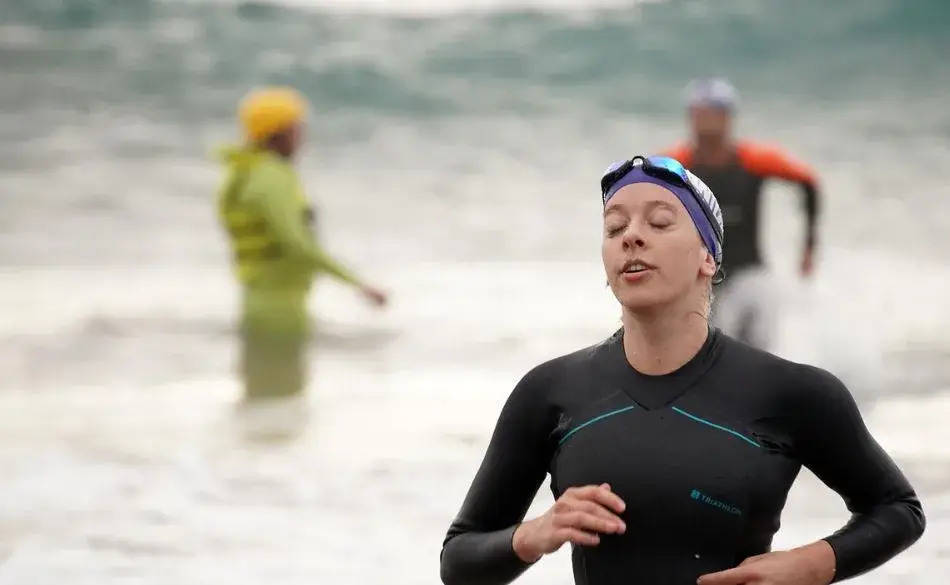
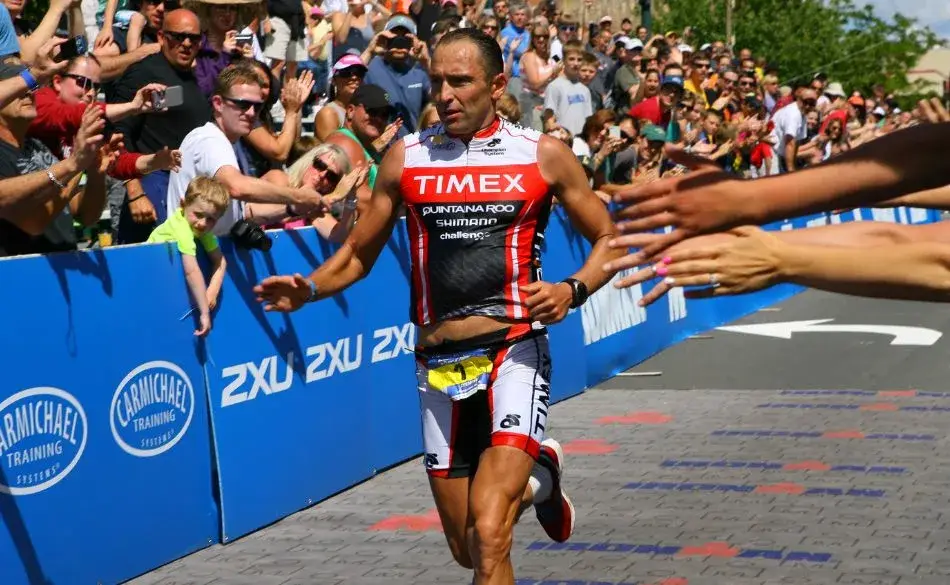
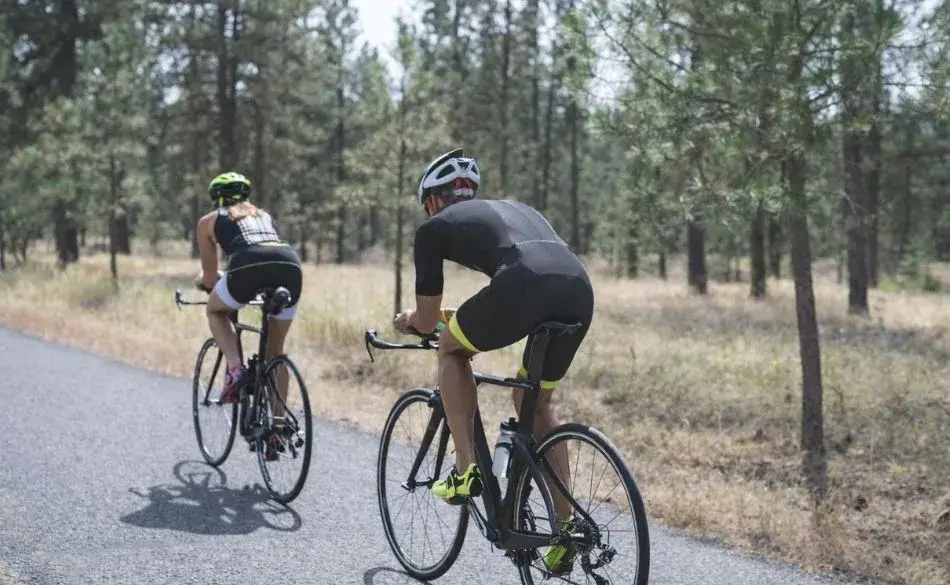
What Is the Clydesdale Triathlon Division?
The Clydesdale triathlon division is a category specifically for male athletes who weigh 220 pounds (100 kg) or more. For women, there’s a counterpart called the Athena division, typically for those over 165 pounds (75 kg).
This isn’t about “limiting” athletes. It’s about creating a more level playing field and celebrating athletes of all sizes who take on the swim-bike-run challenge. You’ll still be competing over the same distances, but often against others who face similar physical dynamics.
Learn more about the Clydesdale division and its role in promoting inclusivity in triathlon events in this Healthfully article.
Why Choose the Clydesdale Division?
If you’re a larger athlete, the Clydesdale division offers more than just a separate results category. It provides a platform for fairer competition and a welcoming community that understands the unique challenges faced by heavier endurance athletes.
- Level the Playing Field:
Larger athletes naturally have different energy demands and mechanical stresses on their bodies. Every step, pedal stroke, and swim stroke requires more energy output. This division recognizes those challenges and ensures you’re competing against others with similar physiological profiles. - Reduce Mental Barriers:
Many larger athletes hesitate to enter triathlons because they worry about being the only heavier person on the course. The Clydesdale division helps remove that mental barrier by creating a visible and supportive space for athletes who don’t fit the stereotypical triathlete mold. - Tailored Training Focus:
Athletes in this division often train with specific strategies aimed at minimizing injury risk, improving endurance efficiently, and selecting the right gear for their body type. Training smarter—not necessarily harder—is a key part of long-term success. - Stronger Community Support:
Whether online or at local races, Clydesdale athletes share advice, motivation, and practical solutions tailored to bigger bodies. From finding durable race bikes to managing hydration strategies that account for higher sweat rates, this community thrives on experience sharing and mutual encouragement.
The Clydesdale division isn’t about separating athletes, It’s about creating an environment where size is not a disadvantage but simply part of the journey. If you’ve ever questioned whether you belong on a triathlon course, this division proves that you absolutely do.

Clydesdale Division Rules and How to Register
If you’re interested in racing in the Clydesdale division, it’s important to understand how it works and what to expect during registration. This category isn’t automatically assigned, you’ll need to opt in when signing up for your event.
Standard Clydesdale Rules:
- Weight Requirement: Male athletes must weigh 220 pounds (100 kg) or more on race day.
- Verification: Some events require weigh-ins at packet pickup or registration to confirm eligibility. Others operate on the honor system—so it’s always best to check the specific event’s rules.
Age Subcategories (Varies by Race):
- Under 40 (Clydesdale Under 40)
- 40 and Over (Clydesdale Masters)
The corresponding female division is called Athena, typically for athletes weighing 165 pounds (75 kg) or more.
How to Register for the Clydesdale Division:
- During race registration, look for a section labeled “Division Selection” or “Category.”
- Select Clydesdale if you meet the weight criteria.
If no option appears, contact the race director. Some smaller events may not offer this division but may still recognize it unofficially.
If you’re close to the weight cutoff and plan to qualify, avoid last-minute fluctuations. Some races perform official weigh-ins, and you’ll need to meet the minimum weight at that time.

Training Considerations for Clydesdale Triathletes
Training for a triathlon as a larger athlete requires a strategic, thoughtful approach. Your body works harder to move, cool itself, and recover, so the typical “just push harder” mentality won’t cut it. Instead, focus on developing endurance safely, minimizing injury risk, and making every session count.
Swimming Considerations
Swimming is often the most forgiving discipline for Clydesdale athletes. The buoyancy of water reduces joint stress, making it an ideal low-impact environment to build cardiovascular fitness.
- Technique Over Speed: Prioritize improving stroke efficiency rather than swimming longer distances at first. Small adjustments in hand placement, breathing rhythm, and body alignment can dramatically reduce energy expenditure.
- Buoyancy Tools: Use pull buoys and swim aids to help improve body position if buoyancy is a challenge. These tools help you feel the correct alignment and reduce unnecessary drag.
- Wetsuit Fit Matters: A properly fitting wetsuit provides additional buoyancy and warmth. Look for wetsuits designed for larger frames with flexible shoulder panels to avoid restricting arm movement during longer swims.
- Focus on Breathing: Many heavier athletes struggle with breath control in the water. Spend time on breathing drills to stay relaxed and avoid panic in open water.
Discover practical advice on training and race-day strategies specifically for Clydesdale and Athena triathletes in this ACTIVE article.
Cycling Considerations
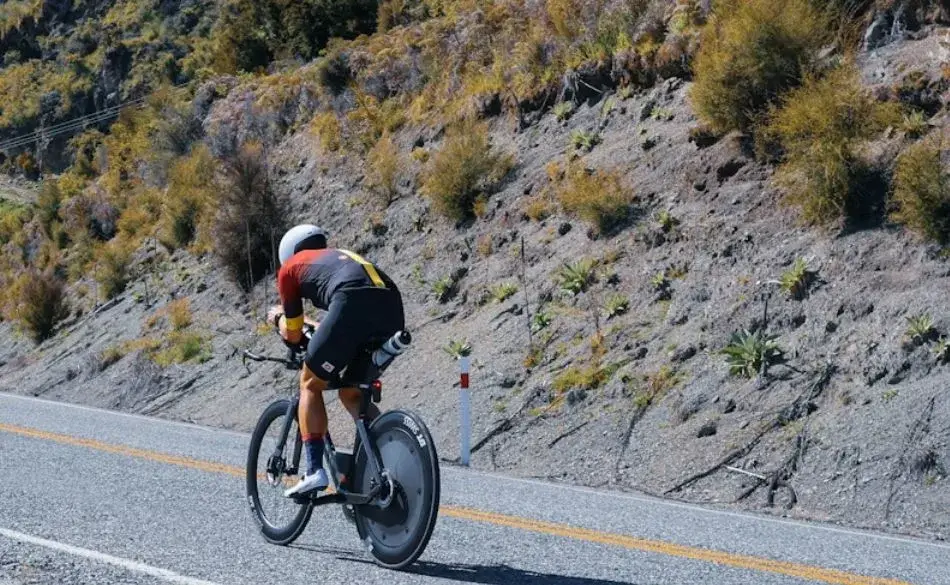
Cycling places significant mechanical stress on bikes when carrying more weight. Choosing the right equipment and optimizing your riding technique can make a huge difference.
- Bike Frame and Component Strength: Select bikes built with reinforced frames, preferably made from aluminum or carbon fiber rated for higher weight capacities. Ensure your wheelset has at least 32 spokes for added durability.
- Wider Tires and Lower Pressures: Use wider tires (28–32mm) to increase comfort and stability. Slightly lower tire pressures can help absorb road vibrations and reduce fatigue during long rides.
- Gear Ratio Selection: Choose bikes with compact cranksets and wider cassette ranges. This setup allows for easier climbing gears, reducing the strain on your knees and hips during hilly sections.
- Strengthen Core and Hip Stability: A strong core and stable hips improve cycling efficiency. Include targeted exercises like planks, side bridges, and glute bridges in your weekly routine.
Running Considerations
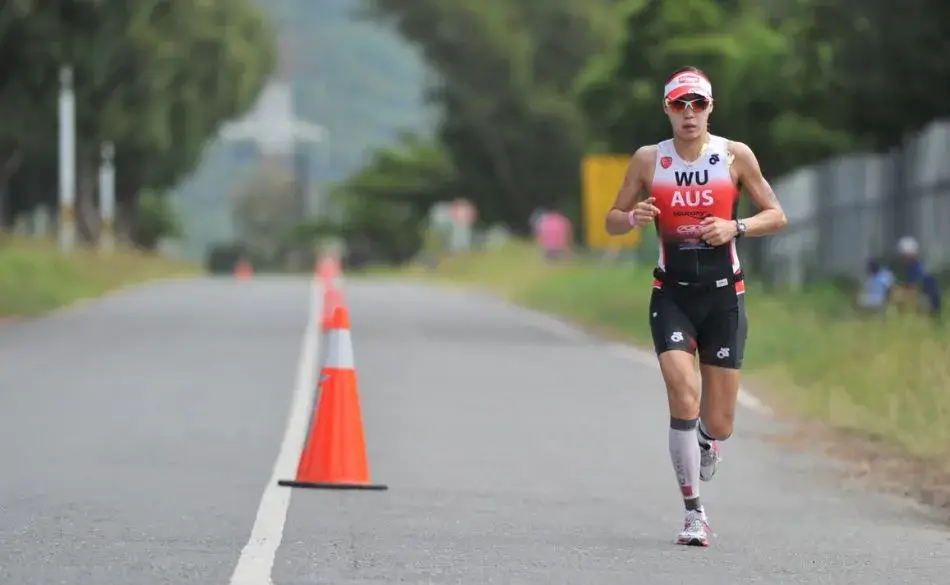
Running can be the most physically demanding leg of the triathlon for larger athletes. Higher ground reaction forces increase the stress on joints, especially knees, ankles, and lower backs.
- Focus on Low-Impact Progression: Start with walk/run intervals to safely build running volume. Gradually increase continuous running time as your joints and tendons adapt.
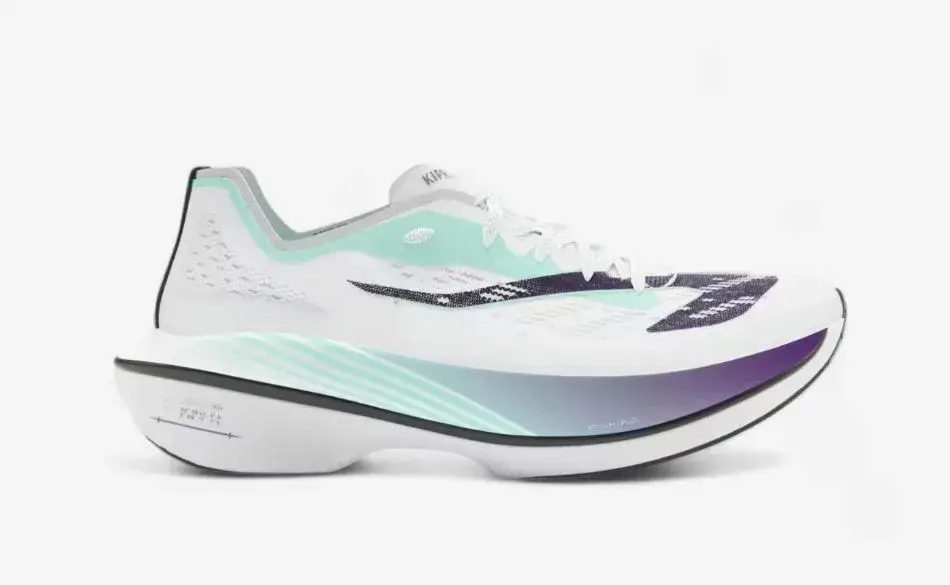
- Footwear Is Critical: Invest in high-cushion, stability running shoes designed to handle higher body weights. Brands like HOKA, Brooks, and ASICS offer models specifically built for heavier runners.
- Choose Softer Surfaces: Whenever possible, run on grass, trails, or athletic tracks rather than concrete. Softer surfaces reduce joint impact and help prevent overuse injuries.
- Shorter, More Frequent Runs: Instead of pounding out one long weekly run, spread mileage across several shorter runs. This allows better recovery and reduces cumulative stress on joints.
Training smarter, not just harder. It is the key to long-term success as a Clydesdale triathlete. By focusing on injury prevention, equipment optimization, and structured recovery.
12-Week Clydesdale Triathlon Training Plan (Sprint Distance)
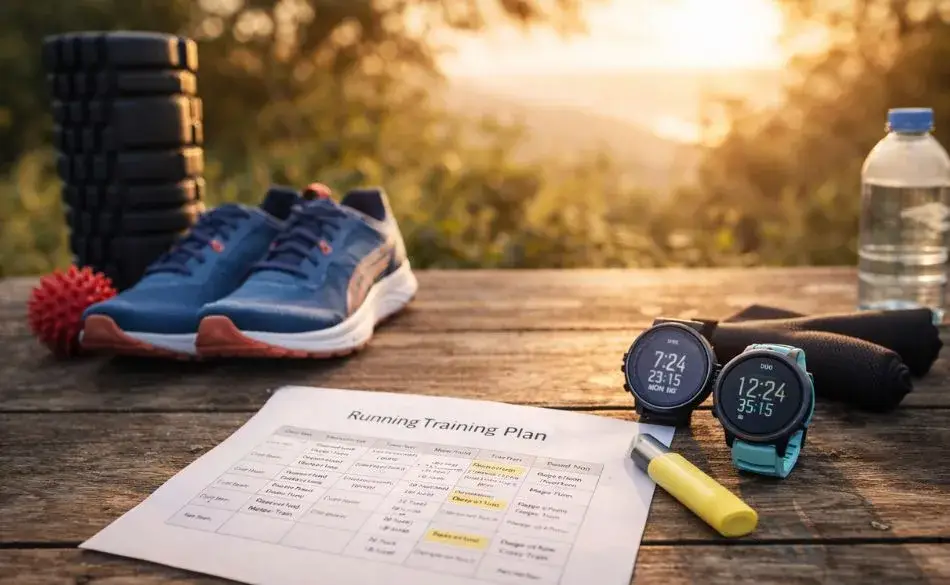
If you’re aiming to complete a sprint triathlon as a Clydesdale athlete, it’s important to follow a plan that balances endurance building with proper recovery. This 12-week program gradually increases volume while minimizing injury risk. Perfect for athletes managing higher body weight and joint stress.
The focus is on developing consistent swimming technique, safe bike handling, and efficient run-walk progressions. By race day, you’ll have built the strength, stamina, and confidence to cross the finish line feeling strong and accomplished.
| Week | Swim (Distance) | Bike (Time) | Run (Time) | Key Focus |
|---|---|---|---|---|
| 1-2 | 500–750m | 30 min Easy | 20 min Walk/Run | Establish consistency, injury prevention |
| 3-4 | 750–1000m | 40 min Moderate | 25 min Easy Run | Build endurance, improve comfort in water |
| 5-6 | 1000–1250m | 50 min Steady | 30 min Steady Run | Introduce brick workouts (bike + run) |
| 7-8 | 1250–1500m | 60 min Steady + Hills | 35 min Steady Run | Focus on pacing and longer brick workouts |
| 9-10 | 1500–1750m | 75 min Long Ride | 40 min Run (Include Intervals) | Improve stamina, practice race-day nutrition |
| 11 | 1500m Race Simulation | 60 min Easy Ride | 30 min Easy Run | Tapering starts, reduce intensity |
| 12 (Race Week) | 2 x 500m Easy | 30 min Easy Spin | 15 min Light Jog | Race Day! Enjoy the experience! |
Remember, this plan isn’t about chasing personal records. It’s about finishing strong, staying injury-free, and enjoying the process. If you need more rest, take it. If you feel good, add an extra swim or easy ride.
Most importantly, listen to your body throughout the journey. Success as a Clydesdale triathlete isn’t just about speed; it’s about showing up, putting in the work, and proving to yourself that you belong at the starting line and the finish line.
For those new to triathlons, our Beginner Sprint Triathlon Plan offers a structured approach to get you race-ready.


Race Day Strategies for Clydesdale Athletes
Race day isn’t just about endurance. It’s about strategy, especially for Clydesdale athletes. Smart pacing, hydration, and efficient transitions are the keys to finishing strong and avoiding early burnout.
Hydration and Nutrition
Larger athletes sweat more and lose fluids faster. Start hydrating 24 hours before the race and consume a light, carb-focused meal 2–3 hours before the start. During the race, sip small amounts of water and electrolyte drinks regularly. Aim for 60–90 grams of carbohydrates per hour through gels or diluted sports drinks to maintain energy.
Pacing Strategy
Go out easy and finish strong.
- Swim: Focus on steady, efficient strokes to conserve energy.
- Bike: Use the bike leg to fuel and hydrate. Keep cadence between 80–90 RPM to prevent leg fatigue.
- Run: Start slow. Plan walk breaks if needed—this keeps you moving without risking burnout.
Gear and Transitions
Set up your transition area for speed. Slip-on shoes and anti-chafing balms help avoid time-wasting struggles and discomfort. Practice brick workouts to prepare your body for the transition from cycling to running.
Ready to take on a bigger challenge? Our Olympic Distance Triathlon Training Plan is designed to help you succeed.
Gear Recommendations for Larger Athletes
Finding the right gear is essential for comfort, performance, and injury prevention. Clydesdale triathletes place higher mechanical demands on equipment, so investing in durable, supportive gear isn’t a luxury, it’s a necessity. Here’s a breakdown of what to look for in each key category.
| Gear Type | Recommended Features | Top Brands/Options |
|---|---|---|
| Bike | Reinforced frame, high weight limit (120kg+), wider tires (28–32mm), strong wheelset (32+ spokes) | Specialized Roubaix, Trek Domane, Giant Defy Advanced |
| Running Shoes | Max cushioning, stability support, wide fit, durable outsole | HOKA Bondi, Brooks Beast, ASICS Gel-Kayano |
| Wetsuit | Extra buoyancy, flexible shoulders, larger size range | Orca 3.8, Blueseventy Fusion, Xterra Vortex |
| Bike Saddle | Wide seat base, gel padding, center cutout for comfort | Selle SMP TRK, ISM PN 3.0, Specialized Power |
| Hydration Pack | Adjustable straps, sweat-wicking material, easy-access bottles | Nathan VaporAir, CamelBak Circuit, Salomon Active Skin |

Frequently Asked Questions About Clydesdale Triathlon
What is the weight cutoff for the Clydesdale triathlon division?
The cutoff is typically 220 pounds (100 kg) for men and 165 pounds (75 kg) for women in the Athena division.
Do I have to register as a Clydesdale athlete?
Are there special awards for Clydesdale triathletes?
Can larger athletes be competitive in triathlon?
Is there a best triathlon distance for heavier athletes?
Sprint and Olympic distances are often ideal starting points, but with smart training, larger athletes can succeed at any distance, even Ironman!
Final Thoughts: You Belong in the Clydesdale Triathlon Division
Stepping up to the start line takes courage, especially when you’re breaking the mold of what a typical triathlete “looks” like. But the beauty of the Clydesdale triathlon division is that it proves there’s no one-size-fits-all definition of strength and endurance.
New to triathlons? Our Couch to Triathlon: Beginner’s Guide is the perfect starting point.