What Is a Cooling Vest and How It Works
A cooling vest for athletes is a lightweight garment that helps your body shed heat. It wraps your torso (where a lot of warmth builds) and supports core body temperature regulation so you can train longer before the heat slows you down. Think of it like a small, wearable radiator that keeps your engine in the safe zone.
Most vests use one of three methods. An evaporative cooling vest is soaked in water; as the water evaporates, it pulls heat from your skin. A phase-change cooling vest uses frozen inserts that melt slowly at a safe temperature, absorbing body heat even when the air is humid. Newer wearable cooling gear can add micro-fans or thermoelectric plates to move cool air across your skin for longer sessions.
Why does this matter? When you overheat, blood flow shifts from working muscles toward your skin to dump heat. That raises heart rate and makes hard work feel harder. By starting cooler with a pre-cooling vest for training, or by using a vest during short breaks, you delay that heat build-up and protect performance. Many athletes also use a vest after sessions to feel comfortable while they recover.
Selecting the right style depends on your climate, sport, and session length. If your air is dry, evaporation works well and stays light. If it’s sticky and humid, phase-change inserts give steadier cooling. If you need hours of adjustable comfort indoors, a powered option can help. The table below gives you a clear snapshot so you can match the vest to your training.
👉 Swipe to view full table
| Type of Cooling Vest | How It Works | Best Environment | Pros | Cons |
|---|---|---|---|---|
| Evaporative Cooling Vest | Soak vest in water; evaporation draws heat from skin. | Hot, dry climates | Lightweight, reusable, no power needed. | Less effective when humidity is high. |
| Phase-Change Cooling Vest | Frozen inserts melt slowly and absorb body heat. | Hot and humid conditions | Steady cooling for 1–3 hours; comfortable temperature. | Heavier; inserts must be pre-frozen. |
| Ice-Pack Cooling Vest | Removable ice packs provide strong, direct cooling. | Short sessions or recovery breaks | Very cold and fast effect; low cost. | Can feel too cold; may restrict movement. |
| Battery-Powered / Thermoelectric Vest | Fans or cooling plates circulate cool air continuously. | Indoor or controlled settings | Adjustable cooling; long duration with charged battery. | Expensive; requires charging and extra care. |
Heat can drain your energy fast. With our Mountain Bike Coaching Program , you’ll learn how to manage effort, recovery, and heat during rides using strategies like cooling vests and smart pacing. Every plan is built to help you perform stronger and recover faster.
Perfect for all levels, our coaching supports your endurance and confidence through real-world training that fits your goals and conditions.
Explore Mountain Bike Coaching
The Real Benefits of Cooling Vests for Athletes
Once you understand what a cooling vest for athletes is, the next question is simple. Does it really work? The short answer is yes, especially when used correctly in hot conditions. Scientific studies show that cooling vests can lower skin temperature, slightly reduce core temperature, and decrease perceived exertion during intense sessions in the heat (Frontiers in Sports and Active Living, 2021).
When your core body temperature climbs, your body sends blood away from muscles to the skin to help release heat. That raises heart rate and reduces power output. Using a phase-change cooling vest or evaporative cooling vest helps slow that process. Research from MDPI (2023) found that athletes wearing cooling vests between efforts lowered their skin temperature by about 1.4 °C and felt less thermal strain. These small changes can make a big difference over time, especially in long or repeated workouts.
Here’s what most studies and real-world testing agree on:
- Improved comfort and perception: Athletes report feeling cooler, less fatigued, and more focused when heat stress drops. This perception alone can boost pacing confidence.
- Reduced heart-rate response: Some studies note a modest decrease in heart rate during heat exposure when cooling is applied before or between intervals.
- Lower thermal strain: A pre-cooling vest for training helps delay overheating, allowing steady effort in tough conditions.
- Faster post-session recovery: Using a post-exercise cooling vest helps bring body temperature down more quickly after workouts, easing the transition to rest.
- Better consistency in hot climates: Over multiple sessions, staying cooler supports more stable training quality across days.
In one of my coaching programs, my client Liam used a phase-change cooling vest during recovery breaks on long rides in 34 °C humidity. He noticed fewer spikes in heart rate and said, “It just feels like I’m not fighting the heat anymore.” That subjective relief matches what research calls “reduced perceived exertion” a key to performing longer without burning out.
While not a miracle fix, modern wearable cooling gear provides measurable support when training or racing in heat. Even small physiological improvements (lower heart rate, steadier body temp, better focus) add up when you’re chasing endurance in extreme weather.
If you’ve ever struggled to maintain pace in hot weather, you’ll understand how much heat affects performance. Learn more about why running feels tougher on hot days in our guide Is It Harder to Run in the Heat?. It explains how temperature impacts endurance and recovery so you can adapt your training effectively.
One recent study found that athletes wearing a cooling vest during a break in heat stress maintained lower skin and neck temperatures and showed better performance than those who did not. Read the full study.
How Do You Choose the Right Cooling Vest for Your Sport?
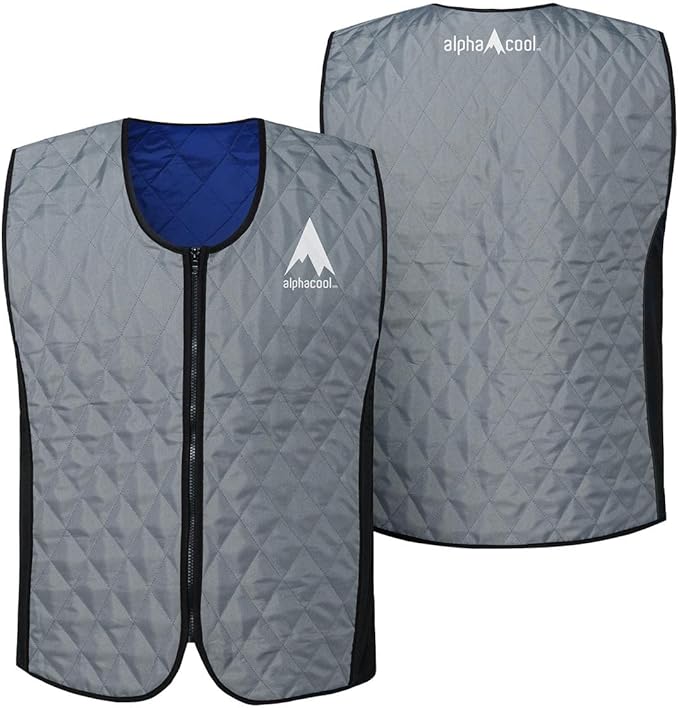
Choosing the right cooling vest for athletes depends on your sport, your environment, and how long you train. Each type of vest has its strengths, so it’s less about finding the “best” one and more about finding what fits your routine. Dry climates favor evaporative cooling vests that work with airflow, while humid conditions are better suited to phase-change cooling vests that stay cool regardless of moisture in the air.
For most athletes, the goal is simple, stay comfortable, manage heat efficiently, and avoid extra weight. Runners often prefer lighter vests with stretch panels for movement. Cyclists look for close-fitting styles that don’t flap in the wind. If you train indoors or for long blocks, a system with longer-lasting cooling packs may make sense. Powered vests with fans or thermoelectric elements exist, but they’re usually better for controlled environments than hard training sessions.
Here’s a practical way to match a vest to your situation:
- Match the climate: Dry heat suits evaporative models. Humid heat calls for phase-change inserts that melt slowly to absorb body warmth.
- Think about session length: For shorter workouts, simple pre-cooling may be enough. For long endurance sessions, choose a system that lasts 1–3 hours without refreezing.
- Consider movement: If your sport involves speed or agility, focus on lightweight vests that allow natural arm and torso motion.
- Plan for convenience: No freezer access? Go evaporative. Training at home or gym with storage? Phase-change models offer steadier results.
- Layer wisely: Wear your vest close to the skin or over a thin base layer so cooling can reach your body effectively.
Before committing, test your vest during a warm-up on a hot day. Notice how your heart rate and comfort level respond. Many athletes feel less drained and more focused when cooling is part of their preparation. Even small improvements in temperature control can lead to better consistency and endurance across tough sessions.
Start with a simple, reliable core body temperature regulation vest and upgrade later if needed. What matters most isn’t the price tag, it’s how well your vest keeps you cool, balanced, and performing at your best when the heat is on.



As an Amazon Associate, SportCoaching earns from qualifying purchases.
How and When to Use a Cooling Vest for Maximum Benefit
Owning a cooling vest for athletes is one thing, knowing when to use it is what makes the real difference. The key is timing. Whether you wear it before, during, or after a workout affects how your body responds to the heat and how quickly you recover. The good news? You can get results without wearing it the entire session.
Pre-cooling before training: Wearing your vest for 10–20 minutes before you start exercise helps lower your core body temperature so you begin cooler and delay heat buildup. Athletes often feel fresher in the first part of a workout, especially during summer runs or long bike sessions. A light phase-change cooling vest or evaporative cooling vest works well for this step.
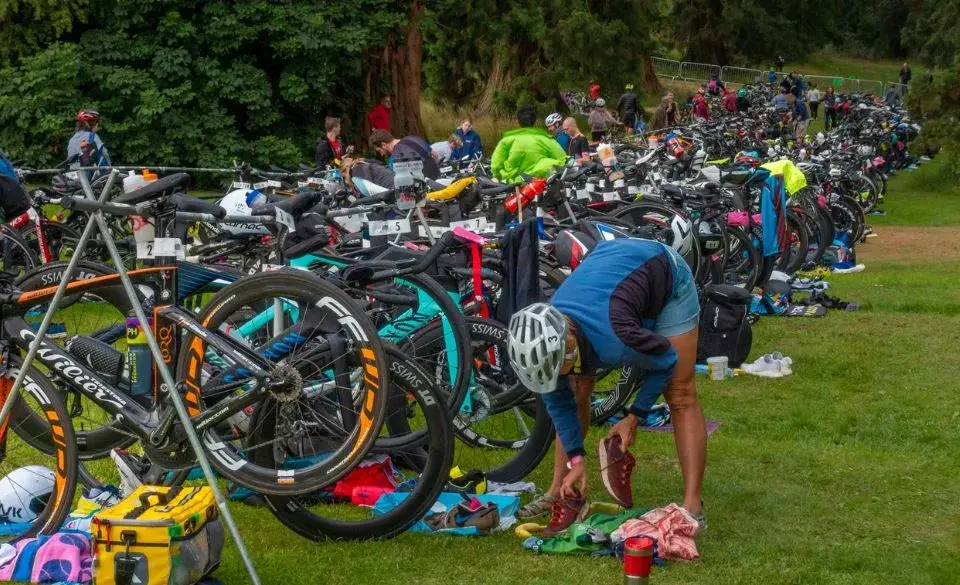
Cooling during training breaks: For sports with natural pauses (like soccer, basketball, or triathlon transitions) slipping on a vest between efforts helps manage thermal load. Even short use can make a noticeable difference. Think of it as pressing “reset” on your body’s heat system before the next push.
Post-exercise recovery: After you finish, your wearable cooling gear helps bring your temperature down faster. This supports heart rate recovery and reduces that heavy, drained feeling athletes often experience in humid heat. Using a vest for 10–15 minutes post-session can make recovery smoother and more comfortable.
- Tip 1: Keep phase-change packs stored in a cooler or freezer so they’re ready for training days.
- Tip 2: Pair your vest with proper hydration. Cooling works best when you’re well-hydrated since water supports heat transfer. To learn how to calculate your exact fluid needs, try our Sweat Test for Athletes. It’s an easy way to measure sweat loss and improve hydration during training
- Tip 3: Don’t overuse the vest during acclimation blocks. Let your body adapt naturally to heat over time while using cooling only to manage strain.
For athletes who also sweat heavily and train in heat, balancing sodium intake matters. You may benefit from our guide on Salt Tablets for Runners. It helps you understand when extra sodium makes a difference.
Used strategically, a cooling vest becomes more than a comfort tool, it’s a performance aid that helps you train smart, stay safe, and recover ready for tomorrow’s session.
Training in hot conditions? Our Triathlon Coaching Program is designed to help you integrate smart strategies like using a cooling vest, managing transitions, and optimizing recovery—all aimed at helping you finish strong whether the weather is on your side or not.
From beginners to seasoned competitors, you’ll get personalised workouts, heat-aware pacing plans and expert support so you can perform confidently in any condition.
Explore Triathlon Coaching

The Pros and Cons of Using One
Like any training tool, a cooling vest for athletes has its advantages and limitations. Knowing both sides helps you use it smartly, not just because it looks high-tech. For most athletes, the benefits clearly outweigh the drawbacks, especially when heat is a regular training challenge.
Here’s what to keep in mind before you invest or start using one regularly:
- Pro: Reduced heat stress. The main benefit is controlling body temperature. Lower thermal strain helps keep your heart rate stable and delays fatigue during tough sessions.
- Pro: Improved comfort and focus. A core body temperature regulation vest helps you feel mentally sharper and less distracted by heat, which can improve pacing and concentration.
- Pro: Faster recovery. Using a post-exercise cooling vest brings your temperature back to normal faster, so your body recovers more efficiently between workouts.
- Pro: Versatility. Cooling vests can be used before, during, or after training, indoors or outdoors, and across sports like cycling, running, triathlon, or football.
- Con: Weight and mobility. Some phase-change cooling vests can feel bulky or restrict movement, which may bother runners or sprinters.
- Con: Limited duration. Cooling packs usually last one to three hours, depending on the model and conditions. Longer sessions may require swapping inserts.
- Con: Preparation needed. Ice or phase-change packs must be frozen ahead of time, and evaporative models need re-wetting, which adds a bit of setup work.
- Con: Cost. Quality vests with reliable cooling materials are an investment. Still, for athletes training in hot climates, they can be worth every cent for comfort and performance gains.
Ultimately, a cooling vest isn’t a magic fix, it’s a tool. When used correctly, it supports your body’s natural cooling systems and helps you stay consistent under pressure. For athletes who regularly train in heat, that consistency can make the difference between struggling and performing at your full potential.


The Future of Cooling Vest Technology
The science behind cooling vests for athletes is evolving quickly. What started as basic ice-pack vests has grown into a field blending performance science, fabric engineering, and wearable technology. Each new generation of wearable cooling gear aims to make cooling lighter, smarter, and more efficient.
Modern phase-change cooling vests are now built with advanced materials that freeze at skin-safe temperatures and hold that cooling effect longer without adding bulk. New fabrics improve airflow and wick moisture faster, helping the vest stay dry even as it cools. These design upgrades mean you can move freely without feeling weighed down or damp after long sessions.
Some brands are experimenting with temperature-responsive fabrics that adapt to your body heat in real time. In the future, you may see smart cooling vests that connect to watches or apps, adjusting cooling levels automatically based on your heart rate, ambient temperature, or sweat rate. While this technology is still being refined, it’s a sign of where athletic gear is headed (toward customization and data-driven performance support).
Sustainability is another growing focus. Many manufacturers now use biodegradable phase-change materials and recycled fabrics to reduce waste. The goal is to create core body temperature regulation vests that perform at a high level without environmental cost.
For everyday athletes, these improvements mean more accessible comfort and performance. You won’t need elite sponsorship or laboratory gear to train smart in the heat, just reliable tools designed with real science and practical use in mind.
The next few years will likely bring cooling systems that are slimmer, smarter, and even integrated into traditional sportswear. But until then, the best step you can take is using the cooling technology already available to keep your body balanced and your performance steady.