How Cycling Kcal Calculators Actually Work
When you hop on your bike, your body burns fuel to keep your legs spinning. A cycling kcal calculator estimates how much energy you use during that effort. It does this by combining a few simple factors: your weight, speed, duration, and terrain. Together, they reveal how hard your body is working.
The calculator uses something called a MET value (Metabolic Equivalent of Task). It’s a number that measures how much energy you burn doing specific activities. Here’s what that looks like for cycling:
- Easy cycling (under 16 km/h): MET ≈ 4
- Moderate pace (19–22 km/h): MET ≈ 8
- Fast pace (over 25 km/h): MET ≈ 12
Multiply your body weight by the MET value, then by time in hours, and you’ll get an estimate of your cycling calorie burn. For example, a 70 kg rider pedaling moderately for one hour burns roughly 560 calories.
A good bike calorie calculator also adjusts for real-world details. Riding uphill or into the wind increases resistance, meaning more energy burned. Even small factors like bike type, tire pressure, and cadence can make a difference.
Some advanced tools link with a heart rate monitor or power meter to refine your results. That’s how professional cyclists track their cycling calories per hour with precision. But even a basic calculator gives a solid estimate for anyone wanting to track fitness, manage nutrition, or measure training progress.
Next, we’ll look at how speed, duration, and body weight affect your calorie burn and how you can use these numbers to train smarter for your next ride.


How Speed, Duration, and Weight Affect Calorie Burn
Your cycling calorie burn increases as you ride faster. A higher pace means greater power output and oxygen use, which raises your cycling energy expenditure. In simple terms, the harder you push the pedals, the more fuel your body burns. According to research from the Compendium of Physical Activities, riding at 20–25 km/h roughly doubles the calorie cost compared to cruising below 15 km/h.
Duration also plays a major role. Each additional minute of pedaling adds to the total energy used, even if the pace stays steady. Think of speed as the “intensity dial” and time as the “volume knob.” Both control your total calories burned cycling. A short, fast session may burn similar calories to a longer, easier one, but how you reach that number can affect fatigue and recovery.
Body weight changes the picture again. A heavier rider naturally uses more energy to move at the same speed. That’s why a cycling kcal calculator always asks for your weight, it’s one of the strongest predictors of total burn. The difference can be notable: two riders of 60 kg and 80 kg cycling side by side can show a 25–30 percent gap in total energy use, depending on terrain.
Environmental and mechanical factors make results vary further. Uphill sections, wind, and rough surfaces increase resistance and energy demand, while tailwinds, smooth pavement, and aerodynamic riding positions reduce it. Indoor cycling calories may differ slightly from outdoor cycling calories because trainers remove wind and coasting. Equipment choices (like tire width, rolling resistance, and gear setup) also affect efficiency, though typically in smaller amounts.
- Speed boosts intensity and calories burned per minute.
- Time extends total energy output, even at easy paces.
- Heavier riders expend more energy for the same distance.
- Terrain, wind, and surface can change totals by 15–60 percent.
- Indoor conditions may slightly under- or over-estimate real-world rides.


Understanding Calories Burned Cycling
It can be tempting to assign exact calorie numbers to every ride, but the truth is that calories burned cycling vary widely. Your speed, weight, terrain, and even wind conditions all affect energy expenditure. Instead of relying on a fixed table, it’s often more useful to understand relative effort and use a cycling kcal calculator for personalized estimates.
Here are some general guidelines to help you interpret your rides:
- Light rides, like leisurely spins under 16 km/h, burn fewer calories per hour but can add up over long durations.
- Moderate rides, around 18–22 km/h, provide solid cycling calorie burn and improve cardiovascular fitness.
- Vigorous rides, above 23 km/h or with hills, dramatically increase energy expenditure and help with endurance and weight loss.
Using a bike calorie calculator, you can plug in your personal details (weight, ride duration, and intensity) to get a tailored estimate. Many online calculators also allow adjustments for indoor vs outdoor riding, terrain, and rider efficiency.
Remember, these tools give an estimate, not an exact number. Real-world factors like stopping for traffic, varying terrain, and individual metabolism can change your total burn. Focus on trends over time rather than single rides. Track your weekly or monthly totals to see patterns in your cycling calories per hour and overall energy expenditure.
Next, we’ll explore a free interactive cycling kcal calculator you can use to get accurate estimates for your rides, along with tips on optimizing your training and fueling strategy.
Our Cycling Training Plans are designed by expert coaches to help cyclists of all levels improve endurance, power, and overall performance.
Whether you’re aiming to burn more calories, train for longer rides, or enhance speed and stamina, our programs provide structured workouts, pacing strategies, and recovery guidance tailored to your goals.
Turn your data into results. Train smarter, stay consistent, and ride with confidence toward your personal cycling goals.
Explore Cycling Training Plans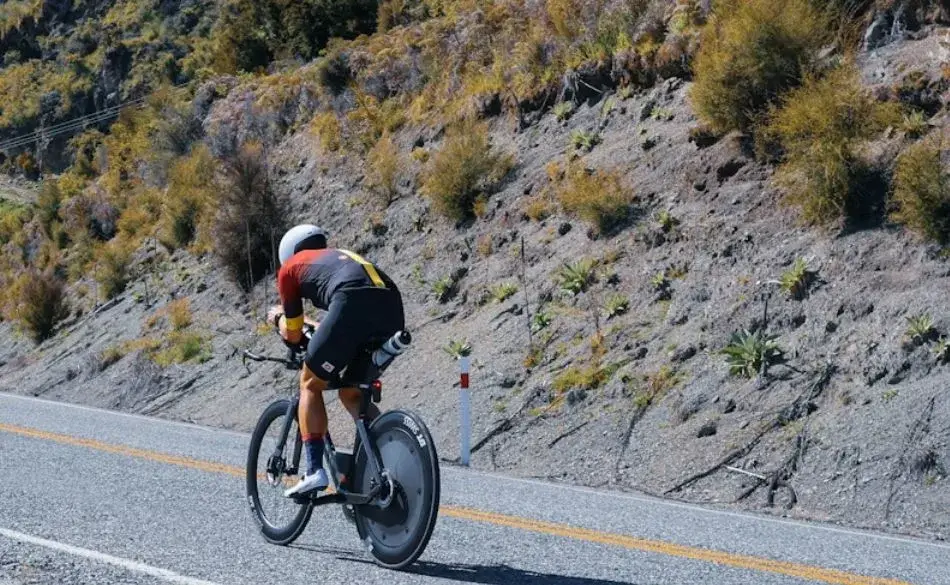
Try the Interactive Cycling Kcal Calculator
Curious about exactly how many calories you burn on your ride? Everyone’s body is different, and factors like speed, weight, and intensity all affect energy use. That’s why a cycling kcal calculator is the easiest way to get a personalized estimate of your cycling calorie burn. Use the tool below to input your details, and see how your effort translates into real energy expenditure.
Once you’ve entered your information and calculated your calories, remember these numbers are estimates based on standard conditions. Your actual cycling calories per hour can vary depending on hills, wind, road surface, and bike efficiency. Use the results as a guide for fueling, training, and tracking progress over time. Consistently logging your rides and checking your cycling kcal calculator results can help you understand trends and optimize your workouts for better performance and energy management.

Tips to Maximize Calories Burned on Your Ride
Want to get the most out of every ride? While the cycling kcal calculator gives you an estimate, small adjustments in your training can boost your cycling calorie burn and improve fitness at the same time. Here are practical strategies to help you ride smarter and burn more calories.
- Mix intensities: Alternate between light, moderate, and vigorous segments. High-intensity intervals increase overall energy expenditure and improve endurance.
- Include hills or resistance: Adding climbs or using higher gear resistance engages more muscle groups, which raises calories burned cycling per hour.
- Increase duration gradually: Longer rides add steady energy expenditure. Even moderate-speed rides can accumulate significant cycling calories per hour over time.
- Use proper bike fit: Efficient posture and pedal technique reduce wasted energy and ensure your body is burning calories effectively rather than struggling with poor mechanics.
- Monitor effort with your calculator: Track different rides using the cycling kcal calculator to see which sessions maximize your burn without overtraining.
Other simple ways to boost calorie burn include riding at a slightly faster pace when safe, maintaining consistent cadence, and staying hydrated to support performance. Remember, while it’s tempting to chase numbers, quality and consistency matter more than a single high-calorie session. Track your progress over weeks, not minutes, and use your cycling kcal calculator results to compare trends, adjust your rides, and set realistic training goals. For more tips on using cycling specifically for fat loss, see our Cycling for Weight Loss: Complete Guide.
By combining smart training strategies with your personalized calorie estimates, you’ll optimize your workouts, burn more energy, and improve both endurance and overall fitness. These tips work whether you’re riding indoors, outdoors, for weight loss, or for performance goals.
Our Cycling Coaching gives you one-on-one support from expert coaches who tailor training to your fitness, goals, and schedule.
Whether you want to burn more calories, improve endurance, increase speed, or prepare for long rides and races, our coaching programs provide customized workouts, pacing strategies, and ongoing guidance to keep you on track.
Get expert support, stay accountable, and maximize your performance with coaching designed just for you.
Learn More About Cycling Coaching

Indoor vs Outdoor Cycling Calories Compared
Many riders wonder if indoor cycling burns the same calories as outdoor rides. The short answer: it depends. Indoor cycling eliminates wind resistance, coasting, and terrain changes, making it easier to maintain a steady pace. This makes MET-based estimates from a cycling kcal calculator more consistent.
Here’s how to compare both:
- Indoor cycling: Great for controlled workouts and tracking effort consistently. Calorie estimates are stable, making it easy to monitor your cycling calorie burn.
- Outdoor cycling: Adds variability such as hills, wind, and stops. Total energy expenditure may be higher even if your pace feels similar. Use a cycling kcal calculator as a baseline and adjust for these factors.
- Hybrid approach: Combine indoor rides for steady training and outdoor rides to challenge your body and naturally increase calories burned cycling.
Remember, indoor estimates are generally reliable within ±5–10% of real-world energy use. Outdoor rides can vary ±15–30% depending on terrain, wind, and riding style. By understanding these differences, you can use your cycling kcal calculator more effectively and plan workouts that reflect your true energy expenditure.
To further optimize your rides, consider using our Cycling Pacing Calculator to estimate your ideal pace based on distance, terrain, and effort.
Our Mountain Bike Coaching program offers personalized training plans tailored to your goals, whether you're a beginner or a seasoned racer.
Benefit from structured workouts, technique development, and expert guidance to improve your endurance, strength, and trail skills.
Take the next step in your mountain biking journey with coaching designed to help you ride smarter and achieve your personal best.
Explore Mountain Bike Coaching PlansFactors That Affect Your Calorie Burn
Even when using a cycling kcal calculator, your actual cycling calorie burn can vary depending on several personal and environmental factors. Understanding these helps you interpret your results more accurately and plan smarter workouts.
- Body Weight: Heavier riders expend more energy to move the same distance at the same speed. This is why your weight is a key input in any cycling kcal calculator.
- Ride Intensity: Faster speeds, steeper hills, and higher resistance increase energy expenditure. More effort equals more calories burned cycling per hour.
- Terrain: Uphill climbs or rough surfaces require extra work, while flat or downhill routes reduce effort and calories burned.
- Environmental Conditions: Wind, temperature, and humidity can affect performance and energy expenditure. Headwinds increase calorie burn, tailwinds reduce it.
- Bike Setup & Efficiency: Proper bike fit, pedal technique, and aerodynamic position influence your efficiency. Less efficient form may slightly increase calories burned, while optimal form may reduce unnecessary energy use.
Using a cycling kcal calculator alongside these considerations can help you interpret your calories per hour cycling more realistically. Track trends over weeks, not individual rides, to better understand your personal energy expenditure patterns. This approach ensures your training and nutrition align with your actual energy needs.
By considering these factors alongside your cycling kcal calculator, you can better interpret your calories per hour cycling and make informed adjustments to your training plan. For structured routines that maximize energy expenditure and support weight loss, see our Bicycle Workout for Weight Loss.


Wrap Up: Track, Learn, and Ride Smarter
Using a cycling kcal calculator is one of the easiest ways to understand your cycling calorie burn and track progress over time. It provides a personalized estimate to help you plan workouts, optimize fueling, and monitor fitness improvements. Remember, these numbers are estimates since factors like terrain, wind, bike setup, and individual metabolism influence actual energy expenditure.
Consistency matters more than any single ride. By regularly tracking rides with the cycling kcal calculator, you’ll notice patterns in your calories burned cycling, endurance, and overall performance. Use this insight to tweak your training gradually, increasing intensity, duration, or incorporating hills and resistance to maximize energy expenditure.
Think of the calculator as a tool, not a goal in itself. Combine it with smart training habits, proper hydration, and balanced nutrition, and you’ll see real benefits in both calorie management and fitness. Small adjustments over time can make a significant difference whether you’re riding for weight loss, endurance, or enjoyment.