Why Tight Hamstrings Are Slowing You Down
If you’ve ever felt your stride shorten near the end of a long run or noticed your legs burn sooner on the bike, tight hamstrings are often the reason. When these muscles lose flexibility, they pull on your hips and lower back, changing how you move and making every mile harder than it needs to be. Over time, that tension limits both your power and recovery.
Most athletes think tight hamstrings are just a sign of hard training, but in reality, they’re often a sign of imbalance. Sitting for long hours or skipping post-workout stretches causes the muscle fibers to shorten. The result is a constant tug that restricts hip mobility and forces other muscles (like your calves or glutes) to take over the workload.
A regular deep hamstring stretch routine can reverse that. When you lengthen and relax the hamstrings, you restore proper hip movement, improve blood flow, and reduce the risk of strain. It’s not just about flexibility; it’s about efficiency. A runner with relaxed hamstrings can lift their knees higher and open their stride. A cyclist can stay more aerodynamic without back pain. And a triathlete can transition between disciplines without feeling that heavy stiffness in the back of their legs.
Here’s the thing about hamstring mobility: it doesn’t require hours of yoga or expensive gear. Even five minutes a day can make a noticeable difference. Start simple, lie on your back, loop a strap around your foot, and gently pull until you feel the stretch deep behind your thigh. Breathe slowly, hold for 20 to 30 seconds, and repeat on both sides.
You’ll know you’re making progress when your legs feel lighter, your stride opens up, and your workouts leave you feeling strong instead of stiff.


Best Deep Hamstring Stretch Variations That Actually Work
You don’t need fancy gear to loosen your hamstrings, you just need good positioning, steady breathing, and consistency. Whether you’re chasing a faster 10 km, smoother pedal stroke, or an easier transition off the bike, the right deep hamstring stretch can make a noticeable difference.
Start with one or two moves from this list. If you train often, use dynamic work before sessions and save static stretches for afterward when the muscles are warm.
For warm-ups (before runs and rides):
- Dynamic hamstring stretch (leg swings): Stand tall and swing one leg forward and back with control. Keep the knee soft and stop before discomfort. This improves hamstring mobility and blood flow without reducing power.
- Walk-and-reach: Step forward, hinge at your hips, and reach for your toes before resetting. This mimics running motion and gently activates your hips.
For cooldowns and recovery sessions:
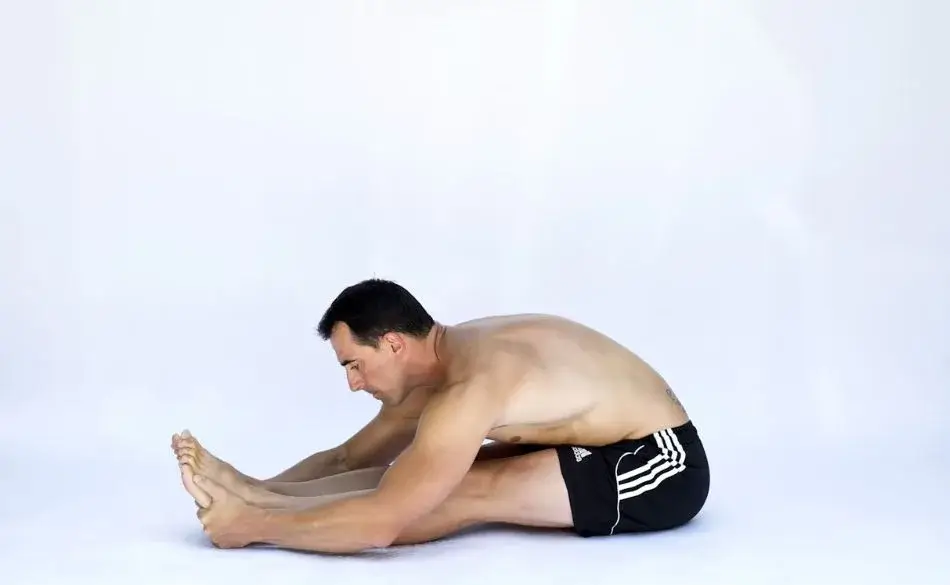
- Seated hamstring stretch: Sit tall with one leg long and toes up. Hinge forward from your hips until you feel a deep pull behind the thigh. Hold 20–30 seconds.
- Lying strap stretch: Lying on your back, loop a strap around your foot and slowly pull the leg upward. Keep the opposite leg extended and relaxed.
- Standing runner hamstring stretch: Place your heel on a low step, hinge forward slightly, and keep your spine long. Excellent post-run or after long climbs.
- Contract-relax (simple PNF): In the lying strap position, press your foot gently into the strap for five seconds, then relax and pull a little higher. Repeat two or three times per side. Studies show this PNF stretching approach can improve hamstring flexibility and strength over time.
Cyclists and triathletes often benefit from pairing a static hamstring stretch with a gentle hip-flexor release. This balances the pelvis and can reduce the feeling of “locked” hamstrings caused by long hours in the saddle.
Keep each hold comfortable, breathe deeply, and aim for two or three rounds per side if time allows. The goal is relaxation, not strain. Remember, consistency beats intensity every time.
Every runner, from beginner to elite, benefits from structure and balance. Our Running Coaching programs are designed to help you train smarter, recover better, and perform stronger. Each plan is built around your fitness level, goals, and lifestyle. Giving you the right mix of intensity and rest to keep improving safely.
- Personalized training structure: sessions tailored to your pace, distance, and recovery needs
- Smart recovery planning: reduce fatigue and prevent injury through data-driven rest strategies
- Performance development: improve speed, endurance, and efficiency with proven running methods
- Ongoing expert feedback: continuous support from professional running coaches to keep you progressing
Run with purpose, recover with intent, and reach your next personal best with a structured coaching plan built for you.
Start Running Coaching →

How Deep Hamstring Stretches Improve Running and Cycling Performance
Once your deep hamstring stretch routine becomes consistent, the gains go far beyond flexibility. Looser, stronger hamstrings improve your entire movement chain. Your hips, knees, and even your lower back start working together instead of fighting each other.
When runners increase hamstring flexibility, they can extend their stride without extra effort. Cyclists notice smoother pedal strokes and less hip rocking on long climbs. For triathletes, better range of motion helps reduce stiffness when moving from bike to run.
The table below highlights how hamstring mobility affects performance for endurance athletes.
👉 Swipe to view full table
| Benefit | How It Helps Runners | How It Helps Cyclists/Triathletes | Supporting Insight |
|---|---|---|---|
| Improved stride efficiency | Allows a longer stride with less knee strain. | Enables smoother transitions from hip extension to flexion on the bike. | Studies show hamstring mobility reduces compensatory motion in the hip and knee joints. |
| Reduced injury risk | Lowers strain on the posterior chain during sprints and hills. | Minimizes lower-back and knee tension from prolonged aero positions. | Consistent stretching increases tissue resilience and range of motion. |
| Faster recovery | Better blood flow speeds nutrient delivery after hard workouts. | Relieves post-ride tightness and aids muscle repair before the next session. | Improved circulation from gentle static stretches supports recovery metabolism. |
| Balanced muscle function | Prevents over-reliance on quads and calves during long runs. | Enhances glute activation and posture on the bike. | Releasing hamstring tightness improves pelvic alignment and efficiency. |
A few months ago, one of my athletes (a triathlete training for Ironman Cairns) struggled with constant hamstring tightness on the bike. We added a 5-minute post-ride stretching routine using the lying strap and hip-flexor sequence. Within three weeks, his lower-back tension disappeared, and his run splits improved by nearly 5 seconds per kilometre. Sometimes small mobility work creates the biggest performance gains.


Recovery and Maintenance Tips for Long-Term Hamstring Health
Stretching once in a while won’t keep your hamstrings loose forever. The real progress happens when your deep hamstring stretch routine becomes part of your regular recovery system. Just like you schedule workouts, you should also schedule mobility work. Think of it as maintenance for your body’s suspension system.
Here’s how to make that happen.
1. Stretch when your muscles are warm
Your hamstrings respond best after movement, not when you’re cold. Post-run or post-ride is ideal. You’ll feel more give in the muscle fibers and reduce the risk of pulling something while stretching.
2. Mix static and dynamic work throughout the week
- Dynamic stretches before key workouts prime your body for performance.
- Static holds after training help your body unwind and restore length.
This combination keeps hamstring flexibility progressing without affecting your power or speed.
3. Strengthen while you stretch
Mobility without strength can make your muscles unstable. Add simple moves like single-leg deadlifts or Nordic curls twice a week. These exercises build the eccentric strength that protects the hamstrings from overstretching and strain.
4. Use tools to enhance recovery
- A foam roller or massage ball can improve tissue quality.
- Heat before stretching or a short cold shower afterward can aid circulation and comfort.
- If you have access, try alternating sauna and cold plunge for a recovery boost.
Pair those methods with additional full-body work. For instance, check out our 10 Mobility Exercises for Runners to complement your hamstring routine.
5. Track your mobility like a metric
Just like you monitor pace or power, measure your range of motion once a month. For example, record how close your fingers get to your toes or how easily you can hinge at the hips. Small improvements prove that your deep hamstring stretch routine is working.
Consistency is what transforms flexibility into performance. A few minutes, a few times a week, is all it takes to make tightness a thing of the past.
Every strong cyclist knows performance is built on structure, not guesswork. Our Cycling Coaching programs are designed for riders who want to train smarter, recover faster, and reach peak fitness with personalized, data-driven plans. Whether you’re targeting a race, a long-distance event, or all-around improvement, our coaching brings clarity and focus to your training.
- Structured power development: targeted sessions to increase FTP and endurance strength
- Custom performance analytics: track progress with professional training data reviews
- Recovery optimization: tailored workloads that balance fatigue and adaptation
- Ongoing expert support: direct feedback from experienced cycling coaches
Train with purpose, master your power, and unlock your best performances with personalized cycling coaching.
Start Cycling Coaching →
Common Mistakes Athletes Make When Stretching Hamstrings
It’s easy to think that any stretch is a good stretch, but when it comes to your hamstrings, small mistakes can undo your progress or even cause more tension. Runners, cyclists, and triathletes often approach stretching with the same intensity they bring to training, which leads to overdoing it. The goal of a deep hamstring stretch isn’t to push harder; it’s to move smarter.
Here are the most common hamstring-stretching mistakes endurance athletes make, and how to fix them:
- Stretching cold muscles
Doing a static stretch before warming up is one of the most common errors. Cold muscles are less elastic and more prone to micro-tears. Always begin with gentle movement, like a dynamic hamstring stretch (leg swings or walk-and-reach) to increase blood flow before going deeper.For a clear medical perspective on when to use static vs dynamic stretching, see Cleveland Clinic’s guide.
- Bouncing during the stretch
Ballistic or jerky movements don’t lengthen muscles faster; they increase strain risk. Controlled, slow holds create long-term changes in hamstring flexibility by giving the muscle time to relax.
To understand why ballistic approaches carry risk and when (if ever) they may be used safely, check our Ballistic Stretching Ultimate Guide. - Holding your breath
It sounds simple, but many athletes forget to breathe. Shallow breathing triggers tension, while slow exhales activate your parasympathetic nervous system, allowing deeper, safer stretching. - Forcing range of motion
Trying to “touch your toes” when your hamstrings aren’t ready can create protective tightness. A proper static hamstring stretch should feel firm but not painful. Overstretching signals your muscles to contract, undoing the purpose entirely. - Ignoring supporting muscles
Tight calves, glutes, or hip flexors can limit how far your hamstrings release. A quick hip opener or calf stretch before your deep holds often improves results dramatically. - Skipping consistency
Stretching once a week won’t maintain results. True gains in hamstring mobility come from short, frequent sessions. Ideally five minutes a day, three to four times per week.
Correcting these small errors doesn’t just prevent injury; it transforms how your body feels on the road or trail. You’ll notice smoother hip extension, better form under fatigue, and fewer post-training aches simply by slowing down and stretching with intention.

How Strength and Mobility Work Together
If you only focus on flexibility, your muscles may feel loose today and tight again tomorrow. If you only chase strength, your legs can feel powerful but restricted. To truly build lasting performance, strength and hamstring mobility need to work together.
The deep hamstring stretch you perform at the end of training is more effective when supported by strength. Why? Because the hamstrings are both movers and stabilizers. They flex the knee, extend the hip, and protect the pelvis from tilting forward under fatigue. Without strength, your newfound flexibility won’t hold up when you’re climbing hills or sprinting into a headwind.
When I coach endurance athletes, I often see those who stretch but neglect strength. Their form improves for a week or two, then the tightness creeps back. The athletes who blend strength and flexibility work (short, focused sessions) maintain mobility for months.
Here’s how to combine both effectively:
- Romanian Deadlifts (RDLs): Teach you to hinge from the hips while keeping tension through the hamstrings.
- Single-Leg Bridges: Activate glutes and stabilize the pelvis, reducing hamstring overuse.
- Nordic Curls: Build eccentric control, protecting against hamstring strain during running or cycling surges.
- Good Mornings: Train controlled hip flexion under load, building both awareness and stability.
After each strength session, include a static hamstring stretch (like the seated or lying strap version)for 20 to 30 seconds. This allows your nervous system to adapt to the increased range earned through strength. On non-lifting days, short dynamic hamstring stretches keep blood flow high and maintain mobility.
Over time, you’ll feel the difference in how your body moves. Runners notice smoother knee drive and less fatigue in the final kilometres. Cyclists stay more comfortable in aero positions. Triathletes transition faster because their hips and hamstrings work in sync rather than fighting each other. For more cycling-specific flexibility tips, see our Best Stretches for Cyclists guide.


The Best Stretches to Pair With Deep Hamstring Work
A deep hamstring stretch works best when it’s part of a balanced mobility routine. Your hamstrings don’t act alone, they connect to your hips, glutes, and calves. When those surrounding muscles tighten, the hamstrings are forced to work harder, limiting performance and recovery. Pairing stretches that open the whole posterior chain helps you move better, feel looser, and hold good form longer.
Below are simple, proven stretches to combine with your hamstring work. You’ll get the most out of each by moving slowly, breathing deeply, and staying just below the edge of discomfort.
👉 Swipe to view full table
| Stretch | Primary Focus | How to Perform | Why It Pairs Well with Hamstring Work |
|---|---|---|---|
| Standing Calf Stretch | Gastrocnemius and soleus (lower leg) | Place one foot behind, heel down, lean forward until you feel a stretch in the calf. | Improves ankle mobility and reduces tension that transfers up into the hamstrings. |
| Hip Flexor Lunge Stretch | Iliopsoas and rectus femoris (front of hip) | Kneel with one foot forward, tuck pelvis under, and gently press hips forward. | Balances anterior-posterior tension for better hamstring flexibility. |
| Glute Figure-Four Stretch | Gluteus maximus and piriformis | Lie on your back, cross one ankle over the opposite knee, and draw legs toward the chest. | Releases deep hip tension that limits your deep hamstring stretch depth. |
| Adductor Side Lunge Stretch | Inner thigh muscles (adductors) | Stand wide, bend one knee, and shift weight to that side while keeping the other leg straight. | Improves pelvic control and supports full-range hamstring mobility. |
| Cat-Cow Flow | Spine and posterior chain | On hands and knees, alternate arching and rounding your back slowly with breath. | Releases spinal tension and prepares the posterior chain for deeper flexibility gains. |
Use this mini-sequence two or three times a week after workouts. It keeps the hips, glutes, and calves in balance so your hamstrings don’t take on all the strain. Over time, your deep hamstring stretch will feel easier, recovery will speed up, and your stride or pedal stroke will stay smooth deep into every session. For a more advanced approach to building flexibility through compound movement, see our Samson Stretch Guide for runners, cyclists, and triathletes.
Whether you’re preparing for your first sprint event or chasing a new personal best, professional guidance can transform your training. Our Triathlon Coaching programs are designed to help athletes build speed, efficiency, and resilience across swim, bike, and run disciplines. Every plan is personalized around your goals, schedule, and ability level.
- Structured endurance training: improve aerobic capacity and pacing for all race distances
- Power and strength development: enhance performance through efficient, sport-specific conditioning
- Smart recovery programming: balance training load to reduce fatigue and prevent overtraining
- Expert feedback and analytics: get data-driven guidance to fine-tune technique and performance
Work with a dedicated triathlon coach to build the fitness, form, and confidence needed to perform at your best in every leg of the race.
Start Triathlon Coaching →

Conclusion: Small Stretch, Big Results
Developing effective hamstring mobility isn’t about chasing extreme flexibility. It’s about creating reliable movement that holds up through training stress. When the hamstrings, hips, and glutes work in harmony, every stride, pedal stroke, and transition becomes more efficient. A balanced program of stretching, strength, and recovery allows athletes to sustain those improvements rather than losing them between sessions.
A consistent deep hamstring stretch routine supports this stability. Applied at the right time (after workouts, during recovery, or as part of warm-up mobility) it reinforces healthy muscle length and coordination. The goal is not temporary looseness but lasting adaptability that improves posture, stride length, and muscle engagement.
Flexibility must evolve alongside strength. Static holds teach the tissue to relax, while controlled eccentric work builds resilience in the same range. Recovery techniques such as soft-tissue release, breathing, and light movement protect those gains. Each component complements the other to maintain tension where it’s needed and release it where it’s not.
The end result is a more durable, efficient athlete. Reduced strain, smoother mechanics, and fewer performance plateaus come from consistent attention to movement quality. Whether the session lasts five minutes or twenty, the outcome is the same: a body that functions as one connected system -strong, mobile, and ready to handle the demands of endurance sport.


Graeme
Head Coach
Graeme has coached more than 750 athletes from 20 countries, from beginners to Olympians in cycling, running, triathlon, mountain biking, boxing, and skiing.
Start Your Fitness Journey with SportCoaching
No matter your goals, SportCoaching offers tailored training plans to suit your needs. Whether you’re preparing for a race, tackling long distances, or simply improving your fitness, our expert coaches provide structured guidance to help you reach your full potential.
- Custom Training Plans: Designed to match your fitness level and goals.
- Expert Coaching: Work with experienced coaches who understand endurance training.
- Performance Monitoring: Track progress and adjust your plan for maximum improvement.
- Flexible Coaching Options: Online and in-person coaching for all levels of athletes.