Want help turning consistency into progress? Coaching keeps your training simple, structured, and sustainable.
Start Coaching →
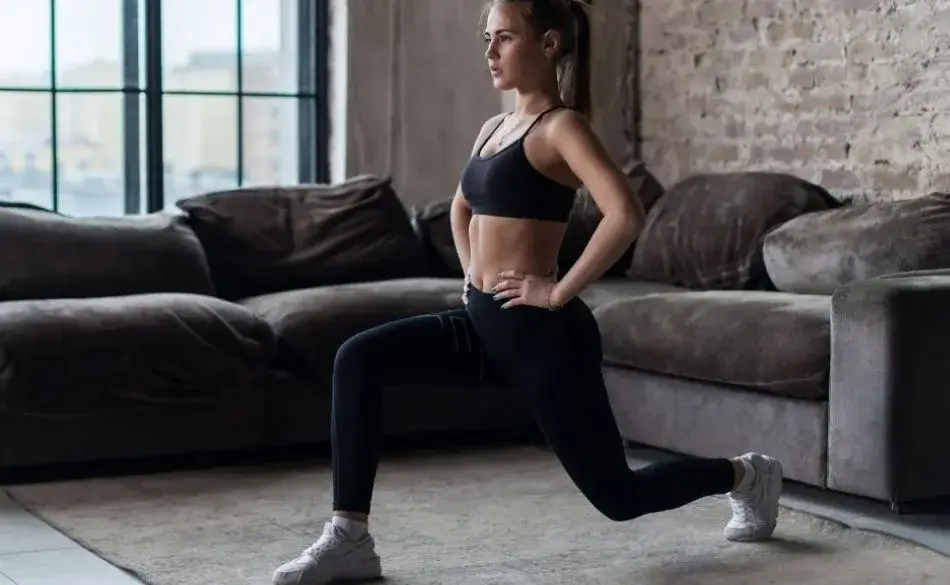
Woman performing Samson stretch for hip flexor mobility at home

Last updated:

The Samson Stretch: How to Do It, Benefits, Variations & When to Use It

The Samson stretch is one of the most efficient stretches in fitness — a single position that opens tight hip flexors, stretches the quads and hamstrings, mobilises the thoracic spine, and opens the chest and shoulders. It takes 30 seconds per side and addresses the exact muscles that tighten from sitting, running, and cycling. Whether you use it as a warm-up, cool-down, or standalone mobility drill, here's the complete guide to doing it properly and getting the most from it.

Chat with a SportCoaching coach

Not sure where to start with training?

Tell us your goal and schedule, and we’ll give you clear direction.

No obligation. Quick, practical advice.

Article Categories:

Explore our fitness training articles for more helpful articles and resources.

Quick Answer

The Samson stretch is a deep lunge with an overhead arm reach. It stretches the hip flexors, quads, chest, and shoulders simultaneously. Hold 20–45 seconds per side. Use it as a warm-up before running/cycling, as a cool-down, or as a standalone hip mobility drill. It’s especially valuable for runners and desk workers with tight hip flexors.

How to Do the Samson Stretch: Step-by-Step

1. Stand tall with feet hip-width apart. Brace your core lightly.

2. Step your right foot forward into a long lunge. Lower your left knee to the ground. Your right shin should be vertical — knee directly over ankle.

3. Interlace your fingers and press both hands toward the ceiling, arms straight. Biceps should be beside (or slightly behind) your ears.

4. Tuck your pelvis slightly (posterior tilt) and drive your hips forward. This is where the hip flexor stretch happens — you should feel a deep stretch through the front of the left hip and thigh.

5. Keep your chest tall, shoulders down (not shrugging), and gaze forward. Breathe slowly — each exhale allows you to sink a little deeper into the stretch.

6. Hold for 20–45 seconds, then switch sides.

Key coaching cue: The stretch comes from driving the hips forward while keeping the torso upright — not from leaning backward. If you feel the stretch in your lower back rather than the front of your hip, you’ve lost the pelvic tilt. Reset, tuck the pelvis, squeeze the glute of the trailing leg, and try again.

Muscles Stretched and Activated

👉 Swipe to view full table

MuscleRoleWhere You Feel It
Psoas (hip flexor)Primary stretch — lengthened by hip extension on the trailing legDeep in the front of the hip on the kneeling side
IliacusStretched alongside the psoasFront of the hip, slightly lower than psoas
Rectus femoris (quad)Stretched as the knee is flexed and hip extendedFront of the thigh on the kneeling side
HamstringsLight stretch on the front legBack of the front thigh
Chest (pectorals)Opened by the overhead reachAcross the chest and front of the shoulders
Shoulders (anterior deltoid)Stretched by the overhead positionFront of the shoulders
Thoracic spineExtended by the upright posture + reachUpper back opening
Core (isometric)Stabilises the upright positionEngaged throughout — prevents lower back arching
Glutes (isometric)Squeezing the trailing leg's glute deepens the hip flexor stretchGlute of the kneeling leg

The psoas is the star of this stretch — and the muscle most responsible for “tight hips” in runners, cyclists, and desk workers. Research has found that improvements in hip flexor length are directly associated with reductions in lower back pain, because the psoas originates from the lumbar spine. When it’s chronically shortened, it pulls the pelvis into an anterior tilt, compressing the lower back. The Samson stretch is one of the most effective ways to address this. For dedicated psoas-specific work, pair the Samson stretch with psoas marches and hip flexor strengthening.

5 Samson Stretch Variations

👉 Swipe to view full table

VariationHow It DiffersBest For
1. Static Samson (standard)Hold the lunge position for 20–45 sec per sideCool-downs, flexibility work, standalone mobility
2. Dynamic Samson (walking lunges)Alternate lunging forward with the overhead reach, moving across the floorWarm-ups, CrossFit, pre-run activation
3. Samson with lateral leanFrom the standard position, lean your torso to the side of the front legAdds oblique and QL (quadratus lumborum) stretch. Great for runners.
4. Samson with rear shoulder openerInstead of hands overhead, clasp hands behind your back and lift chestOpens chest and anterior shoulders. Excellent for cyclists with rounded posture.
5. Elevated Samson (rear foot on bench)Place the top of the trailing foot on a bench behind you, then reach overheadDeepens the quad and hip flexor stretch significantly. Advanced variation.

Start with the static version (variation 1) until your form is solid — especially the pelvic tilt and glute squeeze. Then add the dynamic version to warm-ups and the lateral lean or shoulder opener for sport-specific needs. The runner’s lunge is a close cousin — the key difference is the Samson stretch adds the overhead reach, which extends the stretch through the entire anterior chain from fingertips to hip flexor.

When to Use the Samson Stretch

Before Running

Use the dynamic Samson (variation 2) as part of your pre-run warm-up: 5–6 walking Samson lunges per side. This activates the glutes, opens the hip flexors, and mobilises the thoracic spine — all of which improve stride quality from the first kilometre. Runners with tight hips from desk work particularly benefit. Include it alongside other mobility drills for runners.

After Running or Cycling

Use the static Samson (variation 1) in your cool-down routine. Hold 30–45 seconds per side. Running shortens the hip flexors over thousands of strides; cycling locks them in a flexed position for hours. The Samson stretch reverses both. It’s one of the most valuable stretches in a 15-minute stretching routine.

At Your Desk

If you sit for 8+ hours, your hip flexors are shortened for the majority of the day. Two Samson stretches per side (30 seconds each) every 2–3 hours counteracts this. You don’t need to change clothes or go to a gym — just find a quiet spot and lunge. This is one of the simplest interventions for the lower back pain and hip tightness that plagues desk workers.

For Injury Prevention

Tight hip flexors contribute to a range of running injuries including TFL pain, lower back strain, and anterior pelvic tilt (which overloads the hamstrings). The Samson stretch addresses the root cause — shortened psoas and rectus femoris — rather than treating the symptoms downstream. Include it 3–5 times per week for best results.

Common Mistakes

Arching the lower back instead of driving the hips forward. This is the #1 mistake. If your lower back arches, you’re not stretching the hip flexor — you’re compressing your lumbar spine. Fix: tuck the pelvis (think “belt buckle toward chin”) and squeeze the glute of the kneeling leg.

Front knee drifting past the ankle. Your front shin should be vertical. If the knee pushes too far forward, the stretch shifts to the knee joint rather than the hip flexor, and you risk patellar strain.

Shrugging the shoulders during the overhead reach. Your shoulders should be down and back, not up near your ears. Think “long neck” as you reach overhead. If shoulder mobility limits the overhead position, keep hands on hips instead — the hip flexor stretch is the priority.

Rushing through it. A 5-second Samson stretch achieves very little. The hip flexor needs sustained tension to lengthen. Minimum 20 seconds for warm-ups, 30–45 seconds for flexibility work. Breathe slowly and let gravity do the work.

Forgetting the trailing leg’s glute. Actively squeezing the glute of the kneeling leg creates reciprocal inhibition — it signals the opposing hip flexor to relax deeper into the stretch. This is the single most effective cue for deepening the Samson stretch.

FAQ: The Samson Stretch

What is the Samson stretch?
A deep lunge with an overhead arm reach that stretches the hip flexors, quads, chest, and shoulders simultaneously. Named possibly after the biblical figure Samson.

What muscles does it stretch?
Primary: psoas, iliacus, rectus femoris (hip flexors/quads). Secondary: hamstrings, chest, shoulders, thoracic spine. Stabilisers: core, glutes.

How long should I hold it?
Warm-up: 15–20 sec or dynamic. Cool-down: 30–45 sec. Flexibility work: 45–60 sec. Quality of position matters more than duration.

Is it good for runners?
Excellent. Directly targets the psoas and rectus femoris — the two hip flexors most shortened in runners. Improves stride length, reduces lower back strain.

What’s the difference between a Samson stretch and a runner’s lunge?
The Samson stretch adds an overhead reach, extending the stretch through the core, chest, and shoulders. A runner’s lunge typically keeps hands lower.

The One Stretch That Does Almost Everything

Most stretches target one muscle group. The Samson stretch targets six. It opens the hip flexors that shorten from sitting. It stretches the quads that tighten from running. It mobilises the thoracic spine that rounds from cycling. It opens the chest and shoulders that collapse from desk work. And it engages the core and glutes that need activation before any workout. All in 30 seconds per side, with no equipment, anywhere you have enough floor space to lunge. If you only have time for one stretch in your day, make it this one.

Mobility Built Into Every Training Week

Our coaching programmes include mobility and stretching alongside your running, cycling, or triathlon training — because flexible, mobile athletes get injured less and perform better.

Start Coaching →

Graeme - Head Coach and Founder of SportCoaching

Graeme

Head Coach & Founder, SportCoaching

Graeme is the founder of SportCoaching and has coached more than 750 athletes from 20 countries, from beginners to Olympians, in cycling, running, triathlon, mountain biking, boxing, and skiing. His coaching philosophy and methods form the foundation of SportCoaching's training programs and resources.

750+
Athletes
20+
Countries
7
Sports
Olympic
Level

Start Your Fitness Journey with SportCoaching

No matter your goals, SportCoaching offers tailored training plans to suit your needs. Whether you’re preparing for a race, tackling long distances, or simply improving your fitness, our expert coaches provide structured guidance to help you reach your full potential.

  • Custom Training Plans: Designed to match your fitness level and goals.
  • Expert Coaching: Work with experienced coaches who understand endurance training.
  • Performance Monitoring: Track progress and adjust your plan for maximum improvement.
  • Flexible Coaching Options: Online and in-person coaching for all levels of athletes.
Learn More →

Choose Your Next Event

Browse upcoming Australian running, cycling, and triathlon events in one place. Filter by sport, check dates quickly, and plan your training around something real on the calendar.

View Event Calendar