Why Your Feet Slap The Ground When You Run
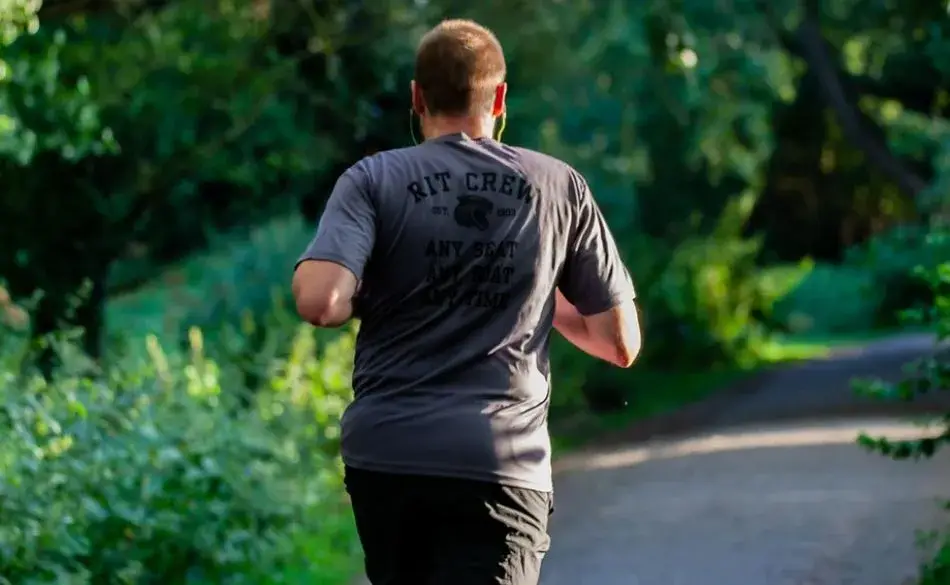
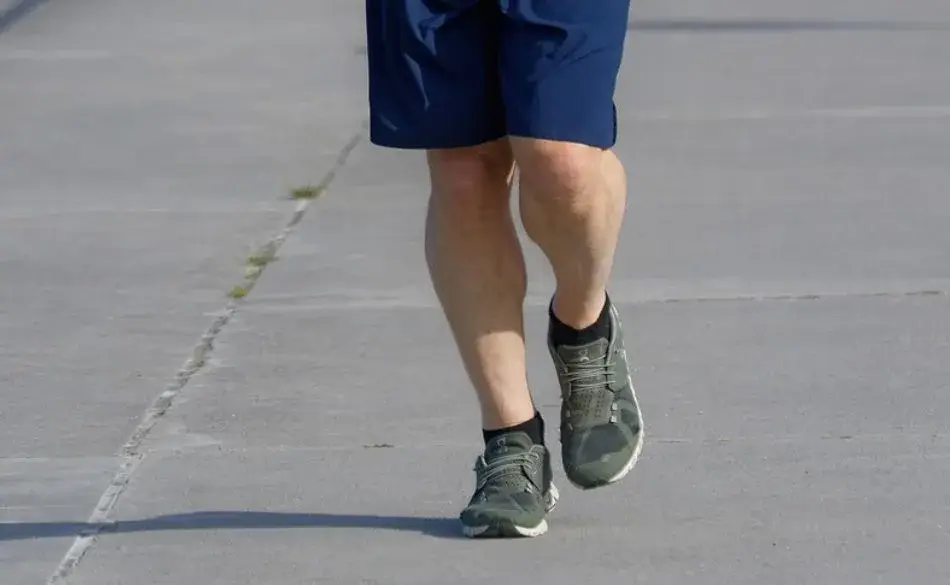
When your feet slap the ground while running, it often feels like your body is out of sync. You hear the sound first. Then you feel the jolt through your legs. This is your body telling you that something in your stride is not working smoothly. The most common reason is a simple breakdown in your running foot strike pattern, which affects how your foot meets the ground and how your body absorbs impact.
Sometimes the problem starts with overstriding, which means your foot lands too far in front of your body. When that happens, your leg cannot pull back smoothly and your foot crashes down instead of rolling forward. Other times the issue comes from a weak tibialis anterior, the small muscle on the front of your shin that helps lift your toes. If it tires or has not been trained enough, your foot drops sooner than it should, which creates that loud slapping sound.
One of my coaching clients struggled with this for years. He told me he felt like a heavy runner even though he was fit. When we looked at his stride during a running gait analysis, we noticed he reached forward with each step and his lower leg did most of the work. Once he shortened his stride and improved his running cadence, his feet stopped slapping in only a few weeks.
Here are some early signs that your body is slipping into foot slapping when running without you noticing it:
- You hear your footsteps long before you feel tired
- Your shins get tight during longer runs
- Your feet feel heavy or slow when you pick up the pace
- Your running partners say they can hear you coming
- You start wondering why do my feet slap the ground when running
When you understand these signals, you can catch the issue early and use simple habits to keep your stride smooth and steady. This is also the moment many runners begin looking at ways to stop feet from slapping when running and ways to build a smoother, more controlled stride. Small adjustments and simple habits often lead to a more quiet running technique that feels natural and steady.
If you want help improving your running technique, our Running Coaching program gives you personalised guidance to build better control, improve your form, and feel more confident with every step.
Many runners struggle with heavy or awkward landings because they’re unsure how to adjust their stride or strength work. We design plans that match your experience and help you move with more ease and consistency.
With expert support, you can develop smoother movement patterns, reduce impact, and enjoy running that feels natural and steady.
Get Expert Support →

What Your Running Form Says About Foot Slap
Your running form tells a story long before pain or injuries show up. When your feet slap the ground, your body is often trying to say that something is out of rhythm. The movement becomes sharp instead of smooth. You might feel the ground hit harder under one foot or notice your balance shift from side to side. These small signs help you understand what your stride is doing each time your foot lands.
A common pattern in runners with loud steps is a stiff lower leg that moves almost like a lever. Instead of rolling through the stride, the leg reaches forward and falls straight down. This makes the impact much louder and can turn your landing into a braking step. If you have ever wondered are loud footsteps bad when running, this is why they matter. The sound is a hint that your stride may be fighting against the ground instead of working with it.
Your body also relies heavily on timing. If your foot lands even a moment too early, the rest of your body has to catch up. This is often connected to a low running cadence or to landing ahead of your hips. Both issues make the landing sharper and increase the chance of foot slap running on longer or faster efforts.
Here are some common form mistakes that increase the chance of foot slapping and make your stride feel heavier:
- Landing on a straight leg that cannot absorb impact smoothly
- Letting your foot point upward for too long before it drops down
- Reaching forward with your foot instead of stepping under your hips
- Trying to push off too hard, which throws your timing off
- Running tall with little knee bend which limits your ability to roll forward
These small habits may feel harmless, but they create a pattern that slowly becomes louder, harder, and less efficient. You can learn more about reducing impact and protecting your joints by reading how to run without hurting your knees which explains simple ways to improve comfort and reduce stress during your runs.

How Strength And Mobility Influence Foot Slap
Your body relies on more than form when it comes to smooth running. Strength and mobility play a big role in how your foot lands and how quietly it moves through each step. If one area is weak or stiff, your stride has to find a way to work around it. This small change can turn a soft landing into a sharp and heavy one without you even noticing the shift at first.
One key factor is the strength of the muscles that lift your toes. When the weak tibialis anterior cannot keep up, your foot drops faster than it should. This drop makes the landing louder and increases the chance of foot slap on longer or harder running workouts. You may feel this as a quick thump on the ground before your body is ready to move forward.
Your calves and ankles also play a major part in how smoothly your foot rolls. When these areas are tight, your stride loses its natural forward flow. The landing becomes stiff, and even small imbalances make your steps sound heavier. Many runners who search how to stop feet from slapping when running discover that their mobility work has been missing for years.
Your hips support the movement above the knee, and weak hips can cause overreliance on the lower leg. This may lead to more overstriding and increase impact loading each time your foot hits the ground. Every part of your leg chain must work together if you want a smoother, more quiet running technique during both slow jogs and faster runs.
Here are some of the most common strength and mobility issues linked to foot slap:
- Weak muscles in the shin that tire quickly and let the foot drop early
- Tight calves that limit ankle movement and reduce natural rolling motion
- Stiff ankles that block smooth forward travel during landings
- Weak hips that push your stride forward instead of under your body
- Poor core control that causes extra movement in each step
As your muscles relax, the lower leg becomes more responsive. A relaxed lower leg allows the weak tibialis anterior to lift the foot with better control, slowing the drop during landing. This timing helps build a smoother and more quiet running technique over time. If you want to understand more about shin and lower-leg discomfort in running you can read why does your tibialis anterior hurt when running which explores causes and fixes for that muscle.


How Different Running Factors Increase Or Reduce Foot Slapping
Your feet do not slap the ground for one single reason. Several factors work together to shape how your stride looks and sounds. Surface type, shoe choice, muscle freshness, and even how focused you are can change how your foot moves through each step. When you understand these influences, it becomes much easier to stay in control and build a smoother and more quiet running technique.
Hard surfaces such as concrete amplify sound, so any small issue in your stride becomes more noticeable. Softer trails hide some of the noise, but they challenge balance and make your lower legs work harder. If the weak tibialis anterior cannot keep up, your foot may drop too quickly and create heavier landings on uneven ground. All of these differences can affect your running foot strike pattern more than you might expect.
Your shoes also play a major role. Minimal shoes demand more control from your lower legs, while cushioned shoes soften impact but can hide poor habits. Fatigue is another major factor. As you tire, your body shifts into patterns that feel easier but are less efficient. This often increases foot slap running and makes runners wonder why do my feet slap the ground when running especially late in workouts.
The table below compares how different running factors influence foot slap. These details help you understand what changes your body the most and which areas to focus on.
👉 Swipe to view full table
| Factor | How It Increases Foot Slap | How It Reduces Foot Slap |
|---|---|---|
| Running Surface | Hard surfaces amplify noise and reveal poor landing control. | Softer surfaces encourage a smoother roll and reduce sharp impacts. |
| Shoe Type | Minimal shoes require strong lower legs which may expose weaknesses. | Cushioned shoes soften impact and help develop a more quiet running technique. |
| Fatigue Levels | Lower leg muscles tire which increases the chance of foot slap running. | Fresh legs allow better timing and improve control during landing. |
| Cadence Control | A low running cadence increases stride length and impact noise. | Higher cadence promotes shorter steps and reduces overstriding running. |
| Lower Leg Strength | A weak tibialis anterior cannot hold the foot up long enough during landing. | Strong shin muscles improve landing control and reduce sudden foot drops. |
When you know how each factor changes your stride, you can adjust your training to gain more control. Small changes in surface, shoes, cadence, and strength work together to create a lighter and smoother landing pattern that feels natural and steady.


How To Train Your Stride To Prevent Foot Slapping
Training your stride to prevent foot slap is not as hard as it seems. Small, steady changes can improve how your foot lands and how smoothly your body moves from step to step. The goal is to help your leg roll through each stride instead of dropping down with a sharp and loud motion. When you focus on the right habits, your stride becomes lighter and more natural.
One of the most effective steps is learning to shorten your stride. When you land closer to your hips, your leg can pull back with more control. This reduces the chance of overstriding and helps your foot meet the ground with a smoother touch. Many runners notice immediate improvement once they pay attention to where their foot lands.
Improving your running cadence also helps. A quicker rhythm encourages shorter, cleaner steps that roll forward instead of slapping downward. If you have ever tried counting your steps for a minute during an easy jog, you might notice how your stride changes when the rhythm increases. This extra awareness guides your body into a more efficient pattern.
Strength work is another key part of training your stride. When the weak tibialis anterior becomes stronger, it can hold the foot up longer and slow the drop during landing. This shift in timing reduces foot slap and encourages a more steady landing. Runners who take time to build lower leg strength often see fast improvements even without changing their speed.
Your overall technique also benefits from better rhythm and control. When you feel more connected with each step, your body begins to move in a smoother flow. This shift makes your landings quieter and feels much more like a natural roll. Many runners begin to feel proud of how silent their stride becomes, especially when they develop a more quiet running technique during both slow runs and harder workouts.

How Your Balance And Posture Influence Foot Slap
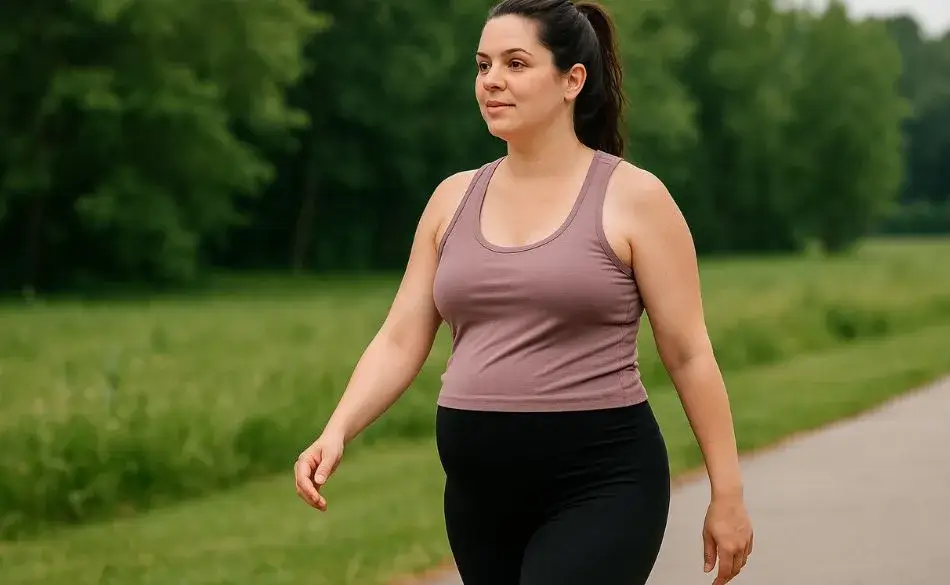
Your balance and posture play a much bigger role in foot slap than most runners realise. When your body is slightly out of alignment, even by a small amount, the landing becomes louder and less controlled. This shift changes how your foot reaches for the ground and affects the timing of your running foot strike pattern.
When you lean too far back, your foot tends to land in front of your body. This often leads to overstriding because your leg tries to catch your weight before it moves forward. The farther your foot reaches, the harder it lands. This creates the sharp sound many runners hear when they begin to get tired or lose focus.
A forward lean that is too strong can also make your steps heavier. Your legs rush to keep up, and the foot hits the ground before the muscles are ready. This can turn into foot slap during long or fast sessions when fatigue builds.
Your core also plays a role in keeping your stride stable. When your core is relaxed or not engaged, your hips shift more from side to side. This creates extra movement, and the lower leg has to do more work to keep you steady. That work makes it harder for the weak tibialis anterior to hold the foot up long enough for a smooth landing.
Improving posture does not mean standing tall and rigid. It means finding a gentle forward lean from the ankles so the body moves as one piece. When you feel aligned, your stride becomes smoother, your running cadence becomes more consistent, and your landings are quieter. Many runners find that simply thinking about “leaning with the whole body” leads to a more quiet running technique that feels natural and effortless.
As your posture improves, your stride begins to fall into place. The foot lands closer to your center, and the ground contact feels lighter and more controlled. This shift alone can reduce foot slap more than you might expect, and you can learn more about building smoother form for longer distances by reading best running form for long distance success which explains how good posture supports steady and efficient movement.
How Breathing And Relaxation Reduce Heavy Footsteps
Breathing and relaxation might not seem connected to foot slap, but they influence your stride more than you realise. When you tense your shoulders, clench your jaw, or hold your breath, your entire body tightens. This tension travels down your legs and changes how your foot meets the ground.
Tight upper body muscles can cause your stride to become stiff. A stiff stride often leads to a harder landing and increases the chance of foot slapping when you run. Runners who wonder why do my feet slap the ground when running sometimes discover that their upper body is doing more work than their legs.
Steady breathing helps your body relax and keeps your movements loose. When your breathing is smooth, your legs follow the rhythm. Your stride becomes more flexible, and your foot can roll through the landing with better timing. This small change can improve your foot strike pattern without even thinking about your form.
Relaxation also helps improve your cadence. When your body feels calm, your steps become lighter, quicker, and more natural. This reduces the risk of overstriding when running and keeps your foot closer to your center of mass.
Learning to breathe deeply and stay loose during your run may seem simple, but it has a powerful effect on your stride. When your body stays relaxed, your landings grow softer, your movements feel easier, and your running becomes more enjoyable. For more on breathing during your stride check out best breathing techniques while running which offers simple methods to keep you relaxed and efficient on your feet.


Why Consistent Practice Makes Your Stride Quiet And Controlled
Long term improvements come from simple habits you repeat often. Fixing foot slap is not about one drill or one workout. It is about shaping your stride step by step until the movement becomes natural. When you build habits that support good timing and better lower leg control, your foot begins to land softly without extra thought.
One helpful habit is checking your running cadence at the start of each run. Even a quick count helps you begin with the right rhythm. A steady rhythm lowers the chance of your stride being too long and encourages smooth landings. Over time, your stride becomes lighter and feels more automatic.
Strength work also becomes a habit when it fits into your weekly routine. When the tibialis anterior grows stronger, your foot stays lifted longer during each stride. This reduces the chance of foot slap during a run, especially during long runs or tired moments. Many runners feel the difference within weeks of consistent training.
Regular form check ins also help. A small pause to observe how your body feels can reveal changes in posture, balance, or timing. If something feels off, you can adjust early instead of waiting for your foot to slap harder. This awareness improves your foot landing and keeps your movements smooth.
As these habits grow, you begin to trust your technique. A more stable body creates a more quiet running technique that stays with you no matter the distance or speed. These little habits protect your stride and make every run feel more controlled and comfortable.
If you are beginning your running journey and want clear steps to move forward with confidence, our Getting Started Guide shows you how to build good habits from day one. It covers easy ways to improve your form, control your stride, and enjoy running without feeling overwhelmed.
Many new runners struggle because they try to do too much too soon. This guide breaks everything into simple, manageable steps so you can progress at your own pace.
With the right foundations, you will feel more comfortable, more confident, and more in control each time you head out the door.
Start Your Journey →

Finding A Softer Quieter More Confident Stride
Running feels so much better when your body moves in a smooth flow. When your foot lands softly and your stride feels connected, every step becomes easier. Working on your timing, strength, and technique gives you the control you need to prevent foot slap from returning.
The more you practice these habits, the more natural they feel. Your stride begins to fall into rhythm, your running cadence becomes more steady, and your landings grow quieter with each run. These changes help you build a style that feels effortless and confident no matter how far you go.
If you want more support as you improve your running foot strike pattern or want guidance on how to stop overstriding when running, personalised coaching can make a big difference. At SportCoaching, you can get custom plans that help you grow stronger, fix form issues, and develop a more quiet running technique that lasts.
You are capable of building a stride that feels light, controlled, and comfortable. With simple habits and steady progress, your feet can move with the ground instead of fighting against it. Keep practicing, stay patient, and trust the process. Your best running is still ahead of you.