
As an Amazon Associate, SportCoaching earns from qualifying purchases.





As an Amazon Associate, SportCoaching earns from qualifying purchases.
 Coach Graeme
Last updated:
Not sure where to start with training?
Tell us your goal and schedule, and we’ll give you clear direction.
No obligation. Quick, practical advice.
Explore our running fitness resources for more helpful articles and resources.
Your feet are built to absorb impact, but sometimes the pressure builds up in the wrong place.
The metatarsals are the long bones in the front of your foot, just behind your toes. When you run, especially on hard surfaces, these bones take a pounding. If that pressure isn’t distributed evenly (because of poor shoes, weak foot muscles, or even tight calves) it can lead to metatarsalgia.
So what’s really behind this pain?
One of the biggest culprits is worn-out or unsupportive shoes. If your footwear doesn’t offer enough forefoot cushioning, the front of your foot absorbs too much shock. Over time, this leads to soreness, swelling, and sometimes sharp or burning pain under the ball of your foot.
I remember lacing up for a 10K once with a pair of flashy, lightweight shoes that had almost no padding under the forefoot. By mile five, it felt like someone was jabbing a pencil under my second toe. That run taught me the hard way: looks don’t matter if your feet are screaming.
Another issue is lack of arch support. When your arch collapses even slightly with every step, it shifts pressure forward onto the metatarsals. This is especially common if you overpronate (when your foot rolls inward too much).
Running form also plays a role. Landing too far forward on your toes without letting your heel touch the ground can increase forefoot stress. Speed workouts, hill repeats, and worn insoles only add to the strain.
Here’s the thing. Metatarsal pain rarely improves without changes. That’s where the right shoes come in.
The best running shoes for metatarsal pain help realign your foot, spread out pressure, and give you cushioning right where you need it. Think of them like shock absorbers for your stride.
Want to dive deeper? Check out our guide on Foot Pain After Jogging, which covers common causes like metatarsalgia and offers recovery tips.
In the next section, we’ll dive into exactly what features to look for in shoes for metatarsalgia relief so you don’t keep making the same painful mistakes.
If you’re dealing with forefoot pain, not just any running shoe will do. You need a pair that works with your foot, not against it.
So what should you look for? Start with cushioning. Specifically, forefoot cushioning. The front of the shoe should have enough padding to absorb impact without feeling mushy. You want support that protects your metatarsals but still allows for a natural push-off.
Next, check the toe box. Tight or narrow shoes can compress your toes and increase pressure across the ball of your foot. The best wide toe box running shoes for metatarsalgia give your toes space to splay and move. This relieves stress, improves balance, and helps prevent pain from building with every step.
Another key is the drop of the shoe. This is the difference in height between the heel and forefoot. Lower drops (especially zero drop shoes for forefoot pain) can reduce pressure on the metatarsals by promoting a more natural landing. But they aren’t for everyone. If you’re new to zero-drop shoes, ease into them slowly to avoid calf or Achilles issues.
Don’t forget about arch support. A good shoe should match your foot’s shape. Flat feet might need structured support, while high arches may require more flexible cushioning. Either way, keeping your arch supported helps distribute weight evenly and keeps pressure off the front of your foot.
Finally, look at overall structure. Lightweight shoes can be great, but only if they still provide support. A floppier shoe might feel fast but may not offer the stability your forefoot needs over long miles.
Here’s a quick insider tip. Test your shoes by pressing your thumb into the ball-of-foot area. If it feels too firm or too thin, it might not give your metatarsals the relief they need.
In the next section, we’ll explore which specific models stand out as the best running shoes for metatarsal pain, based on real-world use and expert testing.
As an Amazon Associate, SportCoaching earns from qualifying purchases.
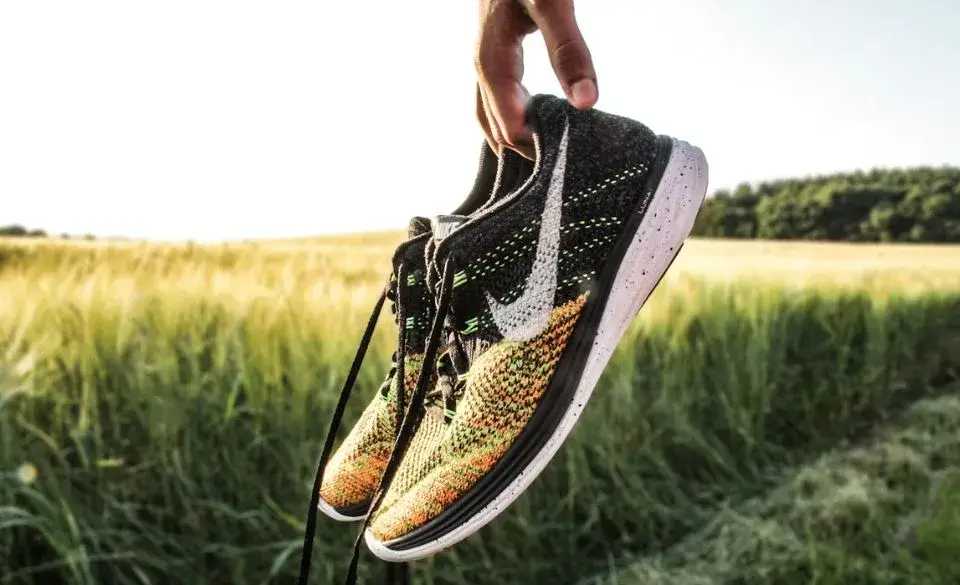
After testing dozens of pairs, talking with podiatrists, and hearing from runners with real foot issues, a few models consistently rise to the top. These are the best running shoes for metatarsal pain because they combine cushioning, structure, and toe room without overcomplicating things.
1. Hoka Bondi 8
This shoe is a favorite among distance runners with foot pain. Its thick cushioning feels like a pillow under the forefoot. The rocker bottom helps move you forward without putting too much pressure on your metatarsals. I wore these during my recovery weeks, and they honestly made walking feel therapeutic.
2. Altra Torin 7
With a zero drop platform and a naturally shaped toe box, this shoe mimics barefoot form while still providing serious cushion. It’s one of the top choices if you want zero drop shoes for forefoot pain and plenty of space for your toes to breathe. Fair warning: go slow if you’re not used to zero drop. Your calves will thank you.
3. Brooks Ghost 15
This shoe offers a perfect balance of comfort and structure. With a segmented crash pad and balanced arch support, it’s great for daily runs and recovery miles. Many runners say it’s one of the best running shoes with metatarsal support, especially if you need something neutral but reliable.
4. New Balance Fresh Foam X 1080v13
A wide toe box, plush cushioning, and a snug heel make this a top pick for people needing shoes for runners with foot pain. It’s especially helpful for those who feel pressure under the second or third toe joints.
Still unsure which to pick? Try them on in-store and jog around. Your feet will let you know which one feels “right.” You’re not just buying shoes, you’re buying miles without pain.
Up next, let’s talk about how your running style can affect your forefoot pain, and what adjustments can make your shoes work even better.
Here’s the truth. Your shoes might be great, but if your form is off, your feet can still suffer.
Your running form plays a huge role in how much pressure you put on your metatarsals. Even the best running shoes for metatarsal pain can’t fully protect you if you’re landing too hard on your toes or not letting your foot move naturally.
One common mistake? Landing on the balls of your feet too aggressively. This puts a direct load on your forefoot, especially if you’re doing a lot of speedwork or hill repeats. It’s like hitting the brakes with your toes every time you land.
Instead, try to let your foot roll smoothly from heel to toe. This helps spread impact across your whole foot, not just the front. Think of it like spreading peanut butter on toast, you want even coverage, not a glob in one corner.
Another issue is overstriding. That’s when your foot lands too far in front of your body. It increases braking forces and slams your forefoot into the ground. A better approach? Keep your cadence quick and your stride short. Your feet should land under your hips, not out in front like you’re leaping hurdles.
I learned this after reviewing a video of my own gait. I thought I was running light and fast. In reality? I looked like I was stomping the ground with every step. After a few weeks of form drills and slowing down my easy runs, the pressure in my forefoot started to fade.
Also, check your posture. Running hunched forward can shift weight onto the front of your feet. Stand tall, engage your core, and keep your gaze ahead. Not at your shoes.
Form isn’t everything, but it matters more than most runners think. Pairing good form with running shoes for forefoot pain is a powerful combo that protects your body mile after mile.
Next, let’s look at how to choose the right shoe based on your specific running style and foot shape.
Not every runner needs the same shoe and not every shoe solves the same problem.
If you want lasting relief, the best thing you can do is match your shoes to your feet and how you run. Think of it like finding the right pair of glasses. Sure, they all help you see, but only the right lens works for your eyes.
Start with your foot shape. Do you have high arches, flat feet, or something in between? High arches usually need more cushioning to help absorb shock, while flatter feet benefit from shoes with built-in stability and arch support.
If you’re not sure, check your wet footprint or visit a running store for a gait analysis. Many will let you hop on a treadmill and record your stride. It’s eye-opening and honestly, kind of fun to see how your feet behave mid-run.
Next, consider where and how you run. Are you logging daily miles on pavement? Training for a race? Dealing with old injuries? These all affect your shoe needs.
Also think about your goals. Are you trying to run longer? Recover from injury? Run faster? Your shoe choice should reflect what matters most to you right now. Not just what looks cool or what your training buddy wears.
When you find the shoe that supports your stride, relieves your pain, and matches your goals? Running becomes something you look forward to again.
If you’re sidelined or cross-training, you might find our article on Cycling With a Broken Metatarsal helpful. It covers recovery-based footwear and makes cycling feel accessible during tough weeks.
Even the best running shoes with metatarsal support need help from smart habits. Here are a few real-world tricks that go beyond the basics and could make a big difference.
1. Rotate Your Shoes
Wearing the same pair every day compresses the cushioning and speeds up wear. Alternate between two or three pairs to extend lifespan and keep your feet guessing (in a good way).
2. Warm Up Your Feet
Most runners stretch their calves or quads but ignore their feet. Roll a tennis ball under your arch and forefoot for 1–2 minutes before heading out. It stimulates blood flow and loosens tight tissues around the metatarsals.
3. Use Toe Spacers After Runs
Metatarsal pressure often comes from cramped toes. Silicone toe spacers worn post-run can help decompress the area and realign your foot structure over time.
4. Watch Your Socks
Thick, padded socks can actually increase forefoot pressure if they bunch up inside your shoe. Look for thin, seamless socks with light compression. Especially if you’re wearing shoes that reduce pressure on the metatarsals.
5. Take Downhills Carefully
Running downhill shifts your body weight forward and puts extra strain on the forefoot. Shorten your stride and lean slightly back to reduce that impact. Your metatarsals will thank you.
Little things add up. Don’t wait for the pain to get worse. Start layering in habits that keep your feet resilient and ready.
Want a cross-sport perspective? Our piece on Metatarsalgia Pain in Cycling breaks down how similar pain shows up on the bike and what that teaches us about foot care.
As an Amazon Associate, SportCoaching earns from qualifying purchases.
When it comes to foot pain, not all cushioning is created equal.
Some shoes feel like walking on clouds. Others feel firm and springy. So which one’s better for your metatarsals? It depends on your stride, goals, and what kind of ground you’re pounding.
Here’s a side-by-side look at popular cushioning types used in the best running shoes for metatarsal pain and how they stack up:
👉 Swipe to view full table
| Cushioning Type | Feel | Best For | Example Shoe |
|---|---|---|---|
| Plush Foam (e.g. EVA) | Soft, pillow-like | Forefoot pain relief and long runs | Hoka Bondi 8 |
| Responsive Foam | Balanced cushion with bounce | Daily training and tempo runs | Brooks Ghost 15 |
| Dual-Density Foam | Firm and soft zones | Stability and motion control | Asics Gel Kayano 30 |
| Zero-Drop Cushioning | Even under heel and toe | Natural runners and forefoot landing | Altra Torin 7 |
If you tend to land hard on the front of your foot, go with something plush. If you want more energy return, choose a responsive foam. Still unsure? Try walking in them barefoot, you’ll feel right away whether the forefoot support is there or not.
A study in the Journal of Foot and Ankle Research found that forefoot cushioning orthoses reduce peak pressure under the metatarsal heads significantly more than metatarsal pads during running. Highlighting the importance of padded midsoles for metatarsal pain source.
If you’ve been battling foot pain every time you lace up, know this – you’re not alone, and you’re not stuck.
Metatarsal pain can be frustrating, limiting, and honestly kind of disheartening. But the right shoes, paired with a little knowledge and self-care, can give you back the miles you’ve been missing.
Whether you’re a seasoned marathoner or just starting your running journey, choosing the best running shoes for metatarsal pain is one of the smartest moves you can make. Your feet deserve support. Your stride deserves comfort. And you deserve to run without fear of that familiar burning ache coming back.
As someone who’s hobbled through enough painful runs to learn the hard way, here’s what I’ll leave you with – listen to your feet. They’ll tell you when something’s off. And when they’re happy? Your whole run feels better.
So take a deep breath. Take your time choosing the right shoe. Try them on. Ask questions. And don’t settle for anything that doesn’t feel like a step forward.
Head Coach
Graeme has coached more than 750 athletes from 20 countries, from beginners to Olympians in cycling, running, triathlon, mountain biking, boxing, and skiing.
No matter your goals, SportCoaching offers tailored training plans to suit your needs. Whether you’re preparing for a race, tackling long distances, or simply improving your fitness, our expert coaches provide structured guidance to help you reach your full potential.
Smart, progressive training from 5km to marathon with weekly guidance.
What’s included
Choose your plan to get started with personalized training plans designed to help you reach your goals.
Get consistent feedback, ongoing plan adjustments, and direct support from a coach who understands your training, your data, and your goals.
Prefer to chat? Talk with a coach now →


Minna Backman
When you’re new, feedback is especially important, and Graeme is highly skilled at both analyzing numbers and understanding the importance of mental strength.