Building Your First Triathlon Training Plan
When you’re starting out, it’s tempting to just swim, bike, and run randomly. But here’s the thing: without a structured plan, it’s easy to overtrain or miss key skills. Your first triathlon training plan should balance endurance, technique, and recovery. Think of it as a roadmap guiding you from today to race day.
Most beginners train 4–6 days per week, spreading sessions across all three sports. The goal isn’t to become elite, it’s to build consistency. A sprint triathlon usually takes 1–2 hours, so your training should mimic that with manageable workouts. One swim, two bike rides, and two runs each week is a good starting point.
A common mistake is ignoring recovery. If you push too hard, fatigue builds up and progress stalls. Schedule at least one full rest day per week. Shorter workouts at an “easy” pace are just as valuable as harder ones because they train your aerobic base without burning you out.
You’ll also want to practice brick workouts, where you bike and then immediately run. These sessions prepare your legs for the strange, heavy feeling you’ll experience on race day. Even short bricks, like a 30-minute bike followed by a 10-minute run, make a big difference.
Ask yourself: what’s your biggest weakness? Maybe it’s swimming in open water, running off the bike, or managing transitions. Focus your plan around improving that area. A good training plan isn’t just a calendar, it’s a tool that builds confidence.
Tip: Don’t copy a pro’s routine. I once coached an athlete who tried following an professional plan for his first sprint triathlon. Within weeks, he was exhausted. When we switched him to a beginner-friendly schedule, his energy and excitement returned and he finished his race strong.
Want a full 12-week sprint training framework to guide you from start to finish? Check out our Beginner Sprint Triathlon Plan: 12-Week Training Guide for a clear, step-by-step path to race day.
If you’ve completed your first triathlon and now you’re looking to boost your speed and efficiency across swim, bike, and run, our Sprint Distance Triathlon Training Plan is here to guide you. Designed specifically for athletes transitioning from “just finishing” to “finishing faster and smarter,” it packs smart structure with beginner-friendly coaching.
- ✅ Focused workouts to sharpen your swim technique and open water confidence
- ✅ Bike and run workouts aimed at building power, pacing, and speed
- ✅ Includes a 1-hour coach consultation to optimize the plan for your schedule and goals
💡 Leverage the momentum from your first triathlon and level up with a plan built to make you faster and more confident.
Explore Sprint Distance Plan
Choosing the Right Gear for Your First Triathlon
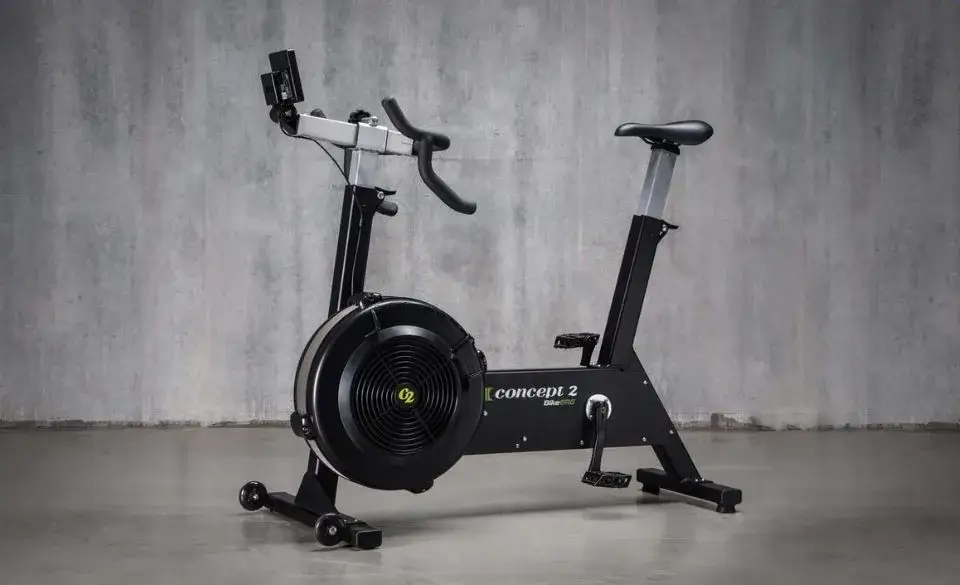
When it comes to your first triathlon gear checklist, it’s easy to overthink things. Beginners often imagine they need the most expensive bike or a professional-level wetsuit. The truth is, you only need a few key items to race comfortably and safely.
The essentials are simple: a reliable bike, a helmet, running shoes, goggles, and a tri-suit or fitted clothing that dries quickly. Many athletes start with the bike they already own. As long as it’s safe and tuned, it will carry you across the distance just fine. Later, when you’ve caught the triathlon bug, you can invest in upgrades.
For the swim, a basic pair of goggles that fit well is more important than anything fancy. If your event allows wetsuits and the water is cold, renting one is a smart option. It gives you buoyancy and warmth without committing to a big purchase.
On the run, choose shoes that match your needs. Don’t worry about buying the trendiest model. Comfort, fit, and support matter far more. If you’re unsure, get fitted at a local running store, they’ll help you avoid injuries and find the right pair for your stride.
Here’s a quick gear breakdown for first-timers:
- Swim: Goggles, swim cap (usually provided), optional wetsuit
- Bike: Road, hybrid, or mountain bike in safe condition, helmet
- Run: Comfortable running shoes, breathable socks
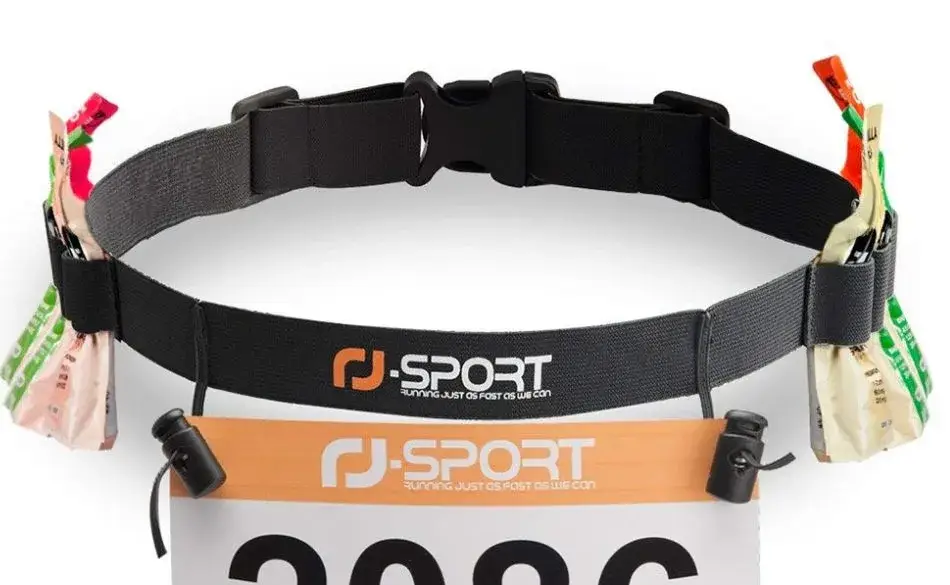
- Transitions: Towel, race belt, and a water bottle
One of my athletes once borrowed a friend’s bike for his first sprint triathlon. It wasn’t flashy (it even had a bell still attached) but he focused on training with what he had. He finished smiling and motivated to do more. Remember, it’s not about looking like a pro; it’s about enjoying the race and learning from the experience.
If you’re starting from scratch (literally the couch) don’t worry. Check out our Couch to Triathlon: Beginner’s Guide for a step-by-step plan that takes you from zero to race-ready in a simple, approachable way.
If your first triathlon lit a fire in you and now you’re dreaming of taking the next step, our Beginner Half Ironman Training Plan is designed just for you. It builds on the foundation you’ve created—swim, bike, run—with a clear, confidence-building structure tailored to your level.
- ✅ Personalized training to fit your fitness, lifestyle, and schedule
- ✅ Structured swim, bike, and run workouts with pacing, heart rate, or RPE guidance
- ✅ Includes a 1-hour consultation to align with your goals and boost confidence
💡 Take the momentum from your first triathlon across the 70.3 finish line—confident, prepared, and ready to grow.
Explore the 70.3 Training Plan

Mastering Open Water Swimming for Your First Triathlon
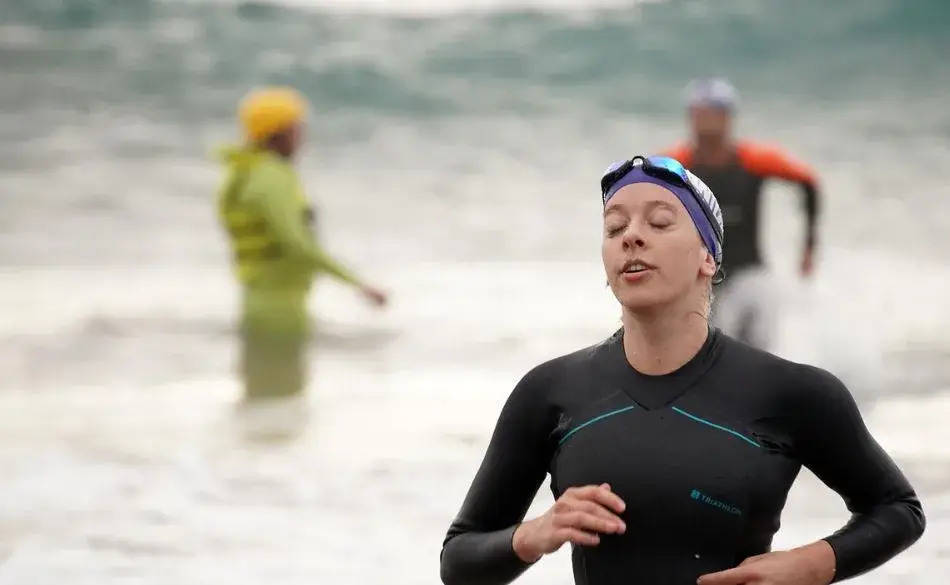
For many beginners, the open water swim is the most intimidating part of their first triathlon. Pools feel predictable (clear lanes, calm water, and walls to rest against). Open water is a completely different experience. Waves, murky visibility, and swimming close to dozens of other athletes can feel overwhelming at first.
The key is practice. If your race includes open water, try to train in similar conditions at least a few times before race day. Even short sessions help your body adapt to cooler temperatures, unfamiliar currents, and the sensation of swimming without walls. Start slowly and focus on building confidence.
One insider tip is to practice sighting. In a pool, you swim straight automatically. In open water, you need to lift your head every few strokes to stay on course. Pick a landmark, like a buoy or a tree on shore, and use it to guide your line. It’s not about perfect technique, it’s about staying calm and efficient.
Another trick is to manage your breathing. Many first-timers panic when water splashes in their face. Try exhaling steadily under the water and inhaling smoothly to the side, even when waves are choppy. The more you practice, the more natural it will feel.
Before your race, ask yourself: how do you handle the unexpected? Open water teaches you to stay adaptable. If your goggles fog up, adjust. If you get bumped, keep moving. The swim is less about speed and more about composure.
I once coached an athlete who was terrified of open water. We started with short sessions in a calm lake and gradually built confidence. By race day, she not only completed the swim but came out smiling, proud that she had conquered her biggest fear.
Transition Tips for First-Time Triathletes
Transitions are often called the “fourth discipline” of triathlon. They may only take a few minutes, but they can make or break your first race. The good news is that a little preparation goes a long way. Think of transitions as pit stops: the smoother and more organized you are, the faster you’ll be back out on the course.
Set up your transition area neatly. Lay out your gear in the order you’ll need it. Keep things simple and avoid clutter (you don’t want to be fumbling with extra items when your heart rate is high). Practice moving from swim to bike (T1) and bike to run (T2) at home, even if it’s just in your driveway or living room. Muscle memory will make the process less stressful on race day.
Here are some beginner-friendly transition tips for first triathlon success:
- Use a towel: Place it under your gear so your feet stay clean and dry.
- Quick shoes: Consider elastic laces for running shoes to save time.
- Helmet first: Always put on your helmet before touching your bike to avoid penalties.
- Minimal gear: Stick to essentials. Extra gadgets only slow you down.
- Practice mounts: If allowed, practice running your bike out of transition for smoother starts.
Ask yourself: do you want to feel calm or rushed in transition? By rehearsing, you’ll avoid panic and keep energy for the bike and run. Remember, you don’t need to be lightning-fast, just efficient. Over time, your speed will improve naturally.
I’ve seen athletes lose minutes simply because they couldn’t find their shoes under piles of gear. On the flip side, a well-organized beginner can surprise themselves by moving through transitions with ease. Keep it simple, stay calm, and treat transitions as part of the race.
If you’ve tackled your first sprint or Olympic-distance triathlon and that post-race high still carries you, the thought of a full Ironman may feel within reach. Our Beginner Ironman Training Plan offers structured, coach-guided training that builds endurance, pacing, and confidence—step by step.
- ✅ Personalized plan for your fitness level, lifestyle, and schedule
- ✅ Works across swim, bike, and run with injury-prevention and pacing strategy
- ✅ Includes a 1-hour consultation to align the plan with your goals
💡 Ready to go from that “first finish” to enduring and enjoying every mile of your first Ironman? Start strong with a plan built for beginners.
Explore Beginner Ironman Plan

Nutrition Guide for Your First Triathlon
Your training prepares your muscles, but nutrition fuels the engine. Many beginners underestimate how much proper fueling matters, even for a sprint triathlon. Without the right approach, you risk running out of energy halfway through the bike or hitting a wall on the run.
Think of food as your secret weapon. In the days leading up to your race, focus on balanced meals with carbohydrates, lean protein, and healthy fats. Carbs are your body’s preferred energy source during endurance efforts, so don’t shy away from pasta, rice, or oats. The night before your race, stick with familiar foods that won’t upset your stomach.
On race morning, eat a light breakfast 2–3 hours before the start. A banana with peanut butter, toast with jam, or oatmeal are easy-to-digest options. Keep it simple, this isn’t the time to experiment with something new. About 15–20 minutes before the swim, a small snack like an energy gel can top off your stores.
During the event, the bike is your best opportunity to fuel. Your stomach handles food more easily while cycling than running. Beginners often do well with a sports drink, an energy bar, or a couple of gels, depending on the race length. Keep it small and steady, sipping water regularly. On the run, stick to fluids and gels if needed to avoid stomach issues.
Here’s a quick breakdown for your first triathlon nutrition guide:
- Before: Balanced meals with carbs, moderate protein, and low fat
- Morning of: Light, familiar breakfast 2–3 hours pre-race
- During: Sports drink, gel, or small snack on the bike; fluids on the run
- After: Recovery shake or meal with carbs and protein
Ask yourself: have you practiced fueling during training? If not, use workouts to test what works best for your stomach. No single plan fits everyone, but consistency and simplicity will keep you strong through the finish line.


How to Pace Yourself in Your First Triathlon
Pacing is one of the most overlooked parts of a first triathlon. The excitement at the start line makes it easy to sprint out of the gate, but burning too much energy early can leave you struggling by the run. The key is learning to control your effort across each discipline.
In the swim, focus on staying calm rather than fast. Many beginners start too hard, only to panic when they run out of breath. Instead, keep your strokes smooth and controlled. Think of it as finding a rhythm, not racing to win the water.
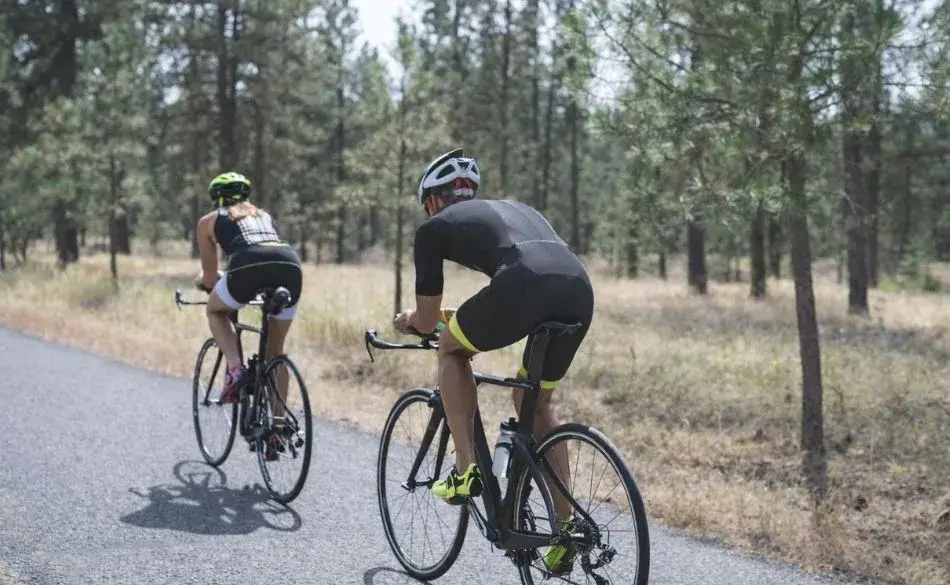
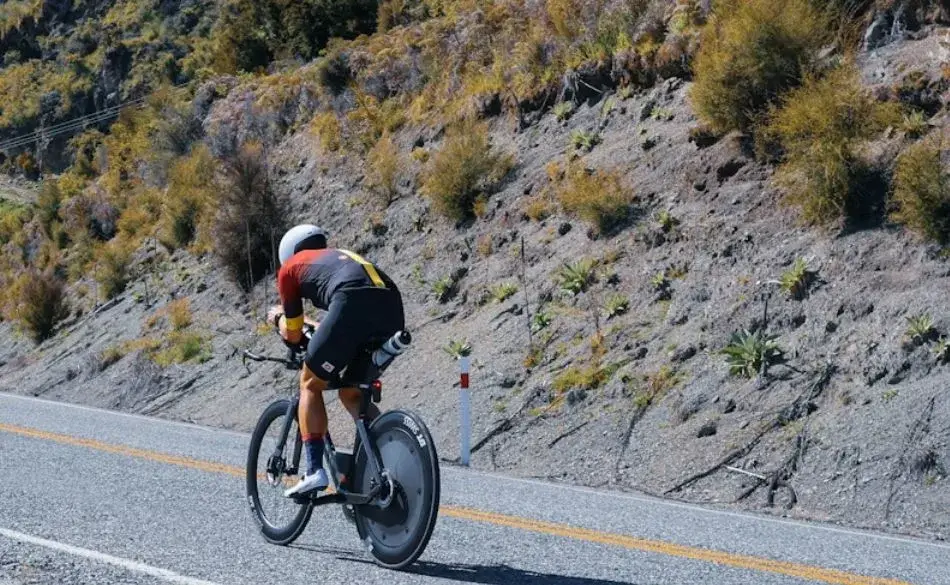
On the bike, your goal is steady effort. A sprint triathlon bike leg usually lasts 30–60 minutes, which is long enough to drain you if you push too hard. Use a pace where you can still breathe comfortably and spin smoothly. If you have a bike computer, aim for even cadence rather than chasing speed. Consistency now will pay off later.
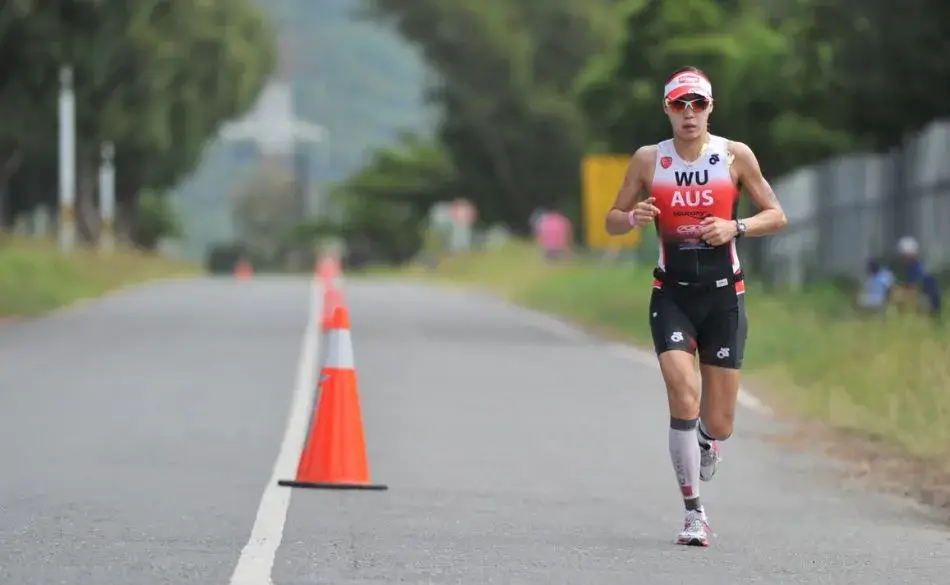
The run is where pacing matters most. Many athletes hit the road with heavy legs from the bike, which is normal. Start conservatively (slower than you think you should) and build into your pace. Saving energy for the last kilometer allows you to finish strong rather than crawling to the line.
Here’s the simple rule I share with beginners: if you feel good in the first half, slow down; if you feel good in the second half, speed up. Triathlon is about patience, not instant bursts.
One of my athletes once told me he “won the swim, survived the bike, and barely jogged the run” in his first race. When we worked on pacing strategies in training, he discovered that holding back early actually made him faster overall. The lesson: pacing isn’t weakness, it’s smart racing.
How you handle the bike leg depends a lot on your setup. For easy-to-follow advice on picking a comfortable, race-ready bike that won’t break the bank, see our Beginner Triathlon Bike Buying Guide.
Once you’ve crossed the line in your first triathlon, it’s natural to start thinking bigger. If you’re excited to move beyond sprints and test yourself over longer distances, explore our complete range of structured programs at Half Ironman Triathlon Training Plans and build confidence step by step toward your first 70.3.
- ✅ Options designed for beginners making the jump from sprint distance
- ✅ Swim-focused blocks to handle 1.9 km open water with confidence
- ✅ Weekly structure that balances training and recovery
💡 Take the momentum from your first finish line and set your sights on your next big goal. With the right plan, you’ll feel prepared from the swim start to the final run.
Browse Half Ironman PlansMental Tips for First Triathlon Nerves
Nervous before your first triathlon? You’re not alone. Even seasoned athletes feel a wave of butterflies on race morning. The key isn’t to eliminate nerves but to channel them into focus and energy. Your mindset can make the difference between panic and performance.
Start by visualizing success. Picture yourself calmly entering the water, smoothly moving through transitions, and crossing the finish line. Visualization helps your brain rehearse the event, so when the moment arrives, it feels familiar instead of overwhelming. Just a few minutes a day can calm pre-race jitters.
Another mental tool is self-talk. Replace negative thoughts like “I can’t do this” with affirmations such as “I’m prepared” or “one step at a time.” These small shifts boost confidence. During the swim, remind yourself to stay relaxed. On the bike, repeat a steady rhythm phrase. On the run, focus on one marker at a time instead of the full distance.
Breathing exercises also work wonders. Before the start, take slow, deep breaths to bring your heart rate down. Count in for four seconds, hold for two, and out for six. This technique lowers anxiety and centers your focus.
Here are some practical mental tips for first triathlon nerves you can try:
- Arrive early: Rushing adds unnecessary stress. Give yourself time to set up calmly.
- Stick to routine: Familiar actions, like your warm-up jog, create comfort on race day.
- Break it down: Focus only on the discipline you’re in, not the entire race at once.
- Smile: A simple smile relaxes muscles and reminds you that this is meant to be fun.
Ask yourself: are you nervous because you care? If so, that’s a good thing, it means you’re invested. With the right mindset, those nerves will carry you forward, not hold you back.

Avoiding Common Mistakes in Your First Triathlon
Every first-time triathlete makes mistakes, it’s part of the learning process. But knowing the most common pitfalls can save you from stress and help you enjoy your race more. Think of this as insider knowledge that will smooth out your first experience.
One of the biggest errors is doing too much too soon. Many beginners overtrain in the final weeks, thinking extra sessions will make them fitter. In reality, this only leaves you tired and flat on race day. Stick to your plan and trust the taper, you’ll feel fresher when it matters most.
Another common issue is poor pacing. Sprinting the swim, hammering the bike, and then walking the run is a classic beginner story. Instead, aim for steady effort throughout, saving energy for the last stretch. Remember: consistency beats heroics.
Gear choices also trip people up. Racing in brand-new shoes or trying an unfamiliar nutrition product often ends badly. Always test gear and fuel in training before relying on them in a race. Nothing ruins a run like blisters from untested shoes.
Here are some common first triathlon mistakes to avoid:
- Skipping practice transitions: Fumbling in T1 or T2 wastes time and builds frustration.
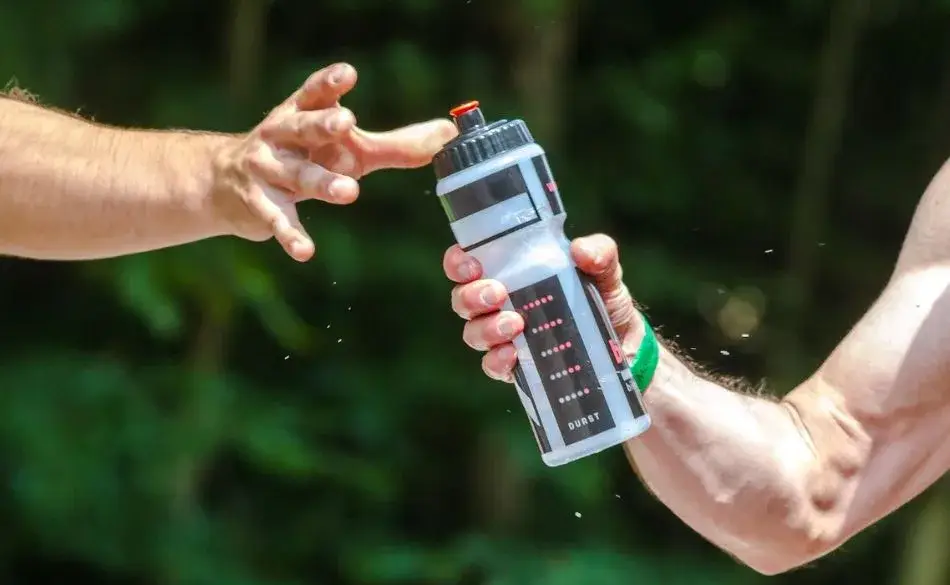
- Ignoring hydration: Even short triathlons require consistent fluid intake.
- Forgetting rules: Drafting on the bike or unbuckled helmets can lead to penalties.
- Panicking in the swim: Start at the edge of the pack to avoid heavy contact.
- Overcomplicating: Extra gear and complicated routines add stress without benefit.
I remind my athletes that a first triathlon isn’t about perfection, it’s about learning. The goal is to finish smiling, not to run the “perfect” race. Mistakes will happen, but being aware of these common ones puts you a step ahead of the crowd.
Ready to build on your first triathlon and take on the classic Olympic distance (1.5 km swim · 40 km bike · 10 km run)? Our Olympic Distance Triathlon Training Plan gives you the structure, pacing guidance, and brick sessions you need to race smarter and finish stronger.
- ✅ Progressive swim, bike, run blocks with clear weekly structure
- ✅ Brick workouts to nail the bike-to-run feel and race pacing
- ✅ Coach input to align training with your schedule and goals
💡 Turn your first-race momentum into a confident Olympic finish—strong in the water, steady on the bike, and fast on the run.
Explore Olympic Distance PlanRace Day Checklist for First-Time Triathletes
Race morning can feel chaotic. The alarm goes off early, nerves kick in, and suddenly you’re worried you’ve forgotten something important. A simple first triathlon race day checklist keeps you calm and ensures nothing critical gets left behind.
Pack your gear the night before. Lay everything out and double (check against a list so you’re not scrambling in the dark). Divide items by discipline, swim, bike, run, and transition. That way, you can move through your race smoothly without surprises.
Here’s a checklist to guide you:
- Swim: Goggles, swim cap, wetsuit (if required), anti-fog spray
- Bike: Bike in good condition, helmet, cycling shoes, water bottle, race belt
- Run: Running shoes, socks, visor or cap, nutrition if needed
- Transitions: Towel, sunscreen, small snack, hydration mix
- Extras: Safety pins, body glide, warm clothes for after the race
Arrive early so you have time to set up your transition area, use the restroom, and warm up without rushing. Familiarize yourself with the entry and exit points for swim, bike, and run. This small step saves valuable seconds when adrenaline is high.
Ask yourself: would forgetting a pair of socks ruin your day? For some athletes, it does. That’s why preparation matters. With a checklist in hand, you’ll feel calmer and more focused, leaving your energy for the race itself.
Instead of relying on memory, many beginners print their checklist and keep it in their gear bag. This simple habit removes stress and lets you focus on the race ahead. Preparation is what turns nerves into excitement on race morning.
If you’d like a complete guide to packing and organizing everything you need, check out our Ultimate Triathlon Checklist. It covers every detail from gear to nutrition, so you can arrive on race morning fully prepared and stress-free.
Crossing the Finish Line and What Comes Next
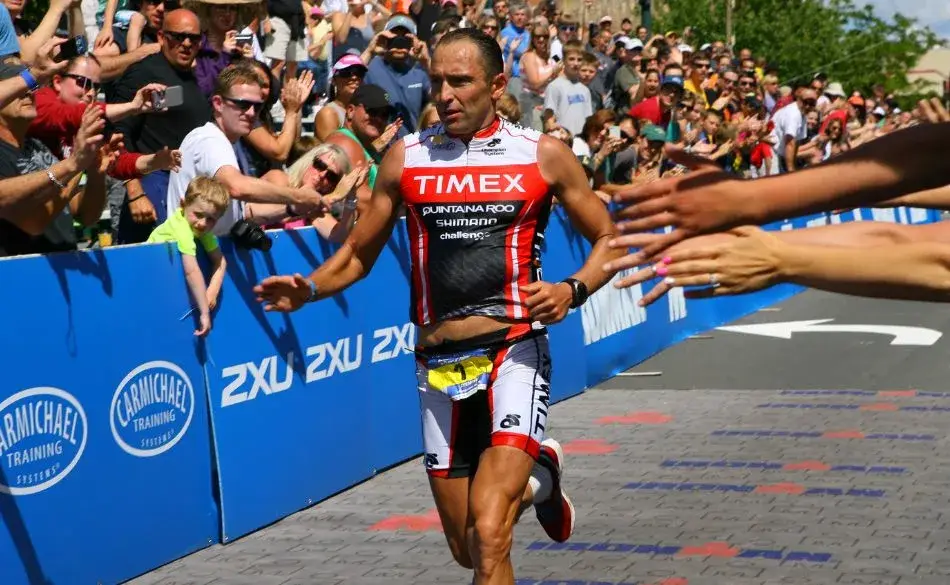
Few feelings compare to crossing the finish line of your first triathlon. The cheering crowd, the final sprint, and the moment you realize you’ve done it and it all comes together in a rush of pride and relief. Whether you walk, jog, or sprint across the line, the achievement is the same: you set a goal and made it happen.
In the hours after your race, take time to celebrate. Grab some food, rehydrate, and enjoy the atmosphere. Many events have post-race gatherings where you can swap stories with fellow athletes. These conversations often spark new friendships and motivate you toward your next challenge.
Recovery is just as important as celebration. Your body has worked hard, and giving it the chance to rest will help you bounce back stronger. Gentle stretching, an easy walk, and a balanced meal with protein and carbs are good places to start. Over the next few days, light activity will help your muscles recover more quickly than complete rest.
Ask yourself: what did you learn? Did you struggle in the swim, feel strong on the bike, or surprise yourself on the run? Each lesson shapes how you train for future races. Many beginners sign up for their next event within days (it’s a sign you’ve caught the triathlon bug).
Here’s the thing: your first race isn’t about perfection. It’s about discovery. You’ve learned how to train, fuel, pace, and manage nerves. You’ve faced challenges and pushed through. That’s what triathlon is all about. From here, you can aim for new distances, faster times, or simply more enjoyable experiences.
After celebrating your first finish, you might be thinking (even dreaming) about an Ironman. If you’re up for a bold goal, check out our 12-Month Ironman Training Roadmap to map out smart, steady progress from your first tri to your first Ironman.