




Find Your Next Running Race
Ready to put your training to the test? Here are some upcoming running events matched to this article.
 Coach Graeme
Last updated:
A 10km race is 6.2 miles — long enough to test your endurance, short enough to prepare for in weeks rather than months. Most runners finish in 50–70 minutes, but your time depends on age, fitness, gender, and how consistently you train. This guide gives you the actual numbers: average finish times, a pace chart for any target, times by age group, and how long you need to train.
Not sure where to start with training?
Tell us your goal and schedule, and we’ll give you clear direction.
No obligation. Quick, practical advice.
Explore our running training advice for more helpful articles and resources.
👉 Swipe to view full table
| Level | Men | Women | Pace (min/km) |
|---|---|---|---|
| Walking | 75–90 min | 75–90 min | 7:30–9:00 |
| Beginner runner | 55–70 min | 60–75 min | 5:30–7:30 |
| Intermediate runner | 45–55 min | 50–60 min | 4:30–5:30 |
| Competitive club runner | 35–45 min | 40–50 min | 3:30–4:30 |
| Elite | Under 30 min | Under 34 min | Under 3:00 |
If you’re finishing anywhere in the 50–65 minute range, you’re solidly in the middle of the pack at most 10K events. Breaking 60 minutes is a common first milestone — it needs a pace of 6:00/km, which feels “comfortably hard” for most recreational runners.
These averages are drawn from large-scale race data across thousands of events. Use them as context, not targets — most runners improve well into their 40s and 50s through training experience.
👉 Swipe to view full table
| Age Group | Men (avg) | Women (avg) |
|---|---|---|
| 18–24 | 48–52 min | 54–58 min |
| 25–34 | 50–54 min | 56–62 min |
| 35–44 | 52–57 min | 58–64 min |
| 45–54 | 55–62 min | 62–68 min |
| 55–64 | 60–68 min | 66–74 min |
| 65+ | 65–75 min | 72–82 min |
Performance typically peaks in the late 20s to mid-30s, then declines roughly 1–2% per year. But many runners set personal bests in their 40s and 50s because they’ve built more training experience and consistency than they had when younger.
Find your target finish time and the pace you need to hold:
👉 Swipe to view full table
| Target Time | Pace per km | Pace per mile |
|---|---|---|
| 35:00 | 3:30 | 5:38 |
| 40:00 | 4:00 | 6:26 |
| 45:00 | 4:30 | 7:15 |
| 50:00 | 5:00 | 8:03 |
| 55:00 | 5:30 | 8:51 |
| 60:00 | 6:00 | 9:39 |
| 65:00 | 6:30 | 10:28 |
| 70:00 | 7:00 | 11:17 |
| 75:00 | 7:30 | 12:05 |
For personalised pacing calculations, use our running pace calculator. If you know your 5K time, a good rule of thumb is to multiply it by 2.08–2.1 to estimate your 10K finish time.
👉 Swipe to view full table
| Starting Point | Training Time | Runs per Week |
|---|---|---|
| Complete beginner (can't run 1km) | 10–14 weeks | 3 |
| Can run 5km comfortably | 6–8 weeks | 3–4 |
| Regular runner wanting to improve time | 8–12 weeks | 4–5 |
If you’re starting from scratch, a Couch to 5K plan gets you running first, then you extend to 10K. If you can already run 5km, our 6-week 10K training plan bridges the gap with a mix of easy runs, intervals, and a weekly long run.
One of my coached athletes, Daniel, came to me running 5km in 32 minutes. After 8 weeks of structured training — three easy runs, one interval session, and one longer run per week — he finished his first 10K in 61 minutes. Three months later, he ran 54 minutes. The distance didn’t change; the training got smarter.
If you’ve already run a 10K and want to get faster, these three changes make the biggest difference:
Run more consistently. Most improvements in the first year come simply from running 3–4 times per week instead of 1–2. Consistency builds your aerobic base, which determines how long you can sustain a pace. Easy, frequent running is more valuable than occasional hard efforts.
Add one speed session per week. Intervals (like 6 x 800m at your target 10K pace with 90 seconds rest) teach your body to handle faster speeds. Interval running for beginners covers how to start safely. A weekly tempo run — 20–30 minutes at “comfortably hard” effort — raises your lactate threshold so race pace feels easier.
Extend your long run. Running one longer session per week (8–12 km at an easy pace) builds the endurance foundation that supports everything else. Don’t run it fast — the goal is time on feet, not speed. For guidance on pacing your easy runs, see our zone 2 running pace guide.
👉 Swipe to view full table
| Distance | Kilometres | Miles | Typical Beginner Time |
|---|---|---|---|
| 5K | 5.0 | 3.1 | 30–40 min |
| 10K | 10.0 | 6.2 | 60–75 min |
| 15K | 15.0 | 9.3 | 90–110 min |
| Half Marathon | 21.1 | 13.1 | 2:00–2:30 |
| Marathon | 42.2 | 26.2 | 4:30–5:30 |
The 10K sits at the sweet spot of distance running — demanding enough to require real training, but accessible enough that most people can prepare in weeks rather than months. Improving your 10K time usually predicts improvements at longer distances too, which is why coaches often use it as a fitness benchmark.
How long does it take to run 10km?
Most runners finish in 50–70 minutes. Beginners average 60–75 minutes, intermediate runners 45–55 minutes.
What is a good 10K time for a beginner?
Under 60 minutes. Most first-timers finish in 60–75 minutes, and anything under an hour is a strong first result.
How long does it take to train for a 10K?
6–8 weeks if you can already run 5km. 10–14 weeks from complete scratch.
How far is 10km in miles?
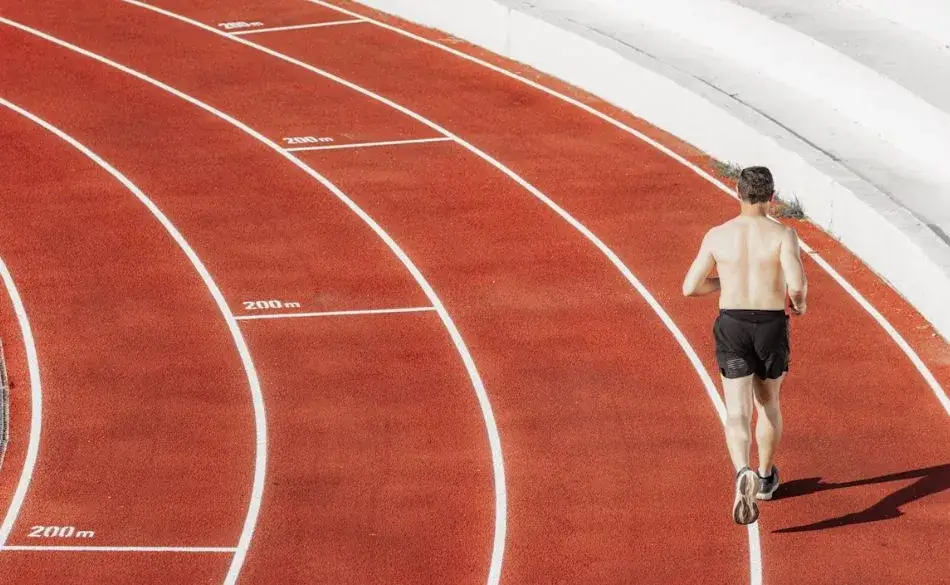
6.2 miles. On a standard track, that’s 25 laps.
How can I improve my 10K time?
Run consistently (3–4 times per week), add one interval or tempo session, and extend your weekly long run.
Whether you’re aiming for 75 minutes or 45, the 10K rewards consistent training more than raw talent. Show up 3–4 times a week, follow a structure, and the time will come down.
Our 6-week 10K plan takes you from 5K fitness to race day. Or if you want a personalised programme built around your pace and goals, our Running Coaching gives you a coach in your corner.
Ready to put your training to the test? Here are some upcoming running events matched to this article.

Head Coach & Founder, SportCoaching
Graeme is the founder of SportCoaching and has coached more than 750 athletes from 20 countries, from beginners to Olympians, in cycling, running, triathlon, mountain biking, boxing, and skiing. His coaching philosophy and methods form the foundation of SportCoaching's training programs and resources.
No matter your goals, SportCoaching offers tailored training plans to suit your needs. Whether you’re preparing for a race, tackling long distances, or simply improving your fitness, our expert coaches provide structured guidance to help you reach your full potential.
Smart, progressive training from 5km to marathon with weekly guidance.
What’s included
Browse upcoming Australian running, cycling, and triathlon events in one place. Filter by sport, check dates quickly, and plan your training around something real on the calendar.
Choose your plan to get started with personalized training plans designed to help you reach your goals.


Minna Backman
When you’re new, feedback is especially important, and Graeme is highly skilled at both analyzing numbers and understanding the importance of mental strength.











