Why Stronger Bike Technique Matters More Than You Think
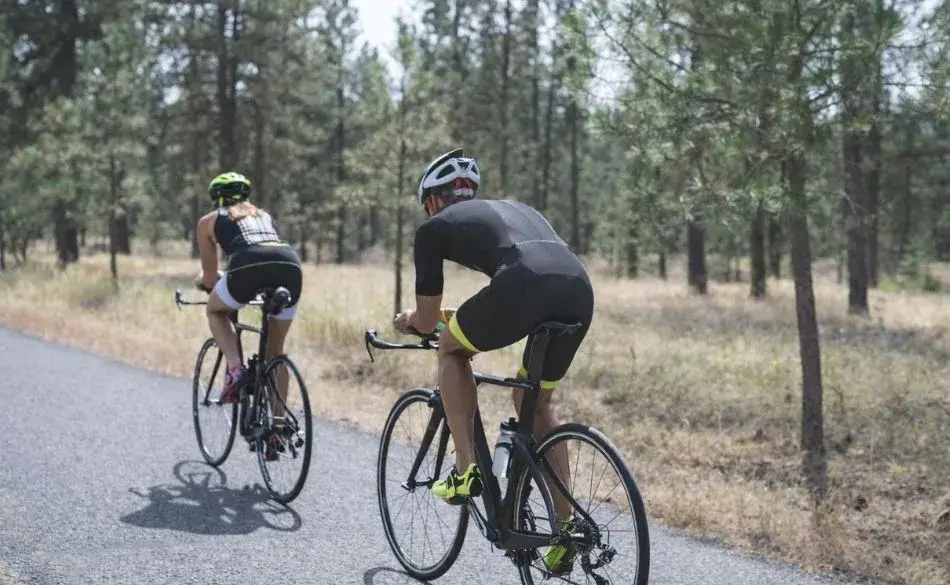
Most triathletes try to improve by riding more, pushing harder, or swapping gear. But here’s the thing most people miss: real speed comes from technique long before fitness. When you clean up your triathlon cycling technique, every pedal stroke becomes easier. You save power. You save energy. And suddenly your bike leg feels smooth instead of scattered.
Think about the last time you rode on a windy day. Did you feel the bike sway under you? Did your shoulders tense up? These tiny movements cost time and drain your legs. A small shift in aerodynamic positioning or even a better understanding of cadence control can turn that shaky ride into something calm and efficient.
One of my coaching clients, Liam, used to grind through every race with a low cadence and tight upper body. Once we focused on cycling muscle activation, especially glute engagement on the flats, he shaved minutes off his Olympic-distance bike split without training more. That’s the power of small changes.
A smoother pedal stroke also helps you manage your effort. When you push evenly around the circle, you use more muscles and avoid spiking power. Those spikes burn matches you need later in the run. By shaping your pedal stroke with triathlon bike workouts that target strength and control, your speed becomes far more stable.
Start with these technique boosters
- Keep your elbows soft and stable to support better bike aerodynamics.
- Aim for a smooth pedal stroke instead of stomping down.
- Stay relaxed in your upper body to reduce wasted motion.
- Keep your cadence steady, especially when terrain or wind changes.
- Think “quiet bike” less wobble means more free speed.
Improving the way your lower leg moves during each pedal stroke can also reduce strain and prevent the small overuse issues many cyclists face. Learning how these muscles work, and how they fatigue under load, becomes much easier when you understand more about common problem areas such as the plantaris tendon. You can explore this further in our guide to plantaris pain in cycling which explains how technique, tension, and repetitive loading all work together.
If you want a smoother, faster, and more controlled bike leg on race day, our Ironman Cycling Training Plan gives you structured workouts, smart pacing guidance, and progressive load so you can ride stronger without burning out before the run.
Each plan is designed to help you master endurance, power, and technique—so you can stay efficient, hold aero longer, and arrive at T2 with energy left in the tank.
Explore Ironman Cycling Plans

How Much Does Aerodynamics Really Matter on the Bike Leg?
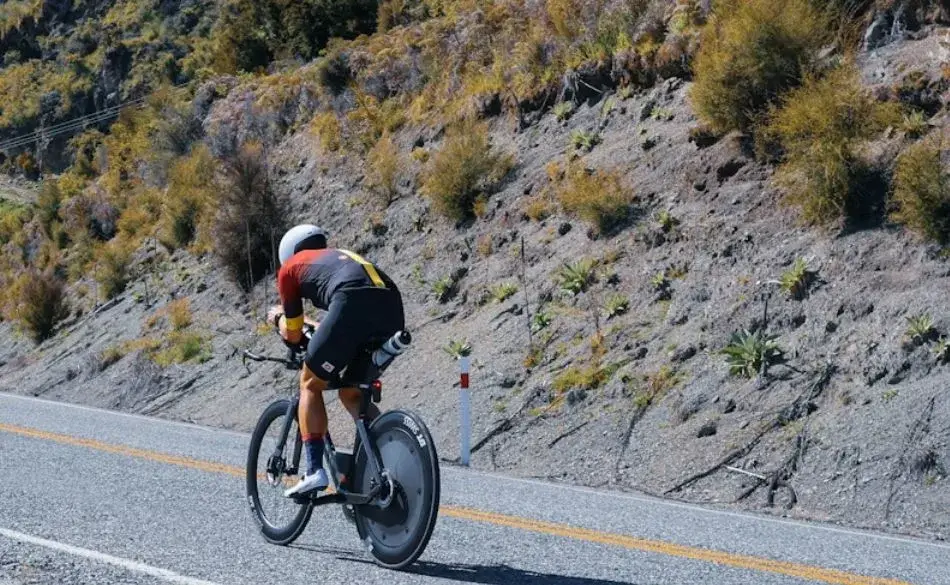
Let’s be honest, most triathletes know aerodynamics matter, but very few understand how much they matter. When you’re riding at triathlon speeds, more than 80% of your resistance comes from air pushing back at you. That means your body, not your bike, is the biggest source of drag. If you’ve ever felt like you’re working twice as hard for the same pace, this is why.
Even small adjustments in your triathlon bike position can unlock big gains. Dropping your front end slightly, narrowing your elbows, or relaxing your shoulders can reduce drag without forcing you into an uncomfortable posture. The key is balance between comfort and speed. A position that saves 10 watts means nothing if you can’t hold it for an hour.
This is why a proper triathlon bike fit is so important. A good fit helps you stay stable, breathe well, and keep strong cycling muscle activation. When your body stays supported, your power becomes smoother and easier to control. Many athletes don’t realize their fit also affects their ability to run well off the bike. A cramped hip angle can make the run feel heavier and slower.
There’s also a huge advantage in using simple aerodynamic tools. Clip-on bars, tight clothing, and aero gains from small posture tweaks can add speed without extra effort. Even maintaining a steady head position helps. If your head pops up every few seconds, your drag rises immediately.
Easy aero wins most triathletes overlook
- Keep your head low and steady to reduce the largest drag area.
- Bring your elbows closer together for a smoother airflow.
- Use tight-fitting clothing to avoid flapping fabric.
- Adjust your saddle height to improve stability in aero bars.
- Practice holding aero on easy rides to improve comfort.
- Consider carbon aero wheels if your budget allows.
When you become comfortable in a more aerodynamic position and your pedal stroke feels smooth, you’ll start noticing that your cadence stays stable through changing terrain, wind and fatigue. If you’d like detailed drills to refine your rpm and rhythm, check out our how to improve cycling cadence article which walks you through easy cadence work you can use right now.
If you want to explore the science behind small aerodynamic improvements and how they add free speed, this British Cycling article on aero gains breaks down why posture, head position, and equipment choices matter so much.
What Training Sessions Build the Fastest Bike-Leg Gains?
If you want a stronger triathlon bike leg, your training needs more than long, steady rides. Those help build your aerobic base training, but real speed comes from mixing different sessions that target power, control, and fatigue resistance. When you train with purpose, each ride builds a different part of your engine.
One of the best places to start is learning how to manage effort across different cycling power zones. Many triathletes ride too hard on easy days and not hard enough on key sessions. When you stay disciplined with pacing, your fitness grows faster and your legs stay fresher for the run.
Another game-changer is adding short, sharp intervals. These improve your ability to work above threshold, settle back down, and stay strong during surges. If you’ve ever struggled with rolling hills or windy stretches, this type of work fixes that problem by improving your lactate threshold and recovery between efforts.
Long rides are still important, but they should teach you how to fuel, pace, and hold stable power. This builds real bike leg endurance. If your long rides feel like survival instead of controlled sessions, you’ll never unlock your full speed potential.
Must-have training sessions for a stronger bike leg
- Threshold intervals: Build a powerful engine by training near Functional Threshold Power.
- VO2 max intervals: Improve your top-end ability and help you handle hills and surges.
- Steady endurance rides: Develop durability and practice your race day fueling.
- Brick workouts: Teach your body how to run well after hard cycling.
- Technique rides: Improve smooth pedal stroke, cadence, and triathlon bike training mechanics.
- Smart trainer workouts: Use indoor cycling apps to fine-tune pacing and tighten power control.
By mixing these sessions, you train every system you need for a strong bike leg (power, efficiency, pacing, and endurance). This balanced approach builds speed without burning you out, and it creates the kind of resilience that carries you through race day with confidence.
Building stronger, more fatigue-resistant muscles also plays a major role in how well you hold power throughout longer races. Adding supportive gym work can make a noticeable difference in your stability, control, and overall force production on the bike. You can learn more about proven gym routines in our strength and weight training for cyclists guide which shows how targeted lifting develops the durability needed for harder triathlon bike legs.

Which Types of Bike Training Give You the Biggest Gains?
Every triathlete wants to know which training style delivers the best return. You only have so many hours in the week, so your bike sessions need to work smarter, not harder. That’s why understanding the difference between endurance riding, threshold work, and high-intensity VO2 max intervals is so important. Each one builds a different part of your engine, and when you combine them, your speed improves quickly.
Endurance riding builds the foundation for everything else. It strengthens your aerobic system, improves fat usage, and teaches you consistent pacing. Without this base, you’ll fatigue early and lose power late in the bike leg.
Threshold training shapes your ability to hold a strong, steady pace. It raises your Functional Threshold Power, which directly affects how fast you can ride during a race without blowing up. This type of work improves your lactate threshold, letting you manage effort more confidently.
High-intensity VO2 sessions sharpen your top-end power. They help you respond to hills, wind changes, and pace surges. These intervals also make race pace feel easier because your ceiling for hard effort becomes higher.
To help you see the difference between these training types, here’s a clear comparison you can use when planning your week:
👉 Swipe to view full table
| Category | Endurance Riding | Threshold Training | VO2 Max Intervals |
|---|---|---|---|
| Main Benefit | Builds aerobic base, improves fat usage, and strengthens long-distance durability. | Raises sustainable race pace by improving Functional Threshold Power. | Boosts high-end power and ability to handle surges and climbs. |
| Intensity Level | Low to moderate, conversational effort. | Moderately hard; comfortably uncomfortable. | Very hard; short bursts above race pace. |
| Typical Duration | 1.5–4+ hours depending on race distance. | 20–40 minutes of work split into intervals. | 10–20 minutes total work split into short reps. |
| Best For | Building overall bike leg endurance and stable pacing. | Improving race pace power and lactate threshold. | Sharpening speed and handling changing terrain. |
If you want a faster, smoother bike leg that sets up a confident run, our Half Ironman Cycling Plan gives you structured training, progressive endurance work, and sessions that sharpen pacing and control for real 70.3 race demands.
The plan builds strength, power, and efficiency so you can hold aero longer, manage surges, and arrive at T2 with enough energy to run well—not just survive the final stage.
Explore 70.3 Cycling Plans
How Should You Pace the Bike Leg to Run Strong Off the Bike?
Most triathletes don’t lose time because they’re slow. They lose time because they pace the bike leg poorly. If you’ve ever felt great for the first half of the ride and then watched your legs fade before the run, pacing is the reason. Strong pacing is a skill, and when you learn it, everything about your race becomes easier.
The first thing to understand is that the bike leg should never be an all-out effort. Your goal is to stay within the right bike pacing strategy for your distance. Sprint and Olympic races allow slightly higher intensity, but 70.3 and full Ironman racing demand patience. When you stay in steady cycling power zones, you keep your heart rate stable and protect your legs for the run.
Most triathletes push too hard on hills and into headwinds. This causes power spikes that burn glycogen quickly and raise your body’s stress. Instead, you want to keep your effort as smooth as possible. You can push a little harder uphill, but never at the cost of blowing up your run. Using a power meter (or even just perceived effort) helps you avoid those costly surges.
Fueling also shapes your pacing. When you manage triathlon fueling strategy well, you avoid the late-ride crash that ruins many runs. Taking in carbs every 15–20 minutes and staying on top of hydration gives you the steady energy you need to hold race pace without dipping.
- Keep effort controlled for the first 10–15 minutes while your body warms up.
- Avoid chasing speed on downhills. Stay aero and let gravity work.
- Ride slightly below threshold on long climbs to avoid spikes.
- Use race day nutrition on the bike to keep energy stable.
- Save your hardest effort for the final kilometers only if you can still run well.
When you pace the bike with discipline, the run feels lighter, smoother, and far more controlled. That’s how strong races are built.


How to Build Better Bike Handling Skills for Real-World Race Conditions
Most triathletes forget that the bike leg isn’t ridden on perfect roads or in controlled trainer sessions. Race day includes wind, corners, rough pavement, aid stations, and other riders who may not always be predictable. If you want to ride faster without extra effort, improving your bike handling skills is one of the biggest upgrades you can make.
Good handling starts with stability. When your upper body stays relaxed, your bike moves in a straight, steady line. This reduces wasted motion and helps your aerodynamic positioning stay consistent. A rider who swerves or tenses up burns far more energy than someone who keeps their movements calm and controlled.
Cornering is another skill that separates efficient riders from struggling ones. Smooth cornering lets you carry speed instead of braking hard and re-accelerating, which costs valuable energy. Keeping your eyes focused through the exit of the corner and leaning the bike (not your body) helps you move through turns with confidence.
Handling also affects how well you respond to terrain. On hills, understanding gear selection for hills helps you maintain a steady cadence without grinding. This keeps your smooth pedal stroke intact and protects your legs for the run. On descents, staying compact and aero helps you gain speed for free.
Practicing these skills doesn’t require complex training. You can improve quickly by adding small drills to your week. Even one or two focused sessions can dramatically raise your comfort and confidence.
Simple handling drills to improve your bike leg
- Ride easy laps around a quiet park while practicing tight, controlled turns.
- Practice riding one-handed to prepare for race-day bottle grabs.
- Work on smooth braking and shifting before corners.
- On windy days, practice staying relaxed and stable in crosswinds.
- Use a local hill to learn consistent cadence and controlled power.
Practising these handling drills will definitely raise your comfort and confidence, but you’ll make even bigger gains when you combine them with a regular mobility routine that helps your hips, back and shoulders stay open and ready. For a full set of easy-to-follow stretches that target cyclists, check out our best stretches for cyclists guide which supports better technique, reduced tension and smoother rides.
If you want stronger pacing, smoother intensity control, and a higher sustainable speed on race day, our Cycling Threshold Training Plan helps you raise your threshold, improve race-pace power, and build the control needed to stay steady during tough triathlon bike legs.
The plan targets your Functional Threshold Power with structured sessions that develop strength, stability, and confidence—so you can ride faster without blowing up before the run.
Start Threshold Training

What Equipment Upgrades Make the Biggest Difference on the Bike Leg?
Your training shapes your fitness, but the right equipment setup can make your triathlon bike leg feel smoother, faster, and far more controlled. You don’t need to buy the most expensive gear to see improvements. Small, smart upgrades often create the biggest gains without overcomplicating your setup.
One of the most valuable tools you can add is a power meter for triathlon. It helps you pace with precision, avoid power spikes, and maintain steady output on hills and in the wind. When you train and race with power, your effort becomes consistent instead of guesswork. That alone can save you minutes across a race.
Another upgrade that many triathletes overlook is an optimized hydration setup. When bottles are placed behind the saddle or between the aero bars, the airflow around your bike becomes cleaner. A simple change in bottle placement can replace the need for more expensive gear, and it keeps your fueling within easy reach during the race.
Tire choice is also more important than most athletes think. Using the right bike tire pressure for race conditions not only improves speed but also reduces fatigue by smoothing out rough roads. Slightly lower pressure increases grip and comfort, while too much pressure increases vibration and slows you down.
Your cockpit setup matters too. Adding clip-on aero bars gives you a powerful aerodynamic advantage, even on a road bike. When paired with a comfortable triathlon bike fit, your shoulders relax, your torso lowers, and your drag drops noticeably. The key is choosing a setup you can maintain for the whole race without strain.
Even small upgrades like latex tubes, faster tires, or a more supportive saddle can make your ride feel easier. What matters most is choosing gear that enhances your stability, comfort, and confidence on the bike.


The Bike Leg Gets Easier When You Train Smarter, Not Harder
Improving your triathlon bike leg isn’t about pushing harder. It’s about riding with more intention, better technique, and smarter pacing choices. When you build stronger triathlon bike training habits, sharpen your handling skills, and pay attention to the simple details most athletes ignore, the whole sport starts to feel lighter.
The best part is that every improvement you make on the bike carries forward into the run. Your legs stay fresher. Your mind stays calmer. Your race becomes something you manage with confidence instead of survival mode.
Keep practicing the small things. Keep building control. And remember, you don’t need to be superhuman to ride faster. You just need the right approach, one steady session at a time.