

Understanding How a TENS Unit Works for Athletes
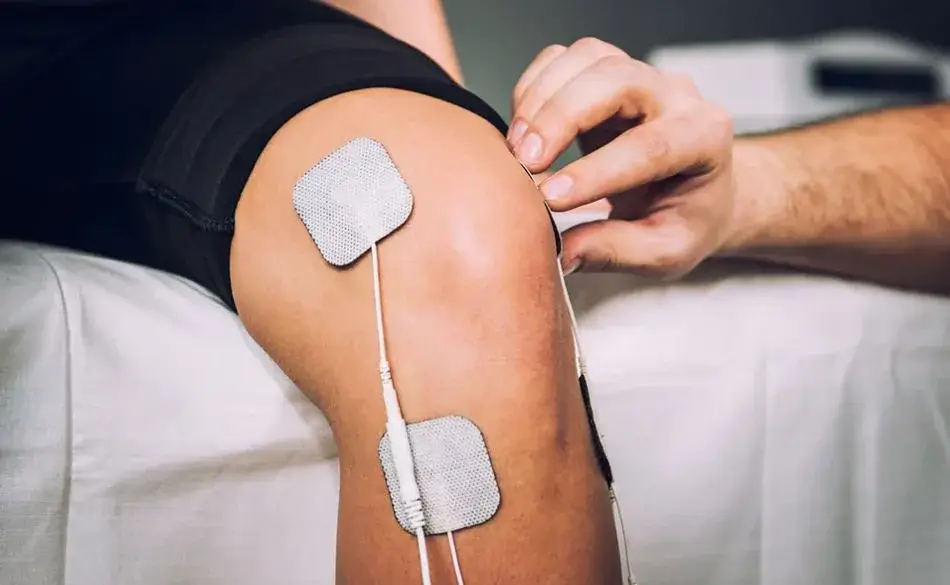
When it comes to recovery, knowledge is power. Understanding how to properly use a TENS unit starts with knowing what it actually does inside your body. A TENS unit sends low-voltage electrical currents through small adhesive pads placed on your skin. These mild signals target your sensory nerves, helping block pain messages before they reach your brain. At the same time, they can trigger the release of endorphins (your body’s natural pain relievers).
For runners, cyclists, and triathletes, this can mean faster relief after training sessions that leave muscles tight or joints sore. You can use TENS therapy to ease calf tightness after hill repeats, calm down IT band tension from long rides, or relax lower-back stiffness after triathlon sessions.
To get the most benefit, you need to pay attention to TENS unit settings and electrode placement. The frequency, pulse width, and intensity you select all change how your nerves and muscles respond. High-frequency settings (around 80–120 Hz) are ideal for short-term pain relief without causing muscle contractions. Low-frequency settings (2–10 Hz) are better for promoting muscle relaxation and longer-lasting comfort.
Here’s a quick guide to help you choose the right setting for your recovery needs:
👉 Swipe to view full table
| Setting Type | Frequency (Hz) | Sensation | Best For |
|---|---|---|---|
| High Frequency | 80–120 | Strong tingling | Immediate pain relief |
| Low Frequency | 2–10 | Gentle pulsing | Muscle recovery and endorphin release |
| Burst Mode | Mixed | Alternating pulse | Reducing nerve adaptation |
Choose the mode that fits your goal. If your quads feel heavy after cycling intervals, try a low-frequency session. If your knees ache after a long run, high-frequency settings can bring quick relief.
Always start with a low intensity, increase gradually, and keep it comfortable. A TENS unit should never hurt, only create a firm, pleasant tingling that lets you know it’s working.
Effective recovery starts with consistency, combining training, rest, and recovery tools like TENS therapy. Our Running Coaching programs help you integrate smart recovery strategies, including TENS therapy, to reduce soreness, improve muscle readiness, and optimize training adaptations.
- Custom training plans: designed around your fitness, recovery needs, and goals
- Recovery-focused strategies: learn when and how to use tools like TENS for pain relief and muscle relaxation
- Performance optimization: combine smart workouts with effective recovery to train harder without overtraining
- Expert feedback: guidance on integrating TENS and other recovery methods into your daily routine
Transform your training and recovery into a performance-enhancing routine with professional support built around you.
Start Personalized Coaching →

Step-by-Step Guide on How to Properly Use a TENS Unit
Now that you understand the basics, it’s time to learn how to properly use a TENS unit for real recovery results. Whether you’re a runner dealing with tight calves, a cyclist with sore quads, or a triathlete looking to speed up recovery, using your device the right way is key.
Start by preparing your skin. Always clean and dry the area where you’ll apply the TENS electrode pads. Oils, lotion, or sweat can reduce conductivity and limit the device’s effectiveness.
Next, focus on TENS electrode placement. The pads should be positioned around the sore or tense muscle area, avoiding direct placement over a joint, open wound, or inflamed region. For example, if your hamstrings are tight, place one pad on the upper portion of the muscle and another closer to the knee. Keep the pads at least 2–3 cm apart for balanced stimulation.
Here’s a simple process to follow:
- Step 1: Attach the electrode pads to the desired area and connect the leads securely.
- Step 2: Turn on the TENS unit and start at the lowest intensity setting.
- Step 3: Gradually increase intensity until you feel a firm but comfortable tingling sensation.
- Step 4: Choose your desired mode. High-frequency for short-term pain relief or low-frequency for deeper relaxation and recovery.
- Step 5: Let the session run for 15–30 minutes, then turn off the device before removing the pads.
Never use a TENS unit over broken skin, across your chest, or on the front of your neck. It’s also important not to rely on TENS as a replacement for proper medical care or rehabilitation exercises.
Many endurance athletes find that combining TENS therapy with stretching, hydration, and mobility work helps improve muscle comfort and reduce soreness. When used correctly, it becomes a smart addition to your recovery toolkit. Helping you train harder, recover faster, and feel stronger day after day.


Where should you place TENS pads for common athlete pains?
Learning how to properly use a TENS unit means understanding exactly where to place the pads. Correct TENS electrode placement ensures the electrical current travels through the sore muscle or tissue area, not across sensitive or unsafe zones. When you position the pads correctly, the stimulation feels smoother, works deeper, and helps speed up recovery.
For runners dealing with knee discomfort after long miles, place one pad just above the kneecap on the quadriceps tendon and another slightly to the outer side of the thigh. Keep them off the kneecap itself to avoid discomfort. This setup directs current through the surrounding soft tissue to promote TENS for pain relief without adding stress to the joint.
If you’re using TENS for muscle recovery after climbing or sprinting sessions, calf placement matters. Position one pad on the upper calf muscle and another closer to the lower portion of the soleus. The current should flow vertically along the muscle fibers for even coverage and comfort.
Cyclists or triathletes with sore quads can place pads along the front of the thigh (one mid-thigh and one closer to the hip crease). Avoid bony areas near the knee to prevent irritation. For hamstring tightness, keep pads high and mid-thigh, never behind the knee where nerves and tendons are more sensitive.
When targeting lower-back stiffness, position two pads on the muscles to either side of the spine, never directly over it. This placement supports blood flow and helps ease tightness caused by long hours in the saddle or time spent in an aero position.
Here are a few reminders for safe and effective use:
- Always start with a low intensity and increase gradually.
- If you feel stinging or sharp sensations, lower the setting or move the pads slightly.
- Avoid placing pads on the front of the neck, across the chest, or over areas of numbness.
- Wireless TENS units follow the same placement rules.
- Remember: TENS vs EMS. TENS targets nerves for pain control, while EMS stimulates muscles for strengthening and recovery.


How Long and How Often to Use a TENS Unit
Once you’ve mastered placement and settings, the next step in learning how to properly use a TENS unit is knowing how long and how often to use it. This balance determines whether you get steady recovery benefits or risk overstimulating the nerves.
Most athletes see results from 15–30 minute sessions, but the ideal duration depends on your tolerance and training load. Using the TENS unit too long can cause mild skin irritation or temporary nerve fatigue. Shorter, focused sessions usually work best, especially after demanding runs, rides, or brick workouts.
Here’s a simple structure that works well for endurance athletes:
- Post-Workout Relief: Use TENS for 15–20 minutes after training to ease soreness and tightness.
- Daily Recovery Maintenance: One or two sessions per day is often enough. More than three may reduce sensitivity to stimulation.
- Pre-Workout Warm-Up: Some athletes use a low-intensity mode for 5–10 minutes before training to gently warm the muscles and improve comfort.
- Injury Recovery: For localized pain, up to three short sessions (10–15 minutes each) spaced throughout the day can help.
The best frequency also depends on your training cycle. During high-volume blocks, you might rely on TENS for muscle recovery more frequently to keep your legs fresh. During rest weeks, less use often leads to better results.
Always listen to your body. You should feel a steady, tingling sensation, not muscle fatigue or burning. If you notice redness or discomfort, give the area a rest and adjust pad placement next time.
Another insider tip: alternating between high-frequency and low-frequency TENS unit settings on different days helps prevent nerve desensitization and keeps the therapy effective. This small change can make a noticeable difference over time.
Cycling is a powerful way to improve cardiovascular fitness, endurance, and fat utilization. To maintain peak performance between rides, structured training and smart recovery are key. Our Cycling Coaching programs integrate endurance development, power-based sessions, and recovery strategies, including the use of TENS therapy, to help you recover faster, burn calories efficiently, and sustain high performance on and off the bike.
- Metabolism-driven workouts: structured sessions that boost fat oxidation and calorie burn
- Endurance–strength balance: combine low-intensity base rides with targeted power intervals
- Recovery optimization: TENS and other strategies to keep legs fresh while minimizing fatigue
- Expert feedback: personalized coaching to refine training zones, pacing, and recovery routines
Turn every ride into a performance and recovery-focused session with professional cycling coaching tailored to your goals.
Start Cycling Coaching →

Safety Precautions and Smart Integration
Staying safe is a key part of how to properly use a TENS unit. A few simple guidelines can keep your recovery routine effective and your skin healthy.
Start by following the core TENS safety precautions. Never place pads on the front of your neck, across your chest, or on broken or irritated skin. Avoid areas with numbness where you can’t feel changes in intensity. For back pain, position the pads on the muscles beside the spine, not directly over the spinal column.
If you have a pacemaker, implanted device, epilepsy, are pregnant, or have an active infection, blood clot, or cancer, talk to a healthcare professional before using TENS therapy. When in doubt, skip the session and seek medical advice first.
Next, focus on proper setup. Clean and dry your skin before applying pads. Keep TENS electrode placement at least two centimeters apart and position them around the sore area rather than directly on joints or bony points. If you feel a sharp or hot sensation, move the pads slightly and lower the intensity.
Use practical TENS unit settings that match your recovery goals. Start at a low level and increase gradually until you feel a firm but comfortable tingling. High frequency works best for quick TENS for pain relief after tough workouts, while low frequency supports TENS for muscle recovery during heavy training periods. If a mode feels uncomfortable, switch it or shorten the session.
Incorporate TENS therapy into your training plan strategically. Stick with 15–30 minute sessions once or twice daily. During intense training blocks, alternate between high and low frequencies to keep nerves responsive. In recovery weeks, use fewer sessions and let your body reset naturally.
Finally, take care of your gear. Reseal pads on their plastic film, replace them when they lose adhesion, and wipe connectors occasionally to maintain signal strength. Small habits like these ensure consistent performance and longer pad life.

Common Mistakes When Using a TENS Unit
Even when you know how to properly use a TENS unit, small mistakes can reduce its effectiveness or make sessions uncomfortable. Learning what not to do helps you get better results, faster recovery, and fewer frustrations along the way.
One of the most common errors is placing pads directly on joints or bony areas like the knees, elbows, or spine. These spots don’t conduct electricity well, which can cause a sharp or uneven sensation. Always position the pads on or around the surrounding muscles instead. This allows for smoother current flow and better pain relief.
Another frequent mistake is setting the intensity too high. The stimulation should feel firm but comfortable, not painful or overwhelming. Excessive intensity may cause skin irritation or discomfort. Think of it like tuning your bike gears or running pace, you want control, not strain.
Many athletes also forget about proper skin preparation. Sweat, lotion, or body oils can reduce conductivity and make the pads less effective. A quick wipe with a damp cloth before applying the electrodes keeps your session consistent.
Here are a few other missteps that can interfere with results:
- Using worn-out pads: Replace electrodes when they lose stickiness or cause uneven tingling.
- Skipping rest days: Using TENS therapy too frequently on the same area can lead to desensitization over time.
- Incorrect TENS electrode placement: Placing pads too close together or too far apart reduces effectiveness. Keep them roughly two to three centimeters apart.
- Neglecting post-session care: Always turn off the device before removing pads, then clean and store them properly.
Finally, remember that TENS therapy is a recovery aid, not a cure. It helps manage soreness, stiffness, and discomfort but doesn’t replace stretching, strength work, or professional treatment. When paired with smart recovery habits, it becomes a valuable ally in your training routine, quietly working behind the scenes to keep you moving and feeling strong.


Combining TENS Therapy With Other Recovery Tools
To get the most from a TENS unit, pair it with simple, proven recovery habits. Think of TENS therapy as the spark, and your daily routine as the fuel that keeps recovery going strong.
Start with gentle movement. Light mobility work after a TENS session helps maintain circulation and muscle comfort. For runners, that might mean ankle circles and calf raises. Cyclists can focus on hip flexor and quad mobility, while triathletes might add shoulder rolls after swim sessions. Keep every motion smooth and relaxed, your goal is to restore balance, not add more strain.
Hydration and nutrition also play a major role. Muscles recover best when they have the fluid and nutrients they need. Sip water or an electrolyte mix after workouts, and aim for a post-training snack with a mix of protein and carbohydrates. TENS for muscle recovery works best when your body has what it needs to rebuild.
Here’s a simple structure that blends TENS therapy with other effective recovery tools:
- After hard sessions: 15–20 minutes of TENS therapy, followed by 5–10 minutes of easy mobility.
- For tight areas: Apply your TENS unit, then finish with gentle stretching (20–30 seconds each).
- On rest days: Use low-frequency settings mid-day, followed by a short walk or light spin.
- Before sleep: Try a brief high-frequency session, then calm your breathing to support recovery.
You can also mix in tools like foam rollers, compression sleeves, or contrast therapy. Just avoid placing TENS electrode placement over areas treated with heat or ice at the same time (alternate them instead). Foam rolling can help with fascia release, while compression improves circulation in tired legs after long rides or runs. For a deeper dive into how hot and cold therapies can enhance recovery, check out our guide on ice baths and saunas.
And remember, more isn’t always better. Track what you do and how you feel afterward. Small adjustments over time reveal which recovery combinations help you feel fresher, sleep deeper, and bounce back faster for your next workout.
For a deeper dive into how stretching machines can enhance your recovery, check out our comprehensive guide on stretching machines for cyclists, runners, and triathletes.
Triathlon training challenges every major energy system — aerobic, anaerobic, and muscular endurance. To maximize performance and maintain a faster metabolism, recovery must be structured and consistent. Our Triathlon Coaching programs integrate swim, bike, and run sessions with tailored strength and recovery work, including TENS therapy, to help reduce soreness, build lean muscle, and improve fat oxidation year-round.
- Metabolism-focused training blocks: structured sessions that balance endurance and strength for long-term calorie burn
- Smart energy management: optimize fueling, recovery, and TENS use to keep your metabolism active between workouts
- Strength and conditioning: improve movement efficiency and power across swim, bike, and run
- Coach-driven insights: data-based feedback to refine intensity, recovery, and maximize training efficiency
Turn your triathlon journey into a complete recovery and performance system with personalized coaching that builds endurance, power, and balance.
Start Triathlon Coaching →Latest Innovations in TENS Technology for Athletes
Recovery tech keeps evolving, and how to properly use a TENS unit now includes understanding the latest advances that make training recovery easier and smarter. Modern devices are smaller, more portable, and tailored for active lifestyles, ideal for runners, cyclists, and triathletes.
One major upgrade is the rise of wireless TENS units. These eliminate tangled leads by using compact modules that attach directly to pads and connect through Bluetooth. App-based control lets you save favorite programs, adjust TENS unit settings on the fly, and track how often you use it during training blocks. For athletes who travel to races or camps, this convenience is a game-changer.
Another development is the use of adaptive or modulated frequencies. Rather than running one fixed pattern, newer devices automatically vary pulse width and rate during each session. This helps reduce nerve habituation (so you don’t “tune out” the sensation) and keeps TENS for pain relief effective even with regular use.
Some systems now combine both TENS and EMS functions in one device. The difference is simple: TENS targets sensory nerves to ease pain, while EMS stimulates motor nerves to trigger muscle contractions. For endurance athletes, that means you can use TENS for muscle recovery right after a workout, and EMS later in the week for light strength activation. Two goals, one tool.
You’ll also find smarter TENS electrode placement designs. Pads shaped for the knees, shoulders, or lower back make setup quicker and more precise. Improved gels enhance adhesion, even after sweaty sessions, and help reduce the “hot spot” feeling that sometimes comes from older pads.
Finally, today’s devices add user-friendly features like battery level indicators, waterproof casings, and lock modes that prevent accidental intensity jumps. These small upgrades matter after a long brick or double training day when you just want recovery to be simple and reliable.
In the end, you don’t need the newest gadget, just a device that’s easy to use, comfortable, and consistent. The best TENS therapy is the one that fits seamlessly into your training life and keeps you feeling ready for whatever’s next.


Practical TENS Protocols by Sport and Symptom
You’ve learned the principles. Now here’s how to apply a TENS unit to real training aches. These simple, sport-specific setups can guide your TENS electrode placement, TENS unit settings, and timing so you get the most from every session.
Knee ache after long runs (patellofemoral area)
Place one pad just above the kneecap on the quadriceps tendon and the other on the outer side of the thigh, never on the patella itself. This directs current through the surrounding soft tissue instead of bone. Start with high frequency (80–100 Hz) for TENS for pain relief, and run for 15–20 minutes. Keep pads about 2–3 cm apart for smooth current flow.
Calf tightness after hill sprints or long rides
Position one pad on the mid-gastrocnemius (upper calf) and another lower on the soleus. Begin with low frequency (2–6 Hz) for TENS for muscle recovery, using a calm, pulsing mode for 15–25 minutes. If you feel stinging, lower the intensity or move the pads slightly apart.
Quad soreness after intervals or bricks
Place pads along the front of the thigh (one mid-thigh, one near the hip crease) while avoiding bony edges near the knee. Use mixed or burst modes to alternate pulse delivery and reduce nerve desensitization. Run the session for around 20 minutes, then follow with light mobility work.
Hamstring tightness after speed sessions
Keep pads high and mid-thigh, never in the back of the knee crease where nerves and vessels run close to the surface. Use high frequency (80–100 Hz) for fast comfort, or low frequency (2–10 Hz) on alternating days to promote relaxation. Each session should last 15–20 minutes.
Lower-back stiffness from aero position or long rides
Set pads on the muscles beside the spine, not directly over it. High frequency helps with sharp pain, while low frequency supports lingering tightness. Sessions typically last 15–25 minutes.
When to use EMS instead
Remember TENS vs EMS: TENS targets sensory nerves for pain control, while EMS activates muscles for strength or rehab. Use them on different days, never on the same area in one session.
Keep a simple log of pad placement, frequency, and session length. Over time, you’ll spot the patterns that give you the best recovery, less fatigue, and faster return to training.
Using TENS Before and After Training
Knowing how to properly use a TENS unit isn’t only about recovery after the fact, it’s also about timing. Used correctly, it can help you feel more prepared before exercise and more relaxed once you’re done.
Before Training
Pre-workout use of TENS therapy isn’t about fatigue; it’s about comfort. Choose a low-intensity, high-frequency mode (80–100 Hz) for 5–10 minutes on tight or sensitive areas. This helps warm tissue and may support mild circulation increases without triggering muscle contractions. For example, cyclists might target the quads and calves, while runners often focus on the hamstrings or lower back after travel or rest days. Avoid using TENS for muscle recovery right before maximal efforts. You don’t want to dull the body’s natural feedback during high output.
After Training
Post-workout is when TENS unit settings truly shine. A low-frequency range (2–6 Hz) promotes endorphin release and relaxation, helping to ease tension and soreness. A 15–25-minute session on the same muscle groups you trained (quads, calves, or glutes) works best. Combine it with hydration and gentle stretching for a complete cooldown. Keep TENS electrode placement consistent with your normal recovery setup, spacing pads 2–3 cm apart. For more guidance on structured cooldown routines, check out our guide on the importance of cool-down exercises for runners.
How Often to Use
During heavy training cycles, 1–2 short pre-sessions and one post-session daily are plenty. If fatigue builds, cut the pre-workout use and focus only on recovery after training. More stimulation doesn’t mean better recovery (moderation helps prevent nerve desensitization).
Safety Tip
Some athletes notice that the tingling sensation can make them feel more alert. If that’s you, avoid using TENS therapy immediately before sleep, especially after caffeine-heavy sessions. Finish at least 30 minutes before bed to give your nervous system time to settle.
Post-workout is when TENS unit settings truly shine. A low-frequency range (2–6 Hz) promotes endorphin release and relaxation, helping to ease tension and soreness. A 15–25-minute session on the same muscle groups you trained (quads, calves, or glutes) works best. Combine it with hydration and gentle stretching for a complete cooldown. Keep TENS electrode placement consistent with your normal recovery setup, spacing pads 2–3 cm apart.
For more targeted relief and flexibility, check out our guide on back stretching after your workout to complement your TENS recovery sessions.


Building a TENS Recovery Routine
By now, you know the basics of how to properly use a TENS unit, but structure turns it into a habit. Creating a weekly routine helps your body respond better and keeps soreness from piling up during heavy training blocks.
Start with a rhythm that matches your training volume. A balanced week for most endurance athletes might look like this:
- Monday – Post-long day recovery: 20 min low-frequency (2–6 Hz) on quads and calves. Follow with mobility drills and hydration.
- Tuesday – Targeted relief: 15 min high-frequency (80–100 Hz) on knees or hamstrings after interval work.
- Wednesday – Light maintenance: 10–15 min low-frequency on calves or hips mid-day to ease stiffness.
- Thursday – Pre-workout warm-up: 5–8 min high-frequency on areas prone to tightness (e.g., lower back or quads).
- Friday – Post-brick session: 25 min low-frequency on quads and glutes with moderate intensity for deep relaxation.
- Saturday – Spot treatment: 10–15 min high-frequency for localized soreness (knees, calves, shoulders).
- Sunday – Rest or recovery spin: Optional 15 min low-frequency session after your ride to help muscles feel more relaxed.
This plan blends high- and low-frequency use to keep the nervous system responsive while preventing habituation. Keep TENS electrode placement consistent (around the muscle, not the joint) and always test intensity gradually.
If you’re new to structured recovery, begin with 3 days per week and increase once your skin and tolerance adjust. Most endurance athletes find that 15–25 minutes per session delivers the best balance between relief and practicality.
Here’s a quick tip: combine TENS for muscle recovery with good sleep and nutrition before race week. It may support local circulation, ease tension, and help keep your training adaptations on track.

Maximize Recovery and Performance with TENS Therapy
By now, you’ve explored everything from how to properly use a TENS unit to advanced protocols, safety precautions, and integration with other recovery strategies. For runners, cyclists, and triathletes, the key is consistency, precision, and listening to your body.
Correct TENS electrode placement, the right TENS unit settings, and session timing are crucial for pain relief, muscle recovery, and long-term performance. Pairing sessions with mobility, stretching, hydration, and good sleep maximizes benefits. Remember: TENS is a tool, not a cure, it complements training, not replaces it.
Mistakes like placing pads over joints, using excessive intensity, or skipping rest can reduce effectiveness. Using modern innovations like wireless units, adaptive frequencies, or TENS/EMS combo devices can make therapy easier and more consistent, but the fundamentals remain the same.
The most important takeaway? Start simple, track what works, and gradually build a routine that fits your training load and lifestyle. With thoughtful application, TENS therapy becomes more than a recovery hack. It’s a reliable partner that helps your muscles feel ready, reduces soreness, and keeps you moving at your best.
By integrating these practices, you can train harder, recover smarter, and enjoy the endurance sports you love with confidence.















