Quick Answer
You train for the Ironman marathon by building aerobic durability, practising controlled pacing, integrating brick sessions, and developing the ability to run efficiently under fatigue. Unlike a standalone marathon, the Ironman run comes after 180km on the bike, so your preparation must focus on resilience, execution, and discipline rather than pure speed.What Makes the Ironman Marathon So Different?
Before we discuss mileage, pacing targets, or weekly structure, it is important to understand why the Ironman marathon demands a different approach from a standalone marathon. Although the distance is the same, the context in which it is run changes everything.
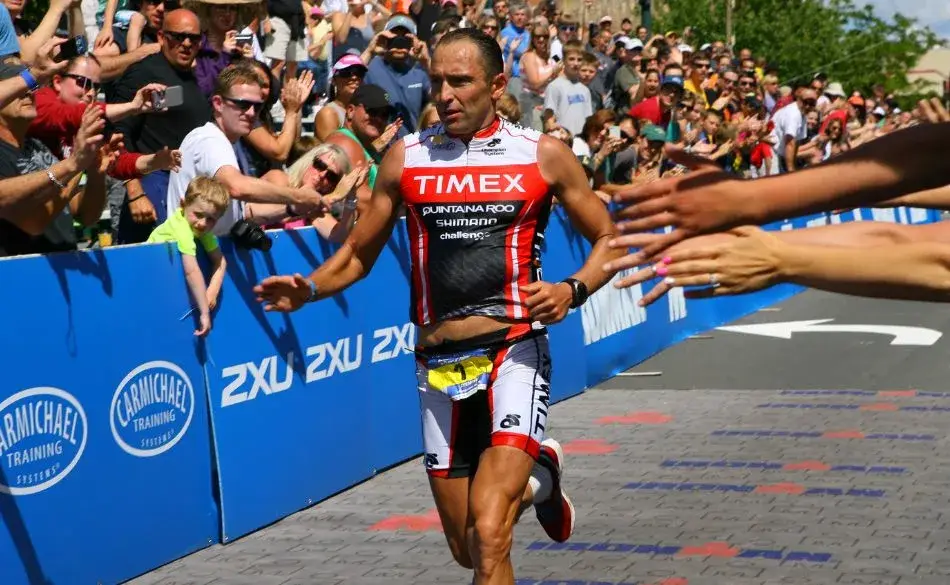
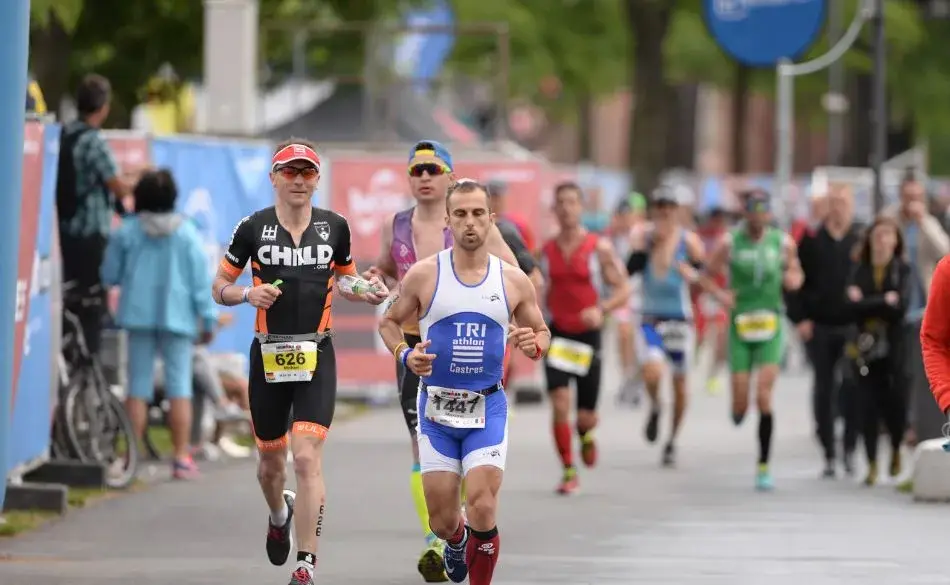
By the time you begin the marathon, you have already completed a 3.8 kilometre swim and 180 kilometres on the bike. That means you are starting the run with accumulated muscular fatigue, partially depleted glycogen stores, and a cardiovascular system that has been under load for several hours. Even if you feel composed leaving transition, the fatigue is already present, and it will influence how your body responds as the kilometres progress.
In a standalone marathon, you are managing fresh legs and a predictable pacing response. In an Ironman, the early kilometres can feel deceptively comfortable because adrenaline is high and the crowd energy is strong. However, small pacing decisions made early often surface later in the race. I frequently see athletes settle into what feels like a sustainable rhythm at 5 kilometres, only to find by 25 kilometres that posture begins to collapse, cadence slows, and holding pace becomes increasingly costly.
In most cases, this is not a fitness limitation. It is a durability and execution issue. For that reason, Ironman run training must focus on aerobic strength, mechanical resilience, and disciplined pacing rather than chasing speed. When you appreciate how different this marathon truly is, your entire preparation shifts toward building the ability to run efficiently under fatigue rather than quickly on fresh legs.


When Should You Start Training for the Ironman Marathon?
Once you understand how different the Ironman marathon is from a standalone race, the next logical question becomes timing. When should the run begin to take on a more specific focus within your overall Ironman preparation?
For most athletes, structured Ironman run development should begin approximately 16 to 20 weeks before race day. This does not mean abruptly increasing mileage or adding aggressive sessions. Instead, it involves gradually shifting your emphasis toward durability, consistency, and race-specific execution while still maintaining balance across swim and bike training. The run must develop within the framework of total load, not compete against it. That is also why your run progression should sit inside a properly periodised overall program rather than being built in isolation. A structured Ironman triathlon training plan ensures the swim, bike, and run progress together so that one discipline does not compromise another.
In the early phase of this period, aerobic consistency should be the priority. Shorter, controlled runs performed regularly create a stronger foundation than occasional long efforts that leave you fatigued for days. When athletes attempt to accelerate volume too quickly, recovery suffers and quality bike sessions are often compromised. Sustainable rhythm builds resilience far more effectively than sporadic high-load weeks.
As the weeks progress, specificity can be layered in carefully. Long runs extend incrementally. Brick sessions become more deliberate. Race-pace segments are introduced in controlled blocks so that pacing becomes intuitive rather than reactive. Each addition should follow a stable base rather than replace it.
The guiding principle throughout this phase is progression without spikes. You first establish aerobic strength and structural durability, and only then teach the body to execute under fatigue. This gradual approach allows you to reach race day feeling prepared rather than carrying accumulated stress into the taper.


How Many Times Per Week Should You Run?
With timing established, the next consideration is weekly frequency. Many athletes assume that preparing for an Ironman marathon requires high mileage and near-daily running. In practice, most age-group triathletes benefit more from consistent, moderate frequency than from extreme volume.
For the majority of athletes, running three to five times per week is sufficient when structured correctly. The objective is to build durability and reinforce rhythm without compromising recovery from swim and bike sessions. Because triathlon performance depends on balance across all three disciplines, the run must support the overall program rather than dominate it.
If you are newer to endurance training or returning from injury, three runs per week can provide an effective starting point. This might include one longer aerobic run, one brick session following a bike workout, and one steady aerobic session focused on controlled effort. As resilience improves, a fourth session can be introduced to increase frequency without dramatically increasing individual run duration. More experienced athletes with a strong run background may tolerate five sessions, provided that intensity remains controlled and recovery remains stable.
The key principle is that frequency develops structural resilience more safely than sudden mileage spikes. When you distribute workload across multiple sessions, connective tissue adapts gradually, and fatigue remains manageable. In contrast, concentrating volume into fewer sessions often leads to excessive soreness and reduced bike quality.
Ultimately, your run frequency should allow you to train consistently for months without interruption. That sustained rhythm is what builds the durability required for the final third of the Ironman marathon. If you want to explore how structured run development fits within broader triathlon preparation, you can review our triathlon run training resources for more detailed guidance.

Getting the Long Run Right for Ironman
With weekly frequency established, the long run becomes the central durability session in your program. However, it must be approached with a different mindset than traditional marathon preparation. The objective is not to prove you can cover the full distance in training, but to steadily build the resilience required to run well late in the race.
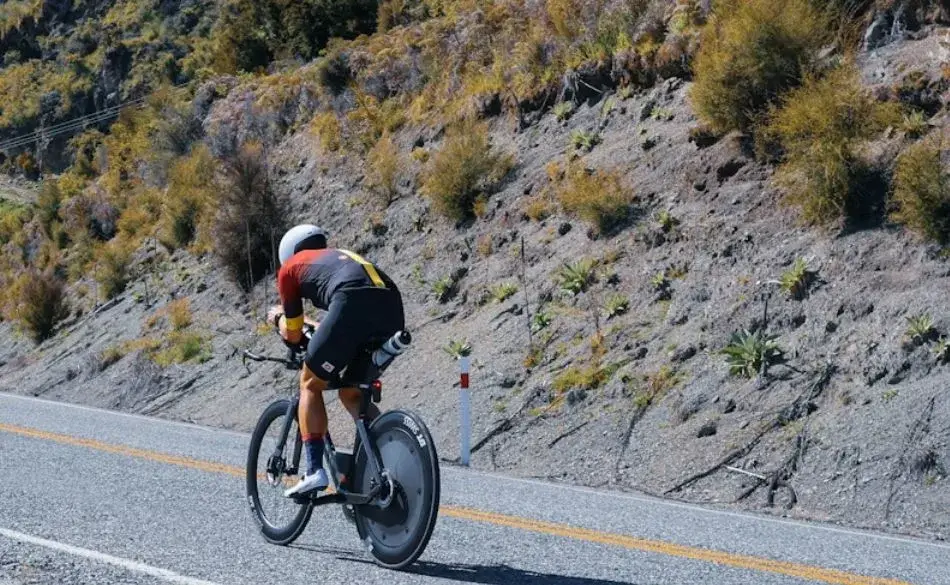
For most athletes, long runs will gradually extend into the 24 to 32 kilometre range as race day approaches. Running the full 42.2 kilometres in training rarely provides additional benefit and often creates unnecessary recovery cost. Because the Ironman marathon follows 180 kilometres of cycling, your long run must coexist with demanding bike sessions rather than compromise them.
Equally important is intensity control. Long runs should be completed primarily at an aerobic effort that allows you to maintain stable posture and consistent cadence throughout. When athletes allow intensity to drift upward, fatigue accumulates quickly and recovery becomes unpredictable. You should finish long runs feeling strong and composed rather than depleted.
As you move closer to race day, controlled segments at planned Ironman pace can be integrated into the latter portion of the long run. These segments allow you to practise pacing discipline and rehearse fueling while already carrying fatigue. The emphasis remains on sustainability rather than speed.
Over time, consistent long runs strengthen not only aerobic capacity but also mechanical resilience. They reinforce your ability to maintain rhythm, posture, and efficiency as fatigue builds gradually. Many of the small adjustments that improve late-race efficiency are subtle rather than dramatic, and I’ve outlined several of those practical refinements in this guide on Ironman triathlon running secrets. When executed with patience and progression, the long run becomes a confidence-building session that prepares you for the demands of the final third of the marathon.


How to Use Brick Sessions to Run Strong Off the Bike
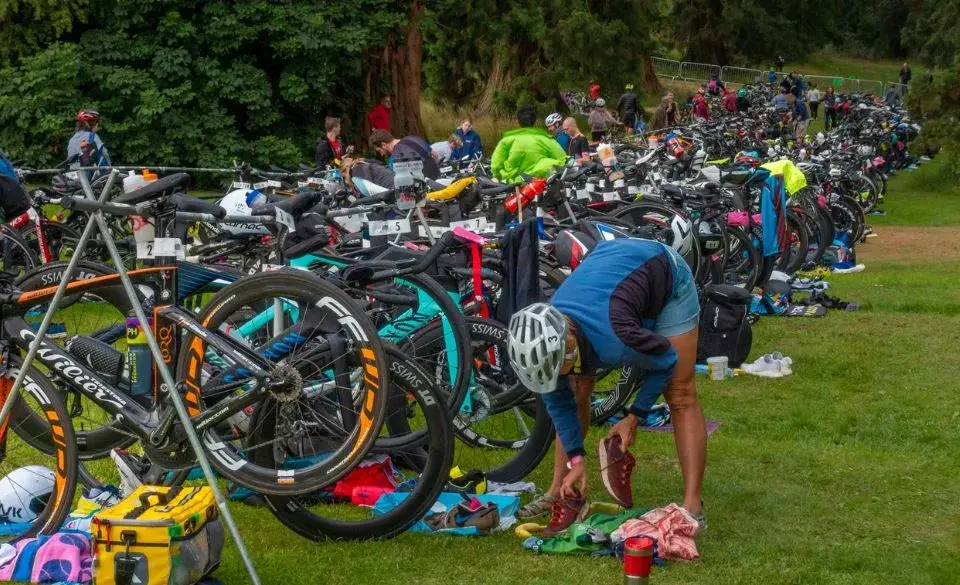
Once the long run is progressing steadily, the next layer of specificity comes from brick training. Because the Ironman marathon begins immediately after 180 kilometres of cycling, your body must learn to transition efficiently from one movement pattern to another while already carrying fatigue.
Running off the bike often feels unfamiliar, particularly in the first few kilometres. Stride length may shorten, cadence can drift, and the hips may feel restricted. This sensation is not simply tired legs; it reflects the neuromuscular shift from cycling mechanics to running mechanics under accumulated load. If this transition is not practised in training, it can create pacing errors and unnecessary stress on race day.
For that reason, brick sessions should be included regularly, although they do not need to be excessive in duration. A controlled 20 to 30 minute aerobic run after a steady ride is often sufficient to reinforce rhythm, posture, and breathing control. The emphasis should remain on smooth execution rather than pace. When athletes chase speed in brick sessions, they frequently undermine the purpose of the workout.
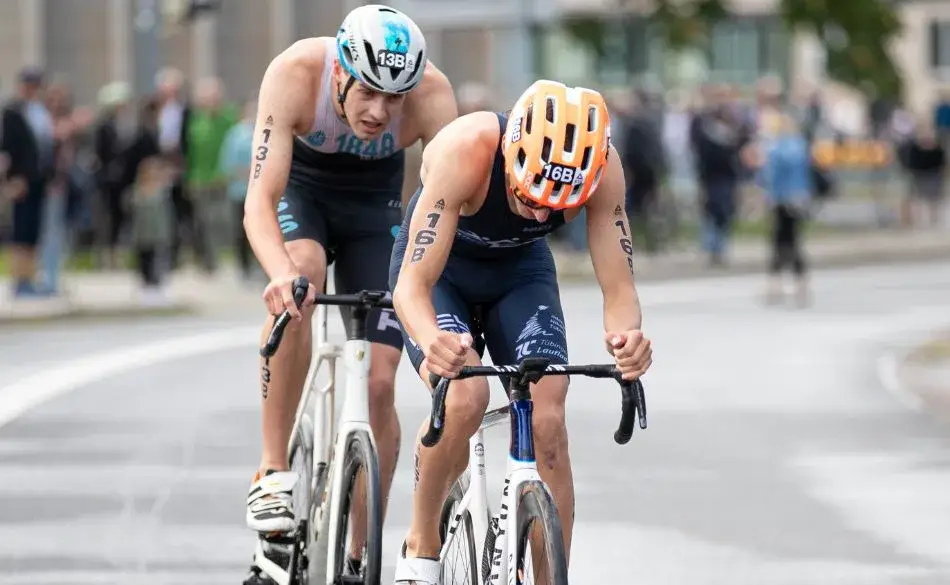
As the race approaches, longer rides followed by steady aerobic brick runs allow you to rehearse race execution more realistically. These sessions provide valuable feedback. If the run feels disproportionately difficult, the issue is often bike pacing rather than run fitness.
Over time, consistent brick work reduces the shock of transition and builds confidence. Instead of reacting emotionally in the opening kilometres of the marathon, you settle into a controlled effort that you have already practised repeatedly in training.

How to Pace the Ironman Marathon Properly
With long runs and brick sessions building durability, pacing becomes the skill that ultimately determines how well you execute on race day. In Ironman racing, the difference between a strong finish and a difficult final hour is rarely raw fitness. It is almost always pacing discipline.
The early kilometres of the marathon often feel deceptively manageable. After leaving transition, adrenaline is high and the crowd energy can mask fatigue. However, because you are already carrying hours of accumulated load, even small pacing errors early in the run can magnify later. A pace that feels comfortable at 5 kilometres may feel unsustainable by 25. If you want a deeper breakdown of how to control those early decisions and execute the back half of the race properly, I’ve written more about mastering the Ironman run and what actually separates strong finishers from those who fade.
For that reason, the opening 10 kilometres should feel controlled and slightly conservative. Your breathing should remain calm, heart rate should stay stable, and you should sense that you are holding back rather than pressing forward. This restraint is not weakness; it is strategic discipline that protects your performance in the final third of the race.
As you move beyond halfway, pacing shifts from comfort to stability. The focus becomes maintaining posture, cadence, and fueling consistency rather than chasing speed. The Ironman marathon often reveals itself after 30 kilometres, when accumulated fatigue tests your execution.
Athletes who pace effectively rarely surge or react emotionally. Instead, they maintain steady effort and allow others to fade. Over time, this patient approach produces stronger closing kilometres.
Ironman pacing is therefore less about aggression and more about composure. When you train with that mindset, you position yourself to run consistently from start to finish rather than managing damage late in the race.

Strength Training for Ironman Run Durability
While aerobic development and pacing discipline form the foundation of Ironman run training, structural durability plays an equally important supporting role. Over the course of a long race day, small mechanical breakdowns can compound into significant losses of efficiency. Strength training helps protect against that decline.
Running a marathon after 180 kilometres of cycling places sustained stress on the hips, glutes, hamstrings, calves, and core. As fatigue builds, posture can begin to collapse, stride mechanics may deteriorate, and cadence can gradually slow. When this happens, energy cost rises and maintaining pace becomes progressively more difficult.
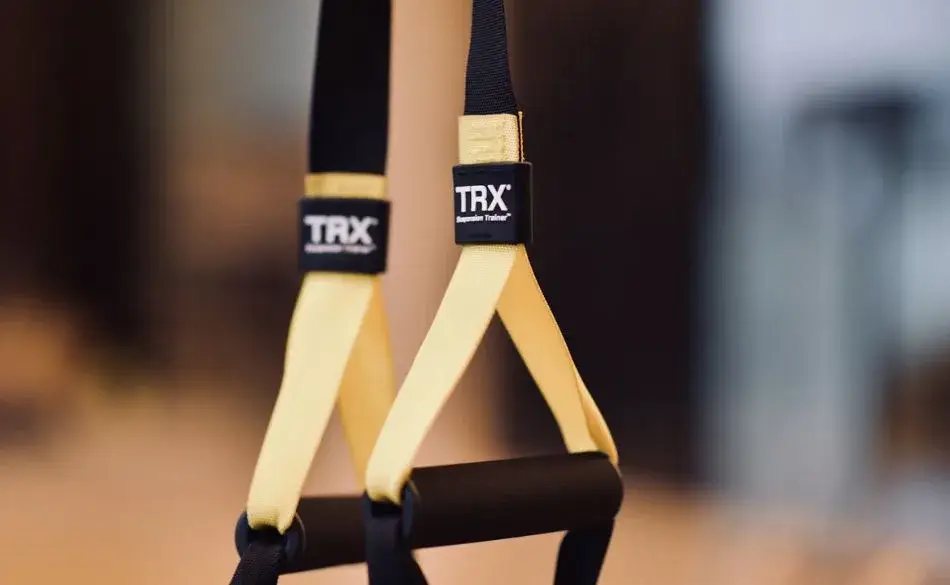
For that reason, consistent strength work should be included throughout the early and middle phases of your build. The emphasis should remain on controlled, functional movements that reinforce stability and posture under load. Single-leg exercises, hip stability drills, glute strengthening, and core control are particularly valuable because they directly support efficient run mechanics.
The goal of strength training in this context is not maximal power or muscle size. It is resilience. Two sessions per week are generally sufficient, provided that they complement rather than compromise key endurance sessions. As race day approaches, volume can be reduced while maintaining movement quality to preserve structural integrity.
When integrated properly, strength training reduces injury risk and supports mechanical efficiency late in the marathon. It provides the physical foundation that allows aerobic fitness and pacing discipline to express themselves fully under fatigue.

Getting Your Fueling Right for the Ironman Run
By the time you begin the Ironman marathon, fueling decisions made earlier in the race are already influencing how you feel. However, preparation for that moment starts well before race day. Just as you train your aerobic system and pacing discipline, you must also train your fueling strategy.
During long runs and brick sessions, carbohydrate intake should be practised deliberately. This includes testing timing, quantity, and product choice under fatigue. What feels comfortable during a fresh 60-minute run can feel very different after several hours of accumulated load. If fueling is not rehearsed under realistic conditions, uncertainty often appears when fatigue is highest.
Consistency tends to outperform reactive strategies. Small, regular intake is usually more effective than large, infrequent doses. Athletes who skip fueling early because they “feel fine” often encounter energy decline later in the race. Conversely, overcorrecting when fatigue appears can create gastrointestinal distress that disrupts pacing.
Hydration and electrolyte intake also require attention. Heart rate drift late in the marathon is frequently influenced by hydration status as much as pacing. Training in warmer conditions can help you understand your personal fluid needs and refine intake patterns.
Over time, these sessions build confidence. You learn how your body responds, how much carbohydrate you tolerate, and how to maintain steady intake without discomfort. On race day, fueling becomes a controlled process rather than a guess. That broader execution — including pacing, transitions, and decision-making under fatigue — is explored further in our triathlon race day articles, where we break down how to manage the entire day effectively.

Avoiding Common Ironman Run Training Mistakes
Even with a structured plan in place, small errors repeated consistently can undermine Ironman marathon preparation. These mistakes are rarely dramatic, but over time they accumulate and affect durability, recovery, and execution.
One of the most common issues is running too hard too often. Because many athletes come from a running background, there can be a tendency to treat key sessions as performance tests rather than controlled development. However, Ironman success is built on aerobic strength and pacing discipline. When intensity dominates too many sessions, fatigue accumulates, bike quality declines, and injury risk increases.
Another frequent mistake is applying standalone marathon logic to Ironman preparation. High mileage and aggressive speed work may improve open marathon times, but they often compromise the balance required in triathlon training. The run must coexist with demanding swim and bike workloads rather than replace them.
Neglecting brick sessions is also problematic. Without practising the transition from cycling to running, pacing becomes guesswork on race day. The early kilometres of the marathon should feel familiar, not surprising.
Finally, abrupt mileage increases can create unnecessary setbacks. The body adapts best to gradual, consistent load. Sudden spikes may feel productive in the short term but often lead to fatigue or injury that interrupts training continuity.
When these mistakes are removed, preparation becomes simpler and more sustainable. Consistency, controlled effort, and patient progression consistently produce stronger results than aggressive short-term gains.

How to Taper Properly for the Ironman Marathon
After months of consistent preparation, the final phase before race day requires a deliberate shift in focus. The purpose of the taper is not to gain additional fitness, but to allow the durability and aerobic strength you have built to fully express themselves.
In the final two to three weeks before the race, overall run volume should gradually decrease while frequency often remains relatively stable. This approach maintains rhythm and neuromuscular familiarity without accumulating unnecessary fatigue. Short, controlled sessions that include brief segments at planned race pace can help preserve efficiency and reinforce pacing discipline.
It is important to resist the urge to test fitness during this period. Hard efforts close to race day rarely improve performance and often create doubt or residual soreness. Instead, each session should feel purposeful and controlled, reinforcing confidence rather than chasing new adaptations.
The timing of the final long run is also significant. Most athletes will complete their longest session two to three weeks before race day. From that point forward, duration decreases progressively while effort remains steady and predictable.
A well-executed taper often leaves you feeling slightly restless, which is a positive sign. That sense of readiness indicates that fatigue is receding while fitness remains intact.
When race morning arrives, your legs should feel responsive rather than heavy. The taper is therefore not simply about doing less, but about reducing load intelligently so that your preparation can translate into performance.

Bringing Your Ironman Run Training Together
When you step back and look at the full picture, Ironman run preparation is less about complexity and more about layered consistency. Each component of your training supports the others, and when structured properly, they build toward the same outcome: controlled execution late in the race.
A typical four-week block might include one progressively structured long run, one purposeful brick session, one steady aerobic run, and one controlled race-pace session each week. Across the block, long run distance increases gradually rather than dramatically. Brick sessions reinforce rhythm off the bike. Race-pace work is inserted carefully so it strengthens discipline without compromising recovery. A lighter week then allows absorption before the next progression begins.
None of these sessions should feel extreme in isolation. Their effectiveness comes from repetition over months. Long runs build aerobic durability. Brick sessions remove the uncertainty of transition. Strength training supports posture under fatigue. Fueling practice reinforces stability. Pacing discipline prevents late-race collapse.
By the time race day arrives, nothing should feel unfamiliar. You have practised running on fatigued legs. You understand your fueling rhythm. You know how early restraint protects late performance. That familiarity builds confidence.
The athletes who run well in an Ironman are rarely the ones chasing aggressive splits. They are the ones who stay composed, trust their preparation, and maintain steady effort when others begin to fade. If you want a deeper look at how to manage that final phase of the race when fatigue builds and decisions matter most, I’ve outlined that in more detail in this guide on how to conquer Ironman runs.
Ultimately, your goal is not to survive the marathon, but to execute it. When training is layered intelligently and applied consistently, you give yourself the best chance to run strongly all the way to the finish line.
Understanding how to train for the Ironman marathon is one thing. Executing the right long runs, brick sessions, pacing work, and progression week after week is where most athletes fall short. Small structure mistakes early in the build often show up in the final 10 kilometres on race day.
If you want a clear, structured approach to Ironman run preparation, Ironman running training plan at SportCoaching provides progressive long runs, brick integration, pacing guidance, and race-ready preparation designed specifically for the demands of the Ironman marathon.
View the Ironman run training plan