Understanding the Core Difference Between Incline Walking and Running
When comparing incline walking vs running, you’re looking at two effective but distinct paths to better endurance and cardiovascular health. Both strengthen your legs, boost calorie burn, and build fitnessbut they do so through very different mechanics.
Incline walking, especially on a treadmill incline between five and fifteen percent, forces your body to work harder against gravity. Studies show that walking at a 10 % incline increases your energy expenditure by more than 100 % compared with flat walking. This greater demand engages your glutes, hamstrings, and calves much more intensely while still keeping impact low. Because one foot always stays on the ground, it qualifies as low-impact cardio, reducing stress on your knees, hips, and ankles. That makes it an ideal option for beginners, older adults, or anyone returning from injury.
Running, by contrast, emphasizes speed and stride mechanics. Each step briefly leaves the ground, creating more joint impact but also elevating your heart rate faster. Runners tend to burn more calories per minute because of this higher intensity. Over time, consistent running improves aerobic capacity, stamina, and overall cardiovascular efficiency. However, the trade-off is increased risk of overuse injuries if mileage or intensity rises too quickly.
Think of uphill walking as controlled climbingsteady, deliberate, and muscle-focusedwhile running feels like forward momentum and rhythm. Both strengthen your lower body, but in different ways: incline walking improves muscular endurance and joint stability, while running develops power, pace, and cardiovascular resilience.
These findings line up with research showing that incline walking can rival the calorie burn of running when the grade and duration are increased. For a deeper dive into how both exercises compare in calorie output, fat use, and joint impact, check out this comprehensive article from Verywell Health.
If your goal is long-term fitness with less wear and tear, incline walking provides a sustainable foundation. But if you thrive on intensity and efficiency, running remains one of the fastest routes to improved conditioning. The smartest plan? Blend both to enjoy their unique strengths.


Calorie Burn and Weight Loss Comparison
When comparing incline walking vs running for calorie burn, the biggest difference comes from intensity and time. Running usually burns more calories per minute because of its faster pace and higher heart rate demand. But with the right slope and duration, walking on a treadmill incline can come surprisingly close to those totals.
Research shows that walking at a ten percent incline increases energy cost by roughly twenty to forty percent compared with walking on flat ground. Steeper grades raise the burn even further. Studies on uphill walking workouts, such as the well-known twelve-three-thirty method, found that longer, brisk sessions can approach the calorie burn of shorter jogs when intensity and slope are high enough.
Fuel use also differs between the two workouts. Incline walking relies on a slightly higher percentage of fat for energy, while running draws more heavily on carbohydrates. However, total calories remain the key factor for fat loss. Because running expends more energy each minute, it can produce greater overall calorie burn in a shorter time frame. In contrast, incline walking lets you extend your session and train more frequently thanks to its low impact cardio nature.
For new exercisers, starting with a moderate five to ten percent incline is both safe and effective. As strength builds, increasing the slope or extending your walk enhances calorie burn without adding joint stress. Experienced runners can mix in uphill walking sessions for recovery days to maintain energy use while reducing impact strain.
Overall, both approaches contribute to healthy weight management. Running is ideal for quick, high-intensity calorie burning, while incline walking supports endurance and sustainability. Under the right conditions, incline walking may approach the calorie burn of running, but consistency and enjoyment are what truly drive long-term results.
Every runner, from beginner to elite, benefits from structure and balance. Our Running Coaching programs are designed to help you train smarter, recover better, and perform stronger. Each plan is built around your fitness level, goals, and lifestyle. Giving you the right mix of intensity and rest to keep improving safely.
- Personalized training structure: sessions tailored to your pace, distance, and recovery needs
- Smart recovery planning: reduce fatigue and prevent injury through data-driven rest strategies
- Performance development: improve speed, endurance, and efficiency with proven running methods
- Ongoing expert feedback: continuous support from professional running coaches to keep you progressing
Run with purpose, recover with intent, and reach your next personal best with a structured coaching plan built for you.
Start Running Coaching →

Comparing Key Metrics: Which Workout Wins?
When you break down incline walking vs running, it becomes clear that both share similar goals but achieve them differently. Each affects your muscles, joints, and energy systems in unique ways. Understanding these differences helps you choose the method that fits your fitness level and recovery needs.
The table below highlights the main distinctions drawn from current research and exercise physiology findings.
👉 Swipe to view full table
| Feature | Incline Walking | Running |
|---|---|---|
| Calorie Burn | Energy cost rises by about 20–44 % as the incline increases vs flat walking. Longer, brisk sessions may approach running totals under steep grades or extended duration. | Burns more calories per minute due to higher pace and intensity. More time-efficient for total energy expenditure. |
| Muscle Activation | Emphasizes glutes, hamstrings, and plantar-flexors. Uphill movement increases hip and knee extensor activity vs level walking. | Engages lower-body and core dynamically. Produces stronger concentric contractions and overall workload. |
| Joint Impact | Low-impact; one foot always in contact, reducing stress on knees and hips. Ideal for low impact cardio and rehab. | Higher joint loads; forces can reach roughly 2–4× body weight depending on speed and stride. Builds bone and tendon strength but raises overuse risk. |
| Fat Utilization | Some studies suggest a slightly higher fat-fuel percentage compared with running when calories are matched. | Relies more on carbohydrates at higher intensities but still burns more total fat due to greater calorie output. |
| Accessibility | Excellent for beginners or those wanting reduced impact while maintaining fitness. | Best for experienced exercisers aiming to improve aerobic capacity and speed. |
From a physiological standpoint, running delivers faster improvements in cardiovascular endurance, while incline walking develops lower-body strength and joint stability with less stress. Think of running as a high-intensity sprint toward fitness, and incline walking as the steady climb that strengthens the foundation beneath it. If you’ve ever wondered whether treadmill running feels different, learn more in our is it easier to run on a treadmill guide that breaks down how treadmill mechanics influence effort and results.
The most effective routine often combines both: short runs for heart-rate elevation and longer uphill walking sessions for recovery and muscular endurance. This balanced approach maximizes progress while protecting your joints and energy levels.
If you’d like to explore how incline walking stacks up against a stair-climber style workout, don’t miss our in-depth article StairMaster vs Incline Treadmill, which breaks down the muscle, impact and calorie differences between the two machines.


Muscle Activation and Training Benefits
Both incline walking and running strengthen the lower body, but they do so in slightly different ways. When you walk on a treadmill incline, your posterior chain, including the glutes, hamstrings, and calves, works harder with every step. The slope forces these muscles to produce more force to lift your body upward, which builds endurance and noticeable tone over time.
This controlled uphill motion provides a resistance like muscular load. Because your feet remain grounded, each step lengthens the muscle under tension, helping improve joint stability and balance. Performed with steady cadence and posture, incline walking reduces joint load compared to running and can support knee and hip health when your form is sound.
Running targets the same major muscle groups but adds greater eccentric loading during each landing. That challenge enhances strength and neuromuscular efficiency and raises your heart rate quickly. It also requires more recovery between hard sessions, especially if your mileage or pace increases faster than your body can adapt.
Here is a simple breakdown of how each activity benefits key areas of your body:
- Incline walking: Increases glute and hamstring activation, improves ankle and knee stability, boosts balance, and builds muscular endurance with low impact cardio.
- Running: Improves aerobic capacity, supports bone density and tendon adaptation over time, develops coordination, and refines stride mechanics for speed.
From a practical point of view, you can use incline walking on recovery days or whenever joints feel sensitive. It keeps your legs working without excessive fatigue. Runners also benefit from adding one or two uphill walking sessions each week to maintain training volume and leg strength while lowering overall impact.
Whether your goal is better endurance or happier joints, alternating incline walking and running delivers complete development. You gain steady strength, stable movement, and durable conditioning that lasts. It is not about picking a winner. It is about choosing the right tool at the right time and letting both methods support your long term progress.
For more ideas on how to build strength and stability through walking, explore our Ultimate Guide to Walking Exercise Routines to structure your sessions effectively.
Every strong cyclist knows performance is built on structure, not guesswork. Our Cycling Coaching programs are designed for riders who want to train smarter, recover faster, and reach peak fitness with personalized, data-driven plans. Whether you’re targeting a race, a long-distance event, or all-around improvement, our coaching brings clarity and focus to your training.
- Structured power development: targeted sessions to increase FTP and endurance strength
- Custom performance analytics: track progress with professional training data reviews
- Recovery optimization: tailored workloads that balance fatigue and adaptation
- Ongoing expert support: direct feedback from experienced cycling coaches
Train with purpose, master your power, and unlock your best performances with personalized cycling coaching.
Start Cycling Coaching →
Pros and Cons of Incline Walking vs Running
When deciding between incline walking vs running, it helps to weigh the advantages and trade-offs of each. Both can transform your cardiovascular health, strengthen your legs, and boost energy levels, but the best option depends on your fitness experience, recovery capacity, and personal preferences.
Here is a quick comparison of what each method offers:
- Incline Walking – Pros
- Low-impact and gentle on joints, making it ideal for beginners, older adults, and injury prevention.
- Improves glute and hamstring activation while enhancing posture and balance on a treadmill incline.
- Can be performed frequently since recovery time is shorter.
- Encourages steady-state fat metabolism during longer sessions.
- Adaptable for multitasking (listening to podcasts or reading) without losing focus on form.
- Incline Walking – Cons
- Burns fewer calories per minute than running unless duration or incline is significantly increased.
- Less cardiovascular intensity, so improvements in VO₂ max happen more slowly.
- Requires more time to match the calorie output of a moderate run.
- Running – Pros
- High calorie burn and time efficiency; ideal for weight management and aerobic conditioning.
- Strengthens bones and tendons through repeated impact, supporting long-term musculoskeletal health.
- Improves heart and lung capacity faster than lower-intensity walking workouts.
- Enhances mental focus and releases endorphins that elevate mood.
- Running – Cons
- Higher joint impact can lead to overuse injuries if mileage increases too quickly.
- Demands longer recovery and careful attention to footwear and surface choice.
- Not ideal for everyone, especially during rehab or when managing chronic pain.
Ultimately, combining the two delivers the most balanced fitness approach. Use uphill walking for sustainable endurance and active recovery, and reserve running for days when you want intensity, challenge, and a powerful cardiovascular push.


Training Recommendations and Sample Schedule
Finding the right balance between incline walking and running can help you build endurance without overtraining. Whether your goal is weight loss, cardiovascular fitness, or simply feeling stronger, mixing both creates steady progress and protects your joints.
Use this simple structure as a weekly guide. Adjust the incline, pace, or distance based on your energy levels and recovery time.
- Day 1 – Steady Incline Walk: 35–45 minutes at a 5–8 % treadmill incline. Keep effort moderate. You should be able to talk but not sing. Focus on smooth, controlled strides and upright posture.
- Day 2 – Easy Run: 25–30 minutes on flat ground at a comfortable pace. Aim for even breathing and light foot strikes.
- Day 3 – Rest or Mobility: Stretch hips, calves, and hamstrings. A short recovery walk or yoga session maintains blood flow without fatigue.
- Day 4 – Incline Intervals: Alternate 2 minutes at 10–12 % incline with 2 minutes flat walking for 30 minutes total. This builds power while staying low impact.
- Day 5 – Tempo Run: 20–25 minutes slightly faster than normal pace. This improves aerobic capacity and running efficiency.
- Day 6 – Uphill Walking Recovery: 30 minutes at 6 % incline. Keep heart rate low—this session enhances circulation and endurance without joint stress.
- Day 7 – Rest: Full recovery or gentle stretching. Listen to your body; rest is part of training.
To progress, increase your total weekly duration by about ten percent every two to three weeks. As your fitness improves, you can gradually raise your uphill walking grade or add short running intervals within longer walking sessions. This hybrid approach maintains variety and motivation while steadily improving endurance and strength.
For precise guidance on setting your treadmill incline for different goals, explore our detailed article What Should You Set the Running Machine Incline To? to dial in your settings with confidence. If you’re looking for fresh workout ideas to keep your sessions exciting and effective, check out our 10 Treadmill Workouts for Runners guide for detailed, goal-focused sessions you can plug into your week.


Performance and Recovery Benefits
Mixing incline walking and running does more than improve fitness, it creates balance between intensity and recovery. Many athletes use treadmill incline sessions to maintain endurance while avoiding overuse injuries from constant high-impact training.
Incline walking builds muscular endurance in the posterior chain, especially the glutes and hamstrings. Those stronger muscles help runners maintain better form during long efforts and reduce fatigue near the end of races. Because the movement stays low impact, it also lets you recover faster and train more frequently throughout the week.
Running complements those benefits by pushing cardiovascular limits. Higher heart rates stimulate oxygen efficiency and aerobic capacity, key factors in performance improvement. Combining both forms of exercise develops a complete system—muscles strong enough to support speed, and a heart efficient enough to sustain it.
Here is how alternating sessions helps your progress:
- Improved endurance: Uphill walking enhances stamina without overloading your joints.
- Better recovery: Active recovery sessions promote blood flow and flush waste products, helping you bounce back after intense runs.
- Injury prevention: Low-impact days lower stress on connective tissue while maintaining aerobic conditioning.
- Performance boost: Stronger glutes and hamstrings improve stride mechanics and power transfer in running.
For most people, a 2:1 ratio (two running days for every one incline walking session) delivers strong results while preserving recovery. When fatigue builds, shift to more uphill walking days until energy levels return.


Mistakes When Comparing Incline Walking vs Running
Even simple forms of exercise can go wrong if you rush progress or overlook technique. When practicing incline walking vs running, a few common errors can limit your results or increase discomfort. Awareness of these issues keeps your training safe and productive.
- Going too steep too soon: Jumping straight to a high incline strains calves and Achilles tendons. Start with five percent and increase gradually as strength improves.
- Leaning forward on the incline: Hunching or holding the front rails reduces glute engagement and can cause back tension. Keep your spine tall and your arms moving naturally.
- Skipping warm-ups and cooldowns: Transitioning from rest to effort too fast elevates injury risk. Walk slowly for five minutes before and after each workout.
- Overtraining with daily running: Too much impact without rest can cause fatigue or joint pain. Balance running with low impact cardio like incline walking to stay consistent.
- Neglecting recovery nutrition: Replace fluids and carbohydrates after longer sessions to restore energy and support muscle repair.
By avoiding these pitfalls, your treadmill incline sessions and runs will feel smoother, stronger, and more enjoyable. Think of training as a long-term investment, consistent, balanced, and focused on steady improvement rather than quick gains.
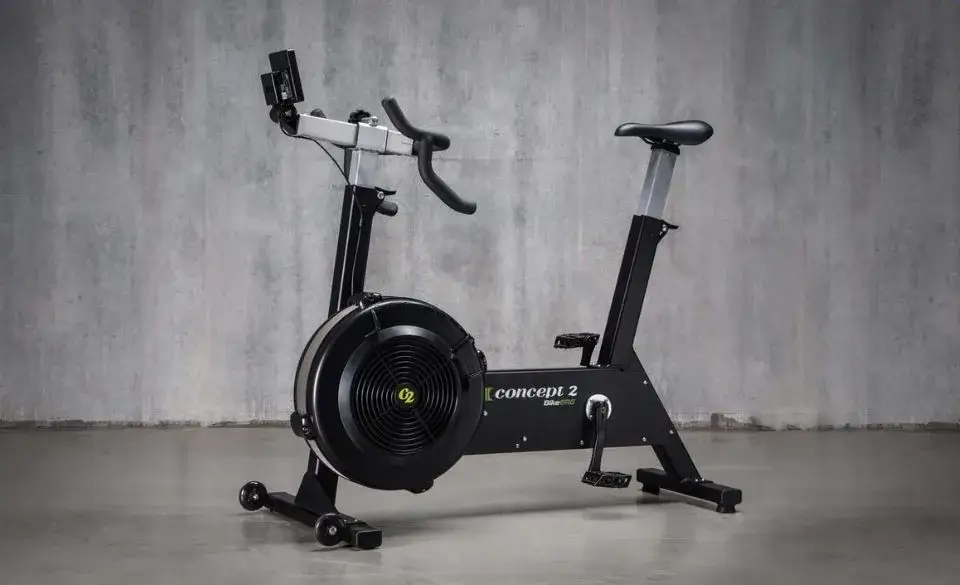
Considering other machines for recovery or variety? Our guide on Treadmill vs Bike shows how different cardio equipment stacks up for endurance, impact and time efficiency.

Stronger Legs Start with Simple Ankle Weight Exercises
Choosing between incline walking vs running isn’t about declaring one better than the other. It’s about understanding what your body needs right now and what helps you stay consistent long term. Some days call for the quiet grind of uphill walking, where every step strengthens your legs and clears your mind. Other days, you might crave the rush of a fast run that leaves your heart pounding and your energy soaring.
If you’re new to exercise or returning after a break, start with incline walking. It builds endurance, tones the lower body, and keeps stress off your joints. Once that foundation feels strong, layer in gentle runs to challenge your cardiovascular system. Over time, alternating both creates a sustainable rhythm that delivers strength, speed, and confidence without burnout.
For seasoned runners, incorporating treadmill incline sessions adds variety and recovery. You’ll maintain fitness while letting your muscles and joints reset (a key step toward long-term performance). For walkers, sprinkling in occasional jogs helps lift your heart rate and keep training exciting.