Marathon du Médoc France
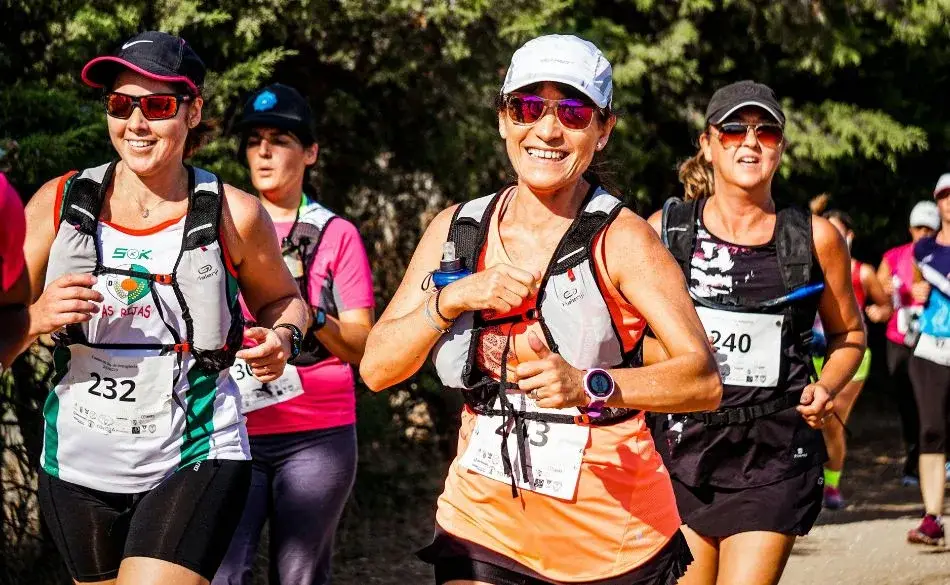
If you talk to runners who’ve done the Marathon du Médoc, they rarely start by describing the course or their finish time. Most of them smile or laugh first, because the memory that sticks isn’t the effort, it’s the feeling of the day. From the moment you arrive, it’s obvious this race doesn’t take itself too seriously, and that attitude quietly shapes everything that follows.
The marathon takes place in the wine region outside Bordeaux, with the route moving through vineyards, small villages, and long open roads that feel calm rather than exposed. There’s no sense of being funnelled or hurried. You find your rhythm early, and because the surroundings are gentle and varied, the distance feels less confrontational than it often does in big city races.
Aid stations are where Médoc really separates itself from a traditional marathon. Alongside water and basic nutrition, runners are offered local food and wine, and that small detail changes the pace of the day. People slow naturally, exchange a few words, laugh at the absurdity of it, and then keep moving. The race stops feeling like a countdown and starts feeling like a sequence of moments.
For runners who are still building confidence with longer distances, understanding what percentage of people can run a half marathon often helps put events like this into perspective, because the focus shifts from performance to simply enjoying the experience.
A few things define the Médoc experience once you’re on the course:
- Aid stations feel social rather than rushed, which breaks the race into manageable pieces
- Costumes are everywhere, making conversation and humour feel normal even late in the race
- Walking, stopping briefly, and taking photos are accepted without judgement
- The focus stays on enjoyment rather than splits or finishing position
Costumes in particular play a bigger role than you might expect. Because almost everyone dresses up, there’s an unspoken agreement that today isn’t about proving anything. You end up talking to people you’d normally ignore, sharing small moments when things start to hurt, and realising the effort feels easier when it’s shared.
What stands out most is how little pressure exists from start to finish. You still run a full marathon, and your legs still know it by the end, but mentally the experience feels lighter and more forgiving. This is the kind of race runners remember years later, not because of what they achieved, but because of how it felt to be there.
Choosing a marathon that excites you is only half the story. How you prepare shapes how the day actually feels. With personalised support through our Running Coaching , your training is built around your goals, your schedule, and the type of marathon experience you want to have.
Your coach helps you manage pacing, fueling, and recovery so you arrive at race day confident, prepared, and able to enjoy the atmosphere rather than stress about the distance.
Whether you’re aiming for a celebration-style marathon, a scenic adventure, or your first relaxed 42.2 km, tailored coaching helps you train with purpose and run the day your way.
Explore Running Coaching

Midnight Sun Marathon Tromsø Norway
The first strange thing about the Midnight Sun Marathon is the time on your watch. You line up late in the evening, knowing the race will start when your body thinks it should be winding down, yet the sky tells a different story. It’s still light. Bright enough that it feels like early afternoon. That contradiction sets the tone before you’ve taken a single step.
This marathon takes place in Tromsø, well above the Arctic Circle, during the height of summer when the sun never fully sets. You run through city streets, over bridges, and along coastal roads with mountains and water always in view. The scenery doesn’t shout for attention, but it quietly keeps you company, which matters more than you expect once the kilometres start to stack up.
Crowds are smaller than big-city races, but they’re committed. Locals stay out late to cheer, ring bells, and call encouragement through the night, often wrapped in jackets and hats despite the calendar saying summer. That shared effort creates a connection between runners and spectators that feels personal rather than performative.
What surprises many runners is how social the race feels. Because nobody is chasing a “normal” marathon experience, people talk more, pace more flexibly, and seem less concerned about how they look or how fast they’re going. You’re all there for the same unusual reason, and that shared novelty breaks down barriers quickly.
A few things shape the Midnight Sun experience once you’re running:
- A late-night start that immediately removes traditional race pressure
- Continuous daylight that makes time feel distorted and less important
- Cool temperatures that stay comfortable even deep into the race
- A relaxed field where conversation and shared pacing feel natural
Physically, the course includes gentle rises and turns, but nothing extreme. The real challenge is mental, as your body runs while your internal clock feels slightly confused. Most runners find that once they settle into the rhythm, the strangeness becomes part of the enjoyment.
This is not a marathon you sign up for convenience. It’s one you choose because the idea alone makes you curious. Long after the race, what people remember isn’t the distance, but the feeling of running through the night in full daylight, surrounded by others who wanted to experience the same thing.


Loch Ness Marathon Scotland
The Loch Ness Marathon feels like a slow burn rather than a spectacle. It doesn’t grab you with noise or novelty at the start. Instead, it grows on you as the miles pass, which is part of why runners often describe it as unexpectedly enjoyable. You don’t realise how much you’re enjoying it until you’re well into the race.
The course starts outside Inverness and runs point-to-point along the edge of Loch Ness. From early on, the scenery does the heavy lifting. Open water, rolling hills, and long quiet stretches give the race a sense of space that’s rare in marathons. You’re not dodging crowds or navigating tight corners. You’re just moving forward, which makes it easier to settle into a steady rhythm.
Crowd support is modest but sincere. Locals show up in small clusters, often with signs or bells, and the encouragement feels personal rather than overwhelming. Aid stations are calm and well spaced, which helps the race flow without feeling rushed. It’s the kind of environment where you can focus on running without feeling isolated.
What makes Loch Ness stand out is how balanced the experience feels. The course is challenging enough to stay interesting, but never punishing. The atmosphere is supportive without being loud. You’re aware you’re running a serious marathon, but it never tips into feeling intense or stressful.
A few things define the Loch Ness experience once you’re on the course:
- A point-to-point route that avoids repetitive loops
- Scenic views that stay consistent rather than distracting
- Smaller crowds that create a calm, focused atmosphere
- A finish in Inverness that feels welcoming and earned
Physically, there are rolling sections that require patience, especially later in the race. Mentally, though, many runners find the race easier than expected. The quiet stretches give you time to settle, while the scenery keeps your mind from drifting too far inward.
This is a marathon that suits runners who enjoy space, scenery, and a sense of journey. It doesn’t shout for attention, but by the time you reach the finish, it’s clear why so many people quietly recommend it to others looking for a marathon that feels genuinely enjoyable to run.
Reykjavik Marathon Iceland
The Reykjavik Marathon feels different before you even start running. The city is small, the air is cool, and nothing feels rushed. You don’t get that sense of being swallowed by an event. Instead, it feels like the race has been carefully placed into the city for the day, and you’re being invited to move through it.
The course loops through Reykjavik and along the coastline, with long views over water, low buildings, and open sky. There’s a lot of visual space, which makes a bigger difference than most runners expect. When you’re not boxed in by crowds or concrete, it’s easier to stay relaxed and let the miles pass without constantly checking your watch.
Crowd support is steady but understated. Locals cheer, ring bells, and offer encouragement without overwhelming the course. Aid stations are calm and well organised, and volunteers take the time to look runners in the eye rather than rush them through. That tone carries through the whole race and helps keep nerves in check, especially later on.
What stands out most is how approachable the race feels. There’s a wide mix of abilities, and no one looks out of place. Walking breaks are common. Groups form naturally. Conversations start and stop without effort. It feels less like a performance and more like a shared challenge unfolding at a comfortable pace.
A few things shape the Reykjavik experience once you’re running:
- Cool summer temperatures that stay comfortable across the full distance
- Coastal sections that give your eyes somewhere to rest when fatigue sets in
- A compact city layout that avoids long, empty stretches
- A relaxed field where personal pacing feels respected
Physically, the course includes gentle rises, but nothing severe. The bigger challenge is staying patient rather than pushing too hard early, because the calm environment can make the effort feel deceptively easy.
This is a marathon that rewards runners who enjoy balance. It offers enough energy to keep you engaged, but enough quiet to let you settle into yourself. By the finish, you don’t feel drained by the experience. You feel like you’ve been part of something well considered, which is exactly why so many runners leave Reykjavik already thinking about coming back.
If you’re inspired by a range of unique and enjoyable races around the world but want to find excellent options closer to home, you might also enjoy exploring the best marathons in Australia, which highlights events that balance scenery, atmosphere, and runner experience.
Choosing the right marathon is only part of the journey. How you prepare determines whether race day feels manageable or overwhelming. Our Marathon Running Training Plan is designed to build fitness steadily while helping you arrive at the start line confident and well prepared.
Your plan focuses on smart pacing, progressive mileage, and realistic recovery so you can handle the distance without burnout. Sessions are structured to fit around your current fitness level and the type of marathon experience you want.
Whether you’re running your first marathon or choosing an event for enjoyment rather than speed, this plan helps you train with purpose and run race day on your terms.
View Marathon Training Plan
Big Five Marathon South Africa
The Big Five Marathon feels different from the moment you realise where you are. This isn’t a city race or a scenic road run. It takes place inside a game reserve in South Africa, where the surroundings demand your attention in a way no urban marathon ever could. Before you start, there’s a quiet awareness that this run will unfold on the land’s terms, not yours.
The course moves through dirt roads and open terrain inside the Entabeni Game Reserve. There are no crowds lining the route and no noise pushing you forward. Instead, you run through wide landscapes with distant hills, open sky, and the knowledge that wildlife lives nearby. Rangers monitor the course, and safety protocols are strict, but the environment still feels raw and real.
What surprises most runners is how calm the experience feels. Without spectators or constant stimulation, your focus shifts outward. You notice your breathing, the sound of your footfalls, and the subtle changes in terrain. The marathon becomes less about performance and more about awareness, which changes how the distance feels.
The social side of the race happens before and after, rather than during. Runners talk at the start, share quiet moments on the course, and reconnect at the finish with a sense of shared respect for the experience. It’s not playful in the same way as a themed race, but it’s deeply memorable.
A few things define the Big Five experience once you’re running:
- A wildlife reserve setting that removes all urban distractions
- Dirt and trail surfaces that require steady, controlled pacing
- No spectator noise, creating a quiet, focused race environment
- A shared sense of trust between runners, organisers, and rangers
Physically, the course is demanding. Heat, terrain, and elevation changes require patience and restraint. Mentally, though, many runners find the experience grounding rather than draining. The absence of noise and pressure allows the marathon to unfold at its own pace.
This is not a marathon you choose for comfort or convenience. It’s one you choose because you want to experience the distance in a completely different way. For runners who enjoy nature, stillness, and a sense of occasion, the Big Five Marathon offers something rare: a marathon that feels quiet, humbling, and unforgettable.


Great Wall Marathon China
The Great Wall Marathon is one of those races that sounds dramatic when you tell people about it, and then feels even more dramatic when you’re actually there. You’re not just running a marathon with a landmark in the background. You’re running on it, climbing it, and learning very quickly that this day is about experience first and time second.
The course takes you through small villages and rural roads, then up onto the Wall where the famous steps do what they always do to runners. They humble you. The climbs are steep, the footing is uneven, and the pace you imagined holding suddenly becomes irrelevant. That might sound like a downside, but it’s actually part of the appeal because it resets expectations for everyone on the course.
One of my coaching clients chose this race after a few years of chasing faster times and feeling burnt out by the cycle. He told me he wanted a marathon that would make him feel something again, even if it meant walking sections and finishing slower. After the race he said the best part was how quickly he stopped caring about splits, because the environment was so absorbing that the marathon became a day he experienced, not a result he measured.
A few things define the Great Wall experience once you’re in it:
- The steps force run walk pacing, which makes the race feel shared rather than competitive
- The setting feels historic and rural, so the kilometres never look or feel repetitive
- The challenge becomes technical and muscular, not just aerobic, which changes how you manage effort
- The atmosphere is more “we’re in this together” than “who’s winning today”
Physically, it’s a tough marathon. Your quads take a beating on the descents, and the climbs ask for patience you can’t fake. Mentally, though, many runners find it oddly freeing because the course makes “perfect pacing” impossible, so the pressure falls away naturally.
This isn’t a marathon chosen for comfort or a personal best. It’s chosen for the experience and the story that stays long after the medal is packed away. If you’re curious how this kind of challenge compares with races built purely around suffering, it’s worth exploring how it stacks up against the hardest marathons in the US, where difficulty is the main event.


Walt Disney World Marathon USA
Walt Disney World Marathon is the rare event that feels organised and playful at the same time. You don’t show up expecting a “serious” marathon experience, but once you’re there you realise how carefully it’s put together. That structure makes the day feel calm, which is a big reason people enjoy it even when the distance starts to bite.
The race starts early, often before the parks fully wake up, and you move through different areas of the resort while it’s still dark and cool. The lighting, music, and sheer novelty of running through places that are normally packed with tourists creates an odd sense of privilege, like you’re seeing the park from the inside. Even if you’re not a Disney superfan, the changing scenery and constant small details stop the course from feeling flat or repetitive.
The fun side of the race doesn’t come from one big moment. It comes from lots of small moments stacked together, which is exactly what helps during a marathon. You see characters. You hear music. You pass clusters of spectators in themed areas. Your attention keeps shifting outward, and that can make hard kilometres feel less heavy.
A few things define the Disney marathon experience once you’re running:
- Character stops and themed zones create natural mental checkpoints
- The field includes every pace, so run walk strategies feel normal
- Aid stations are frequent and predictable, which reduces stress
- Costumes are common but optional, so you can join in without pressure
It’s not a perfect course for fast times. Heat and humidity can rise, and the later miles can feel exposed, which is why understanding how to nail your marathon run pace can make a big difference when early excitement makes everything feel easier than it really is.
This marathon works well if you want structure, variety, and a light atmosphere without needing to perform. You still have to run 42.2 kilometres, but the day feels designed to help you enjoy it rather than survive it.

Antarctica Marathon Antarctica
The Antarctica Marathon is one of those races that feels almost unreal until you’re standing there in full kit, looking at a landscape that doesn’t resemble anywhere you normally run. There’s no city buzz, no soundtrack, and no packed grandstands. What you get instead is a sense of distance and stillness that makes the marathon feel like an expedition as much as a race.
Most versions of the event are staged on King George Island near the Antarctic Peninsula, which means you’re running on gravel, dirt, and uneven ground rather than smooth tarmac. The course is usually made up of multiple loops so organisers can manage safety, support, and weather changes without overextending the setup. The scenery is stark in the best way, with wide open views, low hills, and the kind of silence that makes you notice your own breathing more than you expect.
The fun here isn’t loud or playful. It’s the quiet kind that comes from doing something that feels slightly ridiculous and completely unforgettable. You’re surrounded by runners who chose this for the same reason you did, and that shared decision creates an easy bond. Conversations happen at the start, small encouragements get exchanged during the loops, and the finish feels more like a shared relief than a performance moment.
A few things define the Antarctica Marathon experience once you’re in it:
- The setting is the main event, and it changes your mindset straight away
- The surface is uneven, so you run with more care and less obsession over pace
- Weather can shift quickly, which keeps the day feeling alive and unpredictable
- The field is small, and that makes the atmosphere feel personal rather than crowded
Physically, the challenge is less about speed and more about managing conditions. Wind, temperature, and footing all ask for patience, and you need to stay flexible when the day doesn’t behave like a normal marathon. Mentally, though, many runners find it strangely freeing because the environment makes time goals feel irrelevant.
This isn’t a marathon you sign up for convenience, and it’s definitely not the kind of race you forget. It’s the sort of day that becomes a story, and it stays that way because you can’t really compare it to anything else.
Not every runner wants the same thing from training. Some want to enjoy race day. Others want structure, consistency, or a clear goal to work toward. Our Running Training Plans are designed to match different goals, schedules, and experience levels.
Each plan is built to progress fitness safely, balance training and recovery, and help you stay consistent without feeling overwhelmed. Whether you’re training for a 5 km, half marathon, or full marathon, the focus stays on sustainable improvement.
If you want a plan that respects your time, adapts to your ability, and helps you enjoy running more, this is a good place to start.
Explore Running Training Plans
Marathon du Beaujolais Nouveau France
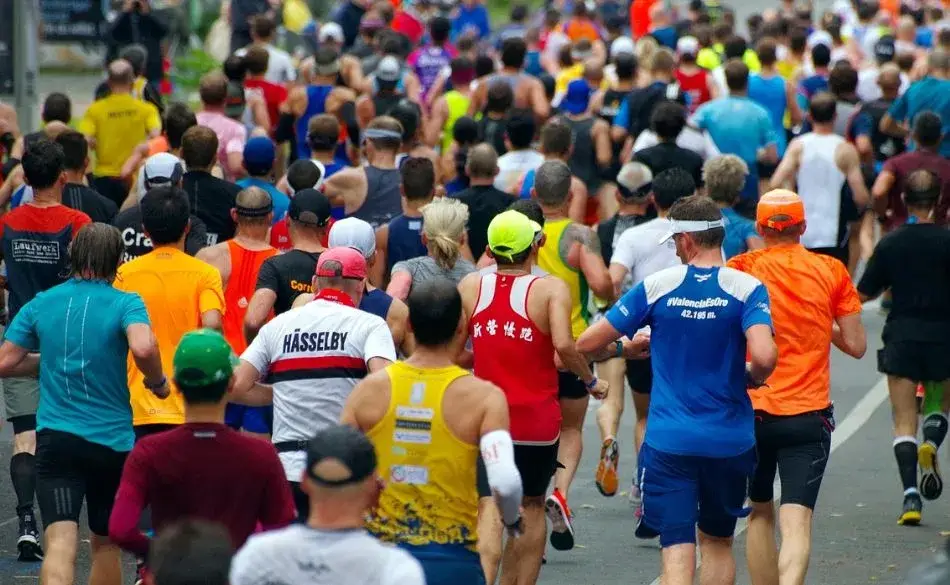
The Marathon du Beaujolais Nouveau is the kind of race that makes you forget you’re meant to be taking it seriously. You arrive expecting a standard marathon with a quirky name, and then you see what people are wearing and you realise the whole day is built around celebration. It feels more like a moving village party than a traditional road race.
The course runs through the Beaujolais wine region near Villefranche sur Saône, passing vineyards, small towns, and wine villages that look like they were made for postcards. What makes it work is how much the locals lean into it. Instead of cheering quietly from the footpath, they create little moments along the route, so the marathon becomes a series of scenes rather than one long grind.
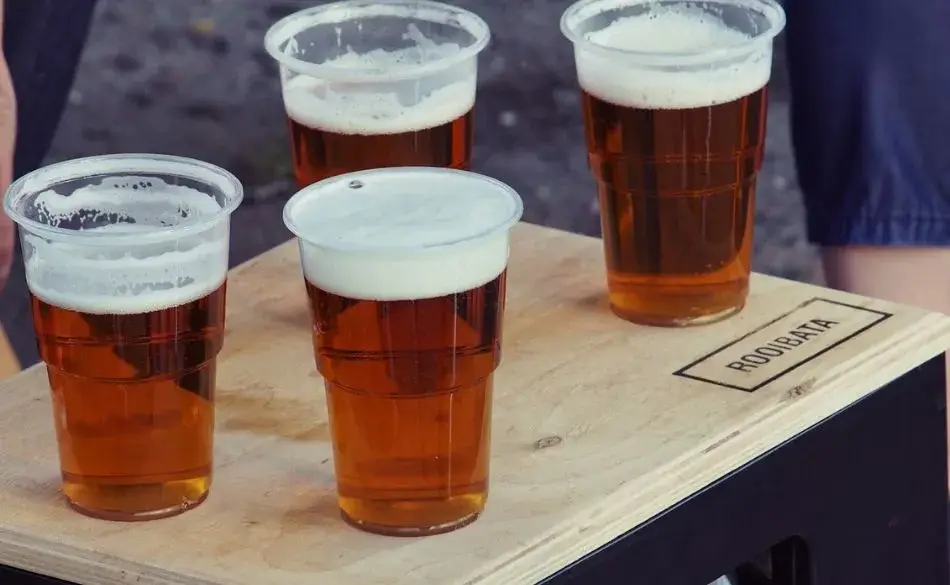
Food is a real part of the experience here, not an afterthought. You still get the basics you need to run a marathon, but you also get the sense that the organisers want you to enjoy where you are, not just move through it. That changes the mood. People slow down, chat for a few steps, then carry on without stress because everyone understands the point of the event.
Costumes are common, and the race has a very “join in if you want” feel. You’ll see groups dressed around a theme, runners in bright wigs, and plenty of people who look like they’re running with friends rather than racing strangers. Even if you show up in normal kit, you don’t feel out of place. You just get pulled into the atmosphere over time.
A few things define the Beaujolais experience once you’re on the course:
- The scenery stays rural and varied, so the marathon never feels like endless road
- Villages along the route create pockets of energy that lift you at the right moments
- The tone is playful, which makes walking breaks and pacing changes feel normal
- The finish feels like a proper celebration, not just a quick funnel to collect your medal
It’s still a marathon, so the fatigue arrives like it always does, but it lands differently here. The day feels lighter because you’re not alone with your thoughts for long stretches, and the event keeps giving you reasons to smile. If you want a marathon that feels social, scenic, and genuinely cheerful, Beaujolais is one of those races that delivers exactly that.
Comparing the World’s Most Enjoyable Marathons
By the time you’ve read through these races, one thing should be clear. There isn’t a single definition of what makes a marathon fun. For some runners it’s laughter and costumes. For others it’s quiet scenery, shared novelty, or the simple relief of running without pressure. Looking at these events side by side helps highlight how different types of enjoyment can show up over the same 42.2 kilometres.
The table below compares the marathons covered in this guide, focusing on how they feel to run rather than how fast they are. Each one offers a distinct experience, shaped by setting, culture, and the kind of runner it tends to attract.
👉 Swipe to view full table
| Marathon | Location | Overall Feel | Why Runners Enjoy It | Best Suited For | Key Trade-Off |
|---|---|---|---|---|---|
| Marathon du Médoc | France | Playful, social, relaxed | Costumes, wine-region setting, pressure-free pacing | Runners who want fun and memory over time | Not designed for fast finishing times |
| Midnight Sun Marathon | Norway | Surreal, calm, communal | Midnight start with full daylight and shared novelty | Runners seeking something truly different | Late-night timing can feel disorienting |
| Loch Ness Marathon | Scotland | Scenic, steady, reflective | Point-to-point route with space and natural rhythm | Runners who enjoy scenery and quiet focus | Rolling terrain limits fast pacing |
| Reykjavik Marathon | Iceland | Balanced, friendly, low-pressure | Cool climate, coastal views, approachable atmosphere | Runners wanting calm organisation and scenery | Less spectacle than large city races |
| Big Five Marathon | South Africa | Quiet, intense, immersive | Wildlife reserve setting and shared respect for environment | Experienced runners seeking a raw experience | Physically demanding and logistically complex |
| Great Wall Marathon | China | Challenging, communal, memorable | Historic setting and forced run-walk pacing | Runners burned out on time-focused racing | Very tough on legs and pacing |
| Walt Disney World Marathon | USA | Structured, light, forgiving | Themed environments and predictable organisation | First-timers and runners wanting low stress | Heat and humidity can affect later miles |
| Antarctica Marathon | Antarctica | Remote, quiet, expedition-like | Unmatched setting and small-field camaraderie | Adventure-focused runners | Extreme cost and travel commitment |
| Marathon du Beaujolais Nouveau | France | Cheerful, festive, social | Village celebrations, food, and playful tone | Runners wanting a joyful, social marathon | Less suitable for serious time goals |
Looking across these races, the common thread isn’t speed or prestige. It’s intention. Each event is designed to create a specific kind of experience, whether that’s playful, reflective, immersive, or quietly challenging. None of them are “easy,” but all of them offer something beyond the stopwatch.
If you’re choosing your next marathon based on how you want the day to feel rather than what you want the result to be, this comparison can help narrow your options. The right race isn’t the one everyone else is running. It’s the one that matches how you want to experience the distance.

Conclusion: Choosing a Marathon You’ll Actually Enjoy
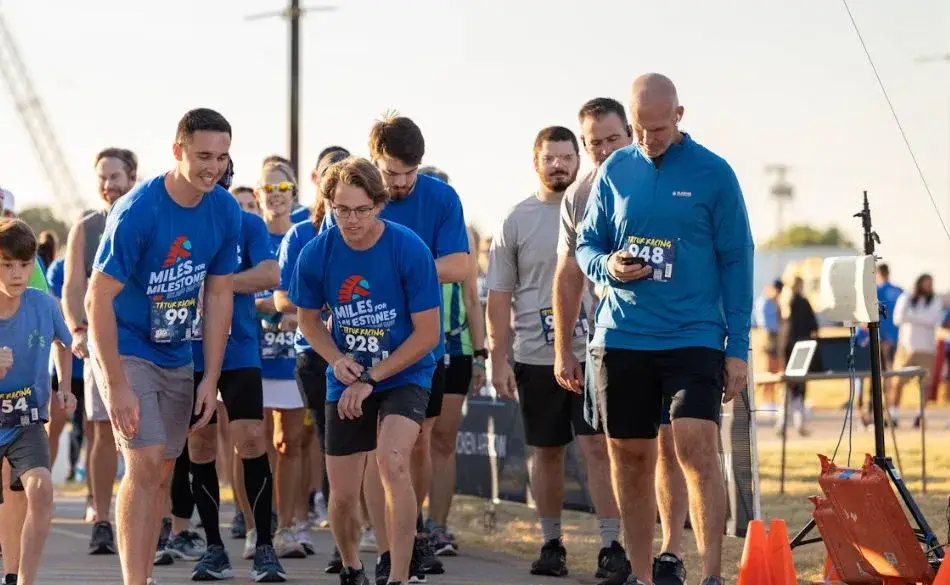
If there’s one thing these races show, it’s that a marathon doesn’t have to feel heavy to be meaningful. You still cover the same distance. Your legs still get tired. But the way the day unfolds can change everything about how you remember it.
Some runners thrive on noise and shared celebration. Others enjoy quiet scenery, space, and a sense of journey. Neither approach is better. They’re just different ways of experiencing the same challenge. The mistake many runners make is choosing races based on reputation or popularity rather than how they want to feel while they’re running.
If you’re feeling burnt out from chasing times, a marathon built around atmosphere or novelty can reconnect you with why you started running in the first place. If you’re new to the distance, choosing a race that removes pressure can make the whole experience feel achievable rather than intimidating. Even experienced runners often rediscover enjoyment when they step away from performance-focused events.
The most enjoyable marathons tend to share one thing in common. They give you permission to be present. You notice where you are. You interact with the people around you. You move through the distance instead of fighting it.
When you’re choosing your next marathon, it’s worth asking a simple question. Do you want to prove something, or do you want to experience something? There’s room for both in running, but knowing the difference can lead you to races you’ll still talk about years later.
If you’re looking for a fun marathon close to home, learning more about the Marathon in Melbourne can help you decide whether a local race with great crowd support and atmosphere fits your next goal.