







Find Your Next Running Race
Ready to put your training to the test? Here are some upcoming running events matched to this article.
 Coach Graeme
Last updated:
The alarm goes off at 7am. Your head is pounding, your mouth feels like sandpaper, and the run on your training plan is staring at you. Half of you wants to lace up and sweat it out. The other half is wondering whether that's actually a terrible idea.
Running with a hangover sits in a genuine grey zone — it's not as helpful as the folklore suggests, and not as dangerous as the warnings imply. The answer depends almost entirely on how much you drank, how long ago, and how you feel right now.
Not sure where to start with training?
Tell us your goal and schedule, and we’ll give you clear direction.
No obligation. Quick, practical advice.
Explore our running training articles for more helpful articles and resources.
A short, easy run (20–30 minutes) is generally fine with a mild hangover, provided the alcohol has fully cleared, you’ve rehydrated, and you feel physically stable. Research shows a hangover reduces aerobic capacity by approximately 11% and pushes heart rate higher at any given pace. You cannot sweat out alcohol — the liver clears it at a fixed rate. Running can temporarily improve how you feel through endorphins, but it doesn’t speed up recovery. The top risk is dehydration worsening. If you’re still feeling drunk, dizzy, or severely nauseous — don’t run.
Before deciding whether to run, you need to answer a question most people skip: is the alcohol actually out of your system?
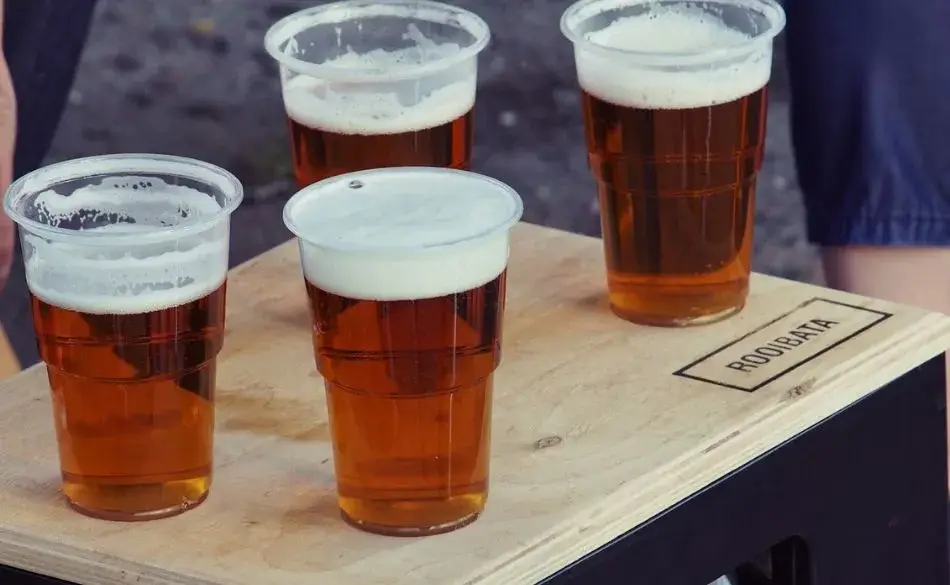
Alcohol clears at approximately one unit per hour — though this varies with body weight, sex, food intake, and liver function. One unit is roughly a standard glass of wine (125ml at 13%), a small beer (330ml at 5%), or a single spirit (25ml). Here’s what that means in practice:
| What you drank | Approx. units | Time to clear | Safe to run after? |
|---|---|---|---|
| 2 glasses of wine | ~3 units | ~3 hours | Likely fine by morning |
| 4 pints of beer | ~8–10 units | ~8–10 hours | May still have alcohol at 7am if you finished at midnight |
| 6 pints + shots | ~15+ units | 15+ hours | May still have alcohol well into the afternoon |
| Bottle of wine + spirits | ~12–15 units | 12–15 hours | Do not run until fully clear |
These are approximations — individual variation is significant. The safest rule: if you feel even slightly foggy, unsteady, or not-quite-right, it’s still in your system. Wait it out. Running while still intoxicated impairs coordination and reaction time, raises injury risk around traffic and uneven terrain, and puts real stress on a heart that’s already compromised. For context on how timing affects your body before training, the guide to waiting before a morning run covers similar pre-run timing principles.
A hangover isn’t just feeling rough — it’s a collection of overlapping physiological disruptions, each of which degrades running performance in its own way.
Alcohol suppresses antidiuretic hormone (ADH), the hormone that tells your kidneys to retain water. With ADH suppressed, your kidneys excrete more fluid than they normally would — each unit of alcohol triggers approximately 100ml of excess urine output. After a night of drinking, you wake up measurably dehydrated before a drop of sweat has left your body.
Dehydration thickens the blood. Thicker blood is harder to pump, which means your heart has to work harder to deliver the same amount of oxygen to your muscles at any given pace. The result: your heart rate climbs higher than normal, you fatigue faster, and everything feels harder than it should. Running adds sweating to the equation, accelerating fluid loss further. The electrolyte guide for runners covers why sodium matters for rehydration — it’s more effective than water alone at rebuilding fluid volume.
Research published in the journal of the National Strength and Conditioning Association found approximately an 11% reduction in aerobic capacity when exercising with a hangover. That’s not trivial — it’s roughly the difference between a comfortable training run and a genuinely hard effort, even at the same pace. Most hangover runners notice this as a pace they’d normally manage easily feeling unexpectedly difficult, and a heart rate that runs noticeably elevated compared to normal.
Alcohol interferes with the liver’s ability to perform gluconeogenesis — the production of glucose from non-carbohydrate sources. When blood sugar drops overnight, the liver normally compensates by releasing glucose. Alcohol disrupts this mechanism. The result: many people wake up with lower blood sugar than usual after a night of drinking, which explains the shaky, foggy, weak feeling of a hangover. Running on low blood sugar without eating first is a reliable recipe for dizziness, nausea, or bonking mid-run.
Alcohol helps you fall asleep faster but significantly reduces sleep quality. It suppresses REM sleep — the restorative stage where memory consolidation and physical recovery primarily occur — and disrupts sleep architecture throughout the night. After drinking, even eight hours in bed may feel like far less. Sleep deprivation independently reduces aerobic performance, reaction time, motivation, and injury resilience. Combined with hangover dehydration, the effect is compounded.
Heavy alcohol consumption increases the risk of cardiac arrhythmias — irregular heart rhythms — for up to 48 hours after drinking. This risk is most pronounced during exercise, when the heart is already working harder. This is not a concern after a moderate night out, but after a genuinely heavy session, the combination of a stressed cardiovascular system and running-intensity heart rate warrants caution. The Drinkaware medical review notes this risk specifically spikes during exercise in the two days following heavy alcohol consumption.
Even when alcohol has technically cleared, the after-effects can include residual coordination impairment, slower reaction time, and reduced proprioception — your body’s sense of position and balance. On a road with traffic, a trail with roots, or even an uneven footpath, this elevates injury risk meaningfully above your normal baseline.
The short answer is: temporarily, yes — but not in the way most people think.
You cannot sweat out alcohol. This myth is persistent but consistently debunked by sports medicine doctors. Your liver processes alcohol at a fixed rate — roughly one unit per hour — and exercise does not meaningfully accelerate this. A very small amount of alcohol is excreted through sweat and breath, but it’s negligible. The liver does the work, on its own timeline, regardless of what you do.
What running can do is temporarily improve how you feel. Exercise triggers the release of endorphins (natural painkillers), BDNF (brain-derived neurotrophic factor, which improves mood and alertness), and increased blood flow to the brain — all of which can reduce the subjective experience of headache, brain fog, and low mood. Many runners report feeling noticeably better during and immediately after a hangover run, even though the underlying physiological insults — dehydration, depleted glycogen, disrupted sleep — are still present.
A 2024 study from the University of Houston, published in Addictive Behaviors, found something genuinely interesting: people who engaged in regular vigorous exercise across a three-month period experienced fewer and less severe hangovers than those who didn’t. The researchers believe exercise’s anti-inflammatory effect — confirmed in studies showing even 20 minutes of moderate exercise triggers regulatory T-cell release and reduces systemic inflammation — may provide a protective buffer against hangover severity over time. This doesn’t help you on the morning after, but it’s worth noting that fitness itself appears to be a hangover modifier.
The psychological benefit is also real. Getting up, completing a run, and feeling productive despite feeling rough provides a genuine sense of control and accomplishment that many runners find outweighs the physical discomfort. By the time you’ve run, showered, eaten, and rested — you feel dramatically better. But that’s recovery progressing on its natural timeline, not the run fixing the hangover.
| Condition | Decision | Reason |
|---|---|---|
| Mild headache, slightly tired, alcohol definitely cleared | ✅ Run — keep it easy | Low risk, endorphin benefit worth it |
| Well-hydrated and eaten breakfast before considering running | ✅ Fine to run | Key risks addressed |
| Feel foggy or suspect still slightly drunk | ❌ Don't run yet | Still intoxicated — coordination, cardiac risk |
| Nauseous or vomiting | ❌ Don't run | Risk of dehydration, aspiration, falling |
| Significant dizziness or unsteady on feet | ❌ Don't run | Falls risk, still intoxicated |
| Severe headache, can barely get out of bed | ❌ Rest day | Body is under significant stress — no benefit |
| Had a genuinely heavy night — 10+ units | ⚠️ Short walk only | Cardiac arrhythmia risk elevated, dehydration severe |
| Race or key training session scheduled | ⚠️ Honest assessment | If you're 11% below normal capacity, a key session is wasted — rest may serve you better |
If you’ve passed the go/no-go check and you’re heading out, here’s how to do it sensibly:
Rehydrate first. Drink at least 500ml of water before heading out. If you have an electrolyte drink, sports drink, or coconut water, even better — sodium helps your body retain the water you’re drinking rather than excreting it straight out. Plain water alone after heavy dehydration is less effective at restoring fluid balance than water with electrolytes. The orange juice for dehydration guide covers the specific role of electrolytes in rehydration.
Eat something. Blood sugar will be lower than normal. A light carbohydrate-based meal — toast with honey, a banana, oats — stabilises blood glucose before you run. Don’t head out on a completely empty stomach. Wait 20–30 minutes after eating before running.
Carry water. Bring fluids with you even on a short run. You’re already behind on hydration and will be sweating on top of it. A bottle or hydration vest matters more than usual today.
Drop your expectations entirely. Today is not a pace day. Your heart rate will be higher than normal, your legs will feel heavier, and your effort will feel disproportionate to your speed. This is physiologically expected — not a sign that you’ve lost fitness. Accept the slow pace and treat the run as a gentle aerobic session. The slow jogging guide covers the value of easy-pace running — today is exactly the day to apply it.
Keep it short. 20–30 minutes is the sweet spot for a hangover run. Long enough to get the endorphin and mood benefit, short enough that you’re not compounding dehydration and exhausting an already-stressed system. If you’re training for a distance event, a short easy jog is a far better choice than pushing through a long run at reduced capacity.
Run in the shade. Alcohol impairs thermoregulation — your body’s ability to manage core temperature. Combined with dehydration, you overheat faster than normal. Avoid midday summer heat. Early morning, shade, or a cooler route reduces this risk significantly.
Stop if anything feels wrong. Dizziness, chest discomfort, severe nausea, or an unusual heart rate are signals to stop immediately. Given the cardiac considerations around heavy drinking, erring on the side of caution is sensible. The guide to suddenly struggling during a run covers the warning signs that warrant stopping.
Rehydrate aggressively. Prioritise water and electrolytes immediately after finishing. If you have access to an electrolyte supplement or a sports drink, use it now. The energy gel guide notes that sodium and electrolytes aid recovery — the same principle applies post-hangover-run.
Eat a proper recovery meal. Carbohydrates to restore blood sugar and glycogen, protein for muscle repair. Eggs on toast is genuinely a good choice — protein, carbs, and the B vitamins that alcohol depletes. Don’t skip eating because you feel queasy; a small meal aids recovery even if appetite is low.
Sleep. A nap of 30–60 minutes after eating and rehydrating is genuinely one of the most effective things you can do. Your body missed deep, restorative sleep overnight and the REM debt is real. Sleep allows the recovery processes that alcohol disrupted to resume.
Don’t train again until fully recovered. Don’t try to make up for the hangover run with a harder session in the afternoon. Give your body at least 24 hours after alcohol has cleared before your next quality session. Consistent, recovered training outperforms training on a compromised system every time. If you’re unsure how to adjust your training week, the running frequency guide covers how to manage lighter weeks without losing fitness.
Missing a single easy run because you’re genuinely hungover is not a training setback. The body doesn’t build fitness from one run — it builds it from consistent weeks and months of training. One rest day, even an unplanned one, has essentially no effect on your aerobic fitness.
What does matter is what comes next. If you’re regularly running with a hangover because you’re regularly drinking heavily, the alcohol’s effects on sleep quality, glycogen storage, muscle protein synthesis, and recovery will compound over time in ways that meaningfully suppress your training adaptation. A single hangover run is harmless; a pattern of them represents a different problem entirely.
If you’re training for a goal race and you know you have a social event, the most effective strategy is planning ahead: a light night the evening before a rest day, not before a long run or interval session. The daily running guide covers how to think about training around real life.
Want training that works around your real life — including the occasional rough morning?
Our running coaching builds flexible plans that account for recovery, not just mileage — so one missed session or a rough week doesn't derail your progress.
Is it safe to run with a hangover?
A short, easy run with a mild hangover is safe if the alcohol has fully cleared, you’ve rehydrated, and you feel physically stable. Avoid running if still dizzy, nauseous, severely dehydrated, or if you suspect alcohol hasn’t fully cleared. After a very heavy night, the cardiac arrhythmia risk during exercise is elevated for up to 48 hours and caution is warranted.
Can running cure a hangover?
No. You cannot sweat out alcohol — the liver processes it at a fixed rate regardless of exercise. A run can temporarily relieve symptoms through endorphin and BDNF release, improving mood and reducing perceived headache and brain fog. But the underlying hangover — dehydration, depleted glycogen, disrupted sleep — resolves on its own timeline, not faster because you ran.
How long does alcohol stay in your system?
Alcohol clears at roughly one unit per hour. One unit is a standard glass of wine, a small beer, or a single spirit. Four pints (approximately 8–10 units) can take 8–10 hours to clear. If you drank heavily and woke up at 7am, you may still have alcohol in your system. If you feel even slightly foggy or off-balance, don’t run yet.
How much slower will I run with a hangover?
Expect to run approximately 30–90 seconds per km slower than your normal easy pace, with heart rate running 10–15 bpm higher than usual. Research documents approximately an 11% reduction in aerobic capacity when exercising with a hangover, and heart rate typically runs noticeably higher than normal at any given pace. This isn’t a fitness regression — it’s a temporary physiological effect that resolves once you’re recovered.
What should I eat before a hangover run?
Eat a light, carbohydrate-based meal before running — toast, a banana, or porridge. This stabilises blood sugar, which is typically lower than normal after a night of drinking. Also drink at least 500ml of water with electrolytes (sodium specifically) before heading out. Don’t run on an empty stomach when hungover.
Should I skip my training session if I’m hungover?
If the session is an easy run, a short jog is fine if you meet the go/no-go criteria above. If the session is intervals, a tempo run, a long run, or any key quality workout — consider resting instead. Running a quality session 11% below your normal capacity doesn’t produce the intended training stimulus and wastes a key session. A rest day and a fully-recovered quality session the next day serves your training better.
Ready to put your training to the test? Here are some upcoming running events matched to this article.



Head Coach & Founder, SportCoaching
Graeme is the founder of SportCoaching and has coached more than 750 athletes from 20 countries, from beginners to Olympians, in cycling, running, triathlon, mountain biking, boxing, and skiing. His coaching philosophy and methods form the foundation of SportCoaching's training programs and resources.
No matter your goals, SportCoaching offers tailored training plans to suit your needs. Whether you’re preparing for a race, tackling long distances, or simply improving your fitness, our expert coaches provide structured guidance to help you reach your full potential.
Smart, progressive training from 5km to marathon with weekly guidance.
What’s included
Browse upcoming Australian running, cycling, and triathlon events in one place. Filter by sport, check dates quickly, and plan your training around something real on the calendar.
Choose your plan to get started with personalized training plans designed to help you reach your goals.


Minna Backman
When you’re new, feedback is especially important, and Graeme is highly skilled at both analyzing numbers and understanding the importance of mental strength.











