What Is a Progressive Run Workout and Why It Works So Well
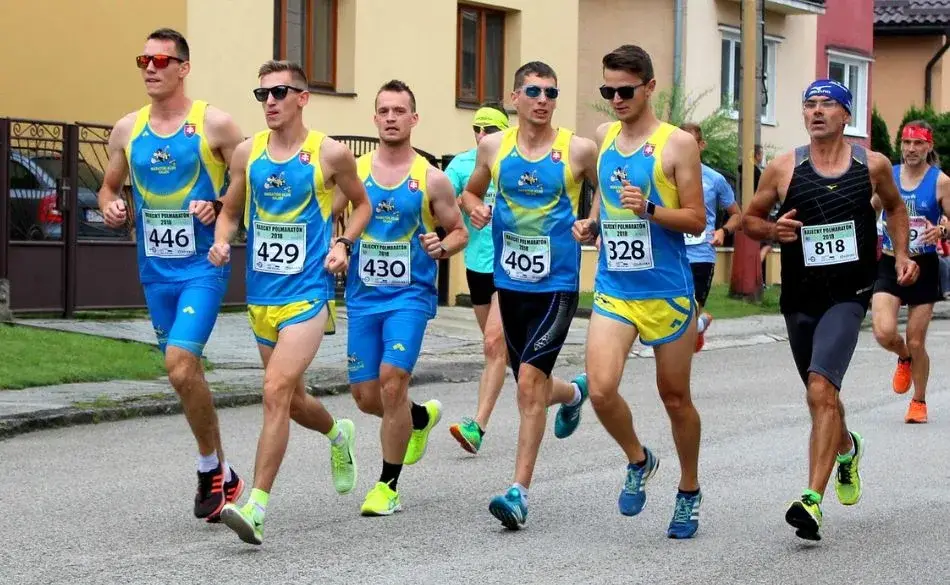
A progressive run workout is a run where you start at a very easy pace and slowly pick up speed as you go. The change isn’t sudden. It feels like gradually turning a dial, letting your body warm up before you ask it to work harder. By the time you reach the final minutes, you feel ready to run strong instead of forcing the pace.
Many runners enjoy this style because it teaches you how to stay relaxed early. When you aren’t rushing at the start, your breathing feels smoother and your stride feels lighter. As the run builds, your body has time to adjust. This is why progressive runs often feel easier than holding one hard pace from the beginning.
This approach is especially useful as a workout for beginners. Newer runners often struggle with pacing or go out too fast. A progressive run guides you into the right intensity. You begin comfortably, settle into a steady rhythm, and finish with purpose. It feels natural and teaches pacing without pressure.
Runners sometimes ask how a progressive session compares to a tempo run, so it helps to understand progressive run vs tempo run. A tempo run sits at one steady effort that is comfortably hard. A progressive run moves through multiple effort levels, which builds pacing awareness and finishing strength. Both are valuable, but they serve different purposes.
Learning how to pace a progressive run takes practice. A simple method is to divide the run into three parts: easy at the start, moderate in the middle, and strong at the end. If the final third feels too tough, you likely started too fast. If it feels effortless, the middle section may have been too gentle.
This style is also effective as a marathon training. The final kilometres of a marathon require strong pacing and good control. Progressive long runs help you practice speeding up when you are already a bit tired, which builds confidence and mental resilience.
If you’d like a clearer weekly plan to follow, our Running Training Plans give you simple sessions that build confidence and steady progress.
They’re designed to help you train with purpose, even when life gets busy or motivation dips.
With a set routine in place, it becomes easier to stay consistent, manage your effort, and keep improving week by week.
Explore Plans →

Why These Workouts Improve Your Speed and Endurance
Progressive runs work because they train your body to handle rising effort without breaking form. When you start slow, your oxygen uptake increases smoothly, your muscles warm up, and your stride becomes more efficient. This natural build-up helps you run faster later in the session without feeling strained. Over time, your body learns how to use energy more effectively, which directly improves speed and endurance.
One advantage of progressive runs is the way they develop aerobic strength. The first part of the run stays mostly aerobic, meaning your body uses oxygen to supply energy. As the pace increases, you begin tapping into a higher percentage of your threshold capacity. This combination of low, moderate, and strong running in one session makes your training more complete. You improve endurance at the start and speed near the end without placing too much stress on your legs, and research supports how structured endurance work improves aerobic power over time Effects of endurance training on aerobic performance.
This controlled structure also teaches you how to manage fatigue. Many runners slow down at the end of a run simply because they start too fast. A progressive run reverses that pattern. You begin relaxed, which saves energy for later. As you pick up speed, your body adjusts to the workload step by step. This helps you understand how different intensities feel, which is a key skill for race pacing and long-distance training.
Another benefit is the mental focus it builds. When you know the run will get faster, you pay closer attention to your breathing and posture. You become more aware of how your body responds to rising effort. That awareness transfers well to race situations, where focus and discipline matter more than raw fitness.
I once had a client who always faded in the last few kilometres of long runs. After adding progressive sessions twice a month, he found he could maintain form and speed deep into his long efforts. His confidence improved along with his fitness, and this approach paired well with other ways to build endurance such as the methods covered here 10 ways to improve running stamina which helped him become more consistent overall.


How to Structure a Progressive Run in Your Training
A progressive run works best when it has a clear structure. You don’t need anything fancy. You simply guide your pace from easy to strong in a controlled way. The goal is to finish feeling smooth and confident, not exhausted. This makes the workout useful for runners at every level because it builds endurance and pacing awareness at the same time.
The simplest way to plan a progressive run is to divide it into three parts. Each part has a different purpose, but they blend together so the run feels natural. Your breathing and effort shift step by step instead of jumping too quickly. Many runners find this approach easy to follow because the run almost “unfolds” on its own, and tools that help you set effort ranges can make planning easier. Our guide explains how to work out your numbers here How to Calculate Pace for Running.
- Start Easy: This first part should feel relaxed. You should be able to talk in full sentences and settle into a steady rhythm. The goal here is to warm up your muscles and prepare your breathing for the work ahead.
- Move to Steady: In the middle of the run, increase your pace just enough to feel a change. You are still in control, but your breathing becomes more focused. This is where your body builds endurance and learns how to hold a stable effort.
- Finish Strong: In the final section, lift your pace again. You should feel strong but not sprinting. The effort should be challenging yet smooth. This teaches your legs to stay steady even when they feel a little tired.
To fit progressive runs into your week, think about your overall training load. Most runners do well with one shorter progressive run on a weekday and one longer progressive run every second week. The shorter version can improve speed and rhythm. The longer one builds late-run strength, which is helpful for racing and long-distance training.
You can adjust the length, intensity, or number of segments depending on your goals. The key idea stays the same. You start low, build gradually, and finish with purpose.

Practical Examples of You Can Start Using Today
Progressive runs come in many shapes, and the best version for you depends on your fitness level, weekly mileage, and goals. The main idea stays the same. You begin relaxed, settle into a steady rhythm, and finish with strength. Having a few clear examples makes it much easier to understand how these workouts feel in real training.
One of the simplest versions is a short progression run. This is useful for beginners or runners easing back into consistent training. The pace changes are gentle so your body adjusts without feeling stressed. These shorter runs help teach control and pacing awareness.
A medium-length progression run is great for building aerobic strength. It gives you more time in the steady and strong zones, which develops endurance. Many runners include this workout on a weekday to keep training balanced.
Longer progression runs are often used in half marathon or marathon training. These sessions teach you how to lift the pace when your legs are already a bit tired. They build late-run strength and confidence, which are essential on race day.
Here are examples you can try:
- Short Progressive Run: 20 to 30 minutes total. Run the first 10 minutes easy, the next 10 minutes steady, and the final 5 to 10 minutes strong but controlled.
- Medium Progressive Run: 40 to 60 minutes total. Start with 15 minutes easy, move into 15 to 20 minutes steady, and finish with 10 to 15 minutes strong. This is ideal for improving endurance and pacing.
- Long Progressive Run: 70 to 100 minutes total. Begin with 30 minutes easy, shift into 25 to 30 minutes steady, and end with 15 to 20 minutes strong. This version supports long-distance goals and helps your body handle rising effort.
You can adjust each example by changing the duration or effort level. The goal is always to keep the build smooth from beginning to end. With practice, these sessions become some of the most rewarding runs in your week.


Progressive Run vs Tempo Run How Do They Really Compare
Many runners hear both terms often and quietly wonder what is a progressive run workout compared with a tempo run. On the surface they can feel similar because both involve running at stronger efforts. In practice they serve slightly different jobs in your training and understanding that difference helps you choose the right workout on the right day.
A progressive run moves from easy to strong within a single session. You start relaxed, shift into a steady pace, and finish at a controlled hard effort. The focus is on learning how to pace a progressive run so the change in intensity feels smooth. This style teaches you to handle rising effort and finish with good form and rhythm.
A tempo run is the opposite. Instead of building effort, you warm up first, then run at one consistent effort that feels comfortably hard, before cooling down. It helps you build strength at a steady pace and prepares you for race efforts that require control. You can learn more about how to use this type of session here Tempo Run Training.
You can use both workouts in the same training plan. For example, you might use a progressive run for marathon training on weekends to build late run strength and use tempo runs midweek to improve sustained speed. The table below shows how they compare across key training areas so you can see where each one fits best.
👉 Swipe to view full table
| Category | Progressive Run | Tempo Run |
|---|---|---|
| Main Focus | Pacing control and finishing strong with smooth effort changes. | Sustained comfortably hard pace near threshold for longer periods. |
| Effort Pattern | Starts easy and builds through several effort levels. | Stays at one steady intensity after the warm up. |
| Best For | Learning how to pace, negative splits, and late run strength. | Improving race pace stamina and threshold speed. |
| Fatigue Management | Lower early fatigue because the run begins relaxed. | Higher mental and physical load during the main segment. |
| Common Use | Progressive long runs for marathon and half marathon training. | Midweek workouts for 10k, half marathon, and marathon pacing. |
| Difficulty for Beginners | Often easier to learn because intensity builds gradually. | Can feel tough early if pace is set too high. |

When Should You Use Progressive Runs in Your Training Week
Progressive runs fit into many different training plans because they work well alongside easy runs, long runs, and speed workouts. The key is choosing the right day so the workout supports your goals instead of adding unnecessary fatigue. Most runners feel the benefits quickly when the session is placed in the right spot in the week.
If you are new to progressive running or simply trying to improve pacing, you can start by adding one progressive session each week. This keeps the workout consistent without overwhelming your legs. Placing it on a day when you feel recovered helps the effort feel smoother and more productive.
Here are common times runners add progressive runs to their schedule:
- Midweek Training Days: This is the most popular spot. A midweek progressive run helps break up the training week and builds strength without being as demanding as interval work. It also offers a controlled way to run faster without hitting high intensity.
- At the End of an Easy Run: Some runners add a short progression at the end of an easy day. This keeps the legs sharp and trains your body to finish runs with focus. This is especially useful if you struggle with late-run pacing.
- Every Second Weekend Long Run: Many marathon and half marathon runners do a progressive run for marathon training every second week. The final part of the long run becomes faster, helping your body learn to handle speed under fatigue.
If you follow a structured plan, you can also match the progression to your weekly goals. For example, if you are working toward consistent race pacing, you might let the final section of the run touch your goal effort. If your aim is endurance, you can keep the progression gentle and focus more on holding form under longer duration.


How These Workouts Improve Race Day Performance
Progressive runs are more than just a smart training tool. They line up almost perfectly with what your body and mind need on race day. Many runners struggle with fast starts, mid-race fatigue, or fading in the final kilometres. Progressive runs prepare you for each of these challenges by teaching you how to build speed with control and finish with strength.
The biggest benefit is learning how to stay patient early. Most runners feel excited at the start of a race, which makes it easy to go out too fast. A progressive run trains you to hold back and trust the build. This makes your pacing more predictable and reduces the chance of burning too much energy early.
Here are the main race day benefits you gain from regular progressive workouts:
- Stronger Finishing Ability: Because progressive runs teach you to speed up at the end, your legs learn to push even when they feel tired. This translates directly to a better finishing kick on race day.
- Better Energy Control: You learn how to spread your effort evenly instead of wasting energy early. This helps prevent mid-race slowdowns.
- Improved Mental Focus: Progressive runs require attention to breathing, posture, and pacing. These skills become very useful in the tough sections of a race.
- More Consistent Splits: With practice, your pace becomes more stable. Many runners eventually learn to run negative splits, which is a strong indicator of efficient pacing.
Another advantage is how well progressive runs match the natural intensity curve of a race. Most events start easier, settle into a steady pace, and finish with a push. By training with this same pattern, you build confidence in your ability to manage effort and respond when the pace increases.
When race day comes, progressive training helps you stay calm early and strong late. If you’re preparing for a long event and want to sharpen your pacing strategy, this guide on managing pace across the whole distance can help How to Nail Your Marathon Run Pace.
If you’d like support creating steady, well-paced sessions that match your fitness level, our Running Coaching gives you personalised guidance, clear structure, and weekly adjustments based on how your body feels.
Your coach helps you avoid fast starts, manage effort more easily, and build strong finishes without feeling overwhelmed.
With tailored sessions, it becomes easier to understand your pacing, stay consistent, and make steady progress each week.
Learn More →
How to Adjust Progressive Runs for Different Fitness Levels
One of the strengths of a progressive run workout is how flexible it can be. You can make the run shorter, longer, easier, or harder depending on your current fitness level. This makes the workout accessible for beginners and still valuable for advanced runners who want more specific training effects. The key is adjusting the length and effort so the run feels challenging but still controlled.
For beginners, the most important step is keeping the early stages truly easy. Many new runners feel pressure to speed up too quickly, but the workout works best when the progression is gentle. A shorter overall distance and smaller pace changes make the session manageable. As confidence grows, you can extend the final strong portion or increase the middle steady section.
Intermediate runners often use progressive runs to build long-range endurance. These runners can increase the length of the steady middle segment or add a slightly longer strong finish. This prepares the body for race day pacing and teaches you how to handle rising effort during longer runs. Because the structure remains smooth, the workout still supports good form and controlled breathing.
Advanced runners benefit from more precise effort levels. They might use the final part of the run to touch race-specific paces or practice controlled surges. Progressive long runs, especially those with a strong finish, develop fatigue resistance and help refine race strategies. These runners often combine progression work with other sessions in the week to target multiple training systems.
No matter your fitness level, the goal never changes. A progressive run should feel like a smooth build from start to finish. When you tailor the run to your experience and goals, you get a workout that improves pacing, endurance, and late-run strength without creating unnecessary fatigue. Small adjustments can make the run fit perfectly into your training.


What This Means for Your Running
Progressive runs give you a simple, reliable way to improve your pacing, endurance, and overall confidence as a runner. When you start easy and build your effort step by step, you teach your body how to stay relaxed early and strong late. This pattern shows up in every race distance and becomes a powerful tool once you practice it regularly.
Whether you are a beginner learning control, an intermediate runner building endurance, or an advanced athlete preparing for long events, progressive runs fit easily into your routine. They help you understand your body, stay patient, and finish with purpose. With consistent practice, they can become one of the most rewarding and effective workouts in your training week.