What Is Run Cycle Run? Understanding the Duathlon Format
At its core, a run cycle run is the structure of every duathlon. You begin with a run, switch to the bike, and finish with another run. This sequence might sound straightforward, but the combination tests your endurance, strength, and pacing in unique ways. The constant shift between running and cycling demands balance, precision, and mental focus. Each leg uses muscles differently, which is what makes the format so challenging and so rewarding.
Unlike triathlon, there is no swimming. That makes duathlon a great entry point for runners who aren’t confident in the water or for cyclists looking to expand their race experience. It’s also an ideal alternative during colder months when open-water events aren’t practical. The absence of swimming doesn’t make it easier, it simply changes the focus from technique in the water to stamina on the road. Duathlons can be found year-round across the world, ranging from beginner-friendly community events to elite-level races attracting international athletes.
Many events follow standard distances such as:
- Sprint Duathlon: 5 km run, 20 km cycle, 2.5 km run
- Standard Duathlon: 10 km run, 40 km cycle, 5 km run
- Long-Distance Duathlon: typically 10 km run, 60–150 km cycle, 10–30 km run
These distances can vary depending on the event and terrain. In most cases, the first run is slightly longer than the second, though some formats reverse this to challenge pacing and recovery. Each version demands smart effort control. Go too hard in the first run and your legs will feel heavy the moment you start pedaling. Push too little and you’ll lose valuable time. The key is to find your rhythm early, control heart rate spikes, and keep transitions smooth. Practicing this balance in training can save minutes on race day.
One of the athletes I coach, Sarah, learned this lesson firsthand. She started her first run cycle run event full of excitement, clocking a personal best in the opening 5K. But by the time she hit the bike, fatigue had set in. After refining her pacing strategy and transition technique in training, she returned the next season and cut 12 minutes from her overall time. Her story proves that small adjustments can completely change your performance.
That’s the beauty of the duathlon. Each race teaches you something new about your body, your limits, and how preparation turns endurance into confidence.
To optimise your performance across varying race lengths (sprint, standard or long) you’ll also want to tune your effort with smart pacing. For more details on how to gauge your intensity, check out our guide on the Rate of Perceived Exertion (RPE) scale, which helps you train smarter for any duathlon distance.

Why the Run Cycle Run Format Challenges Your Body and Mind
The run cycle run format is deceptively tough. On paper, it looks like a straightforward mix of running and cycling. But once you experience it, you realize it pushes your body and mind in ways few other endurance sports can. The transitions between disciplines test every part of your physiology, especially when fatigue sets in during the second run. It’s not just about fitness; it’s about control, pacing, and mental resilience.
Physically, a duathlon demands a unique balance between muscular endurance and cardiovascular power. Running and cycling engage many of the same muscles but use them in different ways. Running places more stress on the joints and relies heavily on impact strength, while cycling focuses on sustained power and controlled movement through repetitive pedal strokes. Switching back and forth between the two disciplines forces your legs to adapt quickly, and without the right conditioning, that shift can cause tightness or cramping. That’s why proper training, stretching, and pacing are critical for success.
Mentally, the run cycle run format forces you to stay sharp even as your energy dips. The first run feels fast and exciting. The bike leg offers a mix of relief and intensity. But the real test comes when you rack your bike and start the final run. That moment, when your legs feel heavy and your breathing sharpens, is where discipline matters most. Many athletes describe this sensation as “running on jelly legs,” and it’s one of the defining challenges of duathlon racing.
To handle this, experienced athletes rely on pacing, rhythm, and mental focus. They break the race into smaller goals, monitor breathing patterns, and use positive self-talk to stay calm when fatigue sets in. Even small cues (like focusing on cadence or visualizing the finish line) can help maintain control. Building this kind of mental resilience in training translates to better performance on race day, no matter how tough it gets.
Ultimately, the run cycle run format is more than a test of speed. It’s a challenge of patience, strategy, and mental toughness. Once you master the balance between effort and recovery, you’ll find yourself stronger not just in duathlons but in every endurance sport you take on.
Understanding how hard you’re working during each segment is crucial for improving performance and recovery. For a deeper explanation of how to measure your training intensity accurately, read our guide on the Rate of Perceived Exertion (RPE) scale, which helps you match effort to your goals more effectively.


How to Train for a Duathlon
Training for a duathlon requires more than simply alternating between running and cycling sessions. The goal is to prepare your body to handle quick transitions between the two disciplines while maintaining endurance and efficiency. A well-structured duathlon training plan combines aerobic development, strength work, and specific brick sessions that simulate race demands.
Most athletes start by building a strong aerobic base in both sports. Runners should spend extra time improving cycling technique, while cyclists should focus on developing running form and endurance. The balance of training depends on your background and the race distance you’re targeting. Sprint events require more intensity, while standard and long-distance duathlons emphasize sustained effort and pacing.
Many effective duathlon training plans include a mix of the following components:
- Brick Workouts: Back-to-back sessions that combine cycling and running. For example, ride for 45 minutes at a moderate to hard effort, then transition straight into a 15-minute run. This helps your legs adapt to the fatigue of running immediately after cycling.
- Speed and Threshold Training: Include intervals such as 5 × 1 km runs at tempo pace or 3 × 10-minute bike efforts at a challenging intensity. These sessions boost aerobic capacity and prepare you for race-level exertion.
- Endurance Sessions: Longer rides and steady-state runs develop stamina. Many duathletes complete rides ranging from 40 to 90 km, depending on race distance, maintaining a conversational pace to build endurance without overtraining.
- Strength and Core Training: Movements like squats, lunges, planks, and glute bridges improve stability and power transfer between disciplines. Strong core muscles reduce fatigue and enhance posture during both the bike and run legs.
Transition practice is another essential element. Setting up a mock transition zone helps you refine small details—like mounting your bike quickly, removing your helmet efficiently, and changing shoes smoothly. These seconds add up across a race. Recovery also matters as much as training volume. Rest days, stretching, and easy sessions prevent burnout and improve long-term performance.
When designed thoughtfully, a duathlon training plan balances challenge and recovery. Consistent training, careful pacing, and regular brick sessions prepare you to handle the unique physical and mental demands of the run cycle run with confidence and control.
Channel that same drive, focus, and determination into your own training. Our Duathlon Training Plans are crafted by expert coaches to help athletes of all levels improve pacing, transitions, and endurance across both running and cycling disciplines.
Whether you’re preparing for your first run cycle run event or chasing a new personal best in your next duathlon, our structured programs give you the tools to train efficiently, recover smarter, and perform confidently on race day. Each plan combines proven brick sessions, power-building rides, and focused run workouts tailored to your goals.
Bring the same energy and precision you see on race day into your training. Build strength, sharpen transitions, and take your duathlon performance to the next level.
Explore Duathlon Training Plans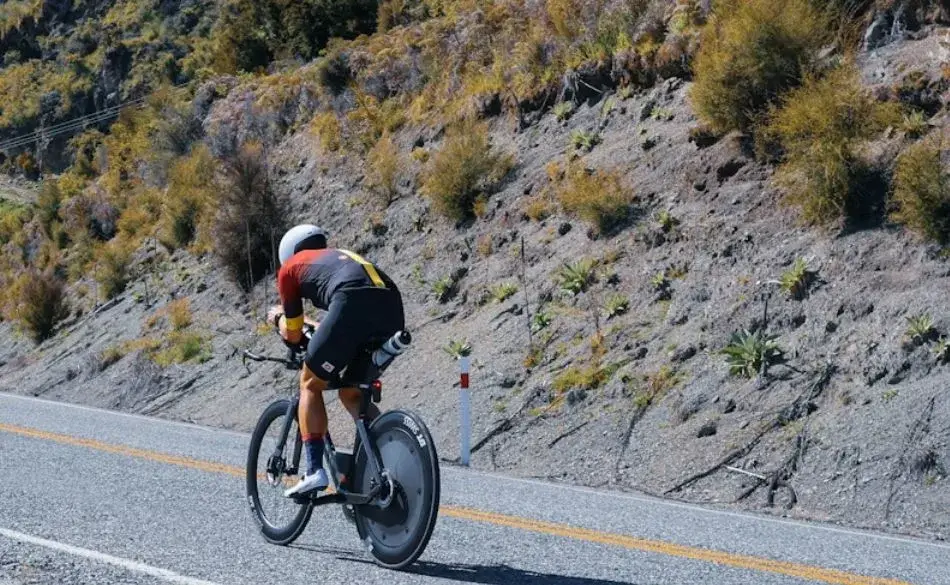

Fueling and Nutrition for Run Cycle Run Success
Even the best run cycle run plan can fall apart without smart fueling. Energy, hydration, and electrolytes are your pillars. Match them to race distance, weather, and what your gut can handle.
Test everything in training. Do not try new gels or drinks on race day. Practice timing during brick sessions so your plan feels automatic when the duathlon gets hard.
Use these evidence-informed guidelines as a starting point, then personalize them:
- Before the Race: Eat a carbohydrate-focused meal with moderate protein 2–3 hours before the start. Oatmeal with banana, toast with honey, or rice with eggs work well. Keep fat and fiber lower to aid digestion.
- During the Bike and Run: For efforts around 1–2.5 hours, many athletes do well with ~30–60 g carbs per hour from gels, chews, or sports drink. For longer events, some perform better with ~60–90 g per hour if they have trained the gut.
- Electrolytes: Include sodium, especially in heat. Use an electrolyte drink or measured salt capsules. This helps maintain fluid balance and reduces the risk of cramping.
- Transition Top-Up: In races beyond ~90 minutes, a small gel or a few sips of sports drink in transition can steady energy for the final run.
- Hydration: Start well hydrated. Aim to limit body-mass loss to about 2–3% by the finish. Many athletes take in several hundred millilitres of fluid per hour, adjusting for heat, pace, and sweat rate.
- Post-Race Recovery: Within 30 minutes, a practical target is ~1.0–1.2 g carbohydrate per kg body weight plus ~20–30 g protein. A smoothie with yogurt and fruit or chocolate milk works well.
Track what you use, how you feel, and any stomach issues. Small tweaks make a big difference. Higher carb rates need practice and patience.
When carbs, fluids, and sodium align, training turns into strong racing. You finish your run cycle run with strength instead of fading in the final kilometers.


Transition Tips and Race-Day Strategy for Duathlons
Transitions are often called the fourth discipline. In a run cycle run race, clean execution can save real time. Small wins at T1 and T2 add up, especially when athletes are closely matched.
Practice transitions during training. Set up a simple mock zone and rehearse your exact flow. Lay out shoes, helmet, and bike the same way every time so movements feel automatic.
Always follow event rules. Know the mount and dismount lines. Keep your helmet fastened any time you touch the bike until it is racked again. Some techniques, like a flying mount, are advanced and not allowed at all events. Only use skills you have practiced safely.
Use this table as a quick guide. It shows what to focus on, what to avoid, and how to refine your process.
👉 Swipe to view full transition tips
| Transition | Key Focus | Common Mistakes | Pro Tips |
|---|---|---|---|
| T1: Run to Bike | Rack bike first. Helmet on and clipped before touching the bike. Shoes ready and easy to slip on. | Forgetting to fasten helmet. Mounting before the line. Scattered layout that slows you down. | Use elastic laces in run shoes. Place bike in an easy gear for a smooth first pedal. Mark your spot with a towel for quick visibility. |
| T2: Bike to Run | Dismount at the line. Rack bike before removing helmet. Switch to run shoes and head out cleanly. | Removing helmet too early. Dropping gear. Rushing and missing the exit lane. | Visualize the path in and out. Keep gels or a small bottle ready if the race is longer than 90 minutes. |
Pacing still rules the day. Start the first run controlled. Ride steady and legal. Build effort on the final run. A strong finish usually beats an early surge that fades.
Arrive early. Walk the flow from entry to exit for each leg. Check tire pressure, helmet fit, shoes, and nutrition setup. Calm, simple systems reduce errors and help the duathlon feel smooth from start to finish.


Mistakes to Avoid in Run Cycle Run Duathlons
Every run cycle run athlete makes a few mistakes in their first few races—it’s part of learning. The key is to avoid the big ones that can cost energy, time, or motivation. Whether you’re a beginner or a returning racer, knowing these pitfalls helps you perform with more confidence and control.
Starting Too Fast: Many new athletes sprint the first run, thinking they can hold the pace. The result? Legs that feel like concrete halfway through the bike. Start controlled, find your rhythm, and remember that duathlons reward patience more than aggression.
Neglecting Brick Workouts: Skipping combined training sessions is one of the most common errors in duathlon training. The transition from cycling to running is a skill that must be practiced. Without it, your second run will feel like running on jelly legs, no matter how fit you are.
Ignoring Fuel and Hydration: Even short races can drain energy stores quickly. Not eating or drinking enough can turn a strong effort into a painful grind. Follow your fueling plan from training—small sips, frequent intake, and never anything new on race day.
Poor Transition Setup: Messy gear costs precious seconds. Keep your transition area simple: shoes open, helmet clipped and ready, towel flat, and gels visible. Practice your flow so you don’t panic when adrenaline spikes on race day.
Skipping Recovery: Rest is part of training, not the opposite of it. Recovery runs, stretching, and proper nutrition after races or hard sessions repair your muscles and boost consistency. Overtraining may feel productive short-term but leads to fatigue and slower progress.
Neglecting Mental Preparation: The duathlon tests your focus as much as your legs. Visualization, pacing plans, and mental cues help you stay calm when fatigue hits. Remind yourself of the work you’ve done in training—it builds confidence when it matters most.
Every small adjustment adds up. Avoiding these mistakes turns frustration into progress, helping you enjoy every part of your run cycle run journey, from the first start line to your next personal best.
If you’re serious about reaching your next level in duathlon or run cycle run racing, our Triathlon Coaching program provides fully personalized training tailored to your goals, schedule, and fitness level. You’ll get expert feedback, weekly adjustments, and ongoing support from experienced endurance coaches.
Whether you’re new to multisport or aiming to podium at your next run cycle run event, one-on-one coaching ensures every session has purpose. Our coaches analyze your data, refine your transitions, and design workouts that build both power and endurance across running and cycling.
Train smarter, not harder. With customized plans and direct communication, you’ll gain the structure and motivation to perform your best in every race.
Learn About Personal CoachingBuilding a Long-Term Run Cycle Run Training Plan
After completing your first run cycle run event, the next step is building a sustainable plan that promotes steady progress without burnout. A long-term duathlon training plan should focus on consistency, recovery, and gradual improvement rather than chasing perfection. The goal is to keep improving strength, endurance, and efficiency season after season.
Most endurance coaches use a phased approach known as periodization. Training is divided into blocks that each serve a purpose (helping you develop aerobic capacity, build power, sharpen race speed, and finally recover). The exact length of each phase depends on your experience, fitness level, and race distance, but here’s a general guideline:
- Base Phase (6–12 weeks): Focus on aerobic endurance and building mileage with easy-to-moderate runs and bike rides. The goal is to strengthen your aerobic foundation and establish consistent weekly habits.
- Build Phase (4–8 weeks): Introduce tempo runs, hill work, and brick sessions that combine cycling and running. These workouts teach your body how to handle the run cycle run transitions efficiently.
- Peak Phase (2–4 weeks): Increase intensity and specificity. Include workouts that mimic your race pace, distance, and terrain. Keep volume moderate to avoid fatigue while fine-tuning speed and control.
- Taper Phase (1–2 weeks): Reduce training volume but maintain short bursts of effort. The goal is to arrive at race day feeling fresh and sharp, not tired.
- Recovery or Transition Phase (2–4 weeks): After your goal race, ease back with light activity such as easy spins, walks, or short runs. This period helps your body and mind reset before the next training cycle.
Strength and mobility work remain crucial in every phase. Two short sessions per week focusing on functional exercises (squats, lunges, planks, and deadlifts) improve power on the bike and stability on the run. During high-intensity blocks, reduce load but maintain core work to prevent imbalances and overuse injuries.
Tracking your data helps guide progress. Whether you use a GPS watch, training app, or power meter, review weekly trends in pace, cadence, and heart rate. Improvements don’t happen overnight but show through small, steady gains over time.


Conclusion: Mastering the Run Cycle Run Format
The run cycle run format is more than just a test of fitness. It’s a lesson in balance, preparation, and persistence. Every race teaches you something newa bout pacing, fueling, and the limits you didn’t know you could push through. Whether it’s your first duathlon or your tenth, success comes from progress, not perfection.
Start where you are. Train consistently, build brick sessions into your week, and focus on mastering transitions. Listen to your body, fine-tune your nutrition, and remember that confidence is earned one smart workout at a time. The best athletes aren’t the ones who never struggle; they’re the ones who keep adapting and learning from every race.
When you stand on the start line, remember the work you’ve done. Keep your pacing steady, stay focused through each transition, and save a little strength for that final run. Every step brings you closer not just to the finish line, but to the version of yourself who believed they could take on something as demanding as a run cycle run duathlon—and win on their own terms.
If you’re ready to push further, explore our structured duathlon training plans designed to help you train smarter, recover faster, and race stronger.
If you’re based in Melbourne (or anywhere in the world) and looking guidance or one-on-one support, explore our Triathlon Coaching Melbourne Swim-Bike-Run Training program, tailored to both triathletes and duathletes alike.