Why Running Off the Bike Feels So Hard for New Triathletes
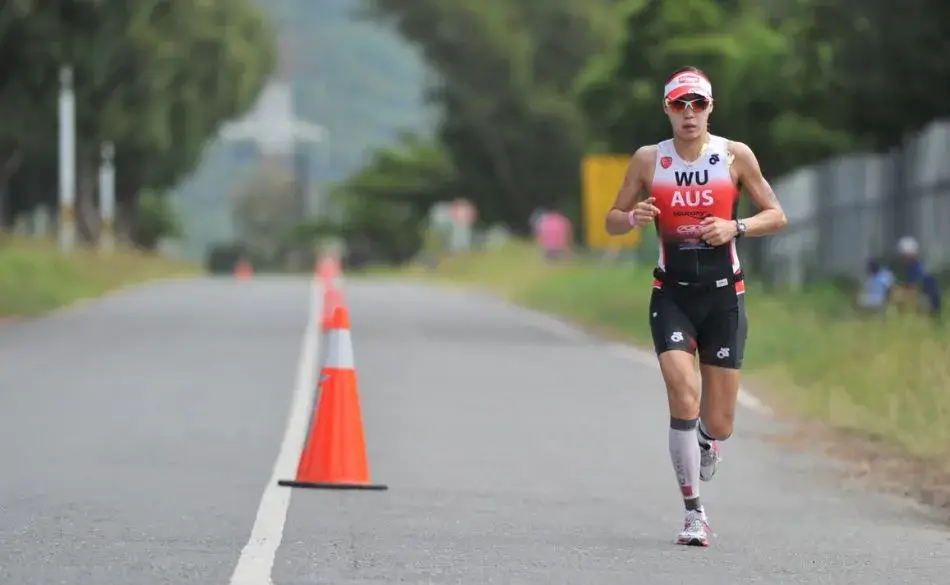
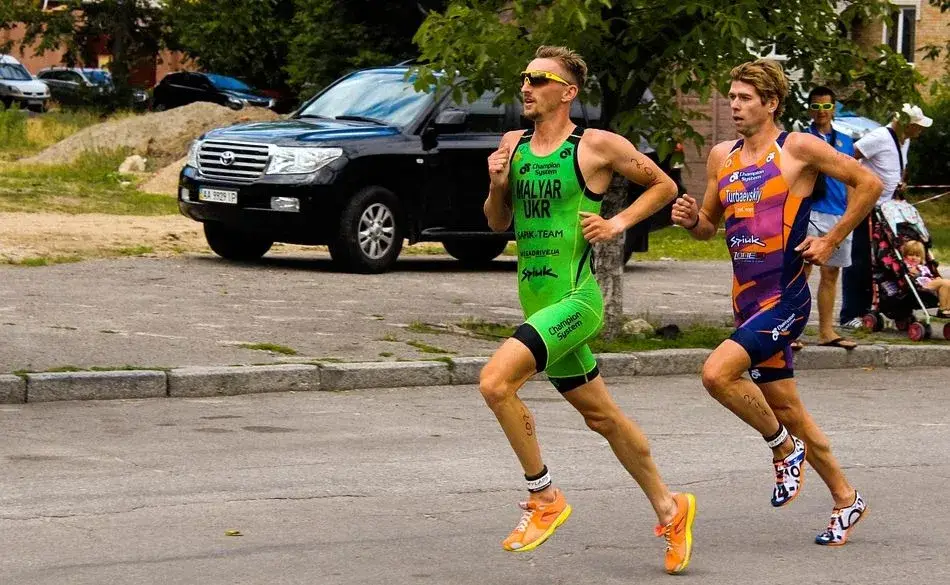
Running after cycling feels strange because your body isn’t used to switching movement patterns quickly. When you ride, your legs move in tight circles with almost no impact. When you start running, the motion becomes longer, springier, and more forceful. This shift challenges your muscles, nerves, and breathing systems all at once. It’s a big reason many beginners wonder why is running off the bike so hard during early training. If you’re completely new to the sport, this first triathlon tips you should know guide can also help you understand the basics before working on your run off the bike.
Your heart rate also jumps when you stand up and start running. Cycling is smoother and keeps your body stable. Running puts more impact on your legs and demands more oxygen per step. This makes your breathing feel faster, even if you paced the ride well. It doesn’t mean you’re unfit. It simply means your body hasn’t learned the bike to run transition yet.
Your muscles feel different too. Cycling uses more of your quadriceps and glutes, especially during the power part of the pedal stroke. Running relies more on your calves and hamstrings to push your body forward. Because the workload changes so quickly, your legs can feel heavy or confused. This isn’t weakness. It’s just your muscles adjusting to a new job.
One of my coaching clients, Lisa, struggled with this early in her training. She was strong on the bike but felt like her legs “lagged behind her body” during the first kilometre of the run. Once she added short brick sessions and practiced smoother pacing on the bike, she noticed a huge change. Her breathing settled faster, and her stride felt more natural.
Understanding what’s happening in your body helps you stay calm. You’re learning a new skill, not hitting a wall. With consistent practice, your body adapts. You’ll feel lighter on your feet and more confident every time you run off the bike.
Here are the most common reasons running feels difficult off the bike:
- Cycling and running use different muscle patterns
- Heart rate rises quickly when switching to running
- Leg stiffness changes after long periods of pedaling
- Neuromuscular signals need time to settle into a rhythm
- Fatigue from the bike carries into the run
If you’ve been finding the bike-to-run switch tougher than expected and want clearer direction for your training, the Triathlon Coaching Program from SportCoaching gives you steady support without the high price tag. It’s designed for athletes who want guidance that actually fits into real life.
You’ll get practical advice, weekly adjustments, and ongoing feedback to help you build smoother transitions, stronger runs, and more confidence on race day.
Explore Coaching Options

How Can You Run Better Off the Bike as a Beginner
If you want to feel smoother when running off the bike, you need a clear plan. Your body learns best through short, simple steps that you repeat often. Instead of guessing, you can use a few specific habits that make each transition feel easier over time.
One of the most powerful changes you can make is learning how to run better off the bike by starting slower than you think. Your heart rate is already high from the ride. If you sprint out of transition, you burn through your energy too fast. A calm first kilometre is not weakness. It’s smart pacing that protects your run.
This is where a basic triathlon pacing strategy really helps. Think of the first few minutes of the run as a “reset zone.” Focus on relaxed breathing, shorter steps, and a light, quick rhythm. Ask yourself, “Do my legs feel controlled?” instead of “How fast am I going?” When your body settles, you can gently build speed.
Another key part of beginner triathlon run tips is cadence. Cadence is simply how many steps you take per minute. After the bike, a slightly quicker cadence with shorter steps usually feels better than long, heavy strides. It reduces impact and helps your muscles handle the change from cycling to running.
Foot strike matters too, but it doesn’t need to be perfect. Aim to land with your foot under your body, not way out in front. This helps you stay balanced and reduces braking forces with each step. You don’t need to copy elite runners. You just need a smooth, repeatable rhythm that feels natural for your body.
Take a moment to ask yourself a few questions the next time you train. Are you starting the run too fast? Are your steps short and quick, or long and heavy? Are you breathing through your nose and mouth, or gasping? Simple checks like these turn every brick session into a chance to refine your form and build confidence.


Simple Brick Sessions That Make Running Off the Bike Feel Easier
If you want to improve running off the bike, nothing works faster than short brick sessions. These workouts teach your body how to switch from cycling to running without feeling shocked or overwhelmed. You don’t need long or hard sessions. You just need consistent practice that helps your muscles and nerves adapt smoothly. If you want to explore more about why these workouts are so useful, this TrainingPeaks article on using brick workouts explains how they support smoother transitions.
Beginners often wonder how to improve brick sessions in triathlon, and the truth is that smaller, repeatable workouts usually work better than long, exhausting ones. Your body responds well when you repeat the transition often, rather than pushing for one huge workout each week. Think of these bricks as simple learning drills, not punishment.
Short bricks also build mental confidence. After a few weeks, you’ll notice that your legs don’t feel as heavy, your stride settles quicker, and your breathing stays more controlled. You’ll realise the transition isn’t something to fear, it’s something you can fully master with the right approach.
Here are beginner-friendly bricks that help you adapt faster:
- Mini Brick – Ride 10–15 minutes at an easy pace, then run 3–5 minutes. Repeat 2–3 times.
- Shift and Run – During the last 3 minutes of your ride, spin at a slightly higher cadence, then run 1 km at relaxed effort.
- Short Brick Run – After a normal ride, run 1–2 km at an easy pace to practise smooth transitions without pressure.
- Two-Step Brick – Ride 20 minutes steady, run 1 km easy, ride another 20 minutes, then run another 1 km.
Each of these sessions reinforces the same skill: moving smoothly from one discipline to another. Over time, they reduce the heavy-leg feeling that so many beginners struggle with. Even if you’re doing the best brick workouts for beginners, the key is consistency, not intensity. Ask yourself each week, “Did I practise the transition?” rather than “Did I push hard enough?”
Keep these brick sessions short, frequent, and relaxed. When you train this way, your body learns faster, your confidence builds, and the run off the bike becomes something you can trust.
If you want more ideas that match your current fitness level, this best brick workouts for triathletes guide offers extra beginner-friendly sessions you can use to build confidence faster.
If you’re preparing for a longer race and want a run plan built for endurance and transition strength, the Ironman Running Training Plan from SportCoaching is a smart choice. It’s flexible, results-focused, and made for triathletes who’ve mastered the bike-to-run shift but want more run strength.
You’ll get structured workouts, pacing guidance, and transition-specific drills to help your legs stay strong deep into the run. Ideal for those aiming to finish strong, not just survive.
Check Out the Plan

How to Stop Heavy Legs When Running Off the Bike
Almost every new triathlete struggles with heavy legs during the first few minutes of the run. It’s one of the main reasons people search for how to stop heavy legs when running after cycling, and the good news is that this problem is highly trainable. Your legs feel heavy because your muscles move from a smooth, circular motion on the bike to an impact-based motion when running. This sudden shift challenges your balance, your stride, and your breathing all at once.
One of the easiest ways to manage this is by improving your pacing on the bike. If you push too hard in the last part of the ride, your legs arrive in T2 already overloaded. A softer finish helps your muscles recover a little before the run starts. Think of it as giving your legs space to reset. This is why many coaches recommend a quicker spin and relaxed effort in the final minutes. It teaches your body to switch gears more smoothly.
Another simple tool is practising your transition rhythm. Even short brick sessions help your neuromuscular system adapt. When your legs repeat the switch from cycling to running, the confusion fades. It becomes a familiar pattern instead of a shock. Over time, this reduces the heavy-leg feeling and makes running off the bike far more predictable.
Below is a helpful table that breaks down how your body behaves before, during, and after the bike-to-run transition. These are the exact changes that cause heavy legs and the signs that show your body is adapting.
👉 Swipe to view full table
| Category | During the Bike | First 1km of the Run | After Settling Into the Run |
|---|---|---|---|
| Energy & Effort | Effort feels steady and controlled with smooth muscle output. | Effort suddenly feels higher due to impact, posture change, and rising heart rate. | Energy stabilises as your body adjusts to running rhythm. |
| Muscle Activation | Quadriceps and glutes do most of the work in a circular motion. | Calves and hamstrings take over, causing temporary heaviness. | Muscle recruitment becomes more balanced and efficient. |
| Stride & Mechanics | No impact forces; smooth, repetitive pedal motion. | Stride may feel choppy or uncoordinated with longer ground contact time. | Stride becomes lighter and more elastic once coordination returns. |
| Heart Rate & Breathing | Breathing stays consistent in a seated, stable position. | Heart rate rises quickly; breathing feels sharp until body adjusts. | Breathing rhythm settles and pace becomes more manageable. |
| Neuromuscular Control | Body is locked into cycling patterns and low impact. | Brain must quickly relearn running timing and balance. | Movement patterns stabilise and running economy improves. |
| Best Approach | Finish with high-cadence spinning to prepare for the run. | Start slow, shorten stride, keep cadence high. | Build pace naturally once rhythm and breathing settle. |
This breakdown shows exactly why the first kilometre feels so awkward and why it gets easier with practice. When you manage pacing, build smoother transitions, and repeat brick sessions, the heavy-leg feeling fades and your run becomes far more controlled.
If you want help applying these pacing habits to longer events, this Olympic length triathlon guide shows how to manage effort from the bike to the run with more confidence.


Smart Pacing Strategies That Help You Run Stronger Off the Bike
Learning how to pace the run is one of the biggest breakthroughs for new triathletes. When you understand how to control your effort, your legs feel lighter, your breathing stays calmer, and your confidence builds with every step. A good triathlon pacing strategy isn’t about running fast from the start. It’s about giving your body time to settle so you can run fast later.
A simple way to pace the run better is to divide it into three parts. The first part is your “settle zone,” where your only goal is to relax your stride. The second part is your “steady zone,” where your breathing becomes smooth and your body finds its rhythm. The final part is your “build zone,” where you increase your pace only if you feel strong. This approach keeps you controlled early and fast when it matters.
If you’re unsure how to run better off the bike, start by asking yourself questions in the first kilometre. “Is my stride short and quick?” “Can I breathe through my nose and mouth?” “Do my legs feel better with a slightly higher cadence?” These small checks guide your pacing without needing to obsess over speed.
Below are simple pacing rules that help beginners run smoother and stronger after the bike:
- Slow the first kilometre – This lets your body transition and stops the early spike in heart rate.
- Shorten your stride – This reduces impact, improves control, and helps remove the heavy-leg feeling.
- Keep your cadence high – Faster steps make running feel lighter and more efficient.
- Build speed later – Once your breathing settles, increase pace gradually.
- Stay relaxed – Soft shoulders, steady arms, and smooth breathing keep energy cost low.
These tips work because they match how the body adapts after the bike. Your muscles recover best when you start controlled. Your heart rate settles when you avoid rushing. And your stride becomes efficient when you focus on rhythm before speed.

Building Strength and Stability to Improve Running Off the Bike
Strength work is one of the most overlooked tools for improving running off the bike. Many new triathletes think they need more miles or more bricks, but the truth is that stronger, more stable muscles make the transition feel smoother and far less chaotic. When your core, hips, and legs are stable, your stride stays controlled even when your body is tired. This leads to better posture, better breathing, and a more efficient run.
The goal isn’t to lift heavy weights like a powerlifter. Instead, you want exercises that build balance, control, and coordination. These help your body handle the sudden shift from cycling to running. When your muscles don’t have to fight for stability, they can focus on moving you forward. This is especially helpful for beginners who struggle with wobbling, choppy steps in the first kilometre.
If you want to support your triathlon pacing strategy and run more confidently, adding two short strength sessions each week can make a huge difference. These sessions don’t need to be long. Ten to twenty minutes is enough to create real change when you stay consistent. You’ll notice your legs feel lighter, your stride feels more elastic, and your breathing stays calmer during the transition.
Below are effective strength exercises that directly support running off the bike:
- Single-Leg Deadlifts – Improves balance and hamstring strength for smoother strides.
- Glute Bridges – Supports hip power and stability, reducing wobble when you start running.
- Step-Ups – Mimics running movement while improving leg drive and control.
- Core Holds (planks or dead bugs) – Helps you maintain posture when your body feels tired.
- Calf Raises – Strengthens lower legs for better push-off once your stride settles.
These movements reinforce the exact muscles that support your running form after the bike. They help your legs switch roles without feeling overwhelmed. Over time, the transition becomes less of a shock and more of a natural rhythm.
If you want more ways to build strength for smoother transitions, this strength training for triathletes guide shows exercises that directly support your run off the bike. Or if you want to understand how these strength habits carry over into long-course racing, this Ironman triathlon running secrets guide explains how top endurance athletes stay efficient deep into the run.
If you’re preparing for a half-ironman and want a run plan that supports your bike-to-run transition, the Half Ironman Running Plan from SportCoaching is a smart choice. It’s designed for triathletes who want to maintain momentum off the bike and finish with confidence.
You’ll receive structured sessions, transition-specific drills, and pacing support to help your legs feel strong in the final miles. Great for stepping up your run leg without adding stress.
View the Plan
Your Running Off the Bike Will Get Easier With Every Session
Running after the bike isn’t supposed to feel perfect right away. It’s a skill your body learns through steady practice, small adjustments, and smart pacing. Every time you ride and run, you teach your muscles, nerves, and breathing systems how to handle the switch more smoothly. Each brick session builds confidence. Each controlled first kilometre builds strength. And each small win adds up to a run you can be proud of.
You don’t need elite fitness to run well off the bike. You just need patience, repetition, and the belief that your body will adapt. The more you practise, the more predictable the transition becomes. Heavy legs turn into steady legs. Choppy steps become smooth rhythm. And nervous starts become calm, confident running.