




Want help turning consistency into progress? Coaching keeps your training simple, structured, and sustainable.
Start Coaching →
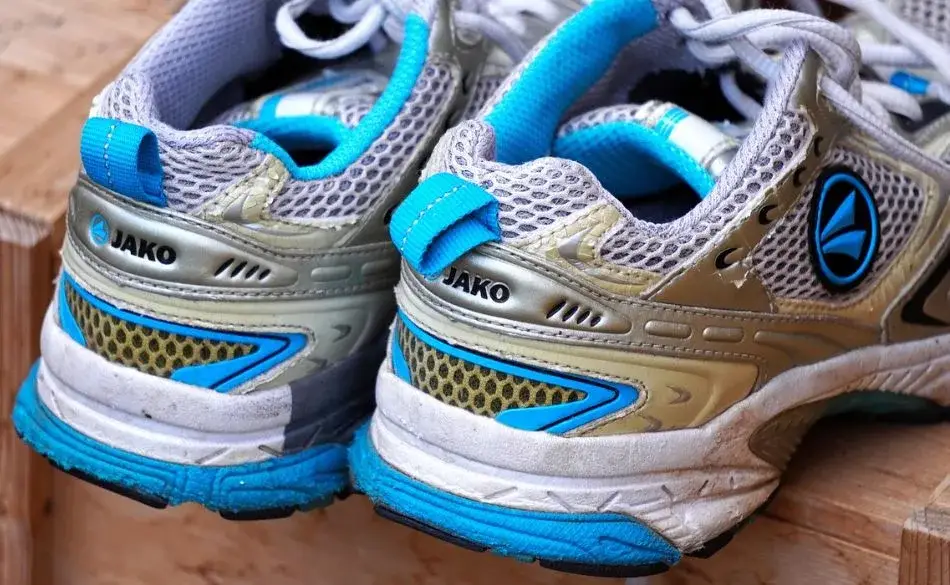
Worn running shoes showing midsole compression and highlighting the need for a running shoe rotation.

Last updated:

Running Shoe Rotation: Why You Need More Than One Pair

Most runners start with one trusted pair and wear them into the ground. It feels practical — fewer decisions, lower upfront cost, one familiar feel. But the evidence tells a different story. A well-structured running shoe rotation is one of the simplest, most research-backed changes a runner can make to reduce injury risk, extend shoe lifespan, and improve how training feels across different session types. And it doesn't require a wall of shoes — just two or three pairs used with intention.

Chat with a SportCoaching coach

Not sure where to start with training?

Tell us your goal and schedule, and we’ll give you clear direction.

No obligation. Quick, practical advice.

Article Categories:

Explore our running advice and tips for more helpful articles and resources.

Quick Answer

A 2015 study of 264 recreational runners found that using more than one pair of running shoes was associated with a 39% lower injury rate over 22 weeks. The mechanism isn’t primarily foam recovery — it’s load variation. Different shoes alter your gait and stress distribution slightly, preventing the same tissues from being loaded identically on every run. The minimum effective rotation is two pairs. Three covers most runners’ training needs. The financial case is also strong: rotating two pairs extends total lifespan by up to 60% compared to wearing one pair daily.

The Research: What the Science Actually Says

The most cited and rigorous study on running shoe rotation is Malisoux et al. (2015), published in the Scandinavian Journal of Medicine and Science in Sports. It followed 264 recreational runners prospectively for 22 weeks, tracking all training details and injuries via a dedicated online platform. One third of participants (87 runners) sustained at least one running-related injury during the study period. Cox regression analysis identified “parallel use of more than one pair of running shoes” as a significant protective factor against injury — with a hazard ratio of 0.614 (95% CI: 0.389–0.969), meaning shoe-rotating runners were injured at only 61% of the rate of the overall group.

Notably, the study also found that participation in sports other than running was protective, and that longer average session distances were associated with lower injury risk. The authors concluded that shoe rotation and sports cross-training represent strategies that vary the mechanical load on the musculoskeletal system — reducing the repetitive stress that drives most overuse injuries. This is the key insight: running produces thousands of near-identical footstrikes per session. Even small changes in shoe geometry, stack height, or heel drop alter which tissues absorb which forces, giving stressed structures brief recovery windows between sessions.

The Foam Recovery Question: More Nuanced Than Advertised

The most commonly cited reason for shoe rotation — allowing midsole foam to recover between runs — turns out to be partially true but frequently overstated. A 1985 study from Tulane University (Cook, Kester, Brunet) found that EVA foam, the material used in most daily trainers, showed no meaningful cushioning recovery after a 24 or 48-hour rest period on a mechanical impact-testing machine. Foam degradation in EVA is cumulative and mileage-dependent — the shoe wears out regardless of rest time between runs.

However, this doesn’t mean foam type is irrelevant to rotation. More recent foam technologies like PEBA (polyether block amide) — used in carbon-plate racing shoes and premium trainers — are softer and more responsive but also slower to recover and faster to degrade permanently. RunRepeat’s foam testing found that EVA foams maintain only about 70% recovery after compression, while advanced foams like E-TPU recover better but take 48–72+ hours to reach peak performance. For runners using high-performance foams frequently, rotation matters more — not because the foam “recovers” in a meaningful physiological sense, but because the shoe delivers a noticeably different (and better) performance when given adequate time between hard efforts.

The practical conclusion: the primary benefit of shoe rotation is for the runner’s body, not the shoe’s foam. Varying load distribution prevents overuse injury. The foam benefit is secondary and real but less dramatic than often claimed.

How Different Shoes Vary Load: The Biomechanics

Even seemingly small differences between shoe models — 4mm vs 8mm heel drop, 28mm vs 34mm stack height, firm vs soft midsole — produce measurable changes in gait and muscle recruitment. A lower heel drop increases loading on the calf and Achilles tendon and encourages a midfoot or forefoot strike pattern. A higher drop reduces Achilles load and encourages heel striking. A firm midsole requires more intrinsic foot muscle engagement; a soft midsole absorbs more load in the shoe itself and reduces foot muscle demand.

When you run every session in the same shoe, the same anatomical structures absorb the same forces in the same patterns with every stride — day after day, week after week. This repetitive loading is the fundamental mechanism behind stress fractures, tendinopathy, plantar fasciitis, and IT band syndrome. Rotating between two shoes with different characteristics distributes this repetitive stress across a wider range of tissues. No single structure is ever loaded at maximum capacity for seven consecutive days. This is structurally analogous to cross-training — except it requires no additional time, no different workout format, just different footwear on different days.

One practical illustration: a runner who trains in a 10mm-drop daily trainer Monday, Wednesday, and Friday, and switches to a 4mm-drop lighter shoe Tuesday and Thursday, is providing their Achilles tendon with varied loading across the week rather than identical loading every day. The Achilles adapts to the variation rather than accumulating fatigue from the repetition. Our guide on eccentric heel drops explains in detail how the Achilles responds to load variation — the same principle that makes shoe rotation protective.

How Many Pairs Do You Actually Need?

The answer depends on weekly training volume and the types of sessions you run. Research suggests the greatest benefit comes from 2–4 distinct models — beyond four pairs, the benefits plateau and too much variation can impede the body’s ability to adapt to any single shoe.

👉 Swipe to view full table
Runner ProfilePairs RecommendedReasoning
Beginner (2–3 days/week)1–2Low volume means low repetitive stress; one good pair suffices, a second pair adds protection if budget allows
Recreational (3–5 days/week, mixed sessions)2–3Enough volume that load variation provides meaningful injury protection; different session types benefit from different shoes
Regular trainer (5–6 days/week)3Daily training means daily foam loading; 3 pairs ensures each gets adequate rest and matches session type
High-mileage / marathon training (60+ km/week)3–4Very high repetitive stress; rotation is critical; often includes double runs where two fresh pairs in one day are needed
Trail + road runner3–4 (inc. trail shoe)Trail and road shoes have different grip, protection, and cushioning; mixing surfaces requires terrain-appropriate footwear

Building Your Rotation: The Four Shoe Types

1. Daily Trainer (The Workhorse)

This is the foundation of any rotation — the shoe for easy runs, recovery runs, and longer aerobic sessions at conversational pace. It should be cushioned, durable, and comfortable enough to wear repeatedly without fatigue. Moderate heel drop (8–12mm), sufficient stack height (28–34mm), and a neutral or mildly stable feel are the target characteristics. It doesn’t need to be fast or lightweight — it needs to be dependable and forgiving over high cumulative mileage. This shoe will take 60–70% of your weekly kilometres in a well-structured rotation. Our guide on running shoes for flat feet covers how to match daily trainer characteristics to your foot type.

2. Responsive Trainer / Tempo Shoe

This is the shoe for your quality sessions — tempo runs, interval training, threshold work, and any run where you’re pushing beyond easy pace. It should be noticeably lighter and more responsive than the daily trainer, with a firmer midsole that provides ground feedback and supports efficient energy return at faster paces. A lower stack height (22–28mm) and lower heel drop (4–8mm) typically characterises this category. This shoe takes 20–30% of weekly volume. The firmer construction makes it too fatiguing for easy-day recovery runs but ideal for sessions where turnover and feel matter. Our interval running guide covers how to structure the quality sessions that this shoe is designed to support.

3. Long Run / Max Cushion Shoe

For runners building beyond 16–18km long runs, a dedicated high-cushion option reduces fatigue in the final kilometres and protects the feet and joints from the accumulated impact of extended time on feet. This shoe typically has the highest stack height (35mm+) and softest midsole in the rotation. It’s not designed for pace — it’s designed to get you through long efforts feeling less destroyed. For marathon training, having a shoe specifically reserved for long runs means your legs arrive at each long session in a shoe that hasn’t been ground down by daily training mileage during the week.

4. Racing Flat / Carbon-Plate Shoe (Optional)

Carbon-plate racing shoes represent some of the most significant performance technology in running — research confirms they improve running economy by 4–5% compared to conventional shoes. However, their stiff geometry, aggressive geometry, and high price mean they should be treated as specialist tools: races and specific quality workouts only, typically 5–10% of total mileage. Running them daily degrades the carbon plate and the PEBA foam quickly, wastes an expensive shoe, and increases injury risk because the stiff plate removes proprioceptive feedback that the body uses to regulate loading. Our guide on whether carbon plate shoes are worth it covers the performance evidence in detail.

Practical Rotation Examples

Two-Shoe Rotation (3–4 days/week runner)

👉 Swipe to view full table
DaySessionShoe
MondayEasy run 40 minDaily trainer
TuesdayRest
WednesdayTempo / intervalsResponsive trainer
ThursdayRest or easy cross-training
SaturdayLong runDaily trainer (or max cushion if available)
SundayRest

Three-Shoe Rotation (5 days/week runner)

👉 Swipe to view full table
DaySessionShoe
MondayEasy recovery runDaily trainer
TuesdayInterval sessionResponsive trainer
WednesdayEasy runDaily trainer
ThursdayTempo runResponsive trainer
FridayRest
SaturdayLong runMax cushion / long-run shoe
SundayRest

When to Replace Each Pair

The standard guidance of 500–800 km per pair is a useful starting point, but midsole degradation varies significantly with runner weight, running surface, gait pattern, and foam type. A 90 kg heel-striker running exclusively on concrete will wear out a shoe much faster than a 60 kg midfoot-striker on trails. The most reliable replacement signal is how the shoe feels rather than odometer milestones.

👉 Swipe to view full table
SignWhat It MeansAction
Shoe feels noticeably flatter or firmer than when newMidsole foam has degraded; cushioning reducedReplace soon — this is the primary signal
New aches after runs in a previously comfortable pairReduced shock absorption increasing joint loadReplace immediately and assess if injury developing
Midsole visibly creased or wrinkled on the sidesFoam structure breaking down under repeated compressionReplace — the foam is past useful life
Heel counter feels soft or deformedStructural integrity compromisedReplace for runs requiring stability
Outsole worn through to midsole foamTraction compromised; foam directly contacting groundReplace immediately
Shoe tilts noticeably when placed on a flat surfaceAsymmetric midsole wear; altered gait loadingReplace — asymmetric wear increases injury risk

Our dedicated guide on when to replace running shoes covers the mileage, time, and feel indicators in detail, including how to assess midsole condition when the outsole still looks new. For runners tracking mileage per shoe, Strava and Garmin Connect both allow you to assign runs to specific shoes and track accumulated kilometres.

The Financial Argument for Two Pairs

The upfront cost of buying two pairs is the most common objection to shoe rotation. But the financial logic actually favours rotation over single-pair use when viewed over a 12-month horizon. A single pair used for every session accumulates mileage twice as fast as a rotating pair, meaning it needs replacement twice as often. If you run four days per week in one pair, that pair reaches 800 km in roughly 5–6 months. Two pairs rotating the same four-day schedule each reach 800 km in approximately 10–12 months. Over a year, you replace one pair twice vs. the second pair of a two-shoe rotation once — often breaking even or saving money while also benefiting from the injury risk reduction.

The calculation becomes more favourable still if you account for the cost of a single running injury. A single bout of plantar fasciitis, Achilles tendinopathy, or IT band syndrome can mean weeks of lost training, physio appointments, and potentially the cost of alternative low-impact training. The 39% injury risk reduction from shoe rotation isn’t just a health benefit — it’s financial insurance.

Common Mistakes in Running Shoe Rotation

Rotating two copies of the same model. Two identical shoes provide almost no load variation benefit — the stress patterns are nearly identical. The injury-prevention benefit comes from biomechanical variety. At minimum, your two shoes should differ in heel drop or stack height.

Using the racing flat for easy runs. Carbon-plate shoes are not daily trainers. Using them for easy runs removes proprioceptive feedback, loads the Achilles through an unusually stiff lever, and depletes the expensive foam faster. Reserve them for races and key quality sessions — typically no more than 10% of total mileage.

Switching too abruptly to lower-drop shoes. A meaningful drop change (say, from 10mm to 4mm) substantially increases calf and Achilles loading. This is not inherently bad but needs to be introduced gradually — starting with 10–15% of weekly mileage in the lower-drop shoe and increasing by no more than 5% per week. Our guide on running form and biomechanics explains how footwear changes interact with gait patterns.

Replacing by calendar rather than by feel. Some runners replace shoes every 6 months regardless of how they feel. A heavier runner doing high-mileage training on concrete may need to replace after 400 km. A lighter runner doing mixed terrain might get 900 km from the same model. Mileage tracking combined with the feel test is more reliable than calendar-based replacement.

Ignoring shoe-specific purpose. The full benefit of rotation comes when each shoe has a distinct role. Wearing the tempo shoe for easy recovery runs because it’s newer, or the cushioned trainer for intervals because it’s more comfortable, defeats the purpose. Match the shoe to the session type it’s designed for.

Want a Training Plan That Tells You What to Wear When?

A structured running programme includes session types that match specific footwear — easy days, quality days, long runs. If you're building toward a race goal, our coaching and training plans include guidance on how to structure your training week.

FAQ: Running Shoe Rotation

Does rotating running shoes actually reduce injury risk?
Yes. The Malisoux et al. (2015) study in the Scandinavian Journal of Medicine and Science in Sports found a 39% lower injury rate among recreational runners who used more than one pair over 22 weeks. The mechanism is load variation — different shoes distribute stress differently across tissues, preventing any single structure from bearing identical repetitive load every session.

How many pairs of running shoes should you rotate?
Two pairs is the effective minimum. Three pairs — daily trainer, responsive trainer, and long-run shoe — covers most runners’ training needs. Four pairs makes sense for high-mileage runners or those who combine road and trail running. Beyond four, the benefits plateau.

Does foam in running shoes actually recover between runs?
Traditional EVA foam shows no meaningful recovery after rest in controlled studies — it degrades cumulatively with mileage regardless. Newer foams like PEBA recover better but take 48–72 hours. The main benefit of shoe rotation is load variation for the runner, not foam recovery. See our guide on when to replace running shoes for more on foam lifespan.

When should you replace running shoes?
Replace when the shoe feels flatter or firmer than when new, when you develop new aches after runs in a previously comfortable pair, or when the midsole shows visible creasing. Mileage guidelines (500–800 km) are a starting point, but feel is the most reliable indicator.

What types of shoes should I rotate?
At minimum: one cushioned daily trainer for easy and long runs, one lighter responsive shoe for quality sessions. The two should differ in heel drop or stack height to create meaningful biomechanical variation. Our guide on carbon plate running shoes covers when to add a race-day shoe to the rotation.

Is buying two pairs of running shoes worth the cost?
Yes. Each pair lasts significantly longer when rotated (potentially up to 60% longer), so the total annual footwear cost is often comparable to single-pair replacement — while providing the injury risk reduction of the rotation. Factor in avoided physio costs from overuse injuries and the financial case for rotation is strong.

Find Your Next Running Race

Ready to put your training to the test? Here are some upcoming running events matched to this article.

Graeme - Head Coach and Founder of SportCoaching

Graeme

Head Coach & Founder, SportCoaching

Graeme is the founder of SportCoaching and has coached more than 750 athletes from 20 countries, from beginners to Olympians, in cycling, running, triathlon, mountain biking, boxing, and skiing. His coaching philosophy and methods form the foundation of SportCoaching's training programs and resources.

750+
Athletes
20+
Countries
7
Sports
Olympic
Level

Start Your Fitness Journey with SportCoaching

No matter your goals, SportCoaching offers tailored training plans to suit your needs. Whether you’re preparing for a race, tackling long distances, or simply improving your fitness, our expert coaches provide structured guidance to help you reach your full potential.

  • Custom Training Plans: Designed to match your fitness level and goals.
  • Expert Coaching: Work with experienced coaches who understand endurance training.
  • Performance Monitoring: Track progress and adjust your plan for maximum improvement.
  • Flexible Coaching Options: Online and in-person coaching for all levels of athletes.
Learn More →

Choose Your Next Event

Browse upcoming Australian running, cycling, and triathlon events in one place. Filter by sport, check dates quickly, and plan your training around something real on the calendar.

View Event Calendar