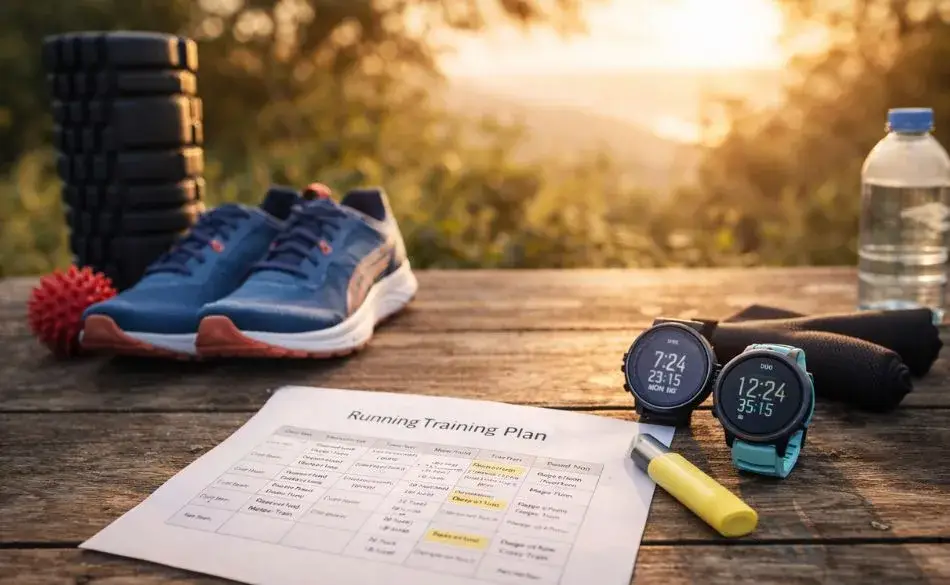
Running Shoes Are Becoming More Specific, Not More Extreme
Running shoes are one of the clearest product trends shaping how people train in 2026. Rather than chasing the fastest or most aggressive option, runners are moving toward specific use, and that shift is changing how training weeks are structured. This aligns closely with how most runners now follow running training plans that balance easy mileage with harder sessions across the week.
In practice, this means stepping away from the idea that one shoe should handle every run. As training frequency increases, runners are learning that footwear plays a role in how well the body tolerates repeated loading. As a result, simple shoe rotations are becoming more common, not among elites, but among everyday runners trying to stay consistent.
Most runners now separate their shoes into clear roles. A cushioned daily trainer typically covers the majority of easy and long runs. This choice is not about comfort alone. Because most training mileage is meant to feel controlled rather than demanding, reducing impact stress helps the legs recover between sessions and supports steady week-to-week volume.
Alongside this, a second shoe is often introduced for higher-intensity work. This shoe is usually lighter or more responsive and reserved for tempo runs, intervals, or race-specific sessions. By limiting how often this shoe is worn, runners gain the benefit of responsiveness without exposing the lower legs to unnecessary strain on easy days. Over time, this also creates a clearer physical distinction between hard and easy sessions, which can improve pacing discipline.
At the same time, there is growing awareness that fit and stability matter more than marketing labels. Rather than focusing on whether a shoe is classified as neutral or supportive, runners are paying closer attention to how stable it feels when fatigue sets in. This trend is particularly noticeable among runners increasing volume later in life or returning from injury, where confidence under load matters more than weight or speed.
One athlete I coach reduced recurring calf tightness simply by using his lighter shoes once per week and relying on a more cushioned trainer for the rest of his running. Nothing else in his program changed. The improvement came from matching the product to the workload.
Taken together, shoe trends in 2026 reflect a broader shift toward sustainability. The right shoe is no longer the one that feels fastest out of the box, but the one that helps you train again tomorrow with fewer compromises.


Wearable Technology Is Shifting From Tracking Everything to Guiding Decisions
Wearable technology continues to influence running in 2026, but the way runners interact with it is changing. Rather than trying to track everything available, more runners are learning to use technology as a guide for decision-making. This shift reflects a growing understanding that data is only useful when it leads to clear, practical action.
For many runners, this change has been driven by experience. While modern watches can generate dozens of metrics after every run, not all of them are helpful on a day-to-day basis. Over time, runners are gravitating toward a smaller set of indicators such as heart rate trends, perceived effort, sleep quality, and basic recovery signals. These measures are easier to interpret and, importantly, easier to apply consistently as training volume increases.
Alongside this, there is a noticeable change in when data is used. Instead of reviewing numbers only after a session, runners are increasingly checking readiness cues before heading out the door. This allows them to adjust how a run is approached rather than judging it afterward. If sleep has been poor or resting heart rate is elevated, the focus may shift toward maintaining duration rather than pushing pace. In this way, training intent is preserved even when conditions are not ideal.
At the same time, runners are becoming more comfortable with the idea that wearable data is contextual. A single low score does not automatically indicate a problem, just as a high score does not guarantee a strong session. When viewed over time, patterns offer more meaningful insight than daily fluctuations. This perspective reduces unnecessary concern and keeps technology in a supportive role.
This more balanced approach is also appearing across age groups. Junior runners, masters athletes, and beginners are all using simplified feedback to learn pacing and recovery awareness. Instead of using data to justify harder efforts, runners are increasingly using it to recognise when restraint is the smarter option.


Recovery Products Are Moving From Optional Extras to Core Training Tools
Recovery products are playing a larger role in how runners train in 2026, not because training has suddenly become harder, but because it has become more consistent. As runners train more regularly across the week, recovery is no longer something reserved for race day or injury periods. Instead, it has become part of the everyday training process, supported by simple, repeatable tools.
One of the clearest changes is how recovery products are being used. Rather than long, occasional sessions, runners are favouring short routines that fit naturally into daily life. Foam rollers, massage balls, and mobility tools are often used for just a few minutes after a run or before bed, and understanding how and why to use a foam roller for better recovery helps runners get more reliable benefit from this simple habit. This approach helps manage stiffness before it builds up and makes recovery easier to maintain across busy weeks.
Alongside this, massage devices have become more common, particularly among runners with limited time. While they are not a replacement for rest or appropriate training load, they offer a practical way to reduce perceived muscle tightness and improve circulation. Importantly, runners are becoming more mindful of how these tools are used. Light, localised application is preferred over aggressive or prolonged sessions, reflecting a better understanding of recovery as support rather than correction.
Compression products are also being adopted more steadily. Socks, sleeves, and pneumatic boots are typically used after longer or more demanding sessions. Their appeal lies less in complexity and more in simplicity. Runners can use them passively, which often encourages better post-run habits even when the physiological response varies from person to person.
Cold exposure tools, such as ice baths or cold showers, are now approached with more restraint. Instead of being used after every run, they are increasingly reserved for periods of high load or racing. This more selective use reflects improved awareness of timing and purpose, rather than a belief that colder is always better.


Nutrition Products Are Becoming Simpler and More Purpose-Driven
Nutrition products are another area where running trends for 2026 are shifting in a quieter, more practical direction. Rather than adding more supplements or chasing complex fuelling strategies, runners are simplifying their choices and using products with clearer intent. This reflects a broader move toward reliability and tolerance rather than constant optimisation.
One noticeable change is how runners approach everyday fuelling. Instead of reserving nutrition products only for race day, many runners are practising light fuelling during longer runs or harder workouts. This is not about maximising carbohydrate intake at all times. Instead, it is about reducing sudden drops in energy and helping the gut adapt to taking fuel while running. Over time, this makes longer sessions feel more manageable and less unpredictable.
At the same time, runners are becoming more selective about what goes into those products. There is a growing preference for simpler formulations that are easier to digest and more consistent in taste. This is particularly important as training frequency increases and tolerance becomes just as important as fuel quantity. Products that feel comfortable are being favoured over those that promise aggressive performance benefits but carry higher risk of stomach upset.
Hydration products are also being used with more context. Rather than treating electrolytes as a default addition to every run, runners are matching their use to conditions such as heat, duration, and individual sweat response. This more thoughtful approach aligns closely with understanding an effective endurance hydration strategy, helping runners recognise when hydration support genuinely adds value rather than becoming habitual.
Importantly, nutrition products in 2026 are being woven into routine rather than treated as a separate system that constantly changes. Runners are choosing a small number of products that work for them and using them consistently across training and racing. This stability reduces mental load and makes fuelling easier to manage alongside work, family, and shifting schedules.


Training Apps and Platforms Are Encouraging Flexibility Over Fixed Plans
Training apps and digital platforms continue to influence how runners train in 2026, but their role is evolving. Rather than enforcing rigid schedules, many platforms are shifting toward flexible frameworks that reflect how training actually unfolds in real life. This change acknowledges that work, family, and fatigue regularly affect training, and that plans need room to adapt without losing direction. For many runners, this flexibility is supported by better planning habits, including understanding how to use a running calendar to map training around upcoming events and commitments.
One reason this approach is gaining traction is adherence. Runners are more likely to stay engaged when small adjustments are treated as normal rather than as failures. Missed sessions, shortened runs, or swapped days no longer derail the entire plan. Instead, platforms that allow these changes help runners maintain continuity and avoid the stop-start cycle that often follows disruption.
At the same time, there is a clearer separation between structure and prescription. Many platforms now focus on explaining the purpose of each session rather than enforcing exact pace targets every day. This allows runners to adjust effort based on how they feel while still meeting the intent of the workout. Over time, this approach supports better self-awareness and encourages runners to make informed decisions rather than relying solely on instructions.
Another development is the blending of automation with human input. Some runners use apps as a foundational structure while checking in periodically with a coach or mentor. Others rely on app feedback alone but benefit from clearer explanations about why sessions are adjusted. In both cases, understanding is prioritised over blind compliance, which supports longer-term development.
Importantly, this shift toward flexibility is appearing across experience levels. Beginners benefit from guardrails that prevent overdoing intensity, while more experienced runners appreciate the ability to adapt training around work, family, or minor niggles. Rather than pushing everyone toward an idealised week, training platforms in 2026 are recognising that consistency is built through flexibility.


Flexible Training Tools vs Fixed Training Products in 2026
One of the clearest product-driven shifts in running for 2026 sits not in footwear or technology, but in how runners choose their training structure. Increasingly, runners are deciding between flexible training tools and fixed, pre-built plans based on how well those products fit real life, not ideal weeks.
This distinction matters because it shapes how runners respond when training does not go to plan. Fixed training products still have an important role. They provide clarity, simplicity, and reassurance, particularly for beginners or runners working toward a specific event with predictable schedules. For some, that structure removes decision-making and builds confidence.
However, as runners gain experience or face competing demands, the limitations of rigid plans become more obvious. Missed sessions can quickly feel like failure, even when overall training load remains appropriate. Over time, this can create frustration rather than progress.
Flexible training tools approach the problem differently. Instead of assuming perfect execution, they are built around adjustment. Sessions can shift in timing, intensity, or structure while preserving the overall purpose of the week. This does not mean training becomes random or unstructured. Rather, it becomes more resilient. Runners can absorb disruptions without abandoning the process entirely.
From a coaching perspective, this reflects how adaptation actually occurs. Bodies respond to repeated exposure over time, not flawless schedules. Products that allow sensible adjustment help runners maintain momentum, reduce stress around decision-making, and stay engaged even when life intervenes.
The comparison below highlights how these two approaches differ in practice and why flexibility is becoming a more attractive product feature in 2026.
👉 Swipe to view full table
| Category | Flexible Training Tools | Fixed Training Products |
|---|---|---|
| Response to Missed Sessions | Allows sessions to be adjusted or reshuffled without breaking the overall plan. | Missed sessions often create gaps that are difficult to recover from. |
| Adaptation to Fatigue | Intensity and volume can be modified based on readiness or recovery. | Assumes consistent readiness and may encourage pushing through fatigue. |
| Suitability for Busy Schedules | Designed to fit around work, family, and unpredictable weeks. | Works best when weekly routine is stable and predictable. |
| Learning & Awareness | Encourages runners to understand session purpose and self-regulate effort. | Focuses on following instructions rather than building decision-making skills. |
| Long-Term Consistency | Supports steady training across months despite interruptions. | Can lead to stop-start training when plans are disrupted. |
| Best Suited For | Time-poor runners, parents, experienced athletes, and long-term development. | Beginners, short-term goals, or runners who prefer strict structure. |


Entry-Level Running Products Are Being Designed for Longevity, Not Just Beginners
Another important running trend for 2026 sits quietly at the entry level of the market. Rather than serving as short-term stepping stones, beginner-focused running products are increasingly being designed for long-term use. This reflects a better understanding of how most people actually engage with running: gradually, inconsistently at times, and often without a clear desire to move toward more complex gear.
Footwear provides a clear example of this shift. Entry-level running shoes are no longer stripped back to the point of compromise. Instead, they now offer cushioning, stability, and durability that allow runners to build volume safely over time. Importantly, these shoes often remain suitable as training frequency increases, which reduces the need for early replacement. For parents and junior runners, this durability and versatility are especially valuable as training loads change and feet continue to grow.
A similar pattern is appearing in wearable technology. Entry-level watches are focusing less on advanced analytics and more on clear, accessible metrics that support pacing and consistency. By prioritising time, distance, heart rate, and simple effort cues, these devices help runners learn how their body responds to training without overwhelming them with data. This approach encourages understanding rather than dependency.
Beyond footwear and watches, there is also greater attention being paid to comfort across basic accessories. Entry-level hydration belts, socks, and clothing are being designed to minimise friction, irritation, and distraction. While these details may seem minor, they play a significant role in whether runners enjoy training enough to keep showing up. Products that feel comfortable and unobtrusive are more likely to be used consistently.
From a coaching perspective, this trend is particularly encouraging. When runners are not forced to replace gear frequently or relearn systems as they progress, training becomes simpler and more stable. Products that grow with the runner reduce unnecessary decision-making and support habit formation.

What These Running Trends Mean Going Into 2026
Taken as a whole, running trends for 2026 point toward a more practical and sustainable approach to training. Rather than being driven by extremes, breakthroughs, or constant novelty, these trends reflect a growing focus on products that support consistency, flexibility, and long-term participation. Across shoes, wearables, recovery tools, nutrition, training platforms, and entry-level gear, a common thread emerges: usefulness in everyday life.
What becomes clear when these trends are viewed together is how closely they align with real training behaviour. Tools are allowing for adjustment rather than rigid adherence. Recovery products are supporting routine rather than rescue. Nutrition and footwear choices are becoming simpler, more predictable, and easier to tolerate across repeated sessions. Even beginner-focused gear is being designed to last beyond the early stages, acknowledging that progress in running is usually gradual rather than linear.
From a coaching perspective, this shift is encouraging. It reflects a better understanding of how bodies adapt, how habits form, and how runners balance training with work, family, and changing priorities. For those wanting to explore these ideas further, there is a growing collection of running articles that expand on training structure, recovery, and long-term development.
As 2026 approaches, the most valuable running products are unlikely to be those that promise transformation. Instead, they are the ones that quietly reduce friction in training. When tools support repeatable behaviour rather than perfect execution, running becomes easier to sustain, and progress has the space to unfold steadily over time.
Many of the running trends shaping 2026 focus on consistency, flexibility, and training that fits around real life. Understanding these ideas is one thing. Applying them to your own experience, schedule, and recovery needs is where clarity really matters.
Working with a running coach can help turn good principles into a practical plan that balances volume, intensity, and recovery. Whether you are building fitness steadily or returning after time away, personalised guidance can reduce guesswork and support long-term progress.
Explore Running Training Plans