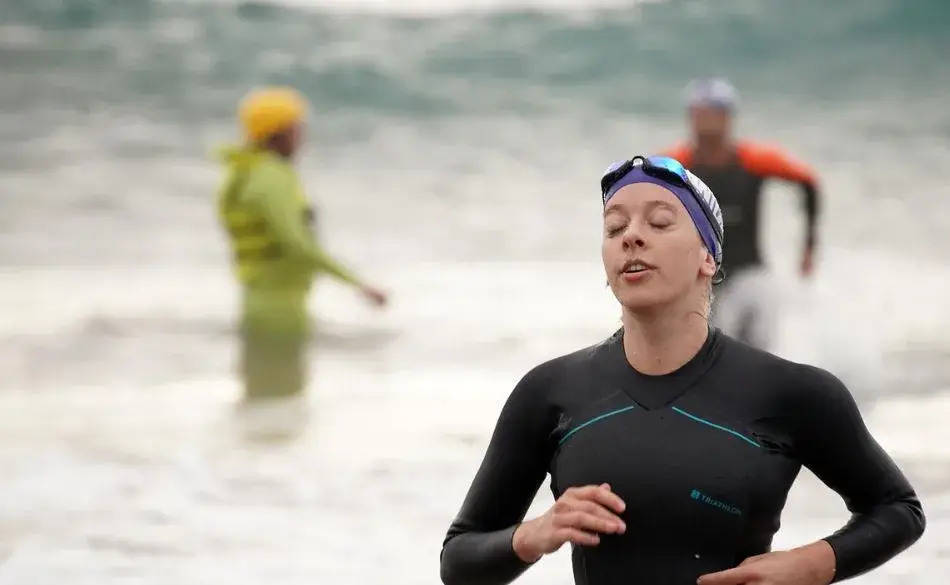
Understanding the Demands of a Sprint Distance Triathlon
At first glance, a sprint distance triathlon can seem straightforward. The swim is short, the bike leg is manageable, and the run often looks brief compared to longer events. However, once training begins, most athletes quickly realise that the challenge lies less in the distances themselves and more in how they connect. Each discipline places different demands on the body, and when they are performed back-to-back, fatigue builds in subtle but important ways. By the time the run starts, you are already carrying the combined load of the swim and bike, even if those earlier efforts felt controlled.
Because of this, training cannot be treated as three isolated sports simply placed side by side. A sprint distance triathlon training schedule needs to account for how fatigue accumulates across sessions and across the week. The swim, while low impact, requires technical efficiency and steady breathing under mild stress. The bike, which contributes heavily to aerobic development, can quietly load the legs if intensity is not managed. Then, as a result, the run tends to reveal pacing errors, strength gaps, or recovery issues that were building earlier.
This is where many sprint athletes run into trouble. Since individual sessions are relatively short, it can feel reasonable to push intensity more often. Over time, though, this approach usually leads to legs that never quite feel fresh, swims that lose rhythm, and runs that stop improving. Instead, progress is more reliable when training alternates between skill-focused sessions, aerobic work, and carefully controlled intensity. This balance allows adaptation to occur without constant strain.
Just as importantly, recovery needs to fit real life. Most sprint athletes are balancing training with work, family, and other responsibilities, which naturally limits recovery capacity. A well-designed schedule recognises this. Hard sessions are spaced deliberately, volume is kept purposeful, and consistency is prioritised over standout workouts. When training reflects the true demands of the event, fitness builds quietly, confidence grows, and race-day execution becomes far more predictable.
Following a sprint distance triathlon training schedule is one thing. Knowing when to adjust sessions, manage fatigue, or back off before small issues grow is something many athletes struggle to judge on their own.
The Triathlon Coaching Program at SportCoaching gives you access to experienced coaching support alongside your training. Sessions are adjusted as you go, feedback is based on how your body is responding, and decisions are made with your schedule, recovery, and goals in mind.
Learn About Sprint Triathlon Coaching

Structuring a Weekly Sprint Distance Triathlon Training Schedule
With an understanding of how the three disciplines interact, the focus shifts to organising them within a typical week. A sprint distance triathlon training schedule does not need to be complicated to be effective, but it does need balance. The aim is to train often enough to build fitness and familiarity, while still leaving room for recovery so sessions support one another rather than compete for energy.
For most athletes, this usually means training five to six days per week. In many cases, one or two of those days may include two shorter sessions instead of a single long workout. This approach works well because frequency matters more than volume at the sprint distance. Swimming two to three times per week helps maintain feel for the water and improve efficiency without excessive fatigue. Cycling is also commonly trained two to three times per week, as it contributes heavily to aerobic development while placing relatively low impact stress on the body. Running often begins at two sessions per week for newer athletes, with a third session added gradually as durability improves.
Within the week, how sessions are placed is just as important as how many are done. A frequent mistake is scheduling hard workouts back to back, such as a demanding bike session followed by a hard run the next day. While this might appear manageable, it often leads to lingering fatigue that dulls later training. Instead, intensity is better separated by an easier day or by a session in another discipline that carries less mechanical load. For example, a harder bike can be followed by an easy swim or a light, technique-focused run.
Equally important is having a clear purpose for each session. Every workout should contribute something specific, whether that is aerobic development, skill improvement, or controlled race-related effort. When too many sessions chase the same outcome, fatigue rises without meaningful gain. Finally, recovery should be planned rather than assumed. At least one low-stress day each week allows the body to absorb training and helps prevent small issues from becoming ongoing problems. When the weekly structure is steady and repeatable, progress becomes easier to manage and adjust over time.


How Training Progresses Across an 8–12 Week Sprint Program
With a stable weekly routine established, attention naturally turns to how training should evolve over time. A sprint distance triathlon training schedule works best when it follows a clear progression rather than repeating the same pattern week after week. For most athletes, an overall preparation window of eight to twelve weeks provides enough time to adapt without letting fatigue or motivation drift in the wrong direction. We’ve explored this timeframe in more detail in our guide on how long it takes to train for a sprint triathlon, including how previous fitness and experience can influence preparation length.
In the early weeks, the focus is on settling into rhythm. Sessions during this phase are intentionally moderate, allowing the body to adjust to regular training across three disciplines. Swim sessions emphasise technique and relaxed aerobic work, bike rides build steady endurance, and runs focus on consistency rather than speed. Although it can be tempting to introduce harder efforts straight away, holding back at this stage helps reduce soreness and lowers the risk of illness. The improvements gained here are subtle, but they form the foundation for later progress.
As that foundation settles, the middle phase introduces gradual progression. At this point, either volume increases slightly or one session per discipline begins to include controlled intensity. For instance, a bike session may add short efforts just above a comfortable pace, or a run may finish with several minutes at planned race effort. These changes are deliberately small. The aim is to improve tolerance to sustained work, not to leave sessions feeling draining. Easier days remain easy so harder sessions can be absorbed properly.
In the final weeks, training becomes more specific to race demands. Pacing and transitions receive more attention, and short brick sessions may be added to help the body adjust from cycling to running. Even so, overall volume does not continue to rise. Instead, effort is sharpened while fatigue is carefully managed. The final week then shifts toward consolidation. Training volume drops, intensity is brief and controlled, and recovery takes priority. When progression is gradual and well-timed, athletes arrive on race day feeling prepared, familiar with the demands, and ready to execute without forcing effort.
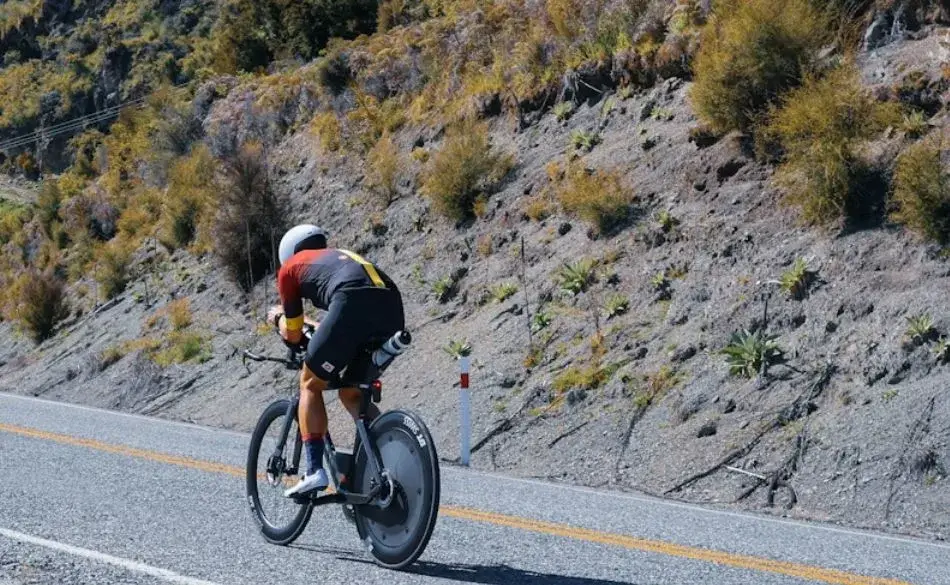

A Practical Weekly Training Reference for Sprint Athletes
Once progression is understood in principle, it becomes easier to see how a sprint distance triathlon training schedule works when it is laid out week by week. Rather than prescribing exact distances or rigid paces, many athletes benefit more from a clear reference that shows how training is typically distributed and how emphasis shifts over time. This kind of structure makes planning more manageable, especially when training needs to fit around work, family, and recovery.
The table below provides a practical snapshot of how a week often looks at different stages of sprint triathlon preparation. It is not intended to be followed mechanically. Instead, it offers context — how many sessions are usually appropriate, where intensity generally sits, and how training load evolves as race day approaches. In real-world coaching, these ranges are adjusted based on experience, background, and how well an athlete is absorbing the work.
In the early phase, the priority is frequency and skill development. Athletes are learning how to train consistently across three disciplines without accumulating unnecessary fatigue. As training moves into the middle phase, load increases slightly, usually through one additional session or small, controlled doses of intensity. Later, the focus shifts again toward race familiarity. Importantly, this does not mean doing more overall, but rather doing sessions that more closely reflect race demands.
This structure also reinforces an important principle: progression is not about forcing sessions to happen at all costs. When athletes understand how their week fits together, they are better able to adjust intelligently when life intervenes. Over time, that flexibility supports consistency, which remains the strongest driver of improvement at the sprint distance.
👉 Swipe to view full table
| Training Phase | Weekly Swim Sessions | Weekly Bike Sessions | Weekly Run Sessions | Main Focus | Typical Intensity |
|---|---|---|---|---|---|
| Early Preparation | 2 | 2 | 2 | Skill development and aerobic foundation | Mostly easy, conversational effort |
| Mid-Program Build | 2–3 | 2–3 | 2–3 | Gradual load progression and durability | Easy work with short, controlled efforts |
| Race-Specific Phase | 2–3 | 2–3 | 3 | Pacing awareness and transition readiness | Moderate effort with race-pace segments |
| Taper Week | 1–2 | 1–2 | 1–2 | Recovery, freshness, and confidence | Short sessions, light intensity only |
Training on your own can feel like a puzzle — you know you need structure, but it isn’t always clear how to adjust load, when to add intensity, or how to keep recovery on track.
The Sprint Distance Triathlon Plan from SportCoaching gives you a proven, coach-developed framework tailored specifically for sprint racing. It shows you how to organise swim, bike, and run work, build progression safely, and adjust training as you go — so your preparation stays steady and purposeful.
View the Sprint Distance Plan

Balancing Intensity and Recovery Across Swim, Bike, and Run
With a weekly structure in place, the next challenge for most sprint athletes is learning how to manage intensity. Because individual sessions are relatively short, it is easy to slip into training hard more often than intended. Over time, this approach blurs the purpose of workouts and makes recovery less predictable. A sprint distance triathlon training schedule works best when intensity is used with intention rather than frequency.
Across the three disciplines, intensity does not need to be applied evenly. Swimming, for example, generally tolerates intensity better because it places minimal impact stress on the body. As a result, short, controlled efforts can be included more regularly, provided technique remains stable. Even so, constant hard swimming often leads to a loss of form, which limits progress. For most athletes, swim sessions benefit from a mix of relaxed aerobic work and brief, purposeful efforts rather than sustained hard sets.
Cycling sits somewhere between the swim and the run. It supports aerobic development and allows controlled intensity with relatively low injury risk, yet fatigue can accumulate quietly. A hard bike session may feel manageable at the time, but its effects often appear later, particularly in subsequent runs. For that reason, bike intensity is best placed with care, typically followed by lighter sessions or technical work rather than another demanding workout.
Running, by contrast, requires the greatest restraint. Although the run leg is short in a sprint triathlon, running intensity places the highest mechanical load on the body. When pace is pushed too often, progress tends to stall and minor issues become more common. This is also why brick sessions need to be used selectively. Short runs off the bike can help athletes adapt to the transition, but they do not need to follow every ride. We’ve covered this in more detail in our guide to brick workouts for triathletes, including when they add value and when they are better left out.
Most run sessions should therefore feel comfortable, with only small portions devoted to race effort or gentle speed development. When intensity is added, it needs to be supported by adequate recovery before and after.
Taken together, recovery becomes an active part of training rather than something assumed. Easy days, lighter sessions, and occasional rest days are what allow harder work to be effective. When this balance is respected, training feels repeatable rather than draining, fitness improves steadily, and race-day effort becomes easier to control.


How to Know If Your Sprint Training Schedule Is Working
Once training is underway, it is natural to start wondering whether the schedule you are following is actually doing what it is meant to do. Progress in sprint triathlon training is rarely dramatic from one week to the next, and improvement often shows up in subtle ways rather than obvious breakthroughs. Because of this, learning how to recognise early signs of adaptation can help you stay patient and consistent.
One of the clearest indicators that training is on track is a sense of stability. Over time, sessions begin to feel more predictable rather than erratic. You may notice that your swim starts to feel smoother earlier in the session, or that your breathing settles more quickly on the bike. Runs, particularly those done off the bike, often begin to feel less abrupt, even if pace has not changed noticeably. Taken together, these small shifts usually suggest that your body is adapting to the combined demands of the sport.
Energy levels outside of training provide further context. When a sprint distance triathlon training schedule is well balanced, fatigue tends to rise and fall in a manageable way. You might feel tired after harder days, but that fatigue eases within a day or two. Sleep remains relatively steady, and motivation to train does not disappear between sessions. This pattern generally indicates that recovery is keeping pace with training load rather than falling behind it.
At the same time, it helps to recognise early signs that load may be creeping too high. Persistent heaviness in the legs, especially during easy runs, often appears before performance drops. Swim sessions may feel flat for several days in a row, or effort on the bike may feel higher than expected for familiar work. These responses are closely tied to how training stress accumulates over time, which we explain in more detail in our article on overload in fitness.
These signals are not failures. Instead, they are cues that something needs adjusting, often before rest or time off becomes necessary.
Finally, it is worth remembering that improvement does not always mean getting faster straight away. In sprint training, durability, consistency, and confidence matter just as much. When sessions are repeatable and your body responds in a predictable way, the schedule is doing its job, even if gains feel quiet at first.


Adjusting the Schedule for Beginners, Busy Athletes, and Families
Even the best sprint distance triathlon training schedule rarely plays out exactly as written. Work demands shift, family commitments arise, and energy levels change from week to week. Because of this, effective training plans need some built-in flexibility. Rather than relying on rigid structure, the most successful schedules are guided by clear priorities that allow adjustments without losing overall direction.
For beginners, this often means starting with restraint. Early improvements usually come from simply training consistently, not from pushing intensity or volume. Two swims, two bike sessions, and two runs per week are enough to build skills and basic fitness when sessions are kept purposeful. Leaving one or two days completely free allows the body to adapt and helps training feel manageable rather than overwhelming. As familiarity grows, additional sessions can be added gradually rather than all at once.
Busy athletes benefit most from understanding which sessions matter most. When time becomes limited, protecting key workouts tends to be more productive than trying to maintain total volume. For many sprint athletes, this means keeping one quality bike session, one steady run, and at least one swim focused on technique. If something needs to be missed, it is usually better to skip an easy or low-impact session rather than one that supports progression. Over time, this approach helps maintain fitness while reducing stress around training.
For athletes balancing training alongside family life, flexibility becomes even more important. Shorter sessions performed consistently often lead to better outcomes than longer workouts completed sporadically. Using small windows of time, such as a short run before school drop-off or a quick swim during lunch, helps maintain momentum without disrupting family routines. At the same time, recovery still needs to be respected. Fatigue from life stress contributes to overall load just as much as training does and should influence how demanding sessions feel.
Across all groups, the same principle applies. A sprint distance triathlon training schedule should fit around your life rather than compete with it. If your goals or circumstances change over time, it can also be useful to look at how sprint preparation compares with other triathlon training plans,
so adjustments are made with context rather than guesswork. When changes are made thoughtfully instead of reactively, training remains sustainable, progress continues, and the process stays balanced from start to finish.


Common Sprint Triathlon Training Mistakes and How to Avoid Them
Even when a sprint distance triathlon training schedule is well structured, certain patterns tend to appear across many athletes. These issues rarely come from a lack of effort or motivation. More often, they stem from understandable assumptions about what sprint racing demands.
One of the most common mistakes is treating sprint training as constant high-intensity work. Because the race itself is short, it can seem logical to push hard in nearly every session. Over time, however, this approach usually leads to early stagnation rather than improvement. Fitness develops more reliably when intensity is used sparingly and supported by easier sessions that allow adaptation to take place. This balance is explained well through approaches like the 80/20 triathlon training method, which highlights why most training should remain easy, with only a small portion dedicated to harder effort. Without that balance, fatigue accumulates quietly and consistency begins to suffer.
Another pattern involves borrowing structure from longer-distance triathlon plans. Some sprint athletes copy Olympic or Ironman schedules, assuming that more volume will automatically lead to better results. In practice, this often introduces unnecessary fatigue without adding meaningful benefit. Sprint preparation responds better to repeatable sessions, steady skill development, and controlled race-specific work than to long endurance days that are difficult to recover from week after week.
Brick sessions are another area where good intentions can go too far. While learning to run off the bike is an important skill, it does not need to be practiced after every ride. When bricks are used too frequently, mechanical load increases on already tired legs, which can reduce overall run quality. Used occasionally and with clear purpose, brick sessions are effective. Used constantly, they tend to become counterproductive.
Finally, swim training is often undervalued. Because the swim is the shortest leg of a sprint triathlon, it is sometimes rushed or skipped when time feels tight. However, consistent swim work improves efficiency, lowers early-race stress, and often saves energy that carries through the rest of the event. A calm, controlled swim sets up the bike and run far more effectively than many athletes expect.
Taken together, these patterns highlight the importance of intention over urgency. Avoiding them does not require perfect training. It simply requires awareness and a willingness to adjust. When decisions are guided by purpose rather than pressure, training becomes easier to manage, recovery improves, and progress stays steady throughout the preparation period.
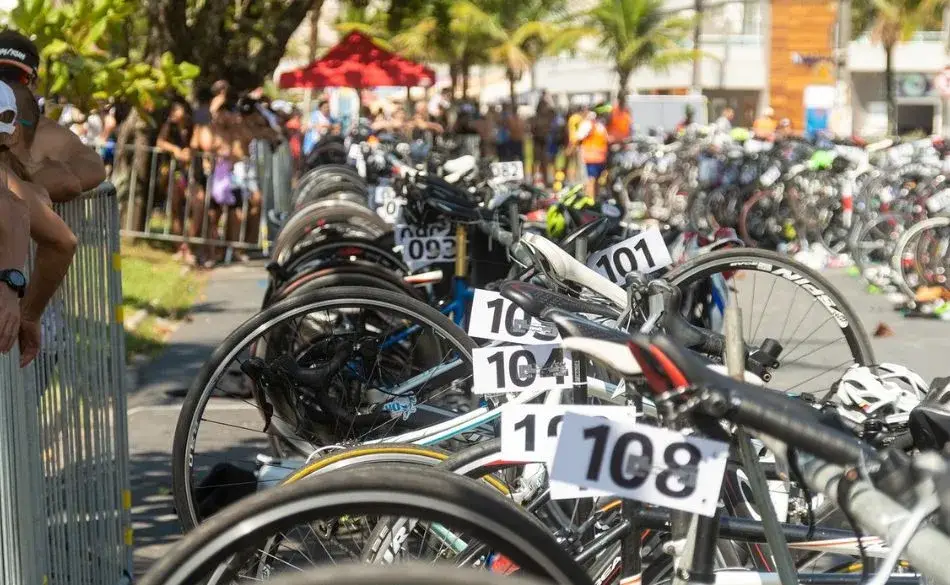

Bringing the Sprint Distance Triathlon Training Schedule Together
When all of these elements are considered as a whole, a sprint distance triathlon training schedule becomes less about following a checklist and more about managing balance over time. The aim is not to train as much as possible, but to train often enough, with clear purpose, and with recovery built into the plan. When swimming, cycling, and running are organised thoughtfully, each discipline supports the others rather than competing for limited energy.
Across an eight to twelve week preparation period, steady progression tends to be more reliable than aggressive change. Early consistency helps establish rhythm, the middle phase introduces small but meaningful challenges, and the final weeks refine race readiness without adding unnecessary fatigue. Weekly structure provides guidance, while flexibility allows that structure to hold up when life inevitably intervenes. Adjustments made with intention usually protect long-term progress rather than disrupt it.
Intensity, in particular, benefits from restraint. By using harder efforts selectively instead of frequently, sessions remain effective and recovery becomes more predictable. Over time, this approach leads to fitness that feels accessible rather than forced. Athletes arrive on race day with a clearer sense of pacing, an understanding of how their body responds under load, and enough freshness to execute what they have practiced.
Ultimately, the most dependable sprint triathlon preparation is built on repeatable habits. When training fits your life, respects recovery, and progresses gradually, improvement tends to follow naturally. In that context, the schedule becomes a guide rather than a source of pressure, allowing you to focus on learning the sport and performing steadily when it matters most.