What a Sweat Test Really Measures
A sweat test for athletes reveals two vital numbers: your sweat rate and your sodium concentration. Together, these determine how your body handles training and racing stress.
Your sweat rate is the volume of fluid you lose per hour. It isn’t fixed, it changes with temperature, humidity, workout intensity, and even altitude. Runners often see higher sweat rates in hot weather races, while cyclists may lose more during long climbs when airflow is reduced. For triathletes, the challenge is unique, each discipline (swim, bike, run) stresses the body differently, which shifts fluid losses throughout the race.
The second number, sodium concentration, measures how much salt you lose in each liter of sweat. Research shows this varies widely: from as little as 200 mg/L to more than 2,000 mg/L. Genetics play a major role, but diet and heat acclimation can also influence the numbers. This explains why some athletes perform well with just water, while others need precise electrolyte replacement to prevent cramps and fatigue.
Here are typical ranges observed across endurance athletes:
👉 Swipe to view full table
| Athlete Type | Common Sweat Rate (L/hour) | Sodium Loss (mg/L) |
|---|---|---|
| Runners | 0.8 – 1.2 | 400 – 1,200 |
| Cyclists | 0.7 – 1.5 | 500 – 1,500 |
| Triathletes | 1.0 – 1.8 | 600 – 2,000 |
By combining sweat rate and sodium concentration, you can build a personalized hydration plan. For example, a cyclist with a sweat rate of 1.2 L/hour and sodium loss of 1,000 mg/L will need both fluids and electrolytes matched to those numbers, not a generic sports drink strategy.
For example, two athletes might ride the same course at the same pace in the same weather, yet one may lose twice as much sodium as the other. Without testing, you’d never know.
A comprehensive review of sweat testing methodology confirms just how much these numbers vary among athletes. Sweating Rate and Sweat Sodium Concentration in Athletes: A Review of Methodology and Intra/Interindividual Variability
Knowing your sweat profile replaces guesswork with data. That’s the real value of sweat testing: it transforms hydration from trial and error into a proven, athlete-specific plan.
A sweat test for athletes shows how much fluid and sodium you lose, but applying that knowledge in training is where results really come. Our Running Coaching program integrates hydration strategies, sweat testing insights, and endurance-specific training so you stay fueled, reduce fatigue, and reach peak race performance.
- Hydration + training: align fluid and sodium intake with your mileage and intensity
- Endurance-focused: strength, mobility, and fueling strategies designed for runners
- Condition-ready: adjust hydration and pacing for heat, humidity, or altitude
- Coach guidance: personalized adjustments based on your sweat profile and race goals
Turn your sweat data into stronger running with coaching built around you.
Start Personal Running Coaching →
Why Sweat Testing Matters for Performance
Endurance athletes often think hydration is simple: drink when you’re thirsty and you’ll be fine. But if you’re a runner, cyclist, or triathlete training for hours at a time, that approach can leave you in trouble. A sweat test for athletes removes the guesswork, showing you exactly what your body needs to stay fueled and hydrated.
When you lose too much fluid without replacing it, your blood volume decreases. This makes your heart work harder to deliver oxygen to your muscles. Research shows even a 2% drop in body weight from fluid loss can impair endurance performance. For cyclists, this might mean fading on a long climb. For runners, it could mean slowing sharply in the final 10K of a marathon.
Electrolytes, especially sodium, are just as critical. Sodium helps your body retain fluid, supports muscle contraction, and keeps nerve signals firing correctly. When sodium losses are high, fatigue can hit harder, dizziness may appear, and the risk of cramping increases. While cramps are influenced by several factors (including muscle fatigue) sodium depletion raises the likelihood. Triathletes racing in hot conditions know how quickly poor electrolyte balance can derail a strong performance.
This is where sweat testing becomes a game-changer. By measuring both sweat rate and sodium concentration, you can design a personalized hydration strategy matched to your physiology. Instead of guessing with water or sports drinks, you’ll know the exact amount of fluid and sodium to replace per hour of training or racing.
Think about it: two athletes might ride side by side, but one loses 600 mg of sodium per liter of sweat while the other loses 1,600 mg. If they both follow the same hydration plan, one will stay balanced while the other risks cramps and a dramatic performance drop.
Even small levels of dehydration can increase heart rate, reduce plasma volume, and make exercise feel harder than it should. That’s why a sweat test for athletes is so important, it gives you the numbers you need to stay ahead of fatigue, cramps, and performance drops caused by fluid and sodium imbalance.
Looking for natural hydration choices? Check out our guide on orange juice for dehydration to see how it compares to other recovery drinks.
How Do You Do a Sweat Test at Home vs. in a Lab?
A sweat test for athletes can be done in two main ways: at home with simple tools or in a lab with specialized testing. Both approaches give valuable information, though lab testing provides more detail.
At-Home Sweat Rate Test (simple and useful):
- Weigh yourself (nude or dry kit) before training.
- Train for 60 minutes at race-like intensity. Note temperature and humidity.
- Measure all fluids you drink during the session.
- Towel off sweat, then weigh yourself again.
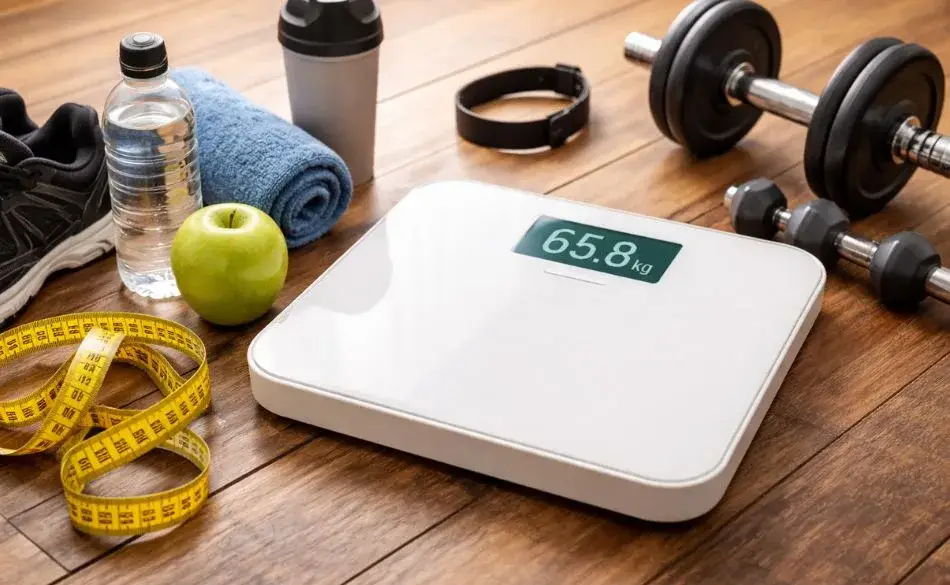
- Use the formula: Sweat rate (L/hour) = (pre-weight – post-weight in kg) + (fluids consumed in L) – (urine in L).
- Repeat in different conditions (hot, cool, long sessions) to see how sweat rate changes.
Important: an at-home test won’t tell you your sodium concentration. It only shows how much fluid you lose.
Lab Sweat Testing (for sodium concentration):
- Sweat is collected using patches or absorbent pads during exercise.
- Samples are analyzed for sodium loss (mg/L), which can vary from 200 to over 2,000 mg/L.
- Results include personalized guidelines on both fluid and electrolyte replacement.
- Lab testing is especially helpful for triathletes, cyclists, and runners who train or race in hot climates.
How to use the numbers:
- Combine sweat rate with sodium concentration to estimate hydration needs.
- Example: If your sweat rate is 1.0 L/hour and sodium loss is 1,000 mg/L, the goal is to replace close to 1.0 L of fluid and ~1,000 mg sodium per hour.
- In practice, most athletes aim for 60–80% of fluid replacement during exercise, then complete the rest in recovery to avoid stomach issues.
Pro tips for endurance athletes:
- Test in your race kit, clothing affects sweat evaporation.
- Cyclists should note climbs with low airflow may increase sweat retention.
- Triathletes should test bike and run sessions separately since sweat losses shift after the swim.
- Re-test after heat acclimation or major training changes.
A sports hydration test doesn’t need to be perfect. What matters is replacing guesswork with data, so your hydration strategy truly matches your body and your sport.


Building a Personalized Hydration Strategy
Once you know your sweat rate and sodium concentration, the next step is turning those numbers into a hydration strategy. This is where a sweat test for athletes really pays off, because it allows runners, cyclists, and triathletes to create fueling plans that are practical and personal.
Hydration isn’t just about replacing what you lose. It’s about balancing intake with comfort and performance. Drink too little, and you risk dehydration and fatigue. Drink too much without sodium, and you risk low sodium levels (hyponatremia). The sweet spot lies in knowing how much fluid and sodium your body actually needs, while also respecting what your stomach can absorb.
Here are typical starting ranges athletes use after sweat testing:
👉 Swipe to view full table
| Athlete Type | Typical Sweat Rate | Suggested Fluid Intake per Hour | Suggested Sodium Intake per Hour |
|---|---|---|---|
| Runners | 0.8 – 1.2 L | 500 – 900 ml | 400 – 1,000 mg |
| Cyclists | 0.7 – 1.5 L | 500 – 1,200 ml | 500 – 1,200 mg |
| Triathletes | 1.0 – 1.8 L | 700 – 1,300 ml | 600 – 1,500 mg |
These ranges are not rigid rules. They should be adjusted for race conditions, environmental heat, and your own gut tolerance. For example, a marathon runner may tolerate smaller, frequent sips, while cyclists can handle larger volumes because drinking on the bike is easier. Triathletes need to balance fluid intake on the bike with what the stomach can handle on the run.
It’s also worth remembering that sodium is the most important electrolyte to replace, but small amounts of potassium, magnesium, and chloride also support endurance. Over time, re-testing and experimenting in training will help refine these numbers into a plan that feels right for your body.
The takeaway: a personalized hydration plan is less about perfection and more about consistency. With the guidance of sweat testing, you’ll have the confidence to fuel smart, adapt to conditions, and avoid costly mistakes on race day.
Fueling after long rides is critical. Learn what to drink next with our detailed guide on best post-workout drink for cyclists.
Every cyclist knows hydration can make or break long rides and tough climbs. A sweat test for athletes shows exactly how much fluid and sodium you lose, but turning that data into performance gains takes planning. Our Cycling Coaching integrates sweat testing insights with endurance training, fueling strategies, and recovery so you can sustain power on climbs, sprint harder, and recover faster.
- Hydration aligned with data: match fluid and sodium intake to your unique sweat profile
- Climb-ready fueling: structured plans that account for reduced airflow and higher sweat loss on hills
- Integrated endurance: hydration and fueling strategies built into long rides and interval sessions
- Coach support: adapt your hydration and training plan around ride data, weather, and race goals
Turn sweat testing into smarter riding with coaching that blends science and performance.
Start Cycling Coaching →
Common Hydration Mistakes Athletes Make
Even with the best training, many athletes lose performance on race day because of poor hydration habits. A sweat test for athletes can highlight these errors, but it’s also useful to know the most common pitfalls before they cost you energy and results.
1. Relying only on thirst
- Thirst is a delayed signal, and by the time you feel it, you may already be dehydrated.
- Runners, cyclists, and triathletes training in the heat often underestimate fluid loss if they follow thirst alone.
2. Overdrinking plain water
- Drinking too much water without sodium can dilute blood sodium levels, leading to hyponatremia.
- This condition is dangerous and has been reported in marathon and Ironman events.
3. Ignoring sodium replacement
- Some athletes lose over 1,500 mg of sodium per liter of sweat.
- Without sodium replacement, fatigue, dizziness, and a higher risk of cramps can follow. While cramps are influenced by multiple factors, sodium depletion makes them more likely.
4. Copying someone else’s hydration plan
- Your sweat rate and sodium loss are unique.
- A plan that works for a training partner may leave you under-fueled or overhydrated.
5. Forgetting to adapt to conditions
- Sweat rate increases in heat, humidity, or altitude.
- Cyclists climbing at low speeds and triathletes running after the bike leg are especially vulnerable if they don’t adjust intake.
6. Skipping practice in training
- Race day is not the time to try new fluids or electrolytes.
- Athletes should rehearse hydration strategies during long sessions to test tolerance.
By understanding these mistakes, you can make the most of your personalized hydration strategy. The solution isn’t to drink as much as possible, it’s to drink the right amount with the right balance of electrolytes, based on your own sweat profile.
One mistake many runners make is not carrying enough fluid during training. Our guide on water bottles for joggers shows simple ways to solve this problem.
Applying Sweat Test Results to Training and Racing
Knowing your sweat numbers is only the first step. The real value of a sweat test for athletes comes when you apply the results to everyday training and competition. Whether you’re a runner tackling a marathon, a cyclist riding long climbs, or a triathlete managing three disciplines back-to-back, using your hydration data effectively can make a huge difference.
During Training:
- Use your sweat test results in long sessions to experiment with fluid and sodium intake.
- Track how your body responds. Energy levels, recovery speed, and gastrointestinal comfort are key indicators.
- Adjust intake based on intensity and weather. For example, cyclists on high-intensity climbs may need more fluids per hour compared to cool, flat training rides.
During Racing:
- Translate sweat test numbers into a race-day hydration plan. If your sweat rate is 1.0 L/hour, aim to drink around 600–800 ml per hour. It is enough to replace most, but not all, of your fluid loss.
- Spread intake across regular intervals rather than taking in large amounts all at once to reduce stomach stress.
- Match sodium replacement to your sweat sodium concentration. For athletes racing in hot, humid conditions, higher sodium intake helps maintain balance, though full replacement during exercise is not always necessary.
Fine-Tuning for Events:
- Short races may only require partial replacement since duration is limited.
- In marathons, cyclists’ century rides, or Ironman triathlons, structured hydration plans are critical.
- Always practice your race-day strategy in training, as gut tolerance is often the limiting factor, not the exact fluid need.
By consistently applying sweat testing insights, you can eliminate guesswork, reduce the risk of dehydration or hyponatremia, and sustain energy across long events. For endurance athletes, hydration is not just about replacing water, it’s about matching your intake to your body’s unique profile in a way your stomach can handle.
Wondering how to actually carry your fluids during runs? Check out our guide on how do runners carry water for practical strategies to support your hydration plan.


Environmental Factors That Change Your Sweat Profile
A sweat test for athletes gives you valuable baseline data, but those numbers don’t exist in a vacuum. Your sweat rate and sodium loss can shift depending on the environment, which is why testing in different conditions is so important.
Heat and Humidity
- In hot, humid climates, your sweat rate rises as your body works harder to cool itself. Runners may see sweat losses nearly double compared to cooler training days.
- Humidity reduces evaporation, so sweat drips instead of cooling efficiently. This means more fluid loss without the same cooling effect.
Altitude
- Training or racing at altitude increases breathing rate and fluid loss through respiration. Combined with sweat, this raises total fluid demands even if you don’t feel as sweaty.
Indoor vs Outdoor
- Indoor training (on treadmills or cycling trainers) often produces higher sweat rates than outdoor sessions because airflow is limited. Cyclists who ride indoors may need as much or more fluid than during outdoor rides.
Wind and Airflow
- On the bike, airflow usually helps cool the body. But on steep climbs where speeds drop, sweat evaporates less efficiently, raising sweat rate. Triathletes and cyclists in hilly races need to account for this shift.
While sweat rate can change drastically with environment, sweat sodium concentration is generally more stable, though long-term heat acclimation may slightly lower sodium losses. This makes repeat sweat testing in different climates valuable (one test in cool weather may underestimate your needs for a summer race). By tracking results across environments, you’ll know how to adapt your hydration strategy whether you’re running a spring marathon, cycling a mountain stage, or racing a triathlon in the heat.
Every triathlete knows hydration can make or break a race. A sweat test for athletes shows how much fluid and sodium you lose, but what if your training plan also adapted to that data? Our Triathlon Coaching integrates sweat testing insights with endurance blocks, fueling strategies, and recovery so you can race stronger and recover faster.
- Personalized hydration: match fluid and sodium intake to your sweat profile
- Condition-specific planning: adapt training and fueling for heat, humidity, and altitude
- Integrated strength + endurance: sessions balanced around bike, swim, and run demands
- Coach insights: real-world adjustments based on your data and race goals
Align your sweat strategy with your training—and give yourself the edge on race day.
Start Triathlon Coaching →

Trends in Athlete Hydration and Sweat Testing
Sports hydration is getting smarter fast. A sweat test for athletes is no longer just a lab service, it’s becoming part of everyday training for runners, cyclists, and triathletes. The biggest shift is toward personalization. Instead of one generic plan, athletes now build a personalized hydration plan using their own sweat rate and sodium loss data.
Wearables are helping drive this change. New sensors estimate sweat rate, skin temperature, and even broad electrolyte patterns during workouts. While these devices aren’t as precise as lab-based testing, they’re useful for spotting trends like how your sweat rate changes in heat, on long climbs, or during interval sessions. For most athletes, that means fewer hydration mistakes and faster adjustments in training.
Hydration products are also evolving. You’ll find sodium mixes in different concentrations, electrolyte capsules for precise dosing, and bottles marked by volume to track intake. Many brands now encourage a two-step process: first complete a sweat rate test, then match your fluid and sodium intake to the results. It’s a simple way to turn numbers into action.
Coaches are weaving hydration targets directly into training plans. Long runs, endurance rides, and triathlon brick sessions often include hydration goals alongside pace and power. Athletes log fluid intake, monitor gastrointestinal comfort, and fine-tune strategies for different conditions. Over time, this builds a reliable hydration strategy for cooler races, summer marathons, and long-distance triathlons.
Race-day planning has also become sharper. Athletes map aid stations, pre-label sodium doses, and prepare bottles based on hourly needs. Cyclists adjust for reduced airflow on climbs, while triathletes split intake strategies between bike and run segments. These details mean fewer late-race collapses and more consistent pacing.
Perhaps the most important trend is using sweat data to prevent problems before they escalate. Early warning signs (like rising heart rate at a steady pace, higher perceived effort, or salty residue on skin and clothing) can signal a mismatch between intake and loss. With personalized testing and modern tools, you can catch these signs early, adapt quickly, and arrive at the start line with confidence.


Conclusion: Sweat Smarter, Perform Better
At the end of the day, your sweat isn’t just a sign of hard work, it’s valuable data. A sweat test for athletes transforms that data into a roadmap for performance. By understanding your sweat rate and sodium concentration, you can stop guessing and start hydrating with precision.
For runners, this means staying strong through the final miles of a marathon and reducing the risk of fatigue. For cyclists, it’s about sustaining power on long climbs without fading. And for triathletes, it’s the confidence that your body can handle the demands of swim, bike, and run. Even in the heat of competition.
The truth is, hydration mistakes can undo months of training. Drinking only when thirsty, ignoring sodium replacement, or copying another athlete’s plan can all hold you back. But when you personalize your hydration strategy, you protect your endurance, improve recovery, and give yourself the best chance of performing at your peak.
The beauty of sweat testing is its simplicity. Whether you use a basic at-home method to track fluid loss or invest in lab testing for sodium analysis, the insights help you build a plan tailored to your body. Over time, you’ll refine it with practice, learning how different conditions and race demands affect your needs.
Hydration will never be one-size-fits-all. But with the right data, you can move from uncertainty to confidence. Think of it as training for hydration just like you train for speed or strength. When you fuel smarter, you free up energy to focus on the race itself.
So sweat smarter, not harder. Use your numbers, trust your plan, and step onto the start line knowing your hydration is dialed in. That’s how you unlock your true potential.