How Long Should a Half Ironman Training Program Be?
If you search around, you’ll see everything from 8-week crash courses to 24-week beasts. But here’s the thing about endurance:
More isn’t always better. Better is better.
The sweet spot for most age-group athletes? A 12 or 18 week half ironman training plan. That gives your body time to adapt, your technique time to improve, and your mindset time to get race-ready.
But not everyone starts at the same place. I coach athletes with different fitness levels, schedules, and life stuff going on.
So how do you know what’s right for you?
- Are you already doing at least 6–8 hours of training per week?
- Can you comfortably run or ride for over an hour?
- Do you have a race goal or just want to finish strong?
If you said “yes” to any of those, you’re ready for a half ironman triathlon plan that builds endurance and sharpens speed.
For example, one of my athletes, Sarah, came in with a solid cycling base but had never swum more than 500 meters. Over 12 weeks, we focused on consistent technique work in the pool, paired with smart recovery between bricks. Come race day? She crushed her swim and smiled the whole finish line stretch.
The key isn’t how long you train. It’s how well your training fits you.
That’s why the SportCoaching Half Ironman Plan is fully adjustable. Whether you’ve got 10 hours or just 6 per week, we build in flexibility while still keeping the intensity where it counts.
And unlike generic PDFs, real coaching means you get:
- Structured weekly progressions
- Recovery weeks that actually recharge you
- Workouts adapted for your bike setup or terrain
- Pacing advice specific to your goal
If you’re feeling stuck or unsure where to begin, a half ironman training schedule built by experienced coaches takes out the guesswork. So you can focus on progress.
If you're tackling your first 70.3 and want a structured, beginner-friendly approach, check out our Beginner Half Ironman Training Plan. This plan is built for athletes who want to confidently train for a Half Ironman without burning out.
- ✅ 20-week plan with a gradual, realistic build-up
- ✅ Balanced swim, bike, and run sessions tailored to beginners
- ✅ Includes pacing guidance, recovery weeks, and tapering
💡 Perfect for first-time 70.3 athletes who want structure, support, and success on race day.
View Beginner Plan

What Does a Balanced Half Ironman Training Week Look Like?
A good week of half ironman triathlon training should feel like a rhythm, not a race.
It’s not just about stacking long sessions. It’s about placing workouts where they’ll actually move the needle.
That’s why a smart 70.3 triathlon training plan mixes endurance, skill, and recovery in the right doses.
So, what does that look like?
- 2 swim sessions (technique + endurance)
- 2–3 bike sessions (including long rides and interval work)
- 2–3 run sessions (easy runs, tempo work, brick runs)
- 1–2 strength or mobility sessions
- 1 full rest day or active recovery
It might sound like a lot, but most of the sessions range from 45–90 minutes. The real trick is knowing how to pair the sessions correctly.
Here’s a simple analogy I use with athletes:
Think of your training week like a puzzle. The long ride is the big corner piece – it sets the structure. Then you fit shorter, sharper sessions around it, making sure the colors (your energy systems) don’t clash.
One of my athletes, Mark, used to train every day without a plan. He was burnt out by week five. Once we shifted to a structured half ironman training schedule with alternating intensities and true recovery days, his fitness jumped without the fatigue.
Our SportCoaching Half Ironman Plan is built exactly this way.
You get:
- Workouts that complement each other (not compete)
- Scheduled brick workouts (bike + run) to simulate race day
- Deload weeks every third or fourth week to avoid overtraining
- Adjustments based on whether you’re stronger on the bike, swim, or run
The key isn’t doing more. It’s doing the right mix of workouts at the right time.
By spreading out effort and allowing adaptation, you reduce injury risk and actually get faster.
And if life gets in the way? That’s okay. You can shift sessions or shorten a workout without derailing your progress. That’s the power of a personalized half ironman triathlon training program and not just following a one-size-fits-all template from the internet.
If you're aiming to break the 6‑hour mark on your next Half Ironman, check out our Sub‑6‑Hour Half Ironman Training Plan. This program is specifically structured to push your limits, boost your endurance, and handle race-day demands with precision.
- ✅ Focused race‑pace and threshold workouts for swim, bike, and run
- ✅ Periodized training with strategic load progression and recovery
- ✅ Pacing plans, transition strategies, and nutrition tips to shave off time
💡 Designed for experienced triathletes who want to push into sub‑6‑hour territory with confidence.
View the Plan & Go Faster →

If you're aiming to sharpen your cycling performance in the 70.3, check out our Half Ironman Cycling Plan. Crafted specifically for the bike leg, this plan helps you maintain power and composure through the toughest part of the race.
- ✅ Progressively structured workouts focused on sustaining race-pace power
- ✅ Integration of interval training, pacing drills, and endurance bricks
- ✅ Practical tips on nutrition, gear setup, and race-day pacing strategies
💡 Ideal for triathletes who want to ride stronger and ride smarter on race day.
View the Plan & Ride Stronger →How Should You Structure Half Ironman Bike Training?
The bike leg is the longest part of a 70.3. This is usually around 50% of your total race time. So it makes sense that a big part of your half ironman triathlon training program should focus on getting strong, smart, and efficient on the bike.
But here’s the truth: it’s not just about riding long. It’s about riding with purpose.
In a well-built half ironman bike training plan, each session targets a different skill:
- Endurance rides (1.5–3 hours) help build aerobic capacity and mental strength.
- Tempo rides teach you to ride at race pace without blowing up.
- Hill work or intervals build power and muscular endurance.
- Brick rides (followed by short runs) help you transition smoothly on race day.
One of my coached athletes, Tom, had a solid run background but always faded on the bike. When we dug into his old training, it was just long, steady rides with no structure. Once we added focused tempo intervals and threshold sessions, he not only held pace longer, he ran better off the bike too.
In our SportCoaching Half Ironman Plan, we match your sessions to your current bike fitness. If you’re using a power meter, we use functional threshold power (FTP) zones. No power? No problem. We can train by heart rate or effort (RPE), and it still works beautifully.
Tip: Don’t skip cadence drills. High-cadence spinning helps flush fatigue and improves efficiency. Especially in the second hour of a long ride. Even just 10 minutes of cadence work mid-ride can have a big payoff.
Also, consider terrain. If your race has hills, your training should too. That means standing efforts, gear shifting practice, and building confidence on descents.
And finally, nutrition. Your half ironman training schedule should include fueling practice on the bike. If you haven’t nailed your hydration and carbs by race day, you’re rolling the dice.
Training smart on the bike sets you up for a stronger run. Get this part right, and your whole race will feel smoother.
If you're targeting a sub‑5‑hour finish for your next Half Ironman, check out our Sub‑5‑Hour Half Ironman Training Plan. Specifically crafted for seasoned athletes, this plan pushes your performance across the swim, bike, and run to deliver your fastest splits.
- ✅ Race‑pace, tempo, and threshold sessions tailored to high‑speed Half IRON distances
- ✅ Structured periodization with deliberate load progression and recovery blocks
- ✅ Advanced pacing guidelines, transition strategies, and nutrition planning for top performance
💡 Ideal for experienced triathletes aiming for a breakthrough performance under 5 hours.
View the Plan & Crush It →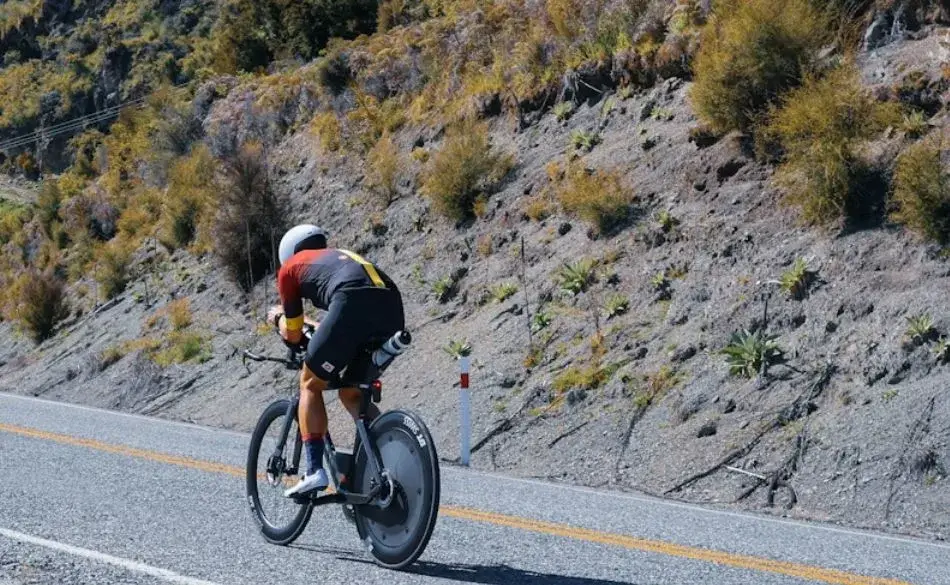
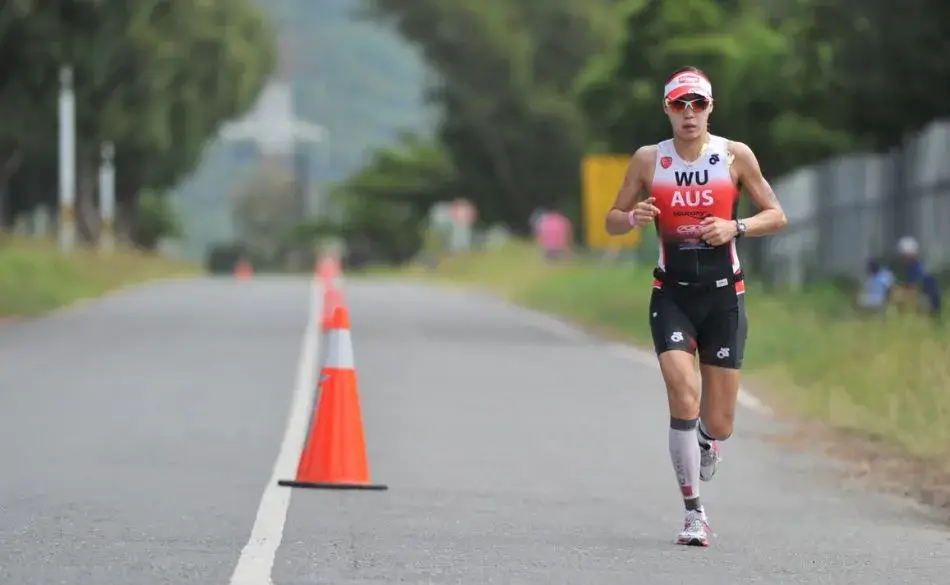
What’s the Best Way to Train for the Half Ironman Run?
The run might come last, but it’s often where the race is won or survival mode kicks in.
After 90km on the bike, your legs won’t feel fresh. That’s why your half ironman triathlon training program needs to prep you not just for running, but for running tired.
A smart half ironman run training plan does three key things:
- Builds aerobic endurance
- Trains pacing off the bike
- Protects you from overuse injuries
So how do we do that?
In our SportCoaching Half Ironman Plan, we use a mix of:
- Easy aerobic runs to build your base
- Tempo intervals to simulate race pace
- Short bricks (15–30 min runs after rides) to train your legs and gut
- Long runs (up to 90 minutes) to boost durability without burning you out
But here’s a tip: You don’t need to run crazy mileage.
One of my coached athletes, Lucy, had dealt with recurring shin splints. When we switched her long runs to soft trail surfaces and added mobility work twice a week, she stayed healthy and ended up running a 1:43 half marathon off the bike.
Your run plan should fit your current ability, recovery needs, and injury history. And yes, walk breaks are allowed in training. They help you maintain form and pace without breaking down.
Another trick? Practice race nutrition during your bricks and long runs. Don’t just wing it on race day.
A good training plan also teaches pacing. It’s easy to go out too fast when your bike adrenaline is high. Your training should teach you to run by effort, not just speed.
If you're focused on fine-tuning your run performance in the 70.3, check out our Half Ironman Running Plan. Designed specifically for the run segment, this plan helps you shift from the bike to run with strength and precision.
- ✅ Run-focused workouts tailored for post-bike fatigue
- ✅ Session types ranging from tempo runs to brick workouts
- ✅ Race-pace strategies, pacing insights, and fatigue management
💡 Perfect for triathletes wanting to sharpen their final leg and finish strong on race day.
View the Plan & Strengthen Your Run →
How Do You Peak for Race Day Without Burning Out?
Training hard is important. But knowing when to pull back? That’s what separates a smart half ironman triathlon training program from a generic plan you grabbed off the internet.
The truth is, most 70.3 athletes overtrain in the final weeks. They panic, feel behind, and pile on too many long sessions.
But here’s the thing about endurance sports: You don’t gain fitness in the workouts. You gain it in the recovery between them.
That’s where tapering comes in.
In our SportCoaching Plan, the final 2–3 weeks before your race include a well-designed taper. It’s not about sitting on the couch, it’s about sharpening while staying fresh.
Here’s what we include in a smart taper:
- Slight drop in training volume (about 30–50%)
- Race-specific intensity in shorter sessions
- Brick workouts with reduced load, but maintained feel
- Nutrition practice under lower fatigue
This lets your body absorb all the hard work you’ve done while keeping your neuromuscular system “awake” for race day.
One of my coached athletes, Dave, used to cram 3-hour rides and long bricks all the way to race week. He’d always show up exhausted. Once we introduced a proper taper (including light open water swims and relaxed recovery runs) he finally nailed his race execution and felt in control from start to finish.
And don’t underestimate the mental side.
Use this phase to dial in your mindset, course plan, and gear checklist. Walk through your transitions. Visualize the race morning routine. Get comfortable with your race nutrition and hydration plan.
Here’s a tip I always tell athletes:
If your legs feel too good during taper week, you’re doing it right.
Tapering might feel strange at first, especially if you’re used to doing more, not less. But a well-timed drop in volume and stress sets you up for peak performance, not burnout.
If you're aiming to complete your Half Ironman in under 4 hours and 30 minutes, our Sub‑4:30 Hours Half Ironman Training Plan is exactly what you need. It’s designed to push pace, maintain endurance, and keep you strong from start to finish.
- ⏱ 20-week structure to progress speed and stamina steadily
- ⏩ Blend of tempo rides, pace-running, and targeted swim sets
- 🧘 Strategic recovery weeks and smarter tapering for peak performance
💡 Perfect for motivated 70.3 athletes chasing a fast, confident race—and a new PR.
View the Sub‑4:30 Plan

The SportCoaching Difference: Why Our Half Ironman Plans Work
Let’s be honest, there are hundreds of half ironman triathlon plans out there.
Some are free PDFs. Others are “one-size-fits-all” downloads. But very few are built by actual coaches who work with real athletes every day.
That’s where we come in.
The SportCoaching Half Ironman Plan isn’t just another template. It’s a personalized roadmap based on real coaching experience, real results, and a deep understanding of what it takes to train smart. Not just hard.
What makes our half ironman triathlon training program different?
- It adapts to your fitness level, not the other way around.
- It includes brick sessions, deloads, and periodization backed by sports science.
- It’s supported by real-world advice—like how to shift when climbing, fuel for long runs, or bounce back from a tough week.
- And most importantly, it’s built with the flexibility your busy life demands.
I’ve coached everyone from full-time parents to corporate execs to age-groupers chasing the podium. And the one thing they all say?
“This is the first time a plan actually worked for me.”
Take Nick, for example. A busy dad of two who only had 7 hours a week to train. We adjusted the plan to focus on high-quality sessions and stacked bricks. He crossed the finish line of his first 70.3 feeling strong and had enough energy to high-five his kids at the end.
You don’t need to train 20 hours a week. You need a 70.3 triathlon training plan that trains the right things, at the right time, for the right athlete.
That’s what we deliver.
So if you’re ready to train with intention and not just hope. Check out our full suite of half ironman coaching options below.
Whether you're chasing your first 70.3 or targeting a breakthrough pace, explore our Half Ironman Triathlon Training Plans. These full-distance plans offer expert-designed structure and clarity to guide your swim–bike–run journey.
- ✅ Phased swim, bike, and run training for balanced progression
- ✅ Flexible plans for first-timers, time-goal chasers, and seasoned athletes
- ✅ Built-in taper, pacing guidance, race-day prep, and nutrition strategies
💡 Perfect for triathletes seeking a structured, race-ready roadmap for their 70.3 goals.
Explore Plans & Start Your 70.3 Journey →