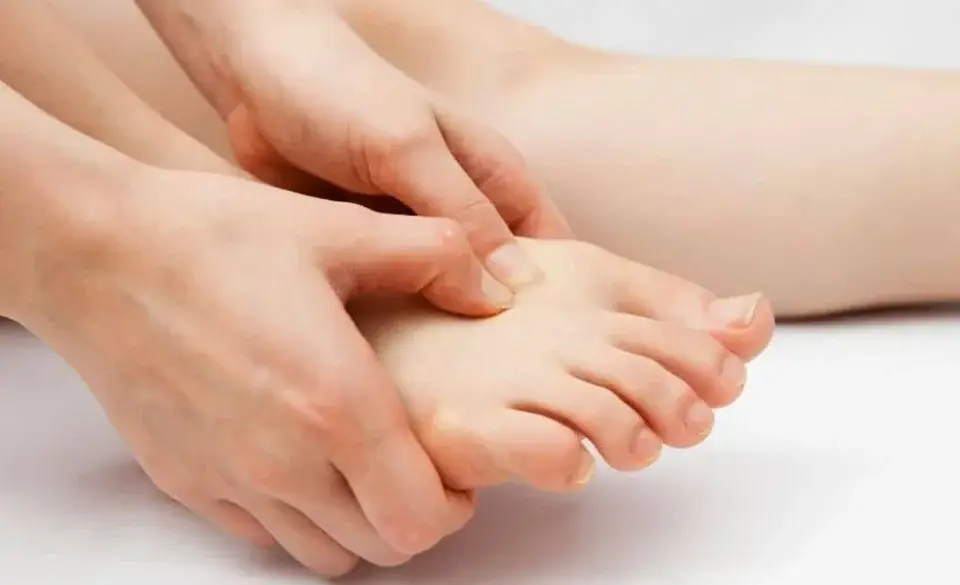
That Sudden Ache Across Your Foot? You’re Not Alone
You’re mid-run. Everything feels good, until it doesn’t. Suddenly there’s a strange pain spreading across the top of your foot. It’s not sharp at first, just enough to make you notice. A few more steps in, and you’re questioning every landing.
If you’ve experienced this, know this: top of foot pain while running is more common than most think. Some feel it in a specific spot. Others feel it across the whole top of the foot. It can even radiate toward the toes or ankle.
I once had a client training for a half marathon who ignored the ache for weeks. She figured it would “go away on its own.” It didn’t. Turns out it was early-stage extensor tendonitis, and continuing to train made it worse. What could’ve been a 1-week rest turned into a 3-month break.
Top-of-foot issues often don’t feel serious at first, which is why they’re dangerous. Most people wait too long before dealing with them.
That stops today.
In this guide, you’ll learn what’s really behind the pain, how to fix it, and how to prevent it. Whether you’re training for a 5K or doing daily jogs, this is essential knowledge every runner should have.


What Exactly Is Top of Foot Pain from Running?
When people say “top of foot pain,” they usually mean one of three things: soreness across the tendons, a bone issue, or nerve irritation. The tricky part is that all of these issues happen in the same tight area. And they all feel kind of similar, especially early on.
The most common medical reasons include:
- Extensor Tendonitis (inflammation of tendons on the top of the foot)
- Metatarsal Stress Fracture (tiny cracks in the bones)
- Tight Running Shoes Causing Nerve Compression
- Midfoot Arthritis or joint inflammation
- Lace Bite (pressure injury from poorly laced shoes)
If you’re searching “why does the top of my foot hurt after running,” chances are you’ve already looked at your shoes and felt no obvious injury. But here’s the thing about running-related foot pain: It doesn’t need an “event” to show up. It builds quietly. Then suddenly it’s loud.
Each stride when you run puts 2–3 times your body weight through your feet. If your shoes, gait, or terrain are even slightly off, your feet feel it. Especially in sensitive spots like the top.
The pain may start dull, or you may feel it only while going uphill. You might only notice it when walking barefoot. These little signs are your early warning system.
Understanding the root cause is your first move toward getting back on track, literally.
Are You Tying Your Shoes Too Tight?
You’d be shocked how often this is the answer. Runners often overlook their laces, but it turns out, how you tie your shoes can make or break your run. Especially if you’re getting lace pressure on the top of the foot.
Most running shoes press on the extensor tendons, which sit just beneath the laces. These tendons are thin, rope-like structures that pull your toes upward when you lift your foot. But if they’re compressed over and over ( by tight laces). irritation sets in.
Tight laces aren’t just uncomfortable. They cause microtrauma. Over time, that constant pressure can create inflammation and even lead to extensor tendonitis from tight running shoes.
If you’re thinking, “But I need my shoes snug or they slip,” don’t worry. There’s a better way.
Try this:
- Skip-eyelet lacing (skip the lace hole that’s pressing on the pain point)
- Parallel lacing (laces run side to side, not crisscross)
- Lock lacing at the ankle to keep your heel secure while reducing pressure on the midfoot
You may also want to try running shoes with a softer mesh upper, which allows more flexibility across the top of the foot.
Even better? Most of these solutions take less than 2 minutes to try.
The key is to listen to discomfort early and make small changes fast.

What If It’s a Stress Fracture?
If your pain doesn’t improve with rest (or gets worse). It could be something more serious.
A stress fracture on the top of the foot from running typically happens in the metatarsal bones (usually the 2nd or 3rd). These tiny cracks form over time, especially in runners who increase mileage or intensity too quickly.
Unlike tendon pain, a stress fracture feels more like a pinpoint ache. You can usually press on one small spot and trigger the pain.
You might also notice:
- Pain that gets worse during a run and stays afterward
- Swelling or warmth on top of the foot
- A throbbing sensation at night
The scary part? Many runners with stress fractures continue training for weeks without realizing it. I once trained with someone who ran through a stress fracture for 3 months before finally getting an X-ray. He ended up in a boot for 8 weeks and missed his race.
If you think you might have a fracture, don’t guess. Stop running. Ice the area. And book a sports doctor appointment immediately.
Remember: bones heal with time, but only if you let them. Ignoring the signs leads to longer recovery and permanent risk of re-injury.
Extensor Tendonitis: The Most Common Culprit
Let’s talk about the usual suspect.
Extensor tendonitis from running is often caused by repetitive motion and friction—like running too much on hard surfaces, or wearing shoes that press down on your tendons.
It often starts subtly:
- A light ache after running that fades quickly
- Tightness or soreness across the top when waking up
- Pain when flexing your foot or toes upward
Over time, if left untreated, it can become sharp or even constant.
What sets it apart from other issues is the pattern. The pain spreads across a broader area and feels more like a “band of tightness” than a sharp jab.
What helps?
- Rest (even just 3–5 days can calm inflammation)
- Icing (15 mins, 2–3x per day)
- Foot elevation at the end of the day
- Changing your lacing technique
- Stretching your calves and ankles to reduce pull on the tendons
Here’s something most people don’t realize: running form matters too. Overstriding, tight ankles, and poor hip stability can all shift pressure toward your foot’s top tendons.
Address the root problem (not just the symptom) and you’ll bounce back stronger.
For a detailed, medically reviewed overview of extensor tendinitis (including causes, symptoms, and treatment options) visit the Cleveland Clinic’s guide on extensor tendinitis. It offers valuable insights for understanding and managing this condition.


How Do You Know It’s Time to Rest?
Let’s be honest, runners are stubborn. You probably are too.
Rest? That’s often the last thing we want to hear.
But when it comes to top of the foot pain caused by running, pushing through can lead to longer setbacks. So how do you know when it’s time to take a break?
Here’s a simple rule I live by:
“If the pain changes your form or your mood, it’s time to rest.”
If you’re limping (even slightly) or if running feels like a chore instead of a release, those are clear signs your body needs a timeout.
Let’s get more specific. You should stop and rest if:
- Your pain appears earlier each time you run
- It lingers or worsens post-run instead of easing up
- You’re adjusting your gait or landing differently to avoid pressure
- You feel pain with everyday tasks like walking barefoot or climbing stairs
One of the most common search questions is: “Can I run with top of foot pain?” The answer is: it depends. If it’s mild and goes away after running, you might get away with light activity. But if it’s sharp, spreading, or affecting your stride, you risk serious injury by continuing.
I had a client who kept running through what he thought was “minor tightness.” Two weeks later, he couldn’t finish a jog around the block and had developed full-blown extensor tendonitis from overtraining.
Instead of losing two weeks to rest, he lost two months to rehab.
Rest doesn’t mean doing nothing. It means making recovery your focus.
Here’s what active rest looks like:
- Ice your foot 2–3 times daily for 15–20 minutes
- Elevate it when sitting or lying down
- Switch to low-impact movement like swimming or upper body strength work
- Address possible causes like shoe fit, running form, or strength imbalances
Use this break as a time to reset. Journal your symptoms. Note what activities trigger or ease the pain. This kind of self-check can prevent more serious issues later.
If you’re constantly searching “when to stop running with top of foot pain”, your body may already be telling you the answer.
So don’t wait until the pain becomes unignorable. Respect the early warning signs.
To make rest feel productive, keep this quick top of foot pain recovery checklist handy. Print it out or save a screenshot so you can tick items off each day.
Top of Foot Pain Recovery: What to Do and What to Avoid
To make rest feel productive, keep this quick top of foot pain recovery checklist handy. Print it out or save a screenshot so you can tick items off each day.
| Dos | Why It Helps | Don’ts | Why It Hurts |
|---|---|---|---|
| Ice 15–20 min, 2–3× daily | Reduces swelling and numbs pain | Apply heat in early stages | Heat can increase inflammation |
| Elevate foot above heart | Aids fluid return and lowers throbbing | Let foot dangle while seated | Pooling blood worsens swelling |
| Cross-train (swim, cycle) | Keeps cardio fitness without impact | Run “just a little” to test pain | Can restart the injury cycle |
| Foot-strength drills daily | Builds support muscles for long-term fix | Ignore weak arches or tight calves | Underlying issues stay unresolved |
| Replace worn-out shoes | Fresh cushioning eases tendon stress | Keep high-mileage shoes “just in case” | Flattened midsoles amplify impact |
Tips to Speed Up Healing
When you’re dealing with top of the foot pain from running, every step can feel like a setback. But healing doesn’t mean sitting still and waiting. It’s about making smart choices that help your body recover efficiently while keeping your fitness and mindset in a good place.
You already know the basics: rest, ice, and time. But let’s go deeper.
Here are the best ways to recover from running-related top of foot pain, based on experience and expert recommendations:
- Use contrast baths
Fill two basins. One with warm water, one with ice-cold. Soak your foot in warm for 2 minutes, then cold for 1 minute. Repeat for 10–15 minutes. The temperature shifts boost circulation and reduce swelling. - Massage the top of your foot gently
Use your fingers or a small massage ball to roll over the tendons. It may feel tender at first, but light pressure increases blood flow and breaks up tightness. - Try magnesium soaks
Epsom salt (magnesium sulfate) baths help relax tight tissues. Soak your feet in warm water with a handful of salts for 15–20 minutes a few nights a week. - KT taping for foot pain from running
Support the extensor tendons with kinesiology tape. This is especially helpful if you’re walking or returning to activity. It reduces tension and reminds you to move mindfully. - Double-check your shoes and insoles
Old or worn-out running shoes are a common hidden cause of persistent top-of-foot issues. Look for visible creases in the midsole or flat spots in the insole. If in doubt, swap them out. - Focus on mobility and flexibility
Tight ankles, calves, and Achilles tendons can all shift pressure forward, straining the top of your foot. Add daily dynamic stretches like heel drops, ankle circles, and toe flexes. - Use a foot roller or frozen water bottle
Roll it under your foot for 5–10 minutes a day. The cold numbs the pain while the motion massages the sole, helping reset your foot’s mechanics from the ground up. - Switch to low-impact training
Cross-training with cycling, swimming, or the elliptical lets you keep your cardiovascular fitness up without aggravating the injury. It’s a great way to train smart during recovery.
Let’s be honest, healing takes patience. But every action you take now is a deposit into your future running self.
If you follow these steps consistently, most mild to moderate top of the foot running injuries will show real improvement in 1 to 3 weeks.
For a deeper dive into recovery drills and contrast-bath routines, check out our detailed guide on how to fix foot pain after jogging. It walks you through step-by-step icing schedules, mobility moves, and shoe hacks that pair perfectly with the tips above.

Could Weak Feet Be the Root Problem?
Yes and most runners never realize it.
We train our glutes. We stretch our hamstrings. But we rarely train our feet. And that’s a big mistake.
Foot weakness in runners often flies under the radar until something goes wrong. But here’s the truth: your feet are the foundation of every step. If they’re weak or tired, other muscles step in to help—and that’s when you get strain, especially across the top of the foot.
Your foot has over 20 muscles working to grip, stabilize, and push off the ground. But shoes (especially stiff running shoes) can limit movement. Over time, this leads to underdeveloped foot muscles and poor proprioception (your body’s ability to sense where your foot is in space). It’s like trying to balance on soft sand instead of solid ground.
This can be a hidden cause of top of the foot pain after long-distance running, particularly in people with high arches or very rigid feet.
Try these foot-strengthening drills:
- Towel curls: Place a towel on the floor, grip it with your toes, and scrunch it toward you. Great for building toe strength.
- Toe spread-outs: Stretch all five toes apart like you’re trying to grip the ground. Hold for 10 seconds.
- Barefoot balance work: Stand on one foot, eyes closed. You’ll feel your foot wobble—this activates the deep stabilizers.
- Short foot exercise: Press your big toe down while lifting your arch slightly.
I used to think these exercises were too “small” to matter. But after just a few weeks, I noticed better control, less fatigue, and a surprising reduction in soreness after runs.
If you’ve been dealing with repetitive foot pain from running, building strong, responsive feet might be your missing link.
The best part? These exercises take just 5–10 minutes a day and you can do them while brushing your teeth or watching TV.
If you need simple, at-home drills to build a stronger lower-leg foundation, try these soleus exercises for runners. Strengthening the soleus takes load off fragile tendons on the top of your foot and can cut re-injury risk in half.
When Should You See a Doctor?
Sometimes, rest and rehab just aren’t enough. So how do you know when it’s time to seek expert help?
If you’ve done all the right things (taken time off, iced regularly, adjusted your shoes) and the pain still lingers, it may be something more serious.
You should see a sports podiatrist, physiotherapist, or orthopedic doctor if:
- The pain keeps getting worse, even on rest days
- There’s sharp, localized pain with walking or pushing off
- You notice swelling, redness, or warmth over the top of the foot
- The pain continues after two full weeks of not running
These symptoms could point to a stress fracture in the metatarsals, nerve impingement, or even early signs of arthritic changes in the midfoot.
In many cases, a doctor will order imaging like an X-ray or MRI to identify small stress injuries or tendon tears that don’t show up through physical exam alone.
They may also check your biomechanics. Weak glutes, collapsed arches, or tight hip flexors can all affect how your foot moves and where pressure builds.
I had a runner friend who thought she had tendonitis, but her MRI showed a hairline fracture from ramping up mileage too fast. Thankfully, she caught it early and avoided long-term damage.
Don’t tough it out. Don’t guess. If you’ve Googled “should I see a doctor for top of foot pain from running,” the answer is probably yes.
Getting the right diagnosis can shave weeks off your recovery and set you up for pain-free miles in the future.
Not sure if your discomfort is creeping higher up the leg? Our article on tibialis anterior pain when running explains how shin-front issues can masquerade as foot pain and when it’s smart to get imaging.


Final Thoughts: You Can Run Pain-Free Again
Running should feel light, joyful, and strong. Not sharp, achy, or tight across the top of your foot.
But here’s the good news: top of the foot pain from running is almost always fixable. Whether it’s extensor tendonitis, a stress reaction, or just poor lacing, the key is listening to your body early and acting smart.
This kind of pain doesn’t mean you’re weak or broken. It means your body’s asking for something. Rest, better support, stronger feet, or smarter training.
Maybe you’ve been pushing your pace or mileage too fast. Maybe your shoes are past their prime. Or maybe your feet just need more attention than you realized.
While you’re resting, take time to work on your form. Reassess your footwear. Try new recovery strategies. Train the parts you’ve been neglecting.