Smart Ways to Start Training Without Overspending
Learning how to train for a triathlon on a budget starts with understanding what training actually requires. Many beginners assume they need a coach, a high-end bike, or premium gadgets before they take their first steps. The truth is much simpler. Your body only needs consistent movement, smart planning, and a clear idea of why you’re training. Everything else is optional when you’re just getting started.
One of my coaching clients once told me she waited an entire year to try a triathlon because she thought she needed a full set of pro gear. When she finally jumped in with the basics she already had, she realized most of her fears were tied to cost, not ability. Her story is common and a great reminder that progress comes from effort, not expensive items.
A cheap triathlon training plan for beginners usually includes three parts. First, build a routine you can follow each week. Second, learn the basic skills in the water, on the bike, and on your runs. Third, increase your endurance slowly so your body adapts safely. You don’t need big mileage or fast speed right away. You only need consistency that fits your life and your budget.
Here’s where simple budget triathlon hacks can really help. You can design your own weekly plan using free online tools or community workouts. You can time sessions with a basic watch or phone. You can improve strength using bodyweight moves at home instead of paying for a gym. These changes may feel small, but they save money while still building a strong fitness base. And if you ever want a little extra structure without paying premium prices, an affordable triathlon coach online can help you stay consistent while keeping your budget on track.
Before moving on, ask yourself a quick question. What’s one thing you’ve been putting off because you assumed it would be too expensive? You may find that training becomes easier once you focus on what you already have instead of what you think you need.
If you're trying to keep costs low but still want expert guidance, the Triathlon Coaching Program at SportCoaching gives you personalised support without unnecessary extras—so you only pay for what truly helps your progress.
You’ll get structured, budget-friendly plans, clear weekly guidance, and coaching that fits your lifestyle, helping you train smarter while avoiding costly mistakes along the way.
Explore Affordable Coaching
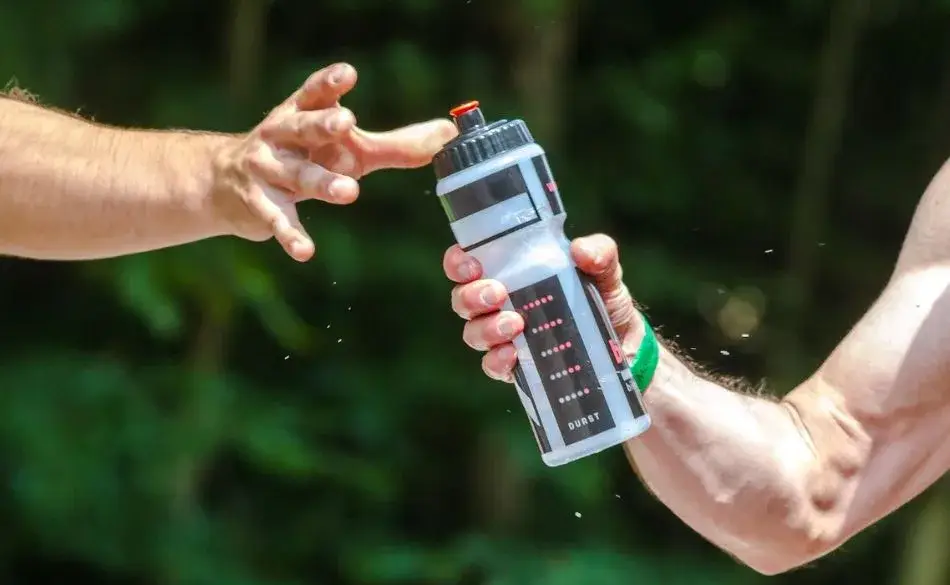
Gear Essentials That Keep Triathlon on a Budget
When you think about triathlon gear, it’s easy to picture walls of shiny bikes and rows of high-tech watches. But the best budget triathlon gear for beginners is usually much simpler than that. You only need safe, reliable equipment that fits your body and your race goals. The rest is often just extra cost and stress.
Start by listing what you truly need: something to swim in, something to ride, and something to run with. If you already own basic running shoes and a bike, you’re closer than you think. Many first-time athletes complete their race with a road bike, a simple swimsuit, and a pair of trainers they already use for daily runs.
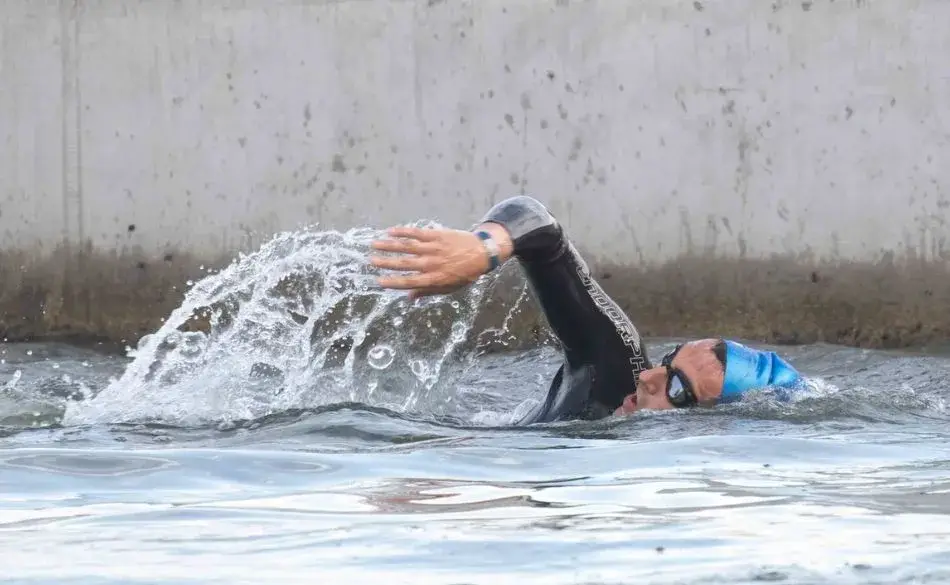
Wetsuits can feel like a big expense, so it helps to look for affordable triathlon wetsuit options instead of buying the latest model. You can often rent a wetsuit for race day, borrow from a friend with similar height and weight, or buy last season’s design at a discount. The water won’t know the difference, and your body will still stay warm and supported.
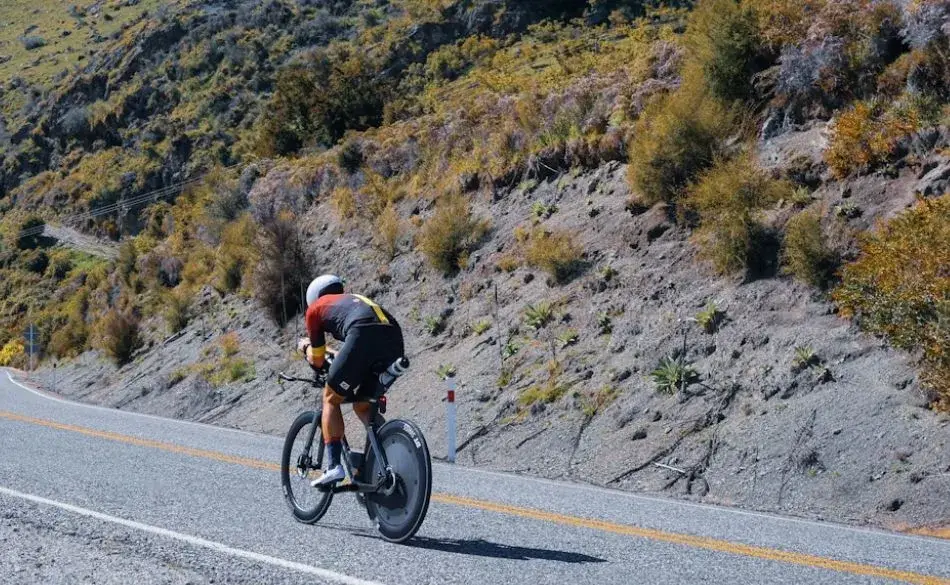
Your bike setup is another place to save. A cheap triathlon bike setup might be a second-hand road bike with basic clip-on aero bars, tuned well and fitted roughly to your size. If you’re unsure which type of starter bike is best for your first event, you can learn more in What Is the Best Triathlon Bike for a Beginner. You don’t need deep wheels or carbon frames to finish strong. You just need working gears, safe brakes, and a position that feels stable for the whole ride.
To keep things clear, here are simple gear priorities:
- Must have: safe bike, helmet, running shoes, swimwear that stays put
- Nice to have: wetsuit, tri suit, clip-on aero bars, basic sports watch
- Luxury items: race wheels, aero helmet, power meter, top-end GPS watch
If you’re still unsure whether you need guidance while building your budget-friendly gear list, you might find value in reading Do You Need a Coach for Your First Triathlon. It helps beginners weigh the real costs and benefits of hiring a coach versus DIY planning.
Ask yourself one question before any purchase. Will this help me train more often or race more comfortably, or is it just something that looks fast? That single filter can protect your Triathlon on a Budget plan from growing out of control.


Planning Your Week So Training Stays Affordable
One of the best ways to keep Triathlon on a Budget under control is to plan your week. When you know what you’re doing each day, you avoid last-minute choices that cost money, like rushed gym passes or extra travel.
Start by looking at your real life. When can you swim, bike, and run without extra stress? Your plan should match your schedule, not fight against it. A simple week might include two swims, two rides, and two runs, with one full rest day.
You don’t need to pay for every session. Many athletes build strong fitness using free or cheap options close to home. Local pools often have discount times. Shared paths, quiet roads, or indoor trainers make bike sessions easier to repeat. Short runs can start right from your front door.
Here are easy ways to keep your weekly training budget friendly:
- Use free apps or a notebook to track sessions instead of paid platforms
- Plan brick sessions (bike then run) from home to avoid driving to training spots
- Schedule harder sessions on days you’re already near a pool or safe cycling route
Keep your main sessions focused on quality, not length. Short, steady swims, controlled rides, and relaxed runs build a strong base without leaving you exhausted. You can add one slightly longer session each week in either the bike or run as you feel ready.
Ask yourself a simple question as you look at your plan. Does this week feel repeatable for a month or two without extra costs? If the answer is yes, you’re building a training rhythm that supports both your fitness and your wallet. If it feels too heavy, cut back a little now so you can stay consistent later.
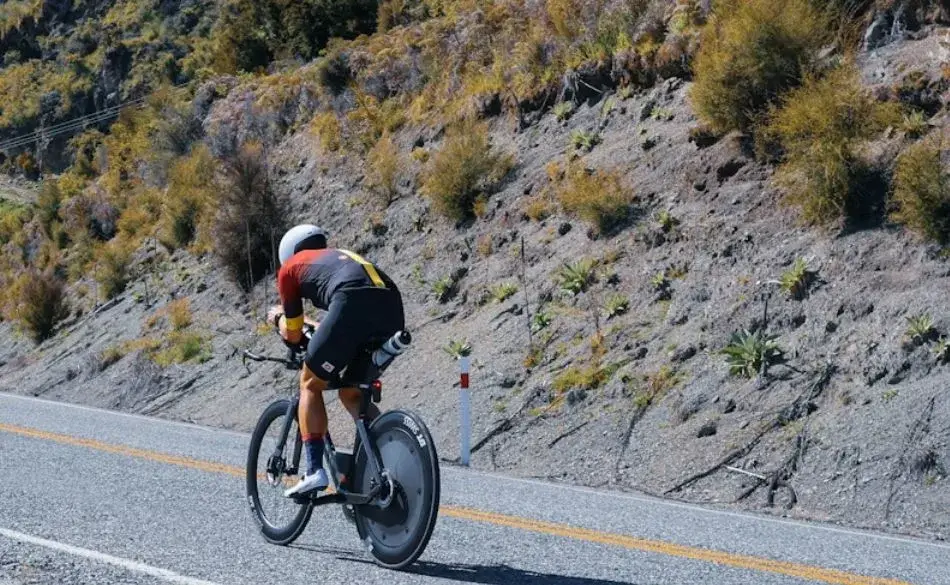
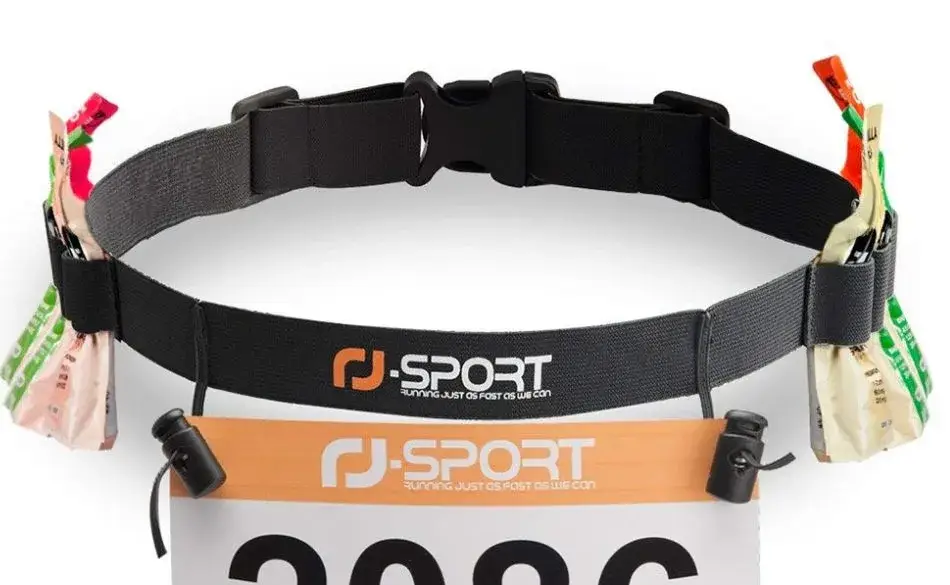
Cutting Race Costs So You Can Actually Get to the Start Line
Race entries can feel like the biggest hit to your Triathlon on a Budget plan. The good news is that you have more control over these costs than you might think. A little planning can cut your total spend without losing the fun of race day.
One of the easiest ways to save is to choose local events. When you race close to home, you avoid flights, extra fuel, and hotel stays. You can sleep in your own bed, eat your normal food, and travel to the start line with less stress.
Another key step in learning how to save money on triathlon races is to enter early. Many events offer early-bird pricing that can shave a good amount off the fee. Set reminders for races you’re interested in so you don’t miss the cheaper window.
It also helps to think about how often you race. You don’t need a packed calendar to grow as an athlete. One or two well-chosen events each season can keep you motivated and give you clear goals, without constant entry fees draining your budget. And if you’ve ever wondered whether racing could one day pay for itself, The Hidden Side of Ironman Prize Money offers an eye-opening look at how rare meaningful payouts really are.
Here are simple ways to keep race costs under control:
- Pick races you can drive to in a few hours instead of flying
- Share transport and accommodation with training partners where possible
- Bring your own race-day snacks instead of relying on expensive vendors
Ask yourself a quick check question before you sign up. Will this race support my long-term goals and my budget, or am I signing up just because it looks exciting on social media? When you choose with intention, each event feels more special and less stressful on your wallet.


Budget Friendly Nutrition and Smart Cost Comparisons
Fueling your body is a huge part of triathlon training, but it doesn’t need to drain your wallet. Many athletes think they must buy premium gels, drinks, and supplements to perform well. The truth is that budget friendly triathlon nutrition can work just as effectively when you focus on simple, whole foods and smart habits. You can train your stomach with items you already use at home and save the specialty products for race day only. If you’d like some ideas on what to eat before a long ride (using affordable, everyday foods) check out What to Eat Before a Long Bike Ride.
Before you buy anything, think about what your body actually needs: steady energy, hydration, and foods that sit well during sessions. Everyday items like bananas, oats, peanut butter sandwiches, and basic electrolyte tablets often do the job just as well as the more expensive options.
To help you see the difference between common choices and their budget-friendly alternatives, here’s a clear comparison table. This can help you stay focused on your Triathlon on a Budget plan while still fueling well for every swim, bike, and run.
👉 Swipe to view full table
| Nutrition Category | Common Expensive Choice | Budget Friendly Alternative |
|---|---|---|
| Energy During Training | Branded endurance gels ($3–$5 each) | Honey packets, dates, or homemade rice bites (low cost) |
| Hydration | Premium sports drinks ($20+ per tub) | Electrolyte tablets or homemade salt-sugar mix |
| Recovery Fuel | Protein shakes and powders | Chocolate milk, Greek yogurt, eggs, or oats |
| Race-Day Snacks | Branded bars and chews | Bananas, pretzels, peanut butter wraps |
| Daily Training Calories | Packaged “sports foods” | Regular groceries planned in bulk |
| Best For | Convenience-focused athletes | Athletes following budget triathlon hacks to save money |
As you look at the table, ask yourself which items would give you the same training fuel for a lower price. Making small swaps each week can add up to big savings over a season. With a thoughtful approach, you can support your goals without stretching your budget thin.
If you’re planning for a Half-IRONMAN but want to avoid expensive gear and unnecessary extras, check out the Half-IRONMAN Triathlon Training Plans from SportCoaching. These plans deliver structured training that fits your schedule, budget, and fitness level — helping you reach race day ready without overspending.
With balanced swim–bike–run sessions, gradual progression, and flexible routines, you can train seriously while keeping costs low. It’s a smart choice for anyone seeking performance without price tag stress.
View Half-IRONMAN Plans Now
Simple Money Strategies That Make Triathlon Affordable Long Term
If you want your triathlon journey to stay enjoyable, you need habits that make the sport affordable year after year. This is where smart planning really pays off. When you follow a few simple patterns, you avoid sudden expenses and keep your triathlon budget approach steady and stress-free.
One of the biggest ways to save money is to organize your gear so it lasts longer. Wash your wetsuit gently, keep your bike clean, and rotate your running shoes. A little care now prevents bigger costs later. You also don’t need to replace items just because the newest version came out. Most equipment works perfectly well for several seasons.
You can also share resources with training partners. Borrowing tools, swapping old gear, or buying items together can cut your costs. This is especially helpful for things you don’t use often, like bike tools or swim paddles. Small changes like this support your goals without adding pressure to your budget.
Here are simple budget triathlon hacks you can use right away:
- Join local training groups to access shared knowledge and community workouts
- Buy gear during off-season sales when prices drop
- Use second-hand platforms for bikes, wetsuits, and race clothing
Another helpful idea is to set a small monthly triathlon fund. It doesn’t need to be big. Even a little money saved each month can make race entries, travel, and gear upgrades feel easier when the time comes.
Building an Overall Budget Plan That Actually Works
If you want long-term success ding a triathlon on a budget, it helps to build one clear plan that covers all your costs for the season. A budget gives you structure, reduces stress, and keeps your choices intentional. When you know exactly where your money is going, you avoid rushed purchases and focus on the items that matter most for your training and racing.
Start by writing down the three major categories of spending: training, gear, and racing. Each category will have different needs, so break them down into smaller parts. For example, training costs might include pool entry or occasional bike servicing. Gear costs might include items you hope to upgrade this year. Race costs include entry fees, food, and travel. Once everything is written out, it becomes much easier to see what you can lower or postpone.
Here’s a simple way to organise your season budget:
- Set a total limit: choose the maximum amount you want to spend this season
- Assign percentages: 40% gear, 30% racing, 30% training (adjust to your needs)
- Review monthly: check what you actually spent and update your plan
Below is a detailed table showing typical triathlon expenses and realistic low-cost alternatives. Use this to guide your own planning and keep your season affordable.
👉 Swipe to view full table
| Budget Category | Typical Cost Range (USD) | Typical Cost Range (AUD) | Affordable Alternative |
|---|---|---|---|
| Bike Setup | $500–$3,000+ | $750–$4,500+ | Second-hand bike, basic tune-up, simple clip-on aero bars |
| Wetsuit | $200–$600 | $300–$900 | Rent for race day or buy last season’s discounted model |
| Running Shoes | $80–$160 | $120–$240 | Previous-year models on sale; outlet stores |
| Training Costs | $30–$100 monthly | $45–$150 monthly | Free routes, off-peak pool times, DIY strength training |
| Race Entries | $90–$350 per race | $140–$550 per race | Enter early, choose local races, limit events per season |
| Nutrition | $40–$100 monthly | $60–$150 monthly | Use everyday foods; save gels for race day only |
| Overall Best For | Athletes seeking upgrades | Athletes seeking upgrades | Anyone wanting a consistent Triathlon on a Budget plan |
If you’re aiming for an Ironman but don’t want to overspend on gear and extras, check out the IRONMAN Triathlon Training Plans from SportCoaching. These plans give you structured workouts that suit your time, budget, and performance level — no need for expensive extras to get ready for race day.
You’ll get a full swim–bike–run plan, pacing guidance, and a 1-hour consultation so the plan fits your lifestyle and wallet. It’s a smart investment if you want real results without blowing your budget.
See IRONMAN Plans Now

Building a Strong and Affordable Triathlon Lifestyle
By now, you’ve seen that triathlon on a budget is very realistic for any beginner who wants to enjoy the sport without financial pressure. You don’t need the newest gear or costly training tools to feel strong, confident, and ready for race day. You only need a plan that supports your life right now.
Start with smart training choices that match your schedule. Add gear slowly, choosing items that matter instead of items that look fast. Use simple nutrition and smart swaps that keep your body fueled without stretching your wallet. When race season arrives, pick events that fit your budget and your goals so you stay motivated without feeling overwhelmed.
Most of all, remember that your journey doesn’t need to look like anyone else’s. Your pace, your budget, and your goals belong to you. When you focus on steady progress and affordable habits, you build a triathlon lifestyle that lasts. Let yourself enjoy the small wins, the hard sessions, and the feeling of growth that comes from doing something meaningful without overspending.
If you keep making thoughtful choices, triathlon becomes less about money and more about the joy of training and racing. That alone is worth every mile.