Want help turning consistency into progress? Coaching keeps your training simple, structured, and sustainable.
Start Coaching →
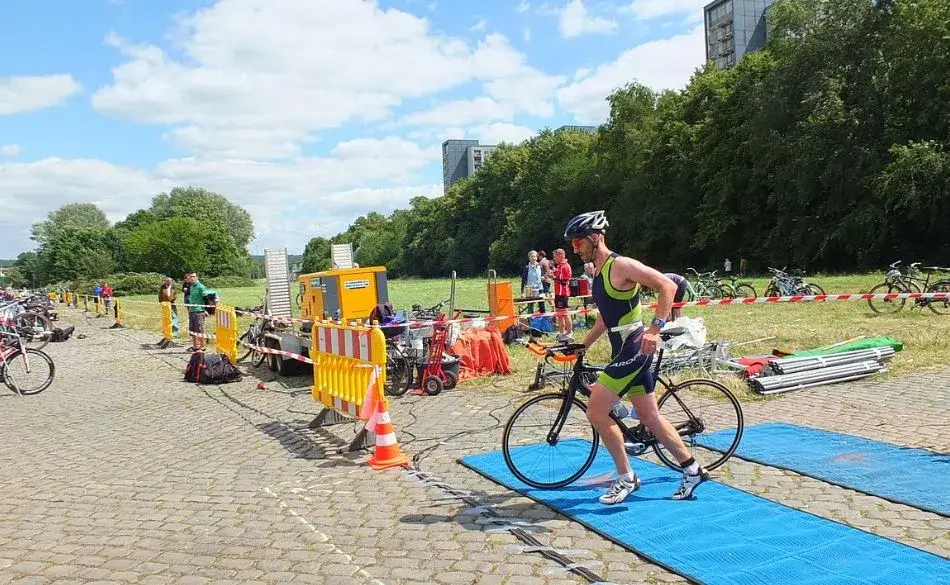
athlete running through transition with bike during a triathlon showing what beginners experience when asking do you need a coach for your first triathlon

Last updated:

Do You Need a Coach for Your First Triathlon?

The honest answer is no — not necessarily. Many athletes complete their first triathlon using a structured training plan, some online research, and self-discipline. Coaching is not a prerequisite for finishing. What coaching does is reduce the guesswork, adapt the plan when life intervenes, and address the specific weaknesses most likely to limit your performance. Whether that's worth the cost for your first race depends on which distance you're targeting, how much experience you bring from single-sport backgrounds, and how much uncertainty you're comfortable managing on your own.

This guide gives beginners an honest framework for making that decision — including the specific scenarios where coaching genuinely earns its fee and those where a good training plan is all you need.

Chat with a SportCoaching coach

Not sure where to start with training?

Tell us your goal and schedule, and we’ll give you clear direction.

No obligation. Quick, practical advice.

Article Categories:

Explore our triathlon training articles for more helpful articles and resources.

Quick Answer

Sprint or Olympic first triathlon: a structured training plan is sufficient for most beginners. First 70.3 or Ironman: coaching is worth serious consideration — the training complexity and race-day execution demands are substantially higher. If your main concerns are structure and confidence rather than performance optimisation, a good training plan covers the structure; coaching covers the reassurance and adaptability when training doesn’t go as planned.

What You're Actually Signing Up For

Before deciding on coaching, it helps to understand what training for a triathlon as a first-timer actually involves. The unique challenge of triathlon isn’t the individual sports — most beginners can swim, ride a bike, and run at some level. The challenge is combining three sports with different training principles, different recovery demands, and different technique requirements into a coherent weekly schedule that builds all three simultaneously without over-training any of them.

For a sprint triathlon — roughly a 750m swim, 20km bike, and 5km run — most beginners need 10–14 weeks of preparation. The weekly training load is manageable: two sessions per discipline (six sessions total) plus one brick session each week is a solid minimum. An experienced single-sport athlete may need less. Someone starting from very low fitness may need 16+ weeks. Our guide on what order a triathlon goes in covers the race format and what each transition involves for anyone unfamiliar with the event structure.

For an Olympic triathlon — 1.5km swim, 40km bike, 10km run — 16–20 weeks is the standard preparation window, with 5–6 training sessions per week. For a 70.3, preparation typically runs 20–24 weeks. The complexity of balancing three sports across that longer window is where coaching begins to earn its keep — not because the individual sessions are harder to understand, but because the weekly balance and monthly progression become genuinely difficult to manage without experience.

What a Triathlon Training Plan Gives You (and What It Doesn't)

A quality triathlon training plan is the most accessible and cost-effective starting point for a first-timer. A good plan specifies exactly what to do each day, how long and at what effort, how volume builds across the weeks, when recovery weeks fall, and how to taper before race day. It removes the daily decision-making burden — you open the plan, follow the session, and close it. Research consistently shows that athletes following a structured plan are more likely to reach their goals than those training without structure.

What a training plan cannot do: adapt when your life doesn’t follow the plan. When you miss two weeks with illness, a generic plan has no mechanism to tell you how to safely reintegrate. When your swimming is six minutes slower than the plan assumed, it doesn’t rebalance your sessions to prioritise the swim. When race week arrives and you’re not sure whether to rest more or maintain fitness, a plan gives a template answer — a coach gives a specific one based on your actual training data.

For many first-time sprint and Olympic triathletes, the plan’s limitations don’t matter much. The distances are forgiving enough that imperfect preparation still produces a successful finish. For longer distances, the margin for error is smaller and the consequences of poor pacing or inadequate preparation are more severe.

The Decision by Distance

Sprint Triathlon: Plan Is Usually Enough

A sprint triathlon is the most forgiving distance for self-guided preparation. The race takes 60–120 minutes for most beginners, which means that fitness and technique imperfections are survivable. An underprepared swimmer can breaststroke most of the 750m and still finish. Heavy legs on the 5km run are uncomfortable but not race-ending. For a first sprint triathlon, a structured training plan — even a free one — combined with consistent training produces good results for the vast majority of beginners.

Where a coach adds value even at sprint distance: if you are a non-swimmer starting from scratch. Learning freestyle technique from written instructions is difficult, and poor swimming mechanics in open water with hundreds of other competitors can turn a 750m swim into an anxiety-inducing experience. A few weeks of coached swimming — even just a squad session at a local pool — is the single highest-return coaching investment for beginner triathletes whose swimming is underdeveloped. Everything else can be learnt from a plan and self-experimentation; swimming technique requires feedback from someone watching you.

Olympic Triathlon: Plan Works, Coach Adds Confidence

The Olympic distance is where coaching starts to offer more tangible benefits. The 1.5km open water swim requires meaningful technique investment (poor technique is genuinely fatiguing at this distance). The 40km bike is long enough that pacing mistakes produce heavy legs on the 10km run. And the 10km run at the end of a two-plus hour effort is physiologically different from a standalone 10km — pacing it correctly requires an understanding of how cycling fatigue affects running pace that takes time to learn experientially.

A first-time Olympic distance triathlete who trains well with a structured plan will finish and probably finish well. A first-time Olympic triathlete with coaching will arrive at race day with more specific guidance on pacing, nutrition timing, and what the first kilometre of the run should feel like after the bike. For athletes targeting a specific time goal (rather than just finishing), that specificity makes a meaningful difference.

70.3 (Half Ironman): Coaching Worth Serious Consideration

The 70.3 is where the balance tips meaningfully toward coaching. A 1.9km open water swim, 90km bike, and 21.1km run represents a 4–6 hour effort for most age-group athletes. At this duration, nutrition strategy is not optional — running out of fuel in the final third of the bike or the opening kilometres of the run produces a miserable experience that 24+ weeks of preparation didn’t have to produce. Pacing the bike at the right effort to preserve running legs is a skill that coaches actively develop with athletes and that training plans address only generically.

The training volume required for a 70.3 also creates more opportunities for self-coaching errors to compound. Overbuilding in a favourite discipline, under-recovering across a heavy block, or missing the signals of early overtraining are all more likely across a 24-week programme than a 12-week one. Our guide on whether hiring a triathlon coach is worth it covers the broader coaching value analysis for athletes at this level and above.

Full Ironman: Coaching Strongly Recommended for First-Timers

A first Ironman is a substantial undertaking — a 3.8km swim, 180km bike, and 42.2km marathon. The race takes 10–17 hours for most age-group athletes. The training block is 6–8 months. The consequences of miscalibrated pacing or nutrition are measured in hours, not minutes. Athletes preparing for a first full Ironman without any coaching background in the sport are making a challenging situation harder than it needs to be. Our guide to Ironman distances covers the full scope of what a first Ironman involves, and our guide to Ironman course selection helps first-timers choose an appropriate race.

What First-Time Triathletes Most Often Get Wrong Without Guidance

Whether you train with a coach or a plan, knowing the most common beginner mistakes helps you avoid them:

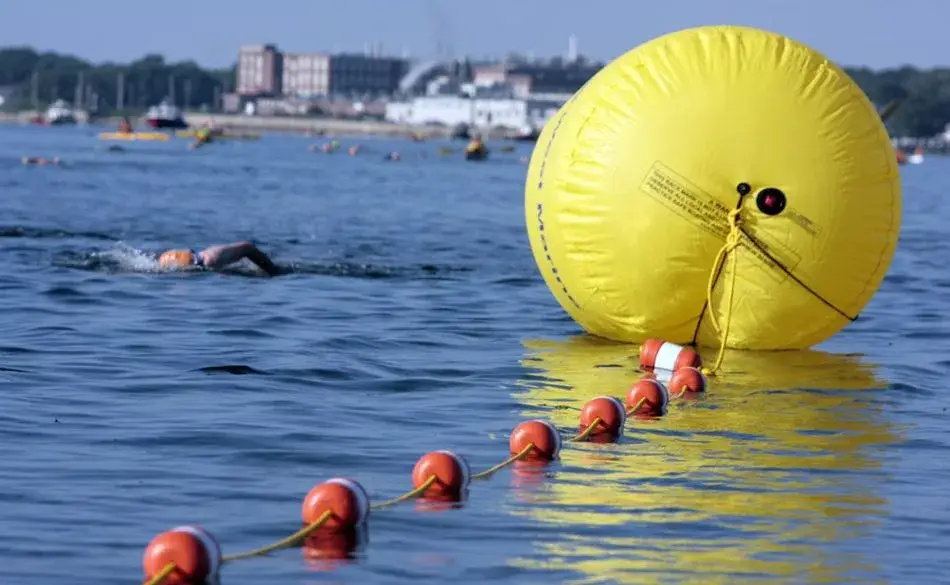
Neglecting the swim. Most beginners underestimate how much the swim matters and overestimate how quickly it can be improved without specific practice. Freestyle technique in open water — sighting between buoys, swimming in a pack, breathing bilaterally — is genuinely different from pool swimming, and it requires deliberate practice. Two swim sessions per week is the minimum effective dose; anything less produces very slow improvement.

Over-biking and under-running. Cyclists who come to triathlon typically have strong bike fitness and relatively weaker running. Left to their own devices, they train most on the bike (because it’s enjoyable and familiar) and least on the run. The result at race day: heavy, sore legs on the run that could have been significantly better with more running in training. A plan keeps the discipline balance honest.

Skipping brick sessions. Brick sessions — completing a bike and run back-to-back — are the most race-specific training a triathlete can do and the most commonly skipped by first-timers. Even a 30-minute bike followed by a 10-minute run is valuable. The physical sensation of the first kilometre of the run off the bike is difficult to manage on race day without prior practice. Our guide on reading running effort covers how to calibrate the perceived effort of the run leg, which feels much harder off the bike than standalone running.

Doing too much too soon. The enthusiasm of early training frequently leads to excessive weekly volume in the first few weeks, followed by fatigue, a missed training block, and a disrupted preparation. Triathlon training needs to build gradually — most effective plans hold back early volume deliberately, which can feel frustratingly easy for fit beginners. Trust the process.

Ignoring transitions. Transitions are the fourth discipline of triathlon and are entirely coachable. A slow T1 (swim-to-bike) or T2 (bike-to-run) can cost more time than a hard week of training gains. First-timers rarely practice transitions and often lose 2–5 minutes they didn’t need to lose. Practice your transition setup at home at least three times before race day.

The Middle Path: Structured Plan Plus Targeted Support

The choice isn’t binary between full coaching and complete self-reliance. Several middle options exist that give first-timers more support than a generic plan without the cost of ongoing coaching:

A structured training plan with a one-off consultation. Some coaches offer a single session to review your background, set up a training structure, and answer your questions — without ongoing engagement. This is particularly valuable for identifying whether your swimming needs specific technical attention before you commit to a 16-week plan.

Squad swim sessions. Most local triathlon clubs and many aquatic centres run squad swim sessions with a coach in attendance. For non-swimmers or weak swimmers, attending one or two of these sessions per week is the highest-return coaching investment available to a first-time triathlete. The swim is both the most technique-dependent and the most anxiety-inducing discipline for most beginners — squad swimming addresses both.

A quality training plan rather than a free one. The difference between a free triathlon training plan and a well-designed paid plan is typically specificity of sessions and the quality of guidance around intensity and pacing. A plan that describes session intensity using heart rate zones or RPE, explains the purpose of each week, and includes specific guidance on transitions and race-day pacing is substantially more useful than one that simply lists weekly session durations. Our triathlon training plans are structured around these principles. If you’re starting from a very low base, our couch to triathlon guide covers how to build foundational fitness before committing to a race-specific plan.

Triathlon clubs. Local triathlon clubs provide group training, access to experienced athletes who have done the race you’re preparing for, and a built-in accountability structure. Many first-timers find that the community of a club provides most of what they’d seek from a coach — particularly the reassurance that their preparation is on track — at a far lower cost. A 2022 Strava survey found athletes who train with others went longer in both time and distance than when training solo.

A Simple Framework for Your Decision

Finishing your first triathlon is more than completing three sports in one day. It’s a journey that teaches you how strong, adaptable, and determined you really are. Whether you decide to train with a coach or build your own plan, the most important part is choosing the path that feels right for you.

If you love learning by experimenting, you may discover that training alone gives you freedom and confidence. If you like structure and reassurance, working with a coach can make the whole process feel easier and less stressful. Both choices are valid, and both can lead you to the finish line.

What matters most is consistency. Each swim, ride, and run brings you closer to feeling ready on race day. Every small step counts more than you think. Your first triathlon isn’t about perfection. It’s about progress, courage, and celebrating the effort you put into every single week.

👉 Swipe to view full table
Your situationRecommendation
First sprint triathlon, already active in at least one sportStructured training plan is sufficient
First sprint triathlon, non-swimmer starting from scratchTraining plan + squad swim coaching
First Olympic triathlon, moderate fitness across all three sportsStructured training plan, consider one consultation
First Olympic triathlon, significant weakness in one disciplineTraining plan + targeted coaching for weak discipline
First 70.3, any backgroundCoaching strongly recommended; at minimum a detailed 70.3-specific plan
First Ironman, any backgroundCoaching recommended for first-timers at this distance
Training for performance goal (not just finishing)Coaching adds value at any distance
Limited budget, any distanceGood structured plan + triathlon club + squad swims
Need accountability and consistency supportCoaching pays for itself in training consistency alone

What to Expect From Your First Race Regardless of Approach

Every first triathlete experiences a version of the same things: nervousness before the swim start, the chaos of the first few hundred metres in open water, the relief of mounting the bike, the surprisingly heavy legs when the run begins, and the satisfaction of the finish line. These experiences are part of the journey regardless of whether a coach prepared you for them. No amount of coaching fully substitutes for having done the race once.

First-time triathletes who arrive at race day with adequate base fitness, a practised transition, and a conservative pacing plan almost always finish and almost always find the experience rewarding. The goal for most first-timers is exactly that: finish, enjoy it, and decide whether to do another. Both coached and uncoached athletes achieve this at high rates when they prepare consistently.

If you do your first triathlon without coaching and find yourself hooked — which is a common outcome — that is an excellent time to consider coaching for your second race, when you have specific feedback from racing experience and a clearer sense of what your limiting factors are. Our guide on questions to ask a triathlon coach is a useful resource for that next step.

Sample Weekly Training Structure for a First Sprint Triathlon

👉 Swipe to view full table
DaySessionDurationNotes
MondayRest or easy walkRecovery after weekend training
TuesdaySwim30–45 minFocus on technique, not speed. 500–800m total.
WednesdayEasy run25–35 minConversational pace throughout. No hard effort.
ThursdayBike40–60 minSteady effort, flat or rolling terrain
FridayRest or swimOptional second swim if swim is your weakness
SaturdayBrick: bike + run40 min bike + 15 min runRun immediately off the bike. Key session of the week.
SundayLong easy effort (bike or run)45–60 minEasy aerobic pace. Alternate bike and run week by week.

This structure — six sessions across 5–6 hours per week — is appropriate for weeks 4–10 of a sprint triathlon preparation block. Early weeks use lower volume; final weeks taper. The effort on all sessions except Saturday’s brick should be genuinely easy — our zone 2 running guide covers what easy effort actually means in practice. Running too hard on easy days is the most common beginner error and one of the reasons athletes often feel more tired than their training warrants. For the swim component, our structured swim workout guide provides session structure for the pool sessions.

Not Sure Which Option Is Right For You?

A quick conversation with a coach clarifies which approach suits your distance, timeline, and goals — without any obligation. Whether the answer is coaching, a training plan, or a combination, you'll leave with a clear direction.

FAQ: Do You Need a Coach for Your First Triathlon?

Do you need a coach for your first triathlon?
No. Many first-timers complete sprint and Olympic distance triathlons successfully using a structured training plan alone. Coaching becomes more valuable as race distance increases — for a first 70.3 or Ironman, coaching is worth serious consideration. The one exception at any distance: if swimming is a genuine weakness, squad swim coaching is the highest-return coaching investment available to a beginner triathlete.

How long does it take to train for a first triathlon?
Sprint triathlon: 10–14 weeks. Olympic triathlon: 16–20 weeks. 70.3: 20–24 weeks. Full Ironman: 24–30 weeks. These timelines assume a moderate base of existing fitness. Starting from minimal fitness adds 4–8 weeks. See our full overview of distances and formats in the Ironman distances guide.

What is a brick session and why does it matter?
A brick is a bike-to-run session completed back-to-back. It trains the body to adapt to the heavy leg sensation when running after cycling and is the most race-specific training in triathlon. Even short bricks (30-minute bike, 10-minute run) prepare your legs for the transition. First-timers who skip bricks consistently find the opening kilometres of the run far harder than expected on race day.

Can I train for a triathlon on 3 days a week?
Yes, for a sprint triathlon. Three days allows one session per discipline (or a combined brick session) and is viable for completing the race. Four to five sessions per week produces meaningfully better preparation. For Olympic distance and above, five to seven sessions per week becomes progressively more important for building the aerobic base the distance requires.

What if my swimming is very weak?
Prioritise squad swim coaching above any other form of triathlon coaching. Swimming is the most technique-dependent discipline and the hardest to improve from written instructions alone. A few weeks of coached pool sessions produce far faster improvement than the equivalent time self-directed in the pool. Once technique is established, the swim becomes manageable from a training plan alone.

Find Your Next Triathlon Race

Ready to put your training to the test? Here are some upcoming triathlon events matched to this article.

Graeme - Head Coach and Founder of SportCoaching

Graeme

Head Coach & Founder, SportCoaching

Graeme is the founder of SportCoaching and has coached more than 750 athletes from 20 countries, from beginners to Olympians, in cycling, running, triathlon, mountain biking, boxing, and skiing. His coaching philosophy and methods form the foundation of SportCoaching's training programs and resources.

750+
Athletes
20+
Countries
7
Sports
Olympic
Level

Start Your Fitness Journey with SportCoaching

No matter your goals, SportCoaching offers tailored training plans to suit your needs. Whether you’re preparing for a race, tackling long distances, or simply improving your fitness, our expert coaches provide structured guidance to help you reach your full potential.

  • Custom Training Plans: Designed to match your fitness level and goals.
  • Expert Coaching: Work with experienced coaches who understand endurance training.
  • Performance Monitoring: Track progress and adjust your plan for maximum improvement.
  • Flexible Coaching Options: Online and in-person coaching for all levels of athletes.
Learn More →

Choose Your Next Event

Browse upcoming Australian running, cycling, and triathlon events in one place. Filter by sport, check dates quickly, and plan your training around something real on the calendar.

View Event Calendar