What Does PR Mean in the Gym?
In the gym world, PR stands for personal record – the heaviest weight, fastest time, or most reps you’ve ever achieved in a given exercise. It’s your best performance so far, a benchmark to measure future progress. Think of it like your highest score in a game – you might not beat it every time, but it’s proof of what you can do when everything clicks.
A PR can take many forms. For lifters, it’s often a one-rep max, like bench pressing 100kg for the first time. For endurance athletes, it might be running a mile in a personal best time. Some people even track “rep PRs” (more reps at a set weight) or “volume PRs” (total weight lifted in a workout). These variations help you see progress in more ways than just max weight.
One of my athletes, Mia, first came to me unsure of her strength. She struggled with deadlifting her bodyweight. Over a few months, we worked on her technique, built her confidence, and slowly increased her training volume. The day she pulled 120kg (a gym PR she never thought possible) her face lit up like she’d just won a medal. That’s the magic of a PR: it’s not just numbers, it’s a mental win.
You don’t have to be a competitive lifter to chase PRs. Even casual gym-goers benefit from knowing them. It gives you a clear target, keeps workouts exciting, and helps you stay motivated when progress feels slow.
PRs aren’t set in stone. They’re meant to be broken. And when you do break them, it’s one of the best feelings you’ll have in the gym because it’s not just about lifting more, it’s about proving to yourself you can.


Different Types of PRs in the Gym
When people ask, what counts as a gym PR, the answer is broader than most expect. A PR isn’t only about your heaviest single rep. It can be anything that pushes your limits in a measurable way. Understanding the different types of PRs helps you track more progress than just big lifts.
The most common is the one-rep max PR, where you lift the most weight possible for a single rep. Then there’s the rep PR – completing more repetitions with a set weight than you ever have before. Another is the volume PR, which measures the total amount of weight moved in a workout. Endurance athletes might chase time-based PRs, like finishing a run faster than before, or distance PRs – going further in a set amount of time.
Tracking multiple types of PRs is smart because progress isn’t always linear. You might not beat your one-rep max every month, but you could hit new highs in reps or volume. This keeps training exciting and prevents discouragement when a single number doesn’t improve right away.
One of my athletes, Sam, struggled with his bench press max for months. Instead of focusing solely on that, we tracked his rep PRs at lighter weights. Over time, his ability to hit more reps at moderate loads built strength and confidence. Eventually, that carried over to a new one-rep max – proof that progress comes in different forms.
Think of PRs like different routes to the same destination. Whether you get stronger by lifting more weight once, repeating a moderate weight more times, or covering more distance, each is a legitimate achievement worth celebrating.
Strong, stable legs are the foundation for breaking personal records. Our Running Training Plans include progressive strength work, mobility drills, and conditioning sessions to help you run faster, lift more, and set new PRs with confidence.
- ✅ Step-by-step plans to improve strength, stability, and endurance
- ✅ Lower leg and ankle exercises that support PR-focused training
- ✅ Suitable for beginners and advanced athletes chasing new records
💡 Perfect if you want a proven plan to build the power and stability needed for your next personal best.
Start Your PR-Focused Training Today →

How to Track Your PRs at the Gym
If you want to improve consistently, you need to know exactly where you stand. That’s why learning how to track a PR at the gym is so important. Without tracking, you’re guessing and guessing rarely leads to steady progress.
The simplest way is to keep a training log. This can be an old-school notebook or a fitness tracking app. Write down the exercise, weight, reps, and sets every time you train. Highlight any personal bests so you can look back and see your improvements over time.
Some athletes prefer using spreadsheets for more detail, while others rely on wearable tech that automatically records lifts or times. Apps often let you set PR goals, giving you a target to chase each session. Whatever method you choose, consistency is key. A half-filled log won’t give you the insights you need.
It’s also smart to note more than just numbers. Record how you felt, your energy levels, and any cues that helped your form. This way, you can replicate the conditions that led to your PRs. Over time, patterns emerge, you might notice you perform better after an extra rest day or when you train earlier in the morning.
Don’t forget to back up your data. Losing months of PR history because of a phone reset or lost notebook is frustrating. Keep a digital copy or snap photos of your written log just in case. Having a reliable record means you can measure your true progress, stay motivated, and set realistic future goals.


How Often Should You Test Your PR in the Gym?
One of the most common questions I get is how often should you test a PR in gym training. The truth is, testing too often can stall your progress, while waiting too long might make you miss valuable benchmarks.
For most people, testing a one-rep max PR every 8–12 weeks is a good balance. This gives your body enough time to adapt and get stronger without overloading your nervous system. For rep or volume PRs, you can check them more frequently (sometimes even monthly) as they’re less taxing on your body.
Beginners often see faster progress and might hit new PRs every few weeks simply because their bodies are adapting quickly. More experienced lifters, however, usually need longer cycles to build enough strength to set a new record. That’s why your training experience plays a big role in PR timing.
There’s also the mental side to consider. Constantly chasing a PR can be exhausting. It’s important to focus on training quality, not just the numbers. If your form starts breaking down or you’re feeling fatigued, it’s better to wait and build up again before testing.
I once had a client who tried to beat his squat PR every single week. It worked for the first month, but soon he hit a plateau and felt burned out. When we switched to testing quarterly and focused on steady training in between, he broke his PR by 15kg in one attempt. Sometimes patience is the fastest route to progress.
Think of PR testing like taking an exam. You wouldn’t take a test every day without time to study and improve. Space out your attempts, prepare properly, and you’ll have a much higher chance of success when it’s time to go for it.


How to Break a Gym PR Safely
Chasing a PR can be exciting, but pushing too hard without a plan is a fast track to injury. That’s why learning how to break a gym PR safely is just as important as the lift itself.
The first step is preparation. Spend several weeks building strength through progressive overload – gradually increasing weight, reps, or training volume. This primes your muscles, joints, and nervous system for heavier loads. Jumping straight into a PR attempt without buildup is like running a marathon without training – risky and often unsuccessful.
Warm up thoroughly on the day of your attempt. Start with lighter sets to activate muscles and refine your technique. Each warm-up set should bring you closer to your target weight without exhausting you before the main lift.
Form is non-negotiable. As tempting as it is to grind out a messy rep for the sake of a new number, poor form can derail your progress with weeks of recovery. If your technique breaks down before hitting the lift, call it and try again another day.
Having a spotter or training partner adds both safety and confidence. They can help you push harder without risking getting pinned under the bar or losing control of the weight. If you train alone, use safety bars or set the equipment to catch the load if needed.
Finally, listen to your body. There’s a difference between healthy effort and dangerous strain. Sharp pain, dizziness, or sudden weakness are all signs to stop immediately. Breaking a PR should be a celebration of strength, not a gamble with your health.
Big lifts need a strong, stable trunk. If your brace collapses, your lift does too.
Drill a stronger brace with our guide: Best Core Exercises for Runners. These movements build the midline support your PR attempts depend on. Better core control = safer, stronger reps.
Struggling to hit depth or keep positions under load? It might be mobility, not strength. Try these Mobility Exercises for Runners to open the hips, ankles, and thoracic spine so your technique stays tight when the bar gets heavy.
Chasing a new personal record in your next triathlon? Our Triathlon Training Plans combine swim, bike, and run workouts with structured strength sessions to help you perform at your best and break through performance plateaus.
- ✅ Sport-specific training plans tailored to your PR goals
- ✅ Progressive overload strategies for strength, endurance, and speed
- ✅ Expert coaching to fine-tune technique and maximise results
💡 Perfect for triathletes who want a clear, proven plan to beat their previous race times with confidence.
Start Training for Your Next PR →

Why PRs Matter for Motivation and Progress
It’s easy to hit the gym, go through the motions, and wonder if you’re really getting anywhere. That’s where knowing your PRs comes in. Understanding why PR matters in gym progress can change the way you approach training.
A PR is more than just a number, it’s proof of improvement. When you set a new record, you’re seeing tangible evidence that your hard work is paying off. This boosts confidence and makes you want to keep showing up, even on days when motivation is low.
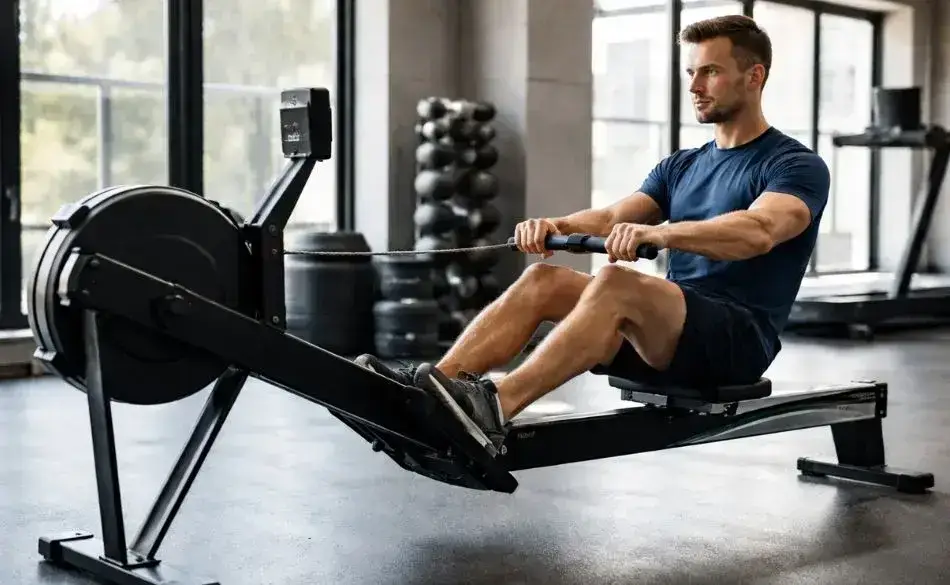
PRs also give structure to your goals. Instead of vague aims like “get stronger,” you can focus on specific targets – adding 5kg to your squat, doing two extra pull-ups, or shaving seconds off your 1km row. Clear, measurable goals keep training purposeful and exciting.
For many athletes I coach, PRs are a turning point. One client had been lifting for years without tracking anything. Once we started recording his PRs, his mindset shifted. Each new record became a personal milestone, and within six months, he’d surpassed lifts he thought were out of reach. The numbers gave him proof, but the process gave him belief.
Tracking PRs also helps break mental plateaus. When progress slows, looking back at past wins reminds you that growth takes time and consistency. You’ve done it before – and you can do it again. That sense of progress fuels discipline, and discipline is what keeps results coming long-term.
In short, PRs aren’t just for competitive lifters. They’re for anyone who wants to train with purpose, stay motivated, and see exactly how far they’ve come. They turn workouts into stepping stones, each one bringing you closer to the strongest version of yourself.


Common Mistakes People Make with PRs
PRs are powerful tools for tracking progress, but they can also lead to setbacks if approached the wrong way. Knowing what counts as a gym PR and how to avoid common mistakes will help you train smarter and safer.
One of the biggest errors is chasing PRs too often. Testing max strength every week can wear down your joints, fatigue your nervous system, and stall your progress. PRs are meant to be milestones, not daily targets.
Another mistake is ignoring form for the sake of the number. A sloppy lift that compromises safety isn’t a true personal record – it’s a shortcut to injury. A clean, technically sound lift should always be the standard for a legitimate PR.
Some people also focus on only one type of PR, usually the one-rep max. This overlooks other valuable progress markers like rep PRs, volume PRs, or endurance PRs. Tracking multiple types keeps training balanced and reduces the frustration that comes with hitting a plateau in just one area.
Not recording PRs properly is another common problem. If you can’t remember your last best lift or run time, you’ll struggle to set accurate goals. A simple training log or app can solve this instantly.
Lastly, some lifters compare their PRs to others too much. While friendly competition can be motivating, your PR is personal. It reflects your journey, your body, and your work. Chasing someone else’s numbers often leads to unrealistic expectations and disappointment.
Avoid these mistakes, and you’ll turn PR chasing into a motivating, structured, and safe part of your fitness routine.
Chasing a new personal record? Our Running Coaching Programs are designed to help you train smarter, avoid plateaus, and hit your next PR faster – whether you’re aiming for more reps, heavier lifts, or quicker run times.
- ✅ Structured training tailored to your current fitness level
- ✅ Progressive overload strategies to push past limits
- ✅ Expert feedback to fine-tune technique and maximise results
💡 Perfect if you’re ready to stop guessing and start achieving measurable, record-breaking progress.
Unlock Your Personalised Coaching Plan →Conclusion: Turning PRs Into Lifelong Wins
At its core, a PR is more than just a number in your training log. It’s a reminder of the moments when you pushed past doubt and proved to yourself that you’re capable of more. Every PR. Whether it’s lifting heavier, running faster, or completing more reps. It tells a story of effort, consistency, and growth.
The beauty of PRs is that they’re yours. They don’t need to match anyone else’s standards. They reflect your journey, your pace, and your progress. Over time, chasing them becomes less about the weight on the bar and more about the confidence you build along the way.
For the athletes I coach, the most rewarding part isn’t the moment they hit a new personal record – it’s the transformation that happens in the months leading up to it. They show up, put in the work, and surprise themselves with what’s possible.
So, as you head into your next workout, keep your PRs in mind. Celebrate them when they come, but don’t let them define your worth. Use them as milestones to guide your training and remind you how far you’ve come. Whether you’re chasing your first PR or your fiftieth, each one is proof that progress is possible – and that’s something worth lifting for.