Finding Your Starting Point: What’s a Good Time to Run 10K?
If you’re wondering what’s a good time to run 10k, you’re not alone. Most first-time runners ask this right after signing up for their first race. The good news is that you don’t need elite speed to run a great 10K you just need a realistic goal and the right approach.
A solid benchmark for a beginner 10k pace is between 6:00 and 7:30 minutes per kilometer, which equals about 60 to 75 minutes for most new runners. This is based on research from large-scale running databases that track performance across thousands of events. According to Running Level’s 10K finish time data, the global average across all ages and genders is around 49 minutes and 43 seconds, with beginners typically finishing between 60 and 75 minutes depending on age and training history.
It’s easy to compare yourself to others, but your best time is the one that reflects your current fitness level. One of my athletes, Sarah, came to me barely running 3K without walking. After following a structured 10k training plan for novices, she completed her first race in 1 hour and 11 minutes and she was smiling at the finish line. Three months later, she shaved off nearly 10 minutes just by running consistently.
So, if you’re finishing anywhere between 60 and 75 minutes, you’re already doing great. Don’t rush to break the one-hour barrier right away. Instead, focus on learning your rhythm, managing pace, and building endurance week by week. The first 10K is less about the clock and more about discovering what your body and mind can do together.
Your first 10K should be more than a finish line goal. It should be a stepping stone toward running stronger and faster. Our Running Coaching program helps beginners understand pacing, recovery, and structure so you can build endurance safely and improve your 10K race time with confidence.
- Personalised pacing plans: sessions tailored to your beginner 10K pace and realistic time goals
- Balanced training structure: improve endurance while avoiding fatigue and injury
- Performance tracking: monitor your pace, heart rate, and splits to refine your goal 10K time
- Coach support: expert feedback to help you adjust, stay consistent, and train smarter
Structured coaching turns your 10K from a guessing game into a confident, well-paced performance that reflects your true potential.
Learn More About Running Coaching →

How Long Does It Take to Run 10K?
Now that you know what’s a good time to run 10k, it helps to understand how long it actually takes most runners to finish. The answer depends on your training level, experience, and running pace. Some beginners complete their first 10K in around 70 minutes, while others might take closer to 90 and both are perfectly normal results for new runners.
Below is a table that gives you a general idea of average 10K times based on experience and fitness level. These ranges come from large-scale data gathered from real races and training records, so they reflect what most people actually run rather than elite-level performances.
👉 Swipe to view full table
| Runner Type | Typical Finish Time | Average Pace (per mile) | Average Pace (per km) | Notes |
|---|---|---|---|---|
| Complete beginner | 60–75 minutes | 12:00–13:45 | 7:30–8:30 | Minimal running background, still building endurance |
| Recreational runner | 50–60 minutes | 10:50–12:00 | 6:40–7:25 | Has some fitness base or experience with shorter races |
| Consistent trainee | 45–50 minutes | 9:45–10:50 | 6:00–6:45 | Following a structured 10K training plan for novices |
| Younger runners (18–35) | 40–50 minutes | 9:30–11:25 | 5:55–7:05 | Faster recovery and higher endurance potential |
| Older runners (40+) | 50–65 minutes | 11:00–13:00 | 6:50–8:00 | May recover slower but often pace more consistently |
Looking at this, most beginners will find themselves in the 60–75 minute range, which is completely respectable. With a few months of consistent training, it’s realistic to move into the 50–60 minute bracket. One of my athletes, Daniel, ran his first 10K in 1 hour 8 minutes. By following a simple pace progression plan, he broke 58 minutes on his next race. For a deeper look at how fitness level, pacing, and training affect your finish time, check out our guide on how long does it take to run 10km to see where you fit and how to improve your results.


What Factors Affect Your 10K Time?
Once you understand what’s a good time to run 10k, it’s important to know why your results might differ from someone else’s. Many runners focus only on training volume, but several other factors can play a big role in how fast you complete the race. Knowing these helps you train smarter and stay realistic about your goals.
Here are some of the main things that can influence your beginner 10k pace:
- Fitness Level: If you’ve been active in other sports or have a base of cardio fitness, you’ll likely adapt faster than someone starting from scratch.
- Training Consistency: Running regularly (at least three times a week) builds endurance and helps your body handle the 10K distance with less fatigue.
- Course Profile: Flat races are naturally faster than hilly or trail courses. Even small inclines can add minutes to your final time.
- Weather Conditions: High humidity or heat slows your pace as your body works harder to stay cool.
- Nutrition and Hydration: Eating a balanced diet and fueling properly before and during the race keeps your energy steady.
- Age and Gender: Age affects recovery, while gender differences in muscle mass and oxygen uptake can change pacing slightly.
- Mindset: Confidence and pacing control are often what separate strong finishes from struggles in the final kilometers.
When I coach new runners, I remind them that every variable counts. One of my beginners, Lisa, used to panic at the start of races and go out too fast. Once she learned to stay calm and trust her pacing, her time dropped from 72 minutes to 63 in just eight weeks.


How to Improve Your 10K Time Safely
Knowing what’s a good time to run 10k gives you a goal, but reaching it takes patience and structure. Beginners often make the mistake of running too fast too soon, which leads to fatigue or injury. The best progress comes from gradual, smart training that strengthens your aerobic base while improving efficiency and endurance.
Here are some practical ways to build speed and confidence as a new runner:
- Follow a 10K training plan for novices: A structured plan helps you balance easy runs, long runs, and rest days. This keeps your body adapting safely without overtraining.
- Include intervals and tempo runs: These workouts train your body to hold a faster pace for longer. For example, try 4 × 5-minute intervals at a slightly faster pace with 2-minute recoveries.
- Run by effort, not ego: Use a conversational pace on most runs—if you can’t talk, you’re likely going too fast.
- Strength train twice a week: Focus on legs, hips, and core to improve running stability and efficiency.
- Rest and recover: Improvement happens during recovery, not while you’re exhausted. Take one or two easy days each week.
- Track progress: Keep a log of distances, paces, and how you feel. Over time, patterns emerge that help you adjust training smartly.
Most runners see steady improvements after 8–12 weeks of consistent training. Even shaving 30 seconds off your per-kilometer pace can cut more than five minutes from your total time. Focus on small, measurable goals (like running a steady 5K at target pace) before aiming for your best 10K result. Remember, every step forward builds the foundation for a faster, stronger you. If you’re looking for a structured way to build speed and confidence, our 6 Week 10K Running Plan is a great place to start. It’s designed for beginners ready to train smarter and hit their next personal best.
If you’re asking **what’s a good time to run 10k**, the answer lies in consistent training tailored to your pace and goals. Our 10km Running Training Plan is built for beginners and runners aiming to improve their 10K time smartly and sustainably.
- Custom pacing: workouts designed around your current 10k pace and goal finish time
- Structured progression: build endurance, speed, and confidence across 10–16 weeks
- Flexible format: delivered via TrainingPeaks and suitable for pace, heart rate, or effort-based training
- One-time investment: access the full plan without ongoing subscription—just results
This plan is your roadmap from where you are today to running your best 10K. No guesswork, just steady progress.
Get the 10K Training Plan →

Setting Realistic 10K Race Goals
Once you know what’s a good time to run 10k, the next step is setting a goal that motivates you without causing burnout. A realistic goal gives your training direction and helps you stay consistent when motivation dips. The key is to align your target with your current fitness level and how much time you can commit to running each week.
Here’s a simple way to set your 10K race goals effectively:
- Start with your current 5K pace: Double your 5K time and add 5–10 minutes for a fair 10K estimate. This keeps your goal challenging but achievable.
- Base it on training data: Look at your average pace from long runs or workouts. That’s often a better indicator than a single “best” run.
- Set tiered goals: For example, aim for a primary goal (finish strong), a stretch goal (beat your previous time), and an ultimate goal (break a specific minute barrier).
- Track progress monthly: If your pace improves in training, adjust your goal slightly—but never rush your timeline.
- Celebrate milestones: Every improvement, whether it’s running without stopping or hitting a new distance, builds momentum.
When I guide athletes through goal-setting, I encourage them to focus on effort, not ego. One of my runners, Mike, wanted to break 60 minutes on his first 10K but consistently trained around 6:45 per kilometer. Instead of pushing too hard, he focused on control and form, finishing in 1:03. Three months later, he hit 59:20 without extra strain. Realistic goals build confidence and confidence leads to faster results. To help you set your next target more accurately, try our Running Pace Calculator. It’s a simple tool that shows exactly what pace you need to hit your goal 10K time.

The Mental Side of Running a 10K
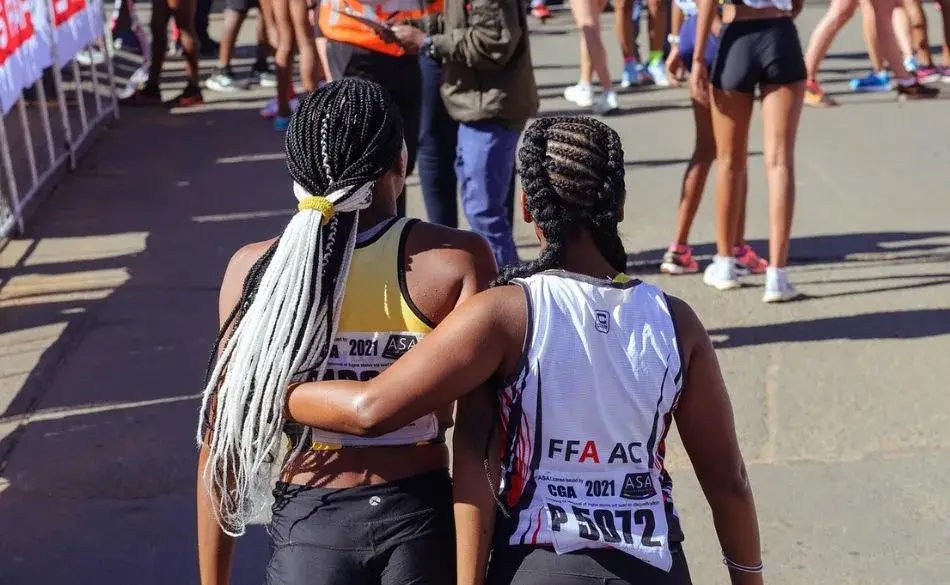
Training data and pacing strategies matter, but your mindset often decides how your race unfolds. Even if you know what’s a good time to run 10k, doubts can creep in at the start line. Every runner battles mental fatigue at some point, and learning how to stay calm and focused can make the difference between finishing strong or falling apart.
Think of your mental approach as another muscle to train. Here are a few simple ways to strengthen it:
- Visualize success: Picture yourself running smoothly, holding steady pace, and crossing the finish line feeling proud. Visualization helps your brain believe what your body can achieve.
- Break it down: Instead of thinking “10 kilometers,” focus on smaller chunks—2K at a time. This keeps the distance manageable.
- Use mantras: Short phrases like “strong and steady” or “I can do this” help refocus when fatigue sets in.
- Run with gratitude: Appreciate what your body can do today, not just what you want it to do tomorrow. Gratitude keeps pressure low and motivation high.
- Control the controllables: You can’t change the weather or other runners, but you can manage effort, breathing, and attitude.
As a coach, I remind runners that mental resilience doesn’t come overnight, it builds through training. Every time you push past a tough moment in practice, you’re training your brain for race day. When you toe the start line with a positive mindset, the distance feels less intimidating and more like an opportunity to see how far you’ve come.


Bringing It All Together: Running Your Best 10K
At this point, you know what’s a good 10k time, how to improve your pace, and how mindset plays a key role. Now it’s about combining everything into a plan that keeps you consistent, healthy, and motivated. The goal isn’t perfection, it’s progress. Every 10K you complete teaches you something new about pacing, patience, and personal strength.
Here’s how to bring all your training and preparation together for race day success:
- Stick to your plan: Don’t change your strategy last minute. Trust your training and keep your pacing steady in the first half of the race.
- Fuel properly: Eat a balanced meal 2–3 hours before the run and stay hydrated. A small carb snack 30 minutes before can help top off your energy.
- Warm up and cool down: A light jog and dynamic stretches prepare your body for effort, while a cooldown walk aids recovery.
- Embrace the challenge: There will be tough moments—every runner has them. Focus on steady breathing and remind yourself why you started.
- Reflect and recover: After the race, note what worked, what didn’t, and how your body felt. This reflection turns every 10K into a learning experience.
Running your best 10K isn’t about chasing someone else’s time. It’s about setting a goal that excites you, preparing with purpose, and showing up ready to give your best. Whether you cross the line in 75 minutes or 45, the pride comes from the effort you put in. Keep moving forward, as each step brings you closer to your next personal best. For guidance on how to fuel properly before your next race, check out our article on what to eat before a run 10k to make sure your body has the right energy for a strong performance.
Your 10K pace doesn’t have to stay the same. With the right plan, beginners can build endurance, improve efficiency, and reach their goal race times faster. Our Running Training Plans are designed to help you go from finishing your first 10K to confidently running stronger, faster, and smarter.
- Progressive pacing: personalized workouts that align with your beginner 10K pace and performance goals
- Endurance development: build stamina through structured long runs and recovery days
- Performance tracking: use data and feedback to refine your 10K race time over time
- Expert coaching: support from experienced trainers who understand beginner progress and motivation
Smart pacing, consistency, and structured training are the keys to improving your 10K time and enjoying every step of the journey.
Explore Running Training Plans →