Is Bloating After Training Normal?
For most people, bloating after training is normal and short-lived. It does not mean your body is reacting badly to exercise. What you are feeling is simply the body changing priorities under physical stress. When you train, performance comes first and digestion temporarily steps back. Blood flow is redirected toward working muscles, the heart, and the lungs. That supports strength and endurance, but it also means less support for the digestive system. Food moves more slowly through the stomach and intestines, and gas does the same, which can lead to a feeling of fullness or pressure across the abdomen, a response also described in clinical guidance on exercise-related gastrointestinal symptoms and explained in more detail in our guide to runner’s stomach.
This is also why bloating often shows up after training rather than during it. While you are moving, motion helps keep things shifting internally. Once exercise stops, digestion starts to wake back up and any trapped pressure becomes easier to notice. The stomach can feel tight, swollen, or heavy even though nothing is actually wrong. Breathing patterns can add to this. Faster or shallow breathing increases the chance of swallowing air, especially during harder efforts. That extra air has nowhere to go quickly, which can make the sensation stronger when digestion is already slowed.
Core engagement plays a role as well. Many exercises require you to brace your midsection for stability. This increases internal pressure and pushes outward against the abdominal wall. As fatigue builds, it becomes harder to manage that pressure smoothly. Put together, these factors explain why exercise bloating can show up across different training styles. It is a mechanical and digestive response, not a change in body fat or body composition. The type of workout you do, when you eat, how you hydrate, and how you breathe all influence how noticeable it feels.
If the sensation settles within a few hours and improves with gentle movement or relaxed breathing, it is usually nothing to worry about. Your body is simply shifting back toward balance after stress.
If bloating keeps showing up after your workouts, it’s often a sign that training load, recovery, and timing aren’t quite aligned. Our Running Coaching helps you structure sessions and recovery in a way that supports performance without unnecessary discomfort.
Your coach helps you dial in session length, intensity, and recovery habits so your body can handle training stress more smoothly, including how and when digestion has time to settle.
With experienced coaching support, you stop guessing, reduce common training-related issues, and build consistency without constantly feeling uncomfortable after workouts.
Learn More →
Why Do I Feel Bloated After Working Out?
If you catch yourself wondering why do I feel bloated after working out, it usually comes back to how exercise shifts your body’s priorities. Training puts you into a stress-focused state where movement, temperature control, and muscle output take the lead. Digestion steps aside for a while. Blood flow is redirected toward working muscles, which helps performance but slows the digestive process. Food stays in the stomach longer, and gas moves more slowly through the intestines. That slowdown can create a noticeable feeling of pressure or fullness in the abdomen.
Breathing patterns often make this feeling stronger. During hard efforts or heavy lifting, breathing tends to become faster and shallower. That increases the amount of air you swallow without noticing. That air has limited places to go and can collect in the digestive tract, adding to the bloated sensation. Hydration habits can have a similar effect. Drinking large amounts of fluid quickly can stretch the stomach, and when digestion is already slowed, that fullness tends to linger once exercise stops.
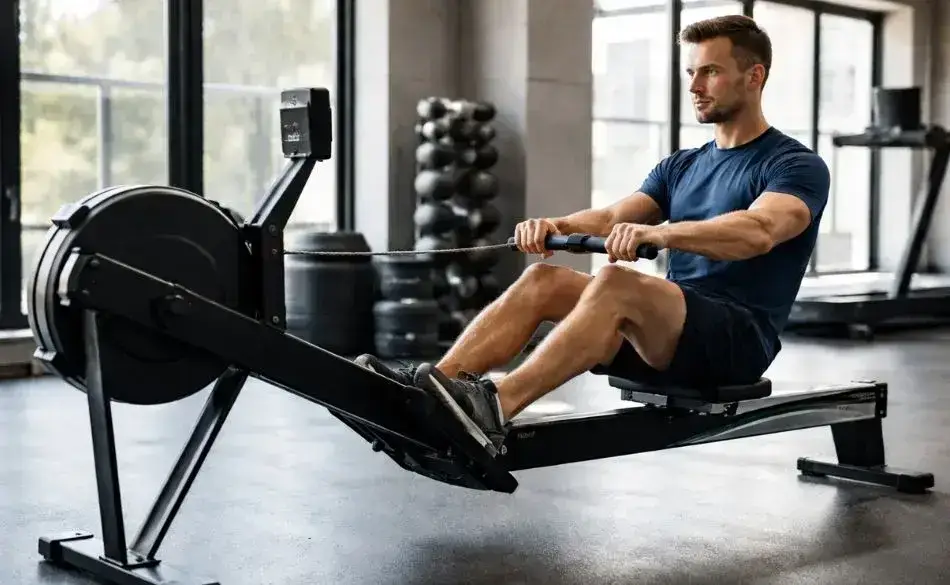
Food timing plays a role as well. Large meals eaten close to training are more likely to sit heavily in the gut. High-fat foods slow digestion, while very high-fibre meals and some protein powders can increase gas production. These effects are more noticeable when digestion is already suppressed by exercise. Body position matters too. Activities like cycling, rowing, or long periods of core work compress the abdomen, which can temporarily trap gas and make bloating feel more obvious.
For many people, the discomfort peaks after the session ends. Movement stops, digestion starts to recover, and any trapped pressure becomes easier to feel. If the sensation fades within a few hours, it is usually a normal response rather than something to worry about.


How to Reduce Bloating After a Workout
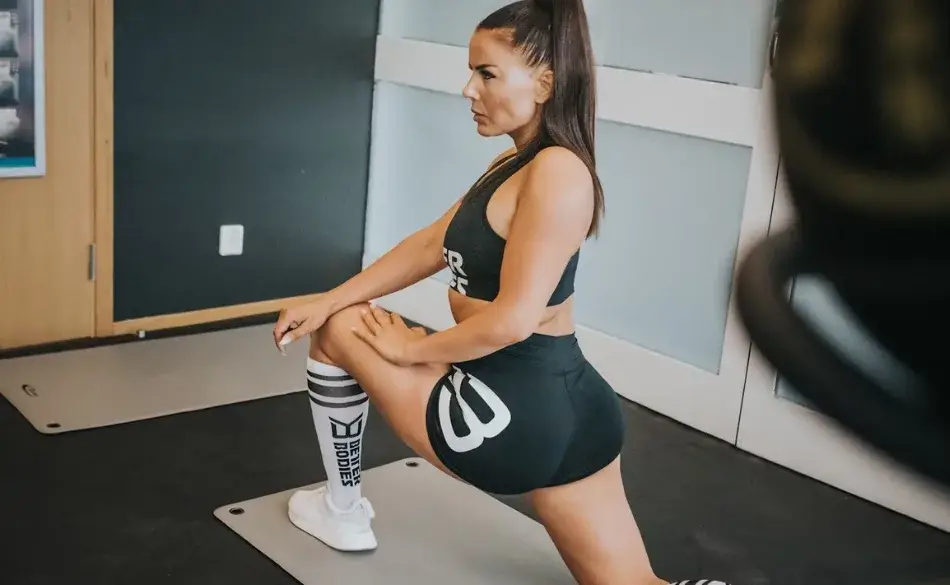
If you are trying to feel more comfortable after training, the main goal is helping your body move smoothly from effort into recovery. Most post-exercise discomfort is short-term and functional, not a sign that something is wrong. That’s why the solution is usually about supporting digestion rather than changing or limiting your training. One of the simplest and most effective changes is how you end a session. Stopping suddenly keeps your nervous system switched on, which delays digestion even further. A gentle cool-down signals that the hard work is finished and allows recovery processes, including digestion, to restart more efficiently. For many people, this alone reduces abdominal tightness.
Breathing is another factor that is easy to overlook. Slow, controlled breathing lowers internal pressure and reduces how much air you swallow. Spending just a few minutes breathing calmly after training can help the abdomen relax and ease the feeling of fullness that often appears once movement stops. Hydration habits also matter. Drinking large amounts quickly can stretch the stomach and slow emptying. Spreading fluid intake across your workout and recovery period is easier on digestion. Food choices play a role too. Simpler, lower-fat meals are usually better tolerated, while very high fibre foods and artificial sweeteners are more likely to increase gas when the gut is sensitive.
Posture and light movement help finish the recovery process. Gentle walking encourages gas to move through the digestive tract, while sitting hunched over or wearing tight clothing around the waist can make bloating feel worse. Small adjustments like these often have a bigger impact than changing the training itself.
The table below highlights common triggers and simple adjustments that help most athletes feel better without compromising performance.
👉 Swipe to view full table
| Trigger | What Is Happening | Helpful Adjustment |
|---|---|---|
| Large pre-workout meals | Digestion slows during exercise, trapping food and gas | Finish main meals 2–3 hours before training |
| Heavy core bracing | Internal abdominal pressure increases | Use relaxed breathing between sets |
| Rapid fluid intake | Stomach distension delays emptying | Sip fluids gradually rather than chugging |
| High fibre or sweeteners | Increased gas production | Choose simpler foods around workouts |
| Immediate inactivity | Gas remains trapped post-exercise | Add a brief walk after training |
Most people find that these small recovery changes add up quickly. There is no need for extreme rules or rigid restrictions. What usually helps most is a calmer transition out of hard effort and a few steady habits that support digestion as training stress fades.

When Bloating Is More Likely to Show Up
Bloating after training rarely shows up without a reason. For most people, it follows clear patterns linked to how they train, how long sessions last, and where exercise fits into the day. Once you start recognising those patterns, the experience becomes easier to make sense of and far less frustrating.
Longer sessions are one of the most common triggers. Extended training keeps digestion suppressed for longer, which gives gas and fluid more time to build up. This is why bloating is often reported after long runs, long rides, or gym sessions that push well past an hour. During those sessions, the body stays focused on movement and energy output, not on digestion.
Intensity adds another layer. Hard efforts increase breathing rate and core tension, both of which raise pressure inside the abdomen. Many people feel fine while they are training, then notice discomfort once everything slows down. That delayed response can be confusing if you expect symptoms to show up during the workout itself.
Timing matters as well. Early morning training can trigger bloating if digestion is still sluggish from sleep. Evening sessions can do the same if the gut is already tired from a full day of meals and stress. Neither situation is a problem on its own, but each benefits from slightly different recovery habits.
There are a few situations that consistently make bloating more likely:
- Long endurance sessions with minimal breaks
- Hard workouts that involve heavy breathing or sustained bracing
- Training soon after large meals
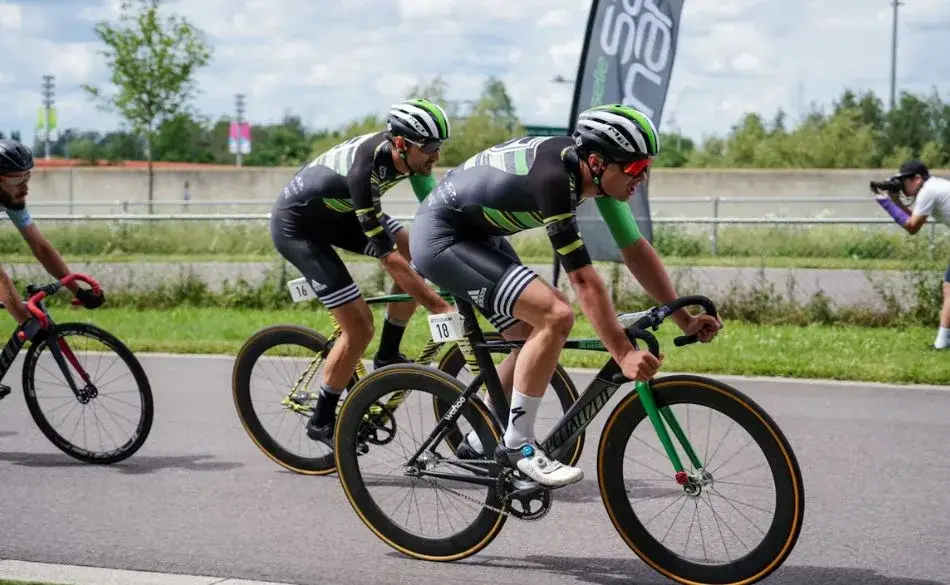
- Forward-leaning positions such as cycling or rowing, especially with repeated daily riding patterns as discussed in what happens when you cycle every day.
- Stopping suddenly without a proper cool-down
The key point is awareness, not avoidance. When you understand when bloating is more likely to show up, you stop reacting emotionally to it. Patterns replace guesswork, and that clarity makes it easier to adjust recovery habits while keeping your training consistent and effective.
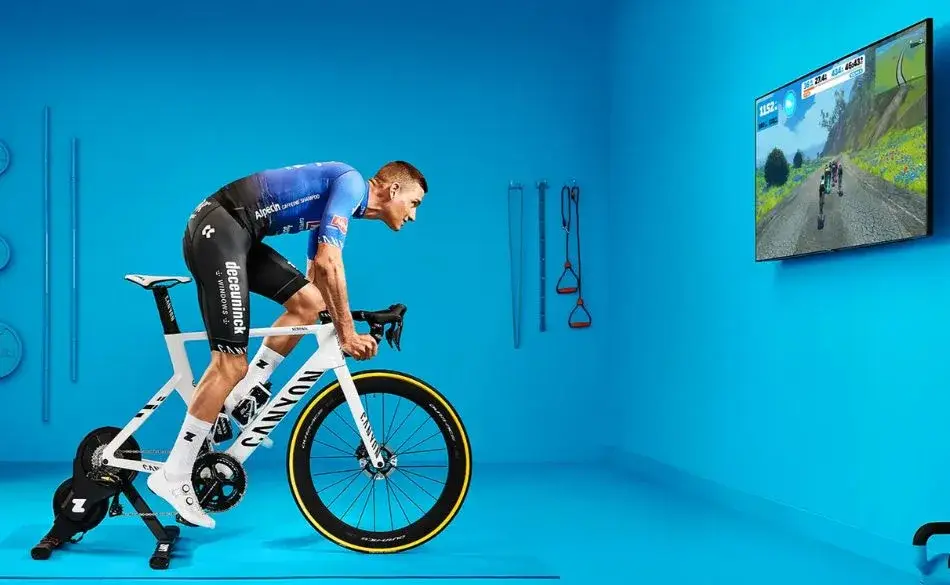
Cycling places unique pressure on the abdomen through sustained forward posture, steady breathing patterns, and long time in the saddle. Our Cycling Coaching helps you structure training and recovery so your body handles those demands more comfortably.
Your coach works with you to balance ride duration, intensity, fueling, and recovery habits, reducing common issues like post-ride bloating without compromising performance.
With experienced coaching, you learn how to ride consistently, recover properly, and adapt to training load so discomfort doesn’t become part of your normal routine.
Learn More →

How Food Timing Can Change How Your Stomach Feels
What you eat around training matters, but for many people, when you eat matters even more. Bloating is often blamed on a specific food, when in reality it is the combination of food and exercise timing that creates the problem. Training slows digestion, so even foods you normally tolerate well can feel uncomfortable if they are eaten too close to a workout.
Larger meals naturally take longer to break down. If you train soon after eating, that food is still sitting in the stomach while blood flow is being redirected to working muscles. Gas production continues, but movement through the gut slows. Once exercise finishes and digestion begins to wake back up, that trapped pressure becomes more noticeable, which is why bloating often appears after the session rather than during it.
The type of food still plays a role, just not on its own. Fat slows digestion, very high fibre foods ferment more in the gut, and some protein powders or sweeteners increase gas for certain people. None of these foods are inherently bad, but they tend to feel heavier when digestion is already under strain from training, which is why understanding how long to wait after eating to run can make a noticeable difference.
Over time, most athletes start to notice patterns. Some feel better leaving more space between meals and harder sessions. Others tolerate smaller, simpler meals closer to training without issue. There is no single rule that works for everyone, and that variability is completely normal.
Situations that commonly make bloating more noticeable include:
- Large meals eaten shortly before training
- High-fat foods before long or intense sessions
- Very high fibre meals before endurance workouts
- Protein shakes taken immediately before exercise
- Eating quickly without chewing properly
After training, simpler foods and smaller portions are often easier on the stomach, especially while digestion is still recovering. Slowing down while you eat also helps signal that the stress has passed and allows the gut to settle more smoothly.
How Stress and Recovery Habits Affect Bloating
Training stress does not come only from the workout itself. How your body handles stress before and after exercise plays a big role in how your stomach feels. Many people focus on food and hydration but overlook recovery habits that strongly influence digestion and contribute to post workout bloating.
Exercise activates a stress response that helps you perform. Heart rate rises, breathing speeds up, and muscles get priority access to blood flow. This response is useful during training, but digestion struggles to restart if that stress remains high once the session ends.
This is why some people feel more bloated on busy or stressful days, even when their training looks the same on paper. Rushing straight from a workout into work, emails, or family demands keeps the nervous system switched on. When the body does not get a clear signal that the stress has passed, digestion stays slow.
Recovery habits help determine how quickly your body shifts back into a calmer state. Simple actions can make a noticeable difference, especially when done consistently rather than perfectly.
Recovery behaviours that often reduce bloating include:
- Allowing a few quiet minutes after training before rushing elsewhere
- Using slow, relaxed breathing during the cool-down
- Keeping post-workout routines predictable
- Eating in a calm environment rather than on the move
- Getting adequate sleep to support overall gut function
These habits help the nervous system settle, which allows digestion to restart more smoothly. The effect is often subtle at first, but over time it adds up. Many athletes notice that bloating becomes less frequent when recovery is treated as part of training rather than an afterthought.
This does not mean workouts need to be easier or shorter. It means recovery deserves a small amount of attention. When stress levels are managed better, digestion becomes more predictable, and post-training discomfort is less likely to take over your focus.


When Bloating Is a Sign to Pay Closer Attention
Most of the time, bloating after training is harmless and short-lived. However, there are situations where it is worth paying closer attention to how your body is responding. The goal is not to worry, but to recognise when discomfort is no longer following your usual patterns.
One sign to notice is frequency. Occasional bloating after certain sessions is common. When it starts happening after nearly every workout, regardless of intensity or timing, it may signal that recovery habits are not keeping up with training stress. This does not mean something is wrong, but it does suggest the system is under strain.
Duration matters as well. Normal post workout bloating tends to ease within a few hours as digestion recovers. If the feeling lingers well into the next day, or seems to worsen instead of settle, that is information worth paying attention to rather than pushing aside.
The quality of the sensation is another clue. Mild pressure or fullness is common. Sharp pain, cramping that stops you moving comfortably, or bloating paired with nausea are not typical training responses, and in those cases it helps to better understand how digestive symptoms can differ, as outlined in our guide on stomach pain when running.
Certain patterns increase the likelihood that bloating reflects accumulated fatigue rather than a single session:
- Training hard on limited sleep for several days in a row
- High training volume without planned recovery days
- Consistently rushing meals or recovery routines
- High stress outside of training combined with heavy workloads
None of these mean you need to stop training altogether. They simply suggest the body may need more support. Often, small adjustments to recovery, nutrition timing, or training load are enough to restore balance.
Learning to listen to these signals builds confidence. Instead of guessing or pushing through discomfort, you respond with intention. Over time, that awareness makes training feel more sustainable and far less frustrating.
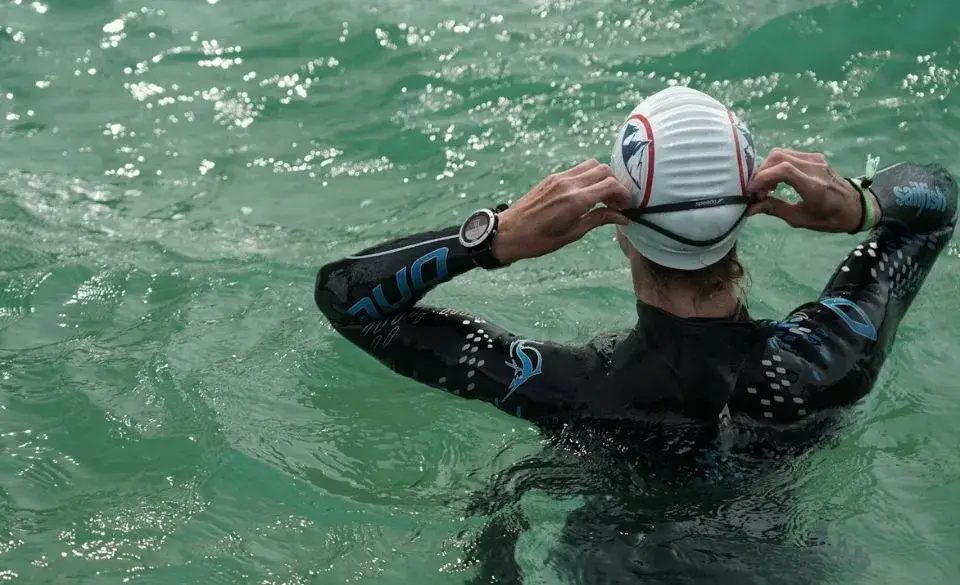
Triathlon training places repeated stress on the body through swimming, cycling, and running, often with limited recovery between sessions. Our Triathlon Coaching helps you organise that load so performance improves without unnecessary physical strain.
Your coach helps you balance session intensity, fueling, and recovery across disciplines, reducing common issues like post-training bloating, fatigue, and gut discomfort that can build when sessions overlap.
With structured guidance, you stop guessing how to fit sessions together and start training in a way your body can absorb, adapt to, and recover from consistently.
Learn More →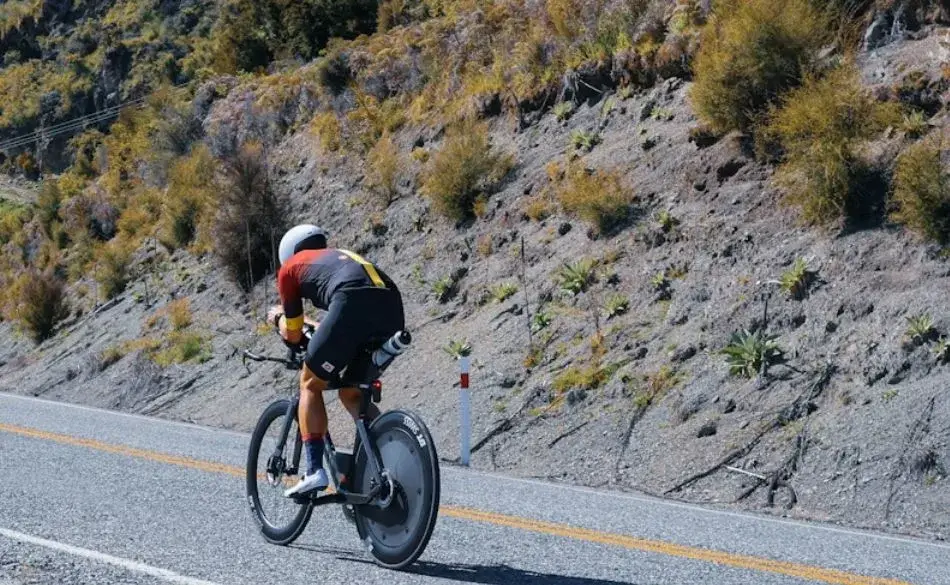
How Your Body Adapts Over Time
One thing that often gets missed in conversations about bloating is that the body adapts. Digestion is not fixed. Just like muscles, the gut responds to repeated stress and learns how to handle it better over time. This is why exercise bloating is often more noticeable when training volume or intensity increases.
When you introduce new workouts, longer sessions, or harder efforts, your body has to adjust to higher demands. Early on, digestion may struggle to keep up. Blood flow shifts, breathing patterns change, and internal pressure increases more than your system is used to handling. That adjustment phase can feel uncomfortable, even if nothing is actually wrong.
With consistency, most people notice improvement. As fitness increases, breathing becomes more controlled and recovery becomes more efficient. The nervous system learns how to switch out of stress mode faster after training. Digestion benefits from that smoother transition.
This is also why sudden spikes in training load often bring symptoms back. Jumping from short sessions to long ones, or from steady work to frequent hard efforts, gives the gut less time to adapt. Bloating in these cases is often a sign that progression is outpacing recovery, not that the training itself is a mistake.
Signs that adaptation is taking place include:
- Symptoms becoming less intense over time
- Bloating resolving more quickly after sessions
- Improved tolerance to food around training
- Less discomfort on repeat workouts of similar intensity
This is why patience matters. Reacting too aggressively by cutting foods, avoiding certain sessions, or changing everything at once can interrupt adaptation. Small, steady exposure combined with good recovery usually works better.
When you allow your body time to adjust, digestion often becomes more predictable. Training feels smoother, recovery feels calmer, and bloating becomes an occasional signal rather than a constant distraction.


What to Remember Moving Forward
Post workout bloating is usually not about one thing going wrong. It is more often the result of how exercise temporarily changes the way your body works. Blood flow shifts away from digestion, breathing speeds up, and pressure builds through the core. When those changes overlap, it is normal for the stomach to feel tight or uncomfortable once the session is over.
How strong that feeling is depends on the situation. Longer sessions, harder efforts, and positions that compress the abdomen tend to make it more noticeable. Eating large meals close to training or drinking a lot very quickly can add to it. Rushing straight out of a workout without easing down keeps digestion switched off for longer.
The good news is that small recovery habits usually make the biggest difference. Finishing sessions with a short cool-down, slowing your breathing, spacing fluids out, and choosing simpler foods afterward all help the digestive system settle. Light movement and relaxed posture give your body the chance to clear pressure naturally.
It also helps to remember that your body adapts. As training becomes more familiar and recovery routines become consistent, exercise bloating often shows up less often and resolves faster. When it does return, it is often a sign that training load has increased faster than recovery has caught up.
In most cases, bloating after exercise is temporary and manageable. Once you understand what drives it and how to support recovery, it becomes easier to handle and less disruptive. Training stays consistent, recovery feels smoother, and your focus stays where it belongs.