





Find Your Next Cycling Race
Ready to put your training to the test? Here are some upcoming cycling events matched to this article.
 Coach Graeme
Last updated:
Not sure where to start with training?
Tell us your goal and schedule, and we’ll give you clear direction.
No obligation. Quick, practical advice.
Explore our cycling workouts and tips for more helpful articles and resources.
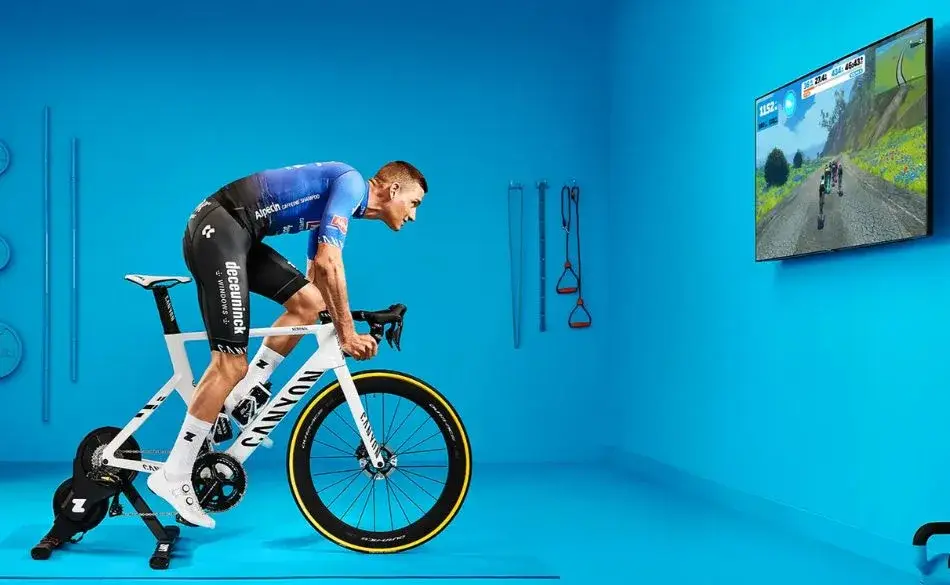
If you’ve ever struggled to stay consistent with indoor cycling, you’re not alone. Many riders hop on the trainer with good intentions, only to spin aimlessly and quit early. zwift workouts fix that problem by giving you a structure that keeps you focused and motivated.
The platform offers everything from short interval sessions to full Zwift training plans that progress week by week. You don’t just ride, you follow carefully designed sessions that target specific energy systems like endurance, threshold, and VO2 max intervals. That means you’re building the same qualities that matter most when you’re outside on the road.
Here’s the thing about structure: it transforms your training. A rider who just pedals at random might maintain fitness, but they rarely improve. A rider who consistently does workouts like sweet spot training or over-under intervals will see their FTP test results climb. And on Zwift, the program adjusts the resistance on your smart trainer workouts to match the exact effort required.
One of my athletes once told me they dreaded indoor sessions. But after adding zwift workouts to their winter routine, everything changed. They started each ride with a clear goal, pushed harder than they would alone, and carried that new strength into outdoor racing. By spring, their threshold power was up by 15 watts, and hills that once broke them became manageable.
Think about your own riding. Do you want to hold a stronger pace on group rides? Or finally crack that climb that’s been haunting you? Structured indoor cycling workouts are your path there. With Zwift, it’s not about guessing, it’s about training smarter and reaping the rewards when it counts most.
Love riding in Watopia and chasing events on Zwift? Turn your zwift workouts into real outdoor gains with structured coaching. Our Cycling Coaching plugs straight into your Zwift setup—so every session has purpose and fits your life.
Make every indoor minute count—build a plan around your Zwift goals and carry the gains to the road.
Start Your Coaching Journey →The magic of zwift workouts isn’t just about passing time on the trainer. It’s about creating sessions that feel purposeful. Riders often see changes faster indoors than after weeks of unstructured outdoor riding.
Here are the main benefits you’ll notice when you follow structured indoor cycling workouts on Zwift:
Let’s be honest: indoor rides used to feel endless. Zwift changes that with visuals, feedback, and structure that keep you focused.
When one of my coaching clients moved winter training onto Zwift, the structure carried into spring. Instead of losing fitness, they hit the season ready, with stronger threshold efforts and smoother pacing.
Not all workouts are created equal, and the difference often shows up when you ride outside. On Zwift, you’ll find a full library of sessions that target different systems, from aerobic fitness to high-end power. The best part is you don’t need to second-guess what to do. Zwift guides you with on-screen prompts and adjusts trainer resistance for you.
The three staples you’ll see often are endurance training, sweet spot workouts, and VO2 max intervals. Endurance rides (Zone 2) build aerobic base fitness. Sweet spot work sits just below threshold and balances challenge with sustainability. VO2 max intervals are short, hard bursts that improve your ability to handle surges and climbs.
Another powerful option is the over-under workout. These sessions alternate slightly above and below threshold. They’re tough, but they train you to clear fatigue while still working, which pays off in races and group rides.
Zwift also offers cadence drills and recovery rides. These may look simple, but they improve pedaling smoothness and recovery. Pair them with regular FTP tests so your training zones stay accurate.
The real key is variety. Don’t repeat only one type. A mix of endurance, threshold, and high-intensity work creates balance. With consistent indoor cycling workouts on Zwift, you’ll stack gains that make you noticeably stronger outdoors.
Want a deeper platform comparison? Read our detailed breakdown: MyWhoosh vs Zwift — Complete Guide.
Tackling Alpe du Zwift, Epic KOM, or Ven-Top? Pair your zwift workouts with a plan built for climbing. Our Cycling Climbing Training Plan plugs straight into Zwift and combines targeted hill intervals, low-cadence torque work, and calf/lower-leg strength so you ride faster and longer uphill.
Turn every indoor climb into real outdoor strength with structured Zwift training that fits your life.
Start Climbing Training →One of the most common questions I hear from cyclists is: How should I structure my Zwift training week? The answer depends on your goals and fitness level, but there are proven combinations that work well for most riders.
Below is an example of a balanced week using zwift workouts. This schedule targets endurance, threshold, and high-intensity systems while still leaving room for recovery.
👉 Swipe to view full table
| Day | Workout Type | Focus/Goal | Example Session |
|---|---|---|---|
| Monday | Recovery Ride | Light spin to promote recovery | 45–60 mins Zone 1–2 |
| Tuesday | Sweet Spot Training | Build sustainable power near threshold | 3×12 mins at 88–94% FTP |
| Wednesday | Endurance Training | Improve aerobic capacity | 90 mins steady Zone 2 |
| Thursday | VO2 Max Intervals | Boost high-end power and oxygen uptake | 6×3 mins at 110–120% FTP |
| Friday | Rest Day | Full rest to absorb training load | Off |
| Saturday | Over-Under Intervals | Train lactate clearance under fatigue | 4×10 mins alternating above/below FTP |
| Sunday | Group Ride or Race Simulation | Practice surges, tactics, and pacing | 60–90 mins variable |
This is just one template. Some riders swap sessions depending on schedule, but the key is balance between hard efforts and recovery. Placing a recovery ride after intense days keeps your body fresh.
One of my coached athletes followed a similar plan over winter. By spring, their FTP improved by 20 watts, and long climbs they once feared became manageable. That’s the power of structured indoor cycling workouts with Zwift.
Curious how Zwift stacks up against other platforms? Read our in-depth comparison: Rouvy vs Zwift — Which Indoor Cycling App Wins in 2025?.
Even with the best zwift workouts, success depends on how you approach each session. After coaching many riders, these habits consistently separate fast improvers from those who plateau:
One athlete I coach pushed hard every day and hit a plateau. After adding recovery rides and variety, they set new best powers within weeks. Small changes, big results.
Check your own routine: are you balancing intensity with recovery and fueling like you would outdoors? Nail these basics and your progress on Zwift accelerates.
Short on time? Try these fast, focused cycling sessions you can do with Zwift: 30 Minute Indoor Trainer Workouts.
It’s easy to think of Zwift as just a way to pass rainy days, but the benefits carry far beyond the trainer. Structured Zwift workouts mirror the demands of real cycling, so every interval you complete indoors builds a skill you’ll use outside.
Take endurance training. Those steady Zone 2 rides may not feel exciting, but they expand your aerobic capacity. When you’re outdoors, that translates to staying strong for hours in the saddle without fading. Riders who skip this base work often find themselves cracking late in rides.
Then there’s sweet spot training. Indoors, Zwift controls your smart trainer workouts so you hold steady power just below threshold. Outdoors, that means you can sit at a faster pace on rolling terrain, conserving energy while keeping the group honest.
VO2 max intervals may be the toughest on Zwift, but they prepare you for real-life surges. Think about those moments when the road tilts up, or someone attacks in a race. If you’ve practiced 3-minute efforts at 110–120% FTP indoors, you’re far more likely to respond outside.
One of my athletes saw this firsthand. They had always been dropped halfway up local climbs. After 8 weeks of consistent Zwift intervals, they held the group all the way to the top. The training was virtual, but the gains were very real.
The key is to treat Zwift not as a game, but as a training lab. Every beep, every power target, every cadence drill is preparing you for the road. Indoor and outdoor cycling aren’t separate worlds—they complement each other. Put in the work indoors, and you’ll feel the payoff every time you clip in outside.
Turn your zwift workouts into real, steady gains with our Cycling Threshold Training Plan . Built for smart trainers and outdoor rides, this plan focuses on threshold and sweet spot progressions that boost sustainable power and confidence on rolling terrain and climbs.
If you want stronger tempo, smoother group-ride speed, and a higher FTP, this is the plan that makes your indoor time pay off outside.
Start Threshold Training →When it comes to planning your Zwift schedule, the hardest part is often knowing where to start. With so many choices in the workout library, it’s easy to feel overwhelmed. The good news? You don’t need a complicated plan to see results, you just need balance.
Start by anchoring your week around three main types of Zwift workouts: endurance, threshold, and high intensity. Think of them as the foundation stones. Each plays a role, and together they create the stability that lets your fitness grow. Without all three, something is always missing.
Your endurance ride is the quiet worker. Steady Zone 2 riding may not feel exciting, but it’s the training that builds your aerobic base. That base is what lets you handle longer rides outdoors without cracking halfway through. Riders who skip endurance often find themselves strong at the start of a ride but fading late when the real test begins.
Threshold sessions, like sweet spot training, are the middle ground. They’re hard but sustainable, sitting just below your limit. Zwift’s smart trainer workouts help lock you into this effort, so you can stay consistent even when fatigue creeps in. These sessions make you more resilient, letting you sit at a fast pace without burning every match.
Finally, you need high intensity. Sessions like VO2 max intervals or over-under workouts push your body to handle the chaos of cycling (the sudden surges, the climbs, the unpredictable pace changes). Indoors, these sessions are brutal. Outdoors, they’re the difference between holding a wheel and being dropped.
The real secret is variety. A week that blends steady endurance, tough threshold, and sharp intensity (plus recovery when needed) sets you up for progress. Consistency makes the difference, but balance keeps you moving forward. With Zwift guiding the structure, you can train with purpose, not guesswork.
By now, you understand how different types of Zwift workouts target specific systems. But which sessions should you prioritize if you want to see results quickly? Here are ten standout workouts that cover the full range of cycling demands:
Each of these has a purpose. Think of them as tools in a box. You don’t use every tool every day, but when you pick the right one at the right time, the job gets done faster.
One rider I coached leaned too heavily on VO2 work for weeks. Their short-term power improved, but endurance lagged. After balancing in more sweet spot workouts and endurance training, their results evened out, and their outdoor racing finally matched their indoor numbers.
The message is simple: variety matters. Rotate these workouts through your week or training block, and you’ll cover every system that matters – endurance, strength, and high-end power.
Love riding in Watopia and chasing group rides on Zwift? Turn those zwift workouts into real outdoor gains with structured coaching. Our Cycling Coaching Programs plug straight into your Zwift setup to deliver smart, progressive training that fits your life.
Make every indoor minute count and carry the gains to the road with coaching built for Zwift.
Start Your Coaching Journey →Indoor riding once felt like a backup plan, but zwift workouts turn that time into focused practice with a clear goal. When your week follows a simple rhythm (endurance training for base, sweet spot workouts for control, and VO2 max intervals for pop) each session supports the next and progress feels steady instead of random.
Let your tools smooth the edges. Use smart trainer workouts in ERG mode for steady targets, then switch ERG off at times to practice gears and pacing like you will outside. Keep zones honest with a quick FTP test every so often, so every minute in your indoor cycling workouts lands where it should.
Protect the quality of your work. A small carb top-up before hard sets, steady sips during longer rides, and sensible variety across the week keep power stable and motivation high. With that pattern in place, consistency has room to grow and that’s when the quiet gains show up on the road.
So pick one session you know you’ll finish today, load a plan that fits your life, and roll into the warm-up. Keep it simple, keep showing up, and let zwift workouts turn steady indoor effort into strength you can feel on every climb and every fast wheel you hold.
Ready to put your training to the test? Here are some upcoming cycling events matched to this article.
Head Coach & Founder, SportCoaching
Graeme is the founder of SportCoaching and has coached more than 750 athletes from 20 countries, from beginners to Olympians, in cycling, running, triathlon, mountain biking, boxing, and skiing. His coaching philosophy and methods form the foundation of SportCoaching's training programs and resources.
No matter your goals, SportCoaching offers tailored training plans to suit your needs. Whether you’re preparing for a race, tackling long distances, or simply improving your fitness, our expert coaches provide structured guidance to help you reach your full potential.
Structured cycling coaching to build power, endurance, and speed.
What’s included
Browse upcoming Australian running, cycling, and triathlon events in one place. Filter by sport, check dates quickly, and plan your training around something real on the calendar.
Choose your plan to get started with personalized training plans designed to help you reach your goals.


Minna Backman
When you’re new, feedback is especially important, and Graeme is highly skilled at both analyzing numbers and understanding the importance of mental strength.