









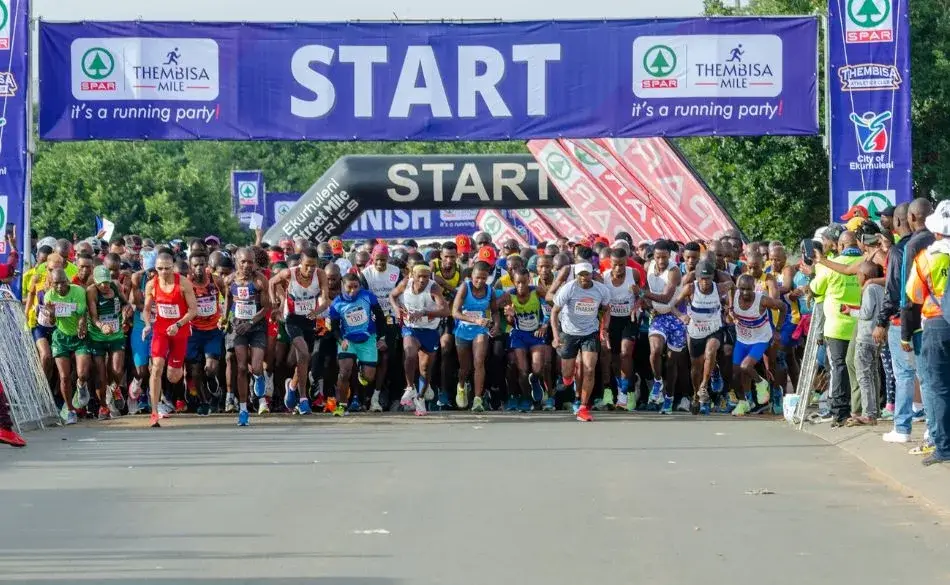





Find Your Next Running Race
Ready to put your training to the test? Here are some upcoming running events matched to this article.
 Coach Graeme

Last updated:
Sixteen weeks is the ideal training window for a half marathon. It is long enough to build genuine endurance safely, includes room for recovery weeks, and gives you time to practise race-day fuelling and pacing before you actually need it. This plan covers both beginner and intermediate runners, with a complete week-by-week schedule, a pacing guide by goal time, and everything you need from the first run to the finish line.
Not sure where to start with training?
Tell us your goal and schedule, and we’ll give you clear direction.
No obligation. Quick, practical advice.
Explore our running advice and tips for more helpful articles and resources.
👉 Swipe to view full table
| Level | Entry Requirement | Goal | Days/Week | Peak Weekly Volume |
|---|---|---|---|---|
| Beginner | Can run/walk 20–30 min continuously; some recent running | Finish strong, no specific time goal | 3–4 runs | ~40–45 km |
| Intermediate | Has completed a 10K or half marathon; running 25–35 km/week | Finish under 2:00–2:10 or set a personal best | 4–5 runs | ~55–60 km |
If you are not yet running 20–30 minutes comfortably, start with a 20-week beginner programme before returning to this plan. If you have 14 weeks rather than 16, the 14-week beginner half marathon plan covers a compressed version of the same structure.
Phase 1 — Base Building (Weeks 1–4). Short, easy runs establish the habit and prepare joints, tendons, and connective tissue for the mileage ahead. Cardiovascular fitness adapts quickly; connective tissue takes 4–6 weeks of gradual loading to strengthen. This phase feels easy — it should. Resist the urge to go faster or further than prescribed.
Phase 2 — Endurance Development (Weeks 5–10). The long run lengthens progressively. Midweek runs increase in duration and a weekly tempo run is introduced for intermediate runners. This is the bulk of your training and the phase where race fitness is built. Week 8 is a planned recovery week — volume drops by around 30% to allow adaptation before the final build.
Phase 3 — Peak Training (Weeks 11–13). The three hardest weeks. Long runs reach their maximum distance (18–19 km). Intermediate runners add a race-pace workout within the long run. Week 12 is another recovery week. Do not skip these lighter weeks — they are where fitness consolidates.
Phase 4 — Taper (Weeks 14–16). Volume drops significantly while intensity is maintained. Many runners feel restless or flat during taper — this is normal and does not mean you are losing fitness. Trust the process. You arrive at race day fresher and faster than if you had kept training hard to the end.
All easy runs should be at conversational pace — slow enough to speak full sentences. If you cannot, slow down. This is not a sign of weakness; it is correct training. The long run is the cornerstone of the week; if you must skip a session, let it be a midweek run rather than the long run.
👉 Swipe to view full table
| Week | Phase | Mon | Tue | Wed | Thu | Fri | Sat | Sun (Long Run) | Total km |
|---|---|---|---|---|---|---|---|---|---|
| 1 | Base | Rest | 4 km easy | Rest/walk | 4 km easy | Rest | Rest/cross | 8 km easy | ~20 km |
| 2 | Base | Rest | 5 km easy | Rest/walk | 5 km easy | Rest | Rest/cross | 10 km easy | ~24 km |
| 3 | Base | Rest | 5 km easy | Rest/walk | 6 km easy | Rest | Rest/cross | 11 km easy | ~27 km |
| 4 | Base | Rest | 5 km easy | Rest/walk | 5 km easy | Rest | Rest/cross | 10 km easy | ~24 km |
| 5 | Endurance | Rest | 6 km easy | Rest/cross | 6 km easy | Rest | 4 km easy | 13 km easy | ~32 km |
| 6 | Endurance | Rest | 7 km easy | Rest/cross | 7 km easy | Rest | 4 km easy | 14 km easy | ~35 km |
| 7 | Endurance | Rest | 7 km easy | Rest/cross | 8 km easy | Rest | 4 km easy | 15 km easy | ~37 km |
| 8 | Recovery | Rest | 5 km easy | Rest | 5 km easy | Rest | Rest/cross | 10 km easy | ~25 km |
| 9 | Endurance | Rest | 8 km easy | Rest/cross | 8 km easy | Rest | 5 km easy | 16 km easy | ~40 km |
| 10 | Endurance | Rest | 8 km easy | Rest/cross | 9 km easy | Rest | 5 km easy | 17 km easy | ~43 km |
| 11 | Peak | Rest | 8 km easy | Rest/cross | 9 km easy | Rest | 5 km easy | 18 km easy | ~44 km |
| 12 | Recovery | Rest | 6 km easy | Rest | 6 km easy | Rest | Rest/cross | 12 km easy | ~29 km |
| 13 | Peak | Rest | 8 km easy | Rest/cross | 9 km easy | Rest | 5 km easy | 19 km easy | ~45 km |
| 14 | Taper | Rest | 6 km easy | Rest | 6 km easy | Rest | 4 km easy | 14 km easy | ~33 km |
| 15 | Taper | Rest | 5 km easy | Rest | 5 km easy | Rest | 3 km easy | 10 km easy | ~26 km |
| 16 | Race Week | Rest | 4 km easy | Rest | 3 km easy | Rest | Rest | RACE DAY | ~7 km + race |
The intermediate plan adds a weekly tempo run (comfortably hard — you can say a few words but not hold a conversation) and increases overall volume. Easy days remain genuinely easy to allow quality on hard days.
👉 Swipe to view full table
| Week | Phase | Tue | Wed | Thu | Fri | Sat | Sun (Long Run) | Total km |
|---|---|---|---|---|---|---|---|---|
| 1 | Base | 6 km easy | 8 km w/ 4 km tempo | 6 km easy | Rest | 5 km easy | 12 km easy | ~37 km |
| 2 | Base | 7 km easy | 9 km w/ 5 km tempo | 7 km easy | Rest | 5 km easy | 14 km easy | ~42 km |
| 3 | Base | 7 km easy | 10 km w/ 5 km tempo | 7 km easy | Rest | 6 km easy | 15 km easy | ~45 km |
| 4 | Base | 6 km easy | 8 km easy | 6 km easy | Rest | Rest/cross | 12 km easy | ~32 km |
| 5 | Endurance | 8 km easy | 10 km w/ 6 km tempo | 8 km easy | Rest | 6 km easy | 16 km easy | ~48 km |
| 6 | Endurance | 8 km easy | 11 km w/ 6 km tempo | 8 km easy | Rest | 6 km easy | 17 km easy | ~50 km |
| 7 | Endurance | 9 km easy | 11 km w/ 7 km tempo | 9 km easy | Rest | 6 km easy | 18 km easy | ~53 km |
| 8 | Recovery | 7 km easy | 8 km easy | 6 km easy | Rest | Rest/cross | 13 km easy | ~34 km |
| 9 | Endurance | 9 km easy | 12 km w/ 7 km tempo | 9 km easy | Rest | 7 km easy | 19 km easy | ~56 km |
| 10 | Endurance | 10 km easy | 12 km w/ 8 km tempo | 9 km easy | Rest | 7 km easy | 19 km easy | ~57 km |
| 11 | Peak | 10 km easy | 13 km w/ 8 km tempo | 9 km easy | Rest | 7 km easy | 21 km easy/MP finish | ~60 km |
| 12 | Recovery | 7 km easy | 9 km easy | 7 km easy | Rest | Rest/cross | 14 km easy | ~37 km |
| 13 | Peak | 10 km easy | 12 km w/ 8 km tempo | 9 km easy | Rest | 7 km easy | 19 km w/ 5 km @ MP | ~57 km |
| 14 | Taper | 8 km easy | 9 km w/ 5 km tempo | 7 km easy | Rest | 5 km easy | 14 km easy | ~43 km |
| 15 | Taper | 6 km easy | 7 km w/ 3 km tempo | 5 km easy | Rest | 4 km easy | 10 km easy | ~32 km |
| 16 | Race Week | 5 km easy | 5 km w/ 3 km tempo | 4 km easy | Rest | Rest | RACE DAY | ~14 km + race |
MP = marathon pace (roughly 15–20 sec/km slower than half marathon goal pace). Week 11’s long run includes a marathon-pace finish to practise running on tired legs. For detailed guidance on hitting a sub-1:45, see the 1:45 half marathon guide, and for sub-2:00 the sub-2-hour half marathon guide.
👉 Swipe to view full table
| Goal Finish Time | Race Pace (per km) | Easy Run Pace | Tempo Pace | Long Run Pace |
|---|---|---|---|---|
| 2:45 | 7:49/km | 9:00–10:00/km | 7:30–7:50/km | 8:45–9:30/km |
| 2:30 | 7:06/km | 8:15–9:00/km | 6:45–7:05/km | 8:00–8:45/km |
| 2:15 | 6:24/km | 7:30–8:15/km | 6:00–6:20/km | 7:15–8:00/km |
| 2:00 | 5:41/km | 6:40–7:30/km | 5:20–5:35/km | 6:25–7:15/km |
| 1:45 | 4:59/km | 5:50–6:40/km | 4:40–4:55/km | 5:40–6:20/km |
Easy pace should feel genuinely easy — a pace where you can hold a full conversation without gasping. Many runners train their easy runs too fast, which accumulates fatigue and leaves them flat on quality sessions. If you are unsure what a realistic goal time looks like, the guide to respectable half marathon times includes averages by age and experience level.
80% easy, 20% hard. The majority of your running should be at genuinely easy, conversational effort. This builds aerobic capacity without accumulating excessive fatigue. Intermediate runners doing tempo runs should treat easy days as truly easy — not moderately hard — to arrive fresh for quality sessions.
The long run is non-negotiable. Every other session in the week supports the long run. If life is busy and you can only complete two runs in a week, make one of them the long run. The long run builds the specific endurance required to cover 21.1 km — midweek runs cannot substitute for it.
Increase volume gradually. The plan follows a 3-weeks-build, 1-week-recovery pattern. Do not add extra kilometres to recovery weeks. The lighter weeks are where fitness consolidates and injury risk drops — skipping them to maintain momentum is a common error that leads to overuse injuries in weeks 9–12.
Practise race-day fuelling in training. Start practising gels or food during long runs from week 9 onwards. Your gut needs to be trained to absorb carbohydrate while running, just as your legs do. Nothing new on race day — use the same product and timing you have tested in training. For guidance on pre-run and mid-run nutrition, the food timing guide covers what to eat and when.
Strength training supports the plan. One or two 20–30 minute sessions per week of glute, hip, and core work reduces injury risk significantly. Schedule these on easy days or rest days, never the day before a long run.
The goal in race week is to arrive at the start line rested, confident, and with fresh legs. Volume is at its lowest since week 1. Keep the Tuesday and Thursday runs short and easy — these are to maintain feel and rhythm, not add fitness.
Friday before race day: rest completely or take a gentle 20-minute walk. Avoid standing for long periods (expo trips are notorious for leaving runners tired before they even start).
Saturday before a Sunday race: nothing, or at most a 10-minute easy jog with a few light strides to wake the legs up.
Race morning: eat a familiar, carbohydrate-based breakfast 2–3 hours before the start. Aim to arrive at the start with pale yellow urine — well-hydrated but not waterlogged. Start the first 3–5 km at your easy training pace, not race pace. The most common first-half-marathon mistake is starting too fast and fading badly in the final 5 km.
Missing 1–3 days in a week is normal — ignore the missed sessions and continue from where the plan is. Do not try to make up missed runs by doubling up; this increases injury risk without meaningfully improving fitness.
Missing an entire week due to illness, travel, or injury: return at the volume level of the week before you stopped. For example, if you missed week 7, resume at week 6 volume. Missing two or more consecutive weeks with more than 3 weeks remaining: consider shifting the race date or consulting a coach for a revised schedule.
For runners who need a different starting timeline, the 11-week half marathon plan covers a compressed build for runners with a solid base.
Can a beginner use a 16-week half marathon training plan?
Yes, provided you can already run or walk for 20–30 minutes continuously before starting. If you are starting from scratch with no running background, a 20-week programme is a safer starting point.
How many days per week should I run training for a half marathon?
Beginners: 3–4 days per week. Intermediate runners: 4–5 days. Running 3 days per week is sufficient to finish your first half marathon comfortably. Running 4–5 days is better for runners with a goal time and an existing base.
How far should my longest run be before race day?
18–19 km, completed 2–3 weeks before race day. You do not need to run the full 21.1 km in training. The taper allows your body to recover fully, arriving at race day fresh.
What is a realistic finish time for a first half marathon?
Between 2:10 and 2:45 for most beginner runners. Starting conservatively and running even splits — or even a slight negative split — is the most reliable way to finish strong rather than fading in the final 5 km.
Should I do strength training while training for a half marathon?
Yes — 1–2 short sessions per week improve running economy and reduce injury risk. Focus on glutes, hips, and core. Schedule on easy or rest days, not the day before a long run.
Ready to put your training to the test? Here are some upcoming running events matched to this article.



Head Coach & Founder, SportCoaching
Graeme is the founder of SportCoaching and has coached more than 750 athletes from 20 countries, from beginners to Olympians, in cycling, running, triathlon, mountain biking, boxing, and skiing. His coaching philosophy and methods form the foundation of SportCoaching's training programs and resources.
No matter your goals, SportCoaching offers tailored training plans to suit your needs. Whether you’re preparing for a race, tackling long distances, or simply improving your fitness, our expert coaches provide structured guidance to help you reach your full potential.
Smart, progressive training from 5km to marathon with weekly guidance.
What’s included
Browse upcoming Australian running, cycling, and triathlon events in one place. Filter by sport, check dates quickly, and plan your training around something real on the calendar.
Choose your plan to get started with personalized training plans designed to help you reach your goals.


Minna Backman
When you’re new, feedback is especially important, and Graeme is highly skilled at both analyzing numbers and understanding the importance of mental strength.











