Getting Started with Ankle Weight Exercises the Right Way
Learning to use ankle weight exercises correctly can make a big difference in your results and your safety. These small weights might look simple, but they change how your body moves by increasing the load on your legs and hips. Because they sit below the knee, they also create extra leverage on your joints, which means even a little resistance goes a long way.
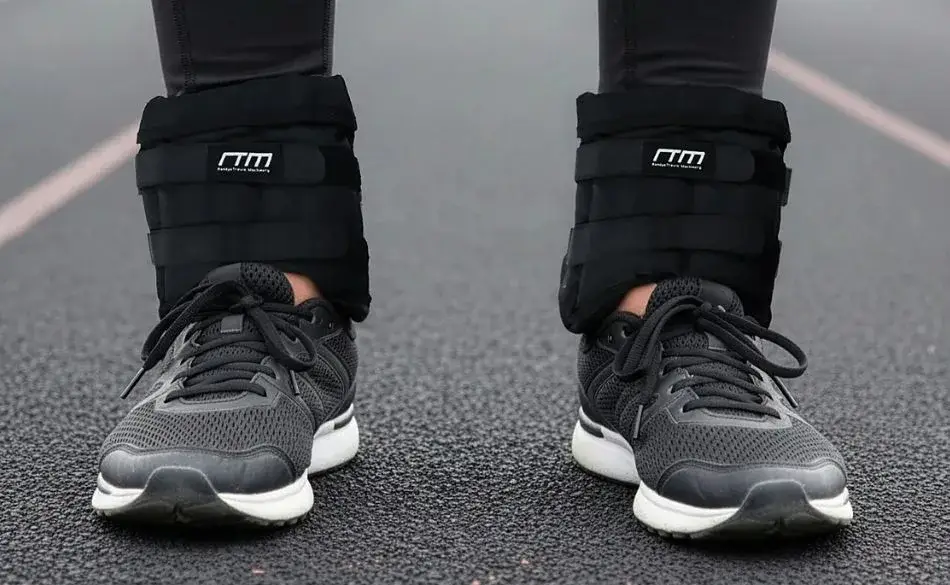
If you’re just beginning, choose adjustable ankle weights and start with the lightest setting possible—around 0.5 kg to 1 kg per leg. There isn’t one “perfect” range for everyone, but lighter weights are generally safer for building strength and coordination before increasing the load. Over time, as your movement feels more stable, you can slowly raise the weight. Think of it like turning up resistance on a stationary bike, gradual adjustments build control without strain.
Here’s a balanced beginner approach:
- Weight range: 0.5 kg – 1 kg per leg to start
- Reps per move: 10 – 15 for 2 sets
- Frequency: 2 – 3 sessions each week
- Recommended moves: leg lifts, side kicks, glute bridges, standing hip abductions
Research suggests that walking or exercising with light ankle weights can increase oxygen use and muscle activity in specific leg muscles, particularly the quads and calves. However, going too heavy or moving too quickly can shift stress toward your joints instead of your muscles.
The best results come from consistency. Incorporating ankle weight workouts into yoga, Pilates, or light ankle weight walking can improve balance and coordination over time. While major strength gains may take several weeks or more, many people notice better body awareness and movement control when they train regularly and focus on proper form.


Science Behind Ankle Weight Exercises and the Muscles They Strengthen
When you add even a small amount of resistance at your ankles, your body has to work harder to move. That’s the real magic of ankle weight exercises,they increase the effort needed for simple motions, helping muscles engage more deeply and improving coordination. Because the weights sit far from your center of gravity, every lift or swing challenges your legs, hips, and core to stay stable and balanced.
Research shows that as both load and movement speed increase, so do oxygen use and muscle activation, especially in the quads and calves. This explains why even light ankle weight exercises can make everyday movements feel more challenging. The added resistance forces your stabilizing muscles to work harder to maintain balance and control. A recent study published in the Journal of Exercise Rehabilitation found that increasing ankle weight from 2 kg to 6 kg while walking raised both metabolic demand and muscle activation in the legs (particularly in the rectus femoris and gastrocnemius). This reinforces the idea that intensity isn’t only about speed or distance; sometimes, it’s about a few extra grams placed in the right spot.
To make the most of any ankle weight workout, choose exercises that match your fitness level and focus on clean form. The table below highlights common movements, the muscles they target, and simple cues to keep you safe while getting the most from each repetition.
👉 Swipe to view full table
| Movement | Primary Muscles | Secondary | Typical Load (per leg) | Tempo & Form Cues | Goal | Notes / Risk |
|---|---|---|---|---|---|---|
| Seated Straight-Leg Raise | Hip flexors, quads | Core stabilizers | 0.5–1 kg | 2–3 sec up, 2–3 sec down; tall spine | Activation, control | Great for ankle weights for beginners; avoid swinging |
| Side-Lying Leg Lift | Glute medius/minimus | Obliques | 0.5–1 kg | Foot slightly down-toes; ribs stacked | Hip stability | Key for runners; pairs with ankle weight glute exercises |
| Standing Hip Abduction | Glute medius | Glute max, TFL | 0.5–1.5 kg | Slow sweep to side; don’t lean | Balance, strength | Use support if balance is limited |
| Prone Hamstring Curl (no machine) | Hamstrings | Calves | 0.5–1.5 kg | Heels to glutes without hip lift | Posterior chain | Stop if cramping; small range is fine |
| Quadruped Straight-Leg Kickback | Glute max | Core, hamstrings | 0.5–1 kg | Neutral spine; press heel back | Glute strength | Avoid arching lower back |
| Marching in Place | Hip flexors | Core, quads | 0.5–1 kg | Slow lift to 90°; soft land | Coordination, endurance | Entry point for ankle weight walking |
| Straight-Leg Toe Touch (supine) | Hip flexors | Lower abs | 0.5 kg | Tap down under control | Core-hip control | Keep back flat to floor |
Start with adjustable ankle weights so you can increase resistance gradually as your strength improves. Small changes are safer and often more effective than jumping to heavier loads too quickly. Focus on how your body feels. Mild muscle fatigue is good, but sharp discomfort in your knees or hips is a sign to stop and reassess.
Use movements that align with your training goals. If your priority is toning and shaping, focus on ankle weight glute exercises like kickbacks and bridges. If you’re working on endurance and coordination, gentle ankle weight walking or marching in place can help strengthen your stabilizing muscles without overwhelming your joints.
Consistency always wins. Performing two or three ankle weight workouts each week improves control and coordination, especially when combined with bodyweight or flexibility training. Think of these sessions as precision work (focused, low-impact, and highly effective when done regularly).
Remember, more isn’t always better. Research shows that higher loads or faster speeds raise muscle activation and oxygen demand, but they also increase joint stress. The best progress comes from maintaining steady form and a moderate pace. Over time, these small, intentional efforts add up to stronger, more balanced legs and better overall movement quality.
Every runner, from beginner to elite, benefits from structure and balance. Our Running Coaching programs are designed to help you train smarter, recover better, and perform stronger. Each plan is built around your fitness level, goals, and lifestyle. Giving you the right mix of intensity and rest to keep improving safely.
- Personalized training structure: sessions tailored to your pace, distance, and recovery needs
- Smart recovery planning: reduce fatigue and prevent injury through data-driven rest strategies
- Performance development: improve speed, endurance, and efficiency with proven running methods
- Ongoing expert feedback: continuous support from professional running coaches to keep you progressing
Run with purpose, recover with intent, and reach your next personal best with a structured coaching plan built for you.
Start Running Coaching →

The Best Ankle Weight Exercises to Build Strength and Stability
Once you understand how ankle weight exercises work, it’s time to put that knowledge into practice. The key is variety, mixing movements that target your hips, legs, and core so every session feels balanced and effective. Whether you’re new to training or simply want to upgrade your lower-body routine, the following exercises will help you build strength safely while improving your control and coordination.
Try these beginner-friendly movements to start feeling stronger and more stable:
- Standing Leg Lifts: Stand tall, hold a chair for balance, and lift one leg to the side using your outer thigh muscles. This is perfect for building hip strength and improving stability.
- Glute Bridges with Ankle Weights: Lie on your back, bend your knees, and lift your hips while squeezing your glutes at the top. This move strengthens your posterior chain and supports better running and posture.
- Kneeling Kickbacks: On hands and knees, extend one leg straight back and press through your heel. Focus on slow, controlled reps to activate your glutes and hamstrings.
- Side-Lying Leg Raises: Lie on one side, lift your top leg slowly, and pause at the top. This simple motion targets the glute medius, which helps stabilize your hips during walking and running.
- Ankle Weight Marching: March in place while keeping your posture upright. This low-impact cardio variation helps build endurance and coordination.
These ankle weight workouts don’t require fancy equipment, just commitment and consistency. Start with one or two sets of each move and increase gradually as your strength improves. Focus on quality over quantity; controlled motion creates lasting results and reduces the risk of strain. Over time, you’ll notice your balance improving and everyday movements, like climbing stairs or running, becoming easier and more efficient.
If you’re ready to build more inner-thigh control, explore our exercise for hip adductors guide for simple add-ons that pair well with ankle weight leg work.
Up next, we’ll explore the pros and cons of using ankle weights so you can decide when and how to include them in your long-term training routine.


The Real Pros and Cons of Ankle Weight Exercises
Like most fitness tools, ankle weight exercises come with both benefits and limitations. Understanding these helps you get the best results while minimizing risks. When used correctly, ankle weights can be an incredible addition to your training routine, but improper use or excessive load can do more harm than good.
Here’s a clear look at the pros and cons:
- Pros:
- Boosts muscle activation in the quads, glutes, and hip flexors without heavy equipment.
- Improves balance, stability, and joint control through small, controlled resistance.
- Increases heart rate and oxygen use for a mild cardio effect when walking or performing full-body movements.
- Enhances functional strength for everyday tasks like climbing stairs or standing from a seated position.
- Portable, affordable, and easy to integrate into home workouts or warm-ups.
- Cons:
- Can increase stress on the knees, hips, and ankles if used with poor form or excessive weight.
- May alter gait mechanics during long walks or runs, potentially leading to joint discomfort over time.
- Limited progressive overload—strength gains may plateau once your body adapts to the fixed weight range.
- Not ideal for individuals recovering from lower-limb injuries without professional guidance.
Used responsibly, ankle weights for legs can add valuable variety to your training. The key is moderation. Start light, keep movements controlled, and pair them with strength or flexibility exercises for balance. Research supports their use for improving muscle engagement and endurance, but form and load management are crucial for long-term safety.
Every strong cyclist knows performance is built on structure, not guesswork. Our Cycling Coaching programs are designed for riders who want to train smarter, recover faster, and reach peak fitness with personalized, data-driven plans. Whether you’re targeting a race, a long-distance event, or all-around improvement, our coaching brings clarity and focus to your training.
- Structured power development: targeted sessions to increase FTP and endurance strength
- Custom performance analytics: track progress with professional training data reviews
- Recovery optimization: tailored workloads that balance fatigue and adaptation
- Ongoing expert support: direct feedback from experienced cycling coaches
Train with purpose, master your power, and unlock your best performances with personalized cycling coaching.
Start Cycling Coaching →

How to Safely Add This Exercise to Your Routine
Once you understand the benefits and risks, the next step is learning how to use ankle weight exercises effectively within your weekly routine. This isn’t about wearing them all day or adding them to every workout. It’s about choosing the right time, frequency, and movements to support your goals.
Start by including ankle weight workouts two or three times per week, focusing on movements that reinforce control rather than endurance. Use them after your warm-up or near the middle of your session when your muscles are fully activated. For example, pair ankle weight leg lifts or standing hip abductions with bodyweight squats or lunges for a balanced lower-body routine.
Follow these key safety tips for best results:
- Warm up properly: Light cardio or dynamic stretches prepare your joints and muscles for added load.
- Stay consistent: Gradual progress beats occasional overtraining. Track reps, sets, and how your body feels over time.
- Focus on form: Keep movements slow and controlled. Never swing your legs or lock your knees during ankle weight exercises.
- Alternate training types: Combine strength work with flexibility or balance exercises to avoid overloading the same joints.
- Listen to your body: Joint pain or stiffness means it’s time to lighten the load or rest.
Most importantly, avoid wearing ankle weights during high-impact cardio or running unless recommended by a professional. The goal is to enhance movement quality, not compromise it. Over time, steady use of adjustable ankle weights will improve leg strength, coordination, and control. Helping you move better both in workouts and daily life.
To further strengthen your core and support better posture while training with ankle weights, read our complete guide to bicycle crunches for expert tips on proper form and progressions.


Tips to Maximize Your Workouts
Once you’ve mastered the basics, you can start progressing your ankle weight exercises for better results. The goal isn’t to just add more weight, it’s to increase challenge through variety, tempo, and body awareness. These subtle tweaks keep your muscles adapting and your workouts fresh.
- Play with tempo: Try slow eccentric movements (lowering phase) to increase muscle tension without heavier loads. This boosts control and muscle endurance.
- Add pulses or holds: Pause for one or two seconds at the top of leg lifts or bridges to heighten activation in the glutes and quads.
- Combine planes of motion: Move your leg diagonally or in circular patterns to challenge stabilizing muscles and improve coordination.
- Integrate core work: Add ankle weights to planks or flutter kicks to engage your abs while strengthening the hip flexors.
- Use progression cycles: Increase reps or sets before increasing the load. This allows joints and ligaments to adapt safely.
Remember, quality over quantity always wins. Even small adjustments can transform a standard routine into a targeted ankle weight workout that builds lasting strength and balance.
Ready to challenge your core even further? Check out our full Windshield Wipers Exercise guide for a powerful core movement you can pair with your ankle-weight leg work.


How Ankle Weights Compare to Other Training Tools
Wondering how ankle weights measure up to other equipment like resistance bands or dumbbells? Each tool offers unique advantages depending on your goals and experience level.
Ankle weights create resistance far from your body’s center of gravity, emphasizing stability and control. Resistance bands, on the other hand, offer variable tension—ideal for mobility and joint-friendly strength work. Dumbbells allow heavier progressive overload but require more core stability and technique.
Here’s a quick comparison:
👉 Swipe to view full table
| Tool | Best For | Load Type | Key Benefit | Limitation |
|---|---|---|---|---|
| Ankle Weights | Leg & core strength, balance | Fixed external resistance | Targets stabilizers and control | Limited load range, joint stress risk |
| Resistance Bands | Mobility, endurance, rehab | Variable elastic tension | Joint-friendly and portable | Less strength overload potential |
| Dumbbells | Muscle building, strength training | Progressive free weight load | Supports heavier strength gains | Requires more equipment and setup |
Many athletes combine all three. For example, resistance bands for warm-ups, ankle weight workouts for activation, and dumbbells for main lifts. Blending tools helps balance muscle development and reduce injury risk.
To deepen your core training and integrate it smartly alongside leg- and ankle-weight work, check out our detailed guide to the cross leg reverse crunch for proper form, progressions and injury-free execution.


Tracking Your Progress and Measuring Results
Progress from ankle weight exercises can sometimes feel subtle at first, but small improvements quickly add up. Tracking your workouts helps you stay consistent and see tangible results over time. The goal isn’t just to lift heavier, it’s to move better, feel stronger, and maintain balance in everyday life.
Here are simple ways to track your improvements:
- Log your sessions: Write down the weights, sets, and reps after each ankle weight workout. Seeing steady increases, even small ones, reinforces progress.
- Track balance and stability: Notice if standing on one leg or maintaining posture feels easier after a few weeks. This shows your stabilizing muscles are getting stronger.
- Monitor mobility: Pay attention to how smoothly your hips and legs move during exercises. Greater control and less wobbling signal improved coordination.
- Assess endurance: If you can perform more reps or hold positions longer without fatigue, your muscles are adapting effectively.
- Note recovery speed: Shorter soreness periods or quicker recovery between sessions often mean your muscles are getting stronger and more efficient.
Use a fitness app, journal, or spreadsheet to record your workouts. Many people notice improved movement control, steadier balance, and increased muscle tone within four to eight weeks of regular training. Even if the visual changes are gradual, the internal gains (like better posture and stability) are often felt first.
Tracking not only motivates you but also helps prevent overtraining. When you see consistent effort written down, it’s easier to balance challenge and recovery. Two essential parts of sustainable fitness progress.
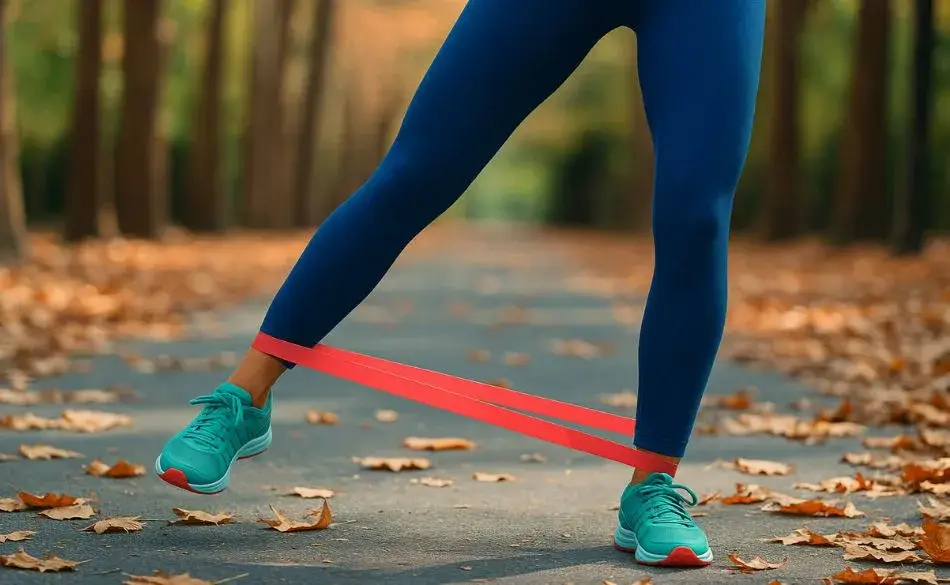

Stronger Legs Start with Simple Ankle Weight Exercises
Adding ankle weight exercises to your training routine is one of the simplest ways to boost strength, balance, and muscle awareness without complex equipment. Whether you’re strengthening after a break, enhancing performance, or simply wanting to move with more control, these small weights can deliver meaningful results when used correctly.
The key is patience and precision. Start light, master your form, and stay consistent. Over time, you’ll notice steadier balance, improved posture, and stronger lower-body muscles that support everything from walking and running to daily activities. What seems like a small addition can lead to long-term transformation.
Remember, ankle weights aren’t about instant results or extreme effort. They’re about teaching your body to move efficiently, build real strength safely, and develop lasting stability. Combine them with stretching, mobility, or bodyweight exercises to create a well-rounded routine that keeps you strong and injury-free.