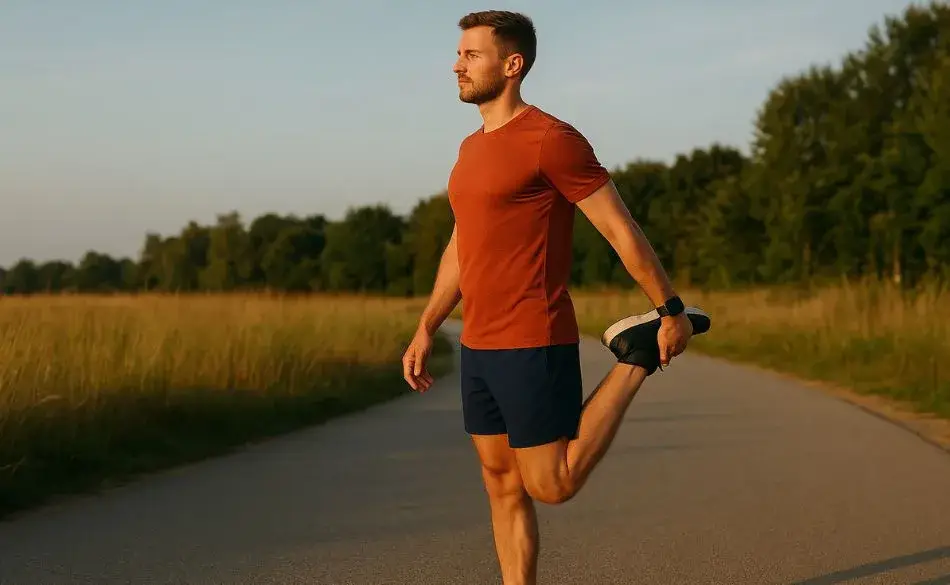
What Tight Quad Muscles Really Mean and Why They Matter
When your quads feel like they’re made of rope, it’s more than just a tight feeling, it’s a signal that your body is out of balance. Your quadriceps are a powerful group of four muscles that run from your hip to your knee. They drive every pedal stroke and push-off when you run. When these muscles become tense or overworked, you’ll feel it as quad stiffness, front thigh pain, or even pulling around the knee.
Most runners and cyclists notice this tightness after repeated training sessions without enough recovery. The repetitive motion of pedalling or pounding the pavement causes the quadriceps muscles to shorten. Over time, your range of motion shrinks, your stride loses efficiency, and the risk of knee or hip pain increases.
Think of it like riding a bike with a half-inflated tire. It still works, but every movement takes extra effort. Tight quads create the same drag inside your body.
What’s tricky is that quad tightness often hides behind other symptoms. Maybe your lower back feels sore or your knees ache after long efforts. Often, the culprit isn’t your back or knees at all, it’s the tension sitting right in your quads.
For athletes I coach, one common red flag is a burning sensation during easy spins or gentle runs. While that burning alone doesn’t always mean your tight quadriceps are the cause, it can be an early sign that your muscles aren’t recovering fully or are overworked.
If left unchecked, these muscles can start pulling on your hip flexors and kneecaps, throwing off your body mechanics. That’s why understanding and addressing tight quad muscles early is essential, not just for comfort, but for performance and long-term injury prevention.

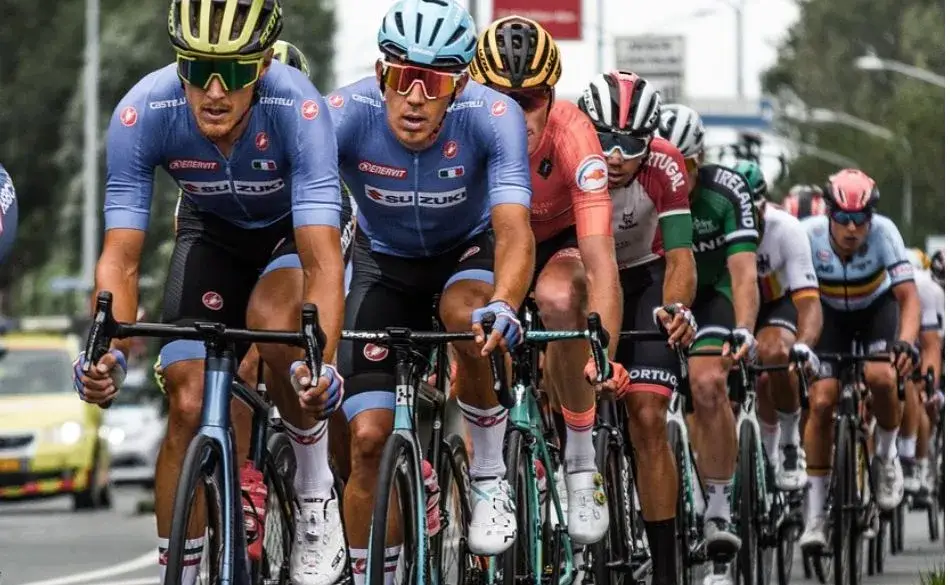
Why Runners and Cyclists Develop Tight Quads in the First Place
If you’ve ever wondered why your quads feel tighter than a stretched rubber band after training, you’re not alone. Both runners and cyclists put huge demands on these muscles but for slightly different reasons.
For cyclists, your quadriceps are constantly engaged. Every pedal stroke forces the quads to contract and shorten, especially when climbing or pushing heavy gears. Over time, this repetitive motion limits flexibility and creates quad tightness that can spread to the hips and knees. Because cycling involves limited hip extension, the hip flexors and rectus femoris often become overactive, pulling the pelvis forward and leaving your hamstrings feeling weaker by comparison.
Runners deal with a different version of the same issue. During running, your quads work eccentrically to absorb impact when your foot hits the ground. If you increase mileage too quickly, skip mobility work, or rely too heavily on flat terrain, the result is predictable. Tight quad muscles that feel sore and heavy even after rest days.
Let’s be honest, many endurance athletes simply don’t give recovery the same attention as training. Static stretching gets skipped. Foam rolling gets rushed. Over weeks and months, that “minor tension” builds up until your front thigh pain becomes impossible to ignore.
Other common culprits include:
- Poor bike fit that locks your knees and hips in limited ranges
- Weak glutes or hamstrings forcing your quads to do extra work
- Inadequate hydration and electrolyte imbalance
- Sitting too long after workouts, causing further muscle shortening
Every one of these factors makes your quad stiffness worse over time. The body naturally adapts to what it does most often and if that’s sitting, pedalling, or running in one repetitive pattern, those quads will keep tightening until you intervene.
So, if you’ve ever wondered why your quads ache after a long run or ride, there’s a good chance it’s connected to these movement habits. To better understand the connection between quad tightness, fatigue, and soreness, check out our detailed guide on why your quads hurt after running. It explains how overuse and imbalance translate into pain and what you can do to prevent it.
Every runner, from beginner to elite, benefits from structure and balance. Our Running Coaching programs are designed to help you train smarter, recover better, and perform stronger. Each plan is built around your fitness level, goals, and lifestyle. Giving you the right mix of intensity and rest to keep improving safely.
- Personalized training structure: sessions tailored to your pace, distance, and recovery needs
- Smart recovery planning: reduce fatigue and prevent injury through data-driven rest strategies
- Performance development: improve speed, endurance, and efficiency with proven running methods
- Ongoing expert feedback: continuous support from professional running coaches to keep you progressing
Run with purpose, recover with intent, and reach your next personal best with a structured coaching plan built for you.
Start Running Coaching →
The Hidden Effects of Tight Quads on Performance and Injury Risk
When your tight quad muscles start to limit your movement, the effects go far beyond discomfort. The quads are responsible for generating power in both running and cycling, but when they become shortened, your body begins to move differently. Each stride or pedal stroke becomes less efficient, and you waste energy fighting against your own tension.
Runners often notice the problem first through subtle changes – a shortened stride, a louder foot strike, or soreness around the kneecap. This happens because tight quads pull on the patella, altering the way it tracks during movement. Over time, that can lead to patellofemoral pain syndrome, one of the most common overuse injuries in runners and cyclists.
Cyclists feel it differently. That same tightness reduces hip mobility, forcing more strain on the lower back and hamstrings. Even minor quad stiffness can reduce your pedal stroke fluidity, especially during climbs or sprint efforts. You might push harder but go slower, the classic sign that your power output isn’t translating to speed.
Here’s something I’ve seen countless times in athletes I coach: when their quad tightness improves, their performance skyrockets without changing fitness. One cyclist gained nearly 10 watts in FTP simply by restoring mobility through daily stretching and foam rolling. While flexibility alone doesn’t always cause these gains, it often enhances movement efficiency, helping athletes use the strength they already have more effectively.
The reason is simple, relaxed muscles work better. When your quads regain flexibility, you get smoother movement, improved posture, and better activation of supporting muscles like your glutes.
Ignoring these warning signs is risky. Chronic tightness not only limits your potential but also increases the odds of muscle strain, knee inflammation, or hip pain. The solution starts with awareness. Once you identify how much your quadriceps tightness affects your movement, you can begin undoing the imbalance that’s been holding you back.


How to Test Your Quad Tightness at Home (Simple Checks That Work)
You don’t need fancy gear to spot quad tightness. A few quick tests can tell you if your quadriceps or hip flexors are limiting your movement.
Start with the Wall Heel Slide. Lie on your back with your feet on a wall and slide one heel down toward your hips. If your knee can’t bend much past 120° without your pelvis tilting, your tight quad muscles are likely restricting knee flexion. Next, try the Prone Knee Bend. Lie face down and pull your heel toward your glutes. If your pelvis lifts or your hip on that side pops up, your rectus femoris (the quad that crosses the hip) is probably short. You should feel a smooth stretch in the front thigh, not a sharp tug at the knee.
The Half-Kneeling Hip Flexor Check is great for runners and cyclists. In a lunge, tuck your tail slightly and shift forward. If your back glute can’t stay tight or your low back arches, your hip flexors and quads are stealing motion from your spine. That often shows up later as front thigh pain or cranky knees on hills.
Don’t rush these. Breathe slowly. Note what you feel on each side. Are both legs equally tight? Does one side pull harder near the kneecap? These clues help you target your mobility work instead of guessing.
Use the quick guide below to make sense of your results and pick the next step that fits your body today.
👉 Swipe to view full table
| Test / Check | What You Do | Quick Benchmarks | What “Tight” Feels Like | Best Next Step |
|---|---|---|---|---|
| Wall Heel Slide | Slide heel down wall toward hips | Near 120–130° knee bend without pelvis tilt | Early tug in front thigh, pelvis tips | 60–90s quad stretch + foam roll |
| Prone Knee Bend | Pull heel toward glute lying face down | Heel within a fist of glute, hips level | Hip lifts or sharp pull at knee | Rectus femoris stretch + soft tissue |
| Half-Kneeling Hip Flexor | Lunge, tuck pelvis, shift forward | Upright torso, back glute engaged | Low-back arch, front-thigh grab | Hip flexor opener + glute activation |
Every strong cyclist knows performance is built on structure, not guesswork. Our Cycling Coaching programs are designed for riders who want to train smarter, recover faster, and reach peak fitness with personalized, data-driven plans. Whether you’re targeting a race, a long-distance event, or all-around improvement, our coaching brings clarity and focus to your training.
- Structured power development: targeted sessions to increase FTP and endurance strength
- Custom performance analytics: track progress with professional training data reviews
- Recovery optimization: tailored workloads that balance fatigue and adaptation
- Ongoing expert support: direct feedback from experienced cycling coaches
Train with purpose, master your power, and unlock your best performances with personalized cycling coaching.
Start Cycling Coaching →
Smart Mobility That Actually Works for Tight Quads
Here’s the thing about tight quad muscles, you can’t just stretch them once and hope for the best. Real progress comes from combining flexibility, strength, and recovery in the right order. When these work together, your legs feel lighter, your stride opens up, and your pedal stroke smooths out again.
Start with gentle foam rolling before any workout. Spend about 60–90 seconds on each thigh, working from the hip down to just above the knee. Move slowly and pause on tight spots. Think of it as ironing out knots before you stretch the fabric.
Then move into dynamic stretches like standing quad pulls, walking lunges, or leg swings. These increase blood flow while retraining your muscles to lengthen under control. Avoid bouncing or forcing the stretch (let it happen naturally). Static stretches are best saved for cooldowns, when your muscles are already warm.
Strength balance is just as important. Your quads often get tight because your glutes and hamstrings aren’t pulling their weight. Adding a few minutes of activation drills can make a huge difference. Try this quick sequence two or three times a week:
- Glute bridges: 3 sets of 15 reps to wake up your posterior chain
- Romanian deadlifts: Focus on smooth, controlled lowering to stretch and strengthen
- Step-ups: Keep your torso upright and drive through your heel
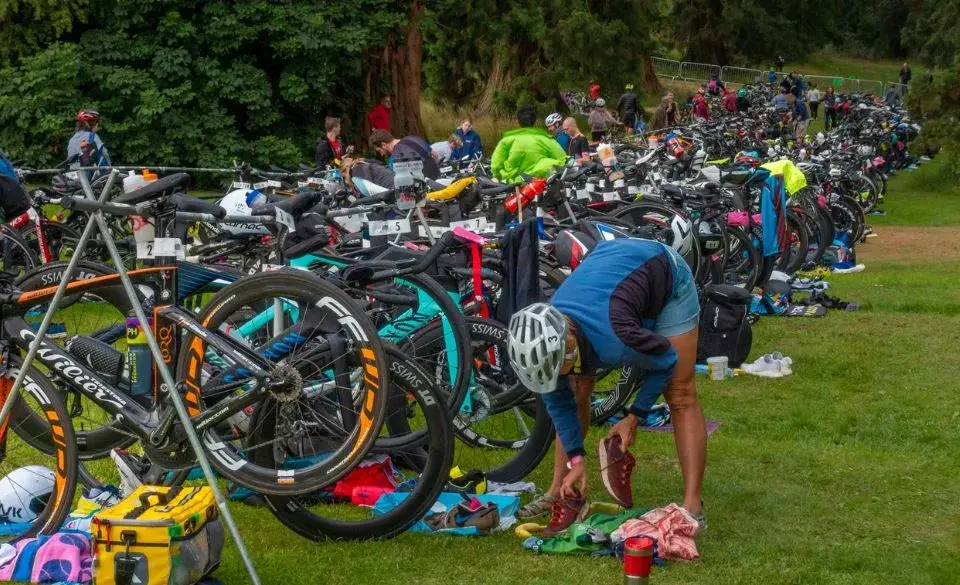
One athlete I coach, a triathlete training for Ironman Cairns, used this exact combination. Within four weeks, she noticed smoother pedalling, fewer knee niggles, and easier transitions from bike to run. It wasn’t magic, just consistent quad mobility drills and balanced strength work.
For runners looking to expand their strength approach beyond just quads, explore our complete set of leg exercises for runners. They support balanced lower-body development that holds tightness at bay.
For more on how stretching and movement influence quadriceps flexibility, see this study on static stretching and walking effects on quad muscle range of motion.

Bike Fit, Run Form, and Habits That Keep Tight Quads Away
If you ride a lot, small bike-fit tweaks can calm tight quad muscles fast. A saddle that’s a few millimetres too low forces more knee bend and piles load on the quadriceps. Raise it slightly and you’ll feel smoother circles, not square pedals. Cleats set too far forward can also stress the front of your thigh; slide them back a touch to share work with the hamstrings and calves. For an in-depth look at one of the most trusted fitting formulas, check out our guide on mastering the LeMond saddle height method.
Cadence matters. Low cadence with big gears is quad tax. Aim for a comfortable 85–95 rpm on flats, and spin lightly on climbs before you grind. You’ll keep power but drop quad stiffness after long rides.
Runners, check your stride. Overstriding slams the brakes and asks the quads to absorb more force. Land with your foot under your body and keep a light, quick rhythm (think 170–180 steps per minute as a guide, not a rule). On downhills, lean slightly forward from the ankles and keep steps short. Your knees and quads will thank you.
Daily life counts too. Long sitting keeps the hip flexors and rectus femoris short. After training, don’t collapse into a chair for hours. Alternate sitting and standing, and take 60-second stretch breaks each hour. It sounds small, but it’s huge over a week.
Here’s an insider tip I give athletes: treat the minutes right after a workout like wet cement. What you do then “sets” how you’ll feel tomorrow. Do 5 minutes of easy spin or walk, 2 minutes of front thigh stretching per side, and one set of glute bridges. You’ll lock in range while the tissue is warm.
Ask yourself: could a tiny fit change or form tweak unlock your legs? Do your quads feel better when you move more often during the day? Test one variable at a time for a week. For those curious about how sagittal saddle alignment interacts with knee mechanics, see our article on the KOPS method and saddle position. Keep showing up, keep moving, and your legs will slowly return to springy, efficient motion.


Recovery Routines That Keep Tight Quads From Coming Back
Your quads don’t get tight by accident, they get tight by habit. Recovery is the habit that undoes it. Start with sleep. Aim for 7–9 hours most nights. Your muscles rebuild while you sleep, not during the session. Notice how your quad stiffness fades faster after a solid night?
Fuel matters too. After runs and rides, eat protein and carbs within 60 minutes. Think yogurt and fruit, eggs on toast, or a rice bowl with chicken. Your quadriceps repair better when they’re fed. Hydration isn’t just water. If you sweat a lot, add electrolytes on long sessions. That helps nerves fire smoothly and keeps quad tightness from feeling like a cramp waiting to happen.
Now, micro-habits. Do a two-minute front thigh stretch per side after every workout. Add 60–90 seconds of gentle foam rolling at night while you watch TV. These tiny deposits pay interest. Movement breaks count. Sitting locks the hip flexors and rectus femoris short. Set a timer for hourly 60-second resets: stand, squeeze glutes 10 times, and perform one slow lunge stretch. Simple, but powerful.
Try a “warm-to-cool” routine. Finish your workout with three minutes of very easy spin or a light walk. Then do your static hold stretches while the tissue is warm. You’ll keep the range you just earned. Two times a week, add light strength. Glute bridges, step-downs, and Romanian deadlifts restore balance so the hamstrings share the load. Balanced strength makes flexibility stick.
Curious if these habits work for you? Track a single metric for two weeks: knee comfort on stairs, stride feel on easy runs, or pedalling smoothness at 90 rpm. Do you feel less tug across the front thigh? Here’s the thing, recovery isn’t a spa day. It’s a system. Layer sleep, fuel, hydration, and tiny daily drills. When you stack them, your tight quad muscles stop running the show, and your legs finally move the way you trained them to.
Whether you’re preparing for your first sprint event or chasing a new personal best, professional guidance can transform your training. Our Triathlon Coaching programs are designed to help athletes build speed, efficiency, and resilience across swim, bike, and run disciplines. Every plan is personalized around your goals, schedule, and ability level.
- Structured endurance training: improve aerobic capacity and pacing for all race distances
- Power and strength development: enhance performance through efficient, sport-specific conditioning
- Smart recovery programming: balance training load to reduce fatigue and prevent overtraining
- Expert feedback and analytics: get data-driven guidance to fine-tune technique and performance
Work with a dedicated triathlon coach to build the fitness, form, and confidence needed to perform at your best in every leg of the race.
Start Triathlon Coaching →

Your 7-Day Quad Reset Plan
It’s one thing to understand tight quad muscles, but another to fix them. This simple week-long plan helps you put everything you’ve learned into action, whether you’re a runner, cyclist, or just chasing stronger, freer legs. The goal here isn’t perfection; it’s progress. Think of it as giving your quads a much-needed reset button that restores balance, movement, and confidence in every stride and pedal stroke.
Day 1–2: Reset and Recover
– 10 min easy ride or jog to warm up the tissue and boost blood flow
– 60–90 s foam rolling each thigh to loosen dense fascia
– 2×30 s front thigh and hip flexor stretches
Focus on slow breathing and gentle pressure. You’re not forcing change — you’re waking the muscle up. These two days are about awareness and letting your body know that it’s safe to relax again.
Day 3–4: Strength Balance
– 3×15 glute bridges to activate the posterior chain
– 2×10 step-ups per leg to balance single-leg strength
– 2×8 Romanian deadlifts for hamstring length and stability
– Finish with 5 min light spin or walk for active recovery
The focus here is on quality over intensity. Slow, controlled reps help your quadriceps learn to share the load. You’re building the foundation that keeps tightness from coming back.
Day 5–6: Mobility Flow
– 10 min dynamic warm-up (leg swings, lunges, quad pulls)
– 3×45 s static stretches post-session
– Focus on breathing and posture throughout
This is your time to reconnect with how your legs move. Notice how your stride lengthens or your pedalling feels smoother. Add some hip openers or gentle yoga poses if your schedule allows. Mobility is a skill, and repetition turns it into habit.
Day 7: Recovery & Reflection
– Easy walk, short spin, or full rest day depending on how you feel
– Quick self-check: Does your stride feel smoother? Is quad stiffness easing?
Take a few notes about what worked best this week (the stretches that felt most effective or moments when your legs felt light again). Reflecting helps you notice patterns and refine your recovery over time.
At the end of this 7-day reset, your quads won’t just feel looser, they’ll move better, work smarter, and recover faster. The key is consistency. Repeat this plan once every month or weave these routines into your regular training week. Think of it as maintaining your engine, the smoother your muscles move, the more efficiently your body performs. For athletes wanting to build long-term quad strength and control, check out our guide on eccentric quad exercises for runners to complement this plan. Keep showing up, keep moving, and let your tight quad muscles become a thing of the past.
Conclusion: Free Your Quads, Unlock Your Performance
Your tight quad muscles don’t define you, they simply remind you that your body craves balance. Whether you run marathons, ride endless climbs, or just want to move pain-free again, your quads are the bridge between strength and freedom of motion.
You’ve learned how overuse, posture, and muscle imbalance quietly shorten your quadriceps over time. You’ve also seen how simple fixes (from better mobility drills and balanced strength to smarter recovery and fit tweaks) can completely change the way your body feels.
Every athlete I’ve coached who made these changes has said the same thing: “I feel lighter.” That’s what freeing your quads does. It’s not just less tension, it’s a sense of effortless movement that brings the joy back to training.
Here’s a final takeaway: stay consistent. You don’t need hour-long sessions. You need five focused minutes a day. Foam roll, stretch, stand up more often, and give your front thigh some care before it demands it.