Tokyo Marathon
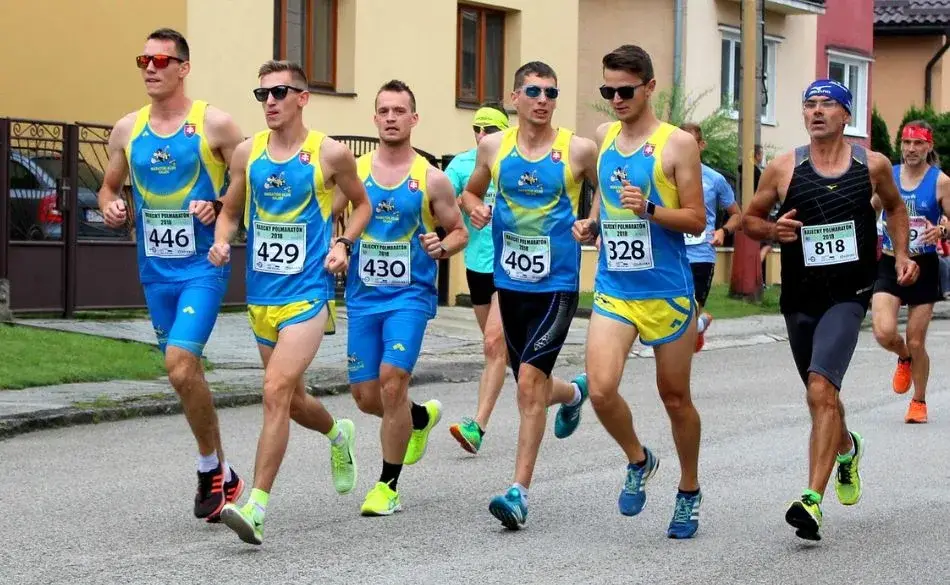
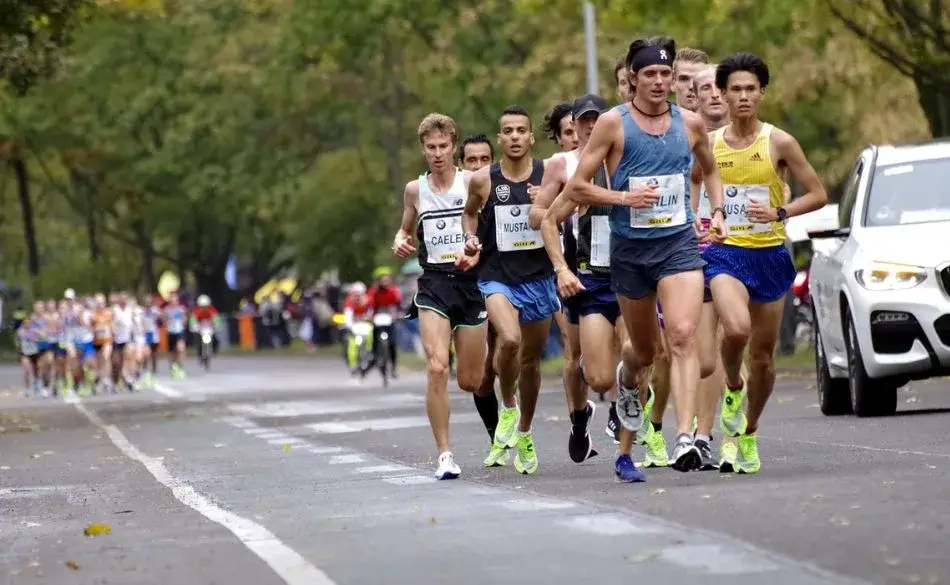
The Tokyo Marathon is often used as the reference point for what a large Asian marathon can look like when everything works. It is one of the most organised races in the region and a consistent example of why Japan is so highly regarded in endurance sport.
From the moment you arrive, logistics feel predictable. Transport is clear. Signage is easy to follow. Volunteers are calm and precise, even with tens of thousands of runners moving at once. For international athletes, that reliability removes unnecessary stress before race day, which is a key reason Tokyo is regularly included among the best marathons in Asia for international runners.
The course is designed for rhythm. Roads are wide, surfaces are smooth, and elevation changes are gentle rather than disruptive. There are no technical sections that force constant pace adjustments. This allows runners to lock into effort early and maintain it, which is why Tokyo is often discussed as one of the more fast marathon courses in Asia when weather conditions cooperate.
Another strength is how the city supports the race. Crowds are present for large portions of the course, especially through central districts like Shinjuku and Ginza. The energy is steady rather than chaotic. You are encouraged without being overwhelmed, which helps late-race focus when decision-making becomes harder.
From a coaching standpoint, Tokyo suits runners who value execution. You are rewarded for controlled pacing and patience. The race does not hide mistakes, but it also does not amplify them through poor design or confusing logistics.
- Extremely reliable organisation from start to finish
- Wide roads that reduce congestion and unnecessary surging
- A course profile that supports even pacing
- Consistent crowd presence without sensory overload
- Clear systems that benefit visiting runners
If you want a marathon that lets you concentrate on running well rather than managing variables, Tokyo delivers that experience better than most.
If you want personalised guidance to prepare properly for the Tokyo Marathon, our Tokyo Marathon Training Plan gives you a clear structure built around your current fitness, travel schedule, and race goals.
Your coach helps you manage pacing, fueling, and recovery so you arrive at race day prepared for Tokyo’s fast-flowing course, large field, and unique race-day logistics.
With tailored coaching support, you’ll train with purpose, avoid common pacing mistakes, and build confidence knowing your plan is designed for how the Tokyo Marathon actually unfolds.
Learn More →

Seoul Marathon
The Seoul Marathon is often overlooked, but it consistently delivers a clean, performance-focused racing experience. It combines the feel of a traditional city marathon with a course that rewards discipline and steady execution, making it a strong contender among the best options in the region.
From an organisational standpoint, Seoul runs smoothly. Race communication is clear, transport is reliable, and race morning feels controlled rather than rushed. For visiting athletes, this predictability removes many of the small stressors that can affect performance, which is why Seoul is regularly mentioned among the best marathons in Asia for runners who value structure.
The course itself is straightforward and runnable. Roads are wide, surfaces are consistent, and elevation changes are gentle enough to maintain rhythm. There are no sections that demand sudden pace changes or technical footwork. Because of this, Seoul is often quietly recognised as one of the more fast marathon courses in Asia, particularly for runners who execute their pacing well.
Crowd support is present without being overwhelming. Spectators gather in key areas rather than lining every kilometre, which creates moments of energy without constant noise. This suits runners who prefer focus over spectacle, especially in the later stages when mental clarity matters more than excitement.
From a coaching perspective, Seoul rewards patience. One athlete I coached chose this race for his first overseas marathon because he wanted a course that would not interfere with execution. He ran conservatively early, stayed controlled through the middle, and finished the final 10 kilometres stronger than expected. The course allowed him to run the race he planned, not the race he was forced into.
- Reliable race organisation and transport logistics
- A course that supports steady pacing and rhythm
- Wide roads that reduce congestion and surging
- Measured crowd support that aids focus
- A city environment well suited to visiting runners
If your priority is running a controlled, well-executed marathon in a major Asian city, Seoul offers exactly that.


Taipei Marathon
The Taipei Marathon rarely gets the same attention as some bigger-name races, but it consistently delivers one of the most runner-friendly marathon experiences in Asia. It is efficient, calm, and purpose-built for steady running, which is why many experienced athletes quietly rate it among the best marathons in Asia for international runners who value execution over spectacle.
Organisation is one of Taipei’s biggest strengths. Race communication is clear, bib collection is simple, and race morning feels relaxed rather than frantic. Transport to the start is straightforward, and signage is easy to follow even if it’s your first time in the city. For visiting runners, that simplicity reduces mental load before the race even begins.
The course is where Taipei really stands out. It follows long, uninterrupted sections along riverside paths and major roads, creating a smooth, predictable rhythm. Elevation changes are minimal, and turns are gradual rather than sharp. This design makes it easier to settle into pace early and hold effort late, which is why Taipei is often mentioned when runners talk about fast marathon courses in Asia, especially in cooler conditions. If this style of racing appeals to you, you may also enjoy exploring courses outside Asia, including our guide to the best marathons to run in New Zealand in 2025, which highlights similarly runnable events in a very different setting.
Crowd support is present but understated. Instead of constant noise, you get pockets of encouragement that lift you without breaking focus. This suits runners who prefer a calm mental environment, particularly in the later kilometres when concentration matters more than excitement.
From a coaching perspective, Taipei rewards runners who trust their plan. It does not hide pacing errors, but it also does not introduce unnecessary obstacles. If you run within yourself early, the course allows you to finish strongly without fighting terrain or congestion.
- Simple, well-organised race logistics for visitors
- A flat, flowing course that supports even pacing
- Long uninterrupted sections ideal for rhythm running
- Calm crowd support that aids late-race focus
- Cooler seasonal conditions than many Asian races
If your priority is running smoothly from start to finish with minimal distractions, Taipei offers one of the cleanest marathon experiences in the region.


Osaka Marathon
The Osaka Marathon sits in a useful middle ground for runners who want a major-city race without the intensity of Tokyo. It is well organised, approachable, and designed to move runners smoothly through the city, which makes it a reliable option among the best marathons in Asia for international runners who value clarity over spectacle.
From an organisational perspective, Osaka performs at a high level. Race information is clear, volunteer support is strong, and race-day transport is well coordinated. For visiting runners, the experience feels calm and structured, even with large participant numbers. This is especially helpful if it’s your first time racing in Asia.
The course is mostly flat with gentle changes that do not disrupt rhythm. Roads are wide and surfaces are consistent, allowing runners to settle into pace early and maintain it without constant adjustment. While Osaka is not marketed as the fastest race in the region, it still appeals to runners who want a controlled effort rather than a technical challenge.
Crowd support is steady throughout much of the course. Spectators tend to be encouraging without being overwhelming, which creates a supportive environment without excessive noise. This balance suits runners who prefer focus, particularly later in the race when concentration becomes more important than excitement.
From a coaching standpoint, Osaka is a confidence-building marathon. It does not punish small mistakes as harshly as more technical courses, but it still rewards runners who pace with discipline. For first time finishers, that balance can make the difference between managing the final kilometres and struggling through them.
- Reliable organisation and clear race communication
- A mostly flat course that supports steady pacing
- Wide roads that reduce congestion and stress
- Consistent but manageable crowd support
- A forgiving environment for first-time marathon runners
If your goal is to complete a well-run marathon in a major Asian city without unnecessary pressure, Osaka offers a stable and approachable racing experience.
If you want personalised guidance to prepare properly for any marathon, our Marathon Running Training Plan gives you a clear structure built around your current fitness, race goals, and experience level.
Your coach helps you manage pacing, fueling, and recovery so you arrive at race day prepared for the course, the conditions, and your target performance.
With tailored coaching support, you’ll train with purpose, avoid common marathon mistakes, and build confidence knowing your plan is designed for how real marathons unfold.
Learn More →

Singapore Marathon
The Singapore Marathon offers a very different experience from many other races in the region, but it earns its place among the best marathons in Asia because of how deliberately it is designed. This is a race that rewards planning, patience, and respect for conditions rather than raw aggression.
Organisation is one of Singapore’s strongest assets. Race communication is clear, transport to the start is well managed, and signage is easy to follow even if you are visiting for the first time. The city’s efficiency shows on race morning, where large numbers of runners move smoothly through checkpoints without confusion or unnecessary stress.
The course itself is largely flat and runs through wide city streets, which helps reduce congestion and allows runners to settle into pace. The defining feature, however, is the climate. Warm and humid conditions mean this race is less about chasing a personal best and more about executing smart pacing and fueling. When handled correctly, the course remains very runnable, but it demands respect.
Crowd support is steady and encouraging, particularly through central areas and late in the race. Volunteers play a major role, offering frequent aid and calm guidance when fatigue builds. That support becomes increasingly important as conditions take their toll and mental focus starts to drift.
From a coaching perspective, Singapore is a marathon that exposes preparation. Athletes who pace conservatively early, hydrate consistently, and stay mentally patient often finish far stronger than expected. Those who ignore the environment usually pay for it later. For runners who want to test discipline rather than speed, this race offers a valuable challenge.
- Excellent organisation and race-day logistics
- A flat course that supports steady pacing
- Frequent aid stations and strong volunteer support
- Conditions that reward smart preparation and patience
- A major city environment that is easy for visitors to navigate
If you want a marathon that measures how well you execute rather than how hard you push, the Singapore Marathon delivers a demanding but well-structured race experience.
If Singapore appeals to you as a marathon destination, it’s also worth exploring how it compares with other distance events in the region. Our guide to best marathons and half marathons in Singapore breaks down course styles, conditions, and race-day experiences to help you decide which event fits your goals best.


Hong Kong Marathon
The Hong Kong Marathon is not an easy race, but it earns its reputation by offering one of the most distinctive marathon experiences in the region. It combines a dramatic urban setting with a course that demands respect, which is why it is often included when runners talk about the hardest marathons in Asia and look for something more demanding than a flat city loop.
From an organisational standpoint, Hong Kong handles scale well. Race communication is clear, transport to the start is tightly managed, and the city’s public systems make it possible to move large numbers of runners efficiently. For visiting athletes, the experience feels controlled despite the size and complexity of the event.
The course is the defining feature. It includes long stretches on major highways, exposed sections, and noticeable elevation changes, particularly over bridges and flyovers. These features break rhythm and require careful pacing. This is not a race that rewards aggression early. Instead, it suits runners who can stay patient and manage effort as conditions shift. If you enjoy races that test resilience rather than speed, you may also be interested in how Hong Kong compares with events elsewhere, including the hardest marathons in the US, which challenge runners in very different but equally demanding ways.
Crowd support comes in waves rather than being constant. You will find strong pockets of encouragement near urban centres and quieter stretches on exposed roads. Mentally, this can be challenging, but it also sharpens focus. Runners who are comfortable being alone with their effort tend to handle Hong Kong better than those who rely heavily on crowd energy.
From a coaching perspective, Hong Kong is a marathon that reveals weaknesses quickly. Poor pacing or neglecting hydration shows up early. Athletes who respect the course, adjust expectations, and run within themselves often finish feeling more accomplished than the clock suggests.
- A truly iconic urban course unlike most Asian marathons
- Strong organisation despite complex logistics
- A challenging profile that rewards disciplined pacing
- Variable crowd support that tests mental resilience
- A race suited to experienced runners seeking a hard-earned finish
If you want a marathon that feels demanding, memorable, and earned rather than gifted, the Hong Kong Marathon delivers a tough but rewarding race experience.

Bangkok Marathon
The Bangkok Marathon stands out as a race that requires respect for conditions more than admiration for scenery. It earns its place among the top marathons in Asia for international runners by offering a well-managed event in a challenging environment, rather than trying to disguise what it is.
Organisation is a key strength in Bangkok. Race communication is clear, bib collection is straightforward, and transport to the start is planned with international runners in mind. The race typically begins very early in the morning, which helps reduce heat stress and allows runners to settle into effort before temperatures rise.
The course is mostly flat and follows wide city roads, making it physically runnable despite the climate. Elevation is not the challenge here. Heat and humidity are. This shifts the focus away from chasing time and toward managing pace, hydration, and effort. Because the Bangkok Marathon takes place in December, understanding seasonal conditions becomes especially important, and our December marathons race guide explains how weather and timing can affect pacing and preparation for end-of-year races.
Crowd support is strongest in central areas and near the finish, with quieter sections in between. Aid stations are frequent and play a crucial role, especially as the race progresses. Volunteers are attentive and proactive, which becomes increasingly important as fatigue builds and decision-making slows.
From a coaching perspective, Bangkok is a race that rewards realism. Athletes who respect the environment, pace conservatively early, and stay disciplined with hydration often finish stronger than expected. It is not a forgiving race, but it is a fair one if approached with the right mindset.
- A flat course that supports steady running mechanics
- Early start time to help manage heat exposure
- Frequent aid stations and strong volunteer presence
- A city environment that is straightforward for visitors
- A race that rewards discipline over speed
If you want a marathon that tests preparation and decision-making rather than raw pace, the Bangkok Marathon offers a demanding but well-structured challenge.

Kuala Lumpur Marathon
The Kuala Lumpur Marathon offers a very different experience from many other major marathon races in Asia. It blends modern city streets with rolling terrain and tropical conditions, creating a marathon that feels honest and demanding rather than polished for speed. For that reason, it is often included among the top marathons in Asia for runners who want a memorable challenge rather than a fast time.
From an organisational perspective, Kuala Lumpur performs reliably. Race information is clear, bib collection is efficient, and race morning transport is straightforward for visiting runners. While the scale is slightly smaller than some of the region’s biggest events, that can work in your favour, reducing congestion and pre-race stress.
The course itself is not flat. Long gradual climbs, flyovers, and changes in elevation are part of the experience, especially in the middle stages of the race. Combined with warm and humid conditions, this makes Kuala Lumpur a marathon that requires smart pacing from the very first kilometres. Runners who go out too hard often feel the cost earlier than expected.
Crowd support varies throughout the course. There are energetic sections near the city centre and quieter stretches where focus becomes internal rather than external. Aid stations are frequent and important, particularly as heat and terrain begin to compound fatigue. Volunteers play a key role in keeping runners moving and oriented.
From a coaching standpoint, Kuala Lumpur rewards patience and humility. It is not a race that flatters aggressive pacing or unrealistic expectations. Athletes who respect the course, manage effort carefully, and stay committed to hydration often finish feeling a strong sense of accomplishment, regardless of the clock.
- A distinctive course with meaningful elevation changes
- Reliable organisation suited to international runners
- Frequent aid stations to manage heat and humidity
- A city setting that blends modern and historic scenery
- A race that challenges execution more than raw speed
If your goal is to experience a marathon that feels earned through smart decision-making and resilience, the Kuala Lumpur Marathon delivers a tough but rewarding race day.
If you want ongoing guidance rather than a fixed plan, our Running Coaching provides personalised support built around your goals, schedule, and current fitness.
Your coach works with you week by week, helping you manage pacing, training load, and recovery so your running improves steadily without guessing or burnout.
With one-on-one coaching, your training adapts as you do, giving you confidence that each session serves a clear purpose and moves you closer to your goals.
Learn More →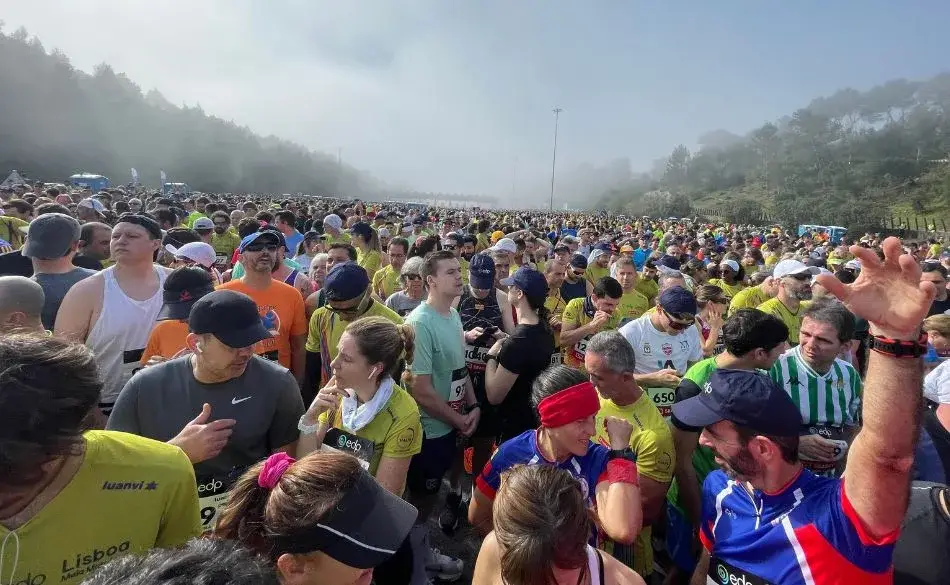

How the Best Marathons in Asia Compare for Speed Support and Conditions
When you line up the best marathons in Asia side by side, the differences become clearer than they first appear. On the surface, many races look similar. They are well organised, run through major cities, and attract international runners. The real differences show up in how courses behave late in the race, how conditions affect pacing, and how much support you receive when fatigue sets in.
For international runners, this comparison matters. Choosing a marathon that fits your strengths can make the experience far more enjoyable. A flat course with mild weather suits runners chasing rhythm. A warmer race rewards patience and preparation. More challenging profiles demand respect rather than ambition.
First time finishers often benefit from structure and predictability. Experienced runners may prefer courses that test discipline or mental resilience. Looking at these races together helps you decide where your training, mindset, and expectations will align best.
👉 Swipe to view full table
| Marathon | Course Profile | Typical Conditions | PB Potential | Crowd Support | Best Suited For |
|---|---|---|---|---|---|
| Tokyo Marathon | Wide roads, gentle rolling terrain | Cool to mild, potential wind | High in good conditions | Consistent and respectful | Runners seeking precision and execution |
| Seoul Marathon | Runnable, steady city course | Cool spring temperatures | High with smart pacing | Moderate, focused | Performance-focused international runners |
| Taipei Marathon | Flat, flowing riverside sections | Cool to mild, variable humidity | High in favourable weather | Calm and understated | Runners who value rhythm and focus |
| Osaka Marathon | Mostly flat urban course | Cool to mild winter conditions | Moderate | Steady but manageable | First time finishers and steady runners |
| Singapore Marathon | Flat city streets | Warm and humid | Low | Strong volunteer support | Disciplined runners focused on execution |
| Hong Kong Marathon | Hilly with bridges and flyovers | Mild to warm, exposed sections | Low to moderate | Variable, location dependent | Experienced runners seeking challenge |
| Bangkok Marathon | Flat urban course | Hot and humid | Low | Strong near key areas | Heat-adapted and patient runners |
| Kuala Lumpur Marathon | Rolling terrain with flyovers | Warm and humid | Low | Mixed throughout the course | Runners who enjoy demanding courses |
This comparison is not about ranking one race above another. It is about matching the marathon to your strengths, your preparation, and the experience you want to take away from race day.

Choosing the Right Asian Marathon for Your Goals
The best marathons in Asia are not defined by a single feature. They differ in climate, terrain, crowd energy, and how much they reward discipline versus aggression. What matters most is how well the race fits you, your experience level, and what you want to get out of the day.
If you are an international runner racing in Asia for the first time, organisation and predictability usually matter more than scenery. Races like Tokyo, Seoul, and Osaka reduce friction before race day and let you focus on pacing and execution. That mental ease often leads to better outcomes, especially when nerves are high.
For first time finishers, structure and forgiveness matter. Flat or gently rolling courses with consistent support make it easier to manage effort and avoid early mistakes. Singapore and Osaka reward patience and preparation, even if they are not the fastest options on paper. If you are still deciding whether Asia is the right place to start, our guide to the best marathons in the world for beginners compares races globally to help you understand what truly makes a first marathon feel manageable.
More experienced runners may look for a different challenge. Hong Kong and Kuala Lumpur test resilience, pacing judgement, and mental focus. These races are not about chasing numbers. They are about earning the finish through smart decisions when conditions are less forgiving.
From a coaching perspective, the most successful marathon experiences happen when expectations align with reality. Runners who choose races based on honest self-assessment, rather than reputation alone, tend to finish stronger and feel more satisfied regardless of the clock.
Asia offers a marathon for nearly every type of runner. Whether you want precision, rhythm, discipline, or challenge, the region provides options that rival any part of the world. The key is choosing the race that lets you run your best version of the marathon, not someone else’s.
If you’re building toward one of the best marathons in Asia and want a clear, structured build-up, our 16 week marathon training plan outlines how to balance mileage, pacing, and recovery so you arrive at race day prepared rather than guessing.