Why Post-Ride Recovery Drinks Matter
After cycling, your body is in repair mode. Muscles have been pushed, glycogen (stored energy) is low, and sweat has taken away vital electrolytes. If you skip this window, recovery slows, leaving you tired and heavy-legged the next day. That’s why choosing the best post workout drink for cyclists is such a game changer.
Think of your body like a sponge after a ride. It’s ready to soak up whatever fuel you give it. A well-chosen recovery drink quickly delivers the carbs, protein, and fluids your body craves. Carbohydrates refill energy stores, protein helps repair muscle fibers, and electrolytes keep your system balanced.
I often tell riders I coach that this 30–45 minute window after cycling is like striking gold. Miss it, and your next training session may feel harder than it should. Hit it with the right mix, and you’ll bounce back fresher, with legs that feel alive instead of drained.
So what exactly makes a good post-ride drink? It should tick three boxes:
- Replenish glycogen: Carbohydrates replace the energy you burned.
- Repair muscles: Protein provides the building blocks for muscle recovery.
- Rehydrate properly: Fluids and electrolytes restore what sweat has taken away.
Cyclists often underestimate hydration. Even a 2% fluid loss can drop your power output and delay recovery. That’s why pairing water with electrolytes is just as important as protein or carbs.
Here’s the encouraging part: you don’t need expensive formulas to meet these needs. Simple drinks (from chocolate milk to homemade smoothies) can be incredibly effective. The key is balance. The right ratio of carbs to protein (around 3:1) combined with proper hydration helps your body reset and recharge.
Recovery isn’t about perfection; it’s about consistency. A thoughtful drink after each ride builds the foundation for better training and stronger results.
Choosing the best post workout drink is only one part of recovery. With our Cycling Coaching program, you’ll also learn how to fuel smarter, recover better, and train with purpose guided every step of the way by experienced coaches.
- Personalized nutrition advice: Learn how to match recovery drinks with your training goals.
- Tailored training plans: Structured rides designed to balance effort and recovery.
- Expert feedback: Guidance from coaches who understand cycling performance and recovery science.
- Consistency support: Stay accountable and build long-term progress without burnout.
Recovery fuels your next ride. Coaching ensures every ride moves you closer to your goals.
Explore Cycling Coaching →

Top Natural Recovery Drinks for Cyclists
When riders ask me what the best post workout drink for cyclists is, I often remind them that nature already provides some of the best options. You don’t always need to reach for a supplement. Many everyday drinks cover carbs, protein, and hydration in a simple, effective way.
Here are some powerful choices:
- Chocolate Milk
This classic is popular for good reason. It has the ideal carb-to-protein ratio (around 3:1) and tastes like a treat after a long ride. The mix of sugars and protein helps restore energy while supporting muscle repair. - Homemade Smoothie
Blend bananas, berries, spinach, yogurt, and milk or a plant-based alternative. It’s customizable, packed with antioxidants, and naturally replenishes glycogen. Adding a scoop of protein powder can give it an extra boost if needed. - Coconut Water
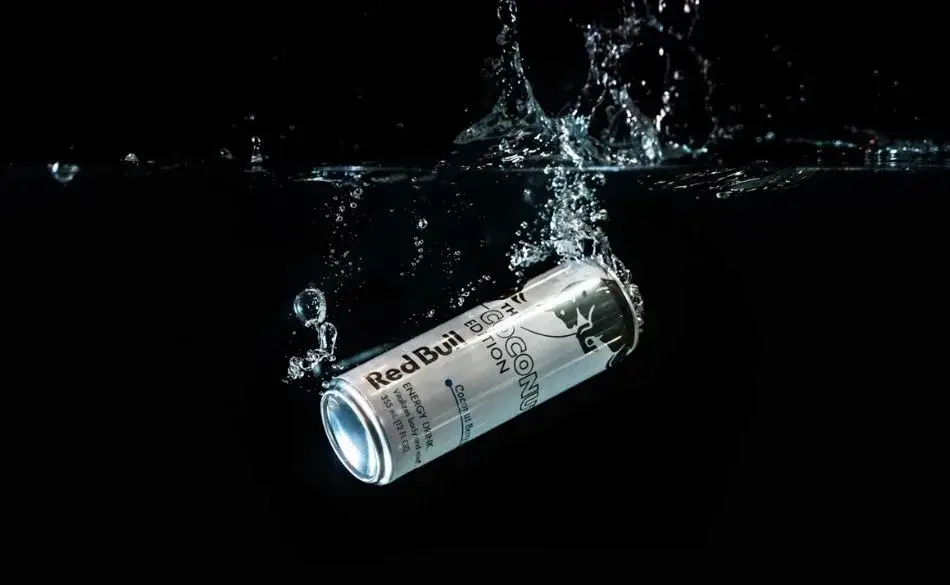
Known as nature’s sports drink, it’s loaded with potassium and electrolytes. On hot days when sweat loss is higher, coconut water helps replace what you’ve lost without heavy calories. - Fruit Juice + Protein
Pairing orange juice with a scoop of whey or plant protein offers quick carbs and repair fuel. This combo is also refreshing and easy on the stomach. - Water with Electrolyte Tablets
Sometimes simplicity is best. If your ride was short, water with electrolytes can be enough to cover your needs until your next meal.
Many of my athletes find that alternating between these options keeps recovery interesting and sustainable. One rider I coach swears by chocolate milk after every long weekend ride. He says it not only helps his legs bounce back but also gives him something to look forward to. That mental lift counts just as much as the physical recovery.
The main takeaway? Stick with drinks that are easy to digest, enjoyable, and balanced. The more consistent you are, the more your body will thank you in training and racing.


What’s the Right Mix After Your Ride?
Let’s be honest, recovery feels confusing when every label shouts a different promise. Here’s the thing about post-ride drinks: your needs change with the ride. A short spin doesn’t need the same fuel as a hot, hilly epic. The best post workout drink for cyclists matches your sweat loss, effort, and time on the bike.
Start simple. Aim for quick carbs to refill energy, a modest hit of protein to repair muscle, and enough sodium to bring fluids back into your cells. Think of it like fixing a flat: carbs are the tube, protein is the patch, and sodium is the pump that seats the tire.
How much should you target? Use this as your baseline within the first 30–45 minutes after finishing. Adjust up a little if you’re a heavy sweater or if the day is very hot.
To explore how cold water immersion or plunges can also help your body recover, have a look at this resource: Plunge Recovery for Runners, Cyclists, Triathletes.
👉 Swipe to view full table
| Ride Type | Carbs (g) | Protein (g) | Sodium (mg) | Fluid (ml) | Example Drink |
|---|---|---|---|---|---|
| Easy < 60 min | 20–30 | 10–15 | 300–400 | 400–600 | Milk + banana, or whey in water + electrolytes |
| Moderate 60–90 min | 30–50 | 15–20 | 400–600 | 500–750 | Chocolate milk, or juice + protein + salt pinch |
| Long 2–3 hrs | 50–80 | 20–30 | 600–800 | 700–1000 | Smoothie (fruit + yogurt) + electrolyte tablet |
| Hot/Humid Days | 40–70 | 15–25 | 800–1200 | 700–1000 | Electrolyte drink + protein shake (separate) |
Two quick tips. First, if your stomach feels off, split your intake: half right away, half 20 minutes later. Second, if you crave something salty, listen to it. That’s your body asking for sodium.
Ask yourself: did today’s ride leave you drained or just thirsty? Pick the row that fits and you’ll recover faster, feel steadier, and be ready to ride again tomorrow.
If you’re interested in contrasting temperature-based recovery methods, check out this detailed comparison: Recovery: Ice Bath vs Sauna Benefits.
The best post workout drink for cyclists sets the stage for recovery, but your long-term progress comes from smart training. Our Cycling Training Plans are built to balance effort and recovery, helping you ride stronger, recover faster, and see real improvements on the bike.
- Structured sessions: Workouts designed to match recovery needs and training goals.
- Performance gains: Build endurance, speed, and climbing ability with proven methods.
- Flexible options: Plans for beginners, road cyclists, and endurance athletes.
- Expert design: Created by coaches who understand cycling performance and recovery science.
Recovery fuels your progress. Structured training plans make sure that progress never goes to waste.
Explore Cycling Plans →
Simple Homemade Recovery Drinks That Work
Not every cyclist wants to spend money on store-bought recovery powders. The truth is, some of the most effective post-ride drinks can be made in your own kitchen. When you prepare it yourself, you know exactly what’s inside, and you can adjust to your taste or dietary needs.
Here are some simple mixes that cover carbs, protein, and hydration without breaking the bank:
- Banana & Yogurt Smoothie
Blend one banana, half a cup of Greek yogurt, a drizzle of honey, and a cup of milk (or soy milk). This combo gives about 40 g of carbs and 15–20 g of protein. - Chocolate Protein Shake
Mix one scoop of whey protein with low-fat milk and a teaspoon of cocoa powder. The carbs from the milk and protein from the powder hit the recovery sweet spot. - Oat & Berry Shake
Blend oats, frozen berries, almond butter, and water. It’s rich in antioxidants, complex carbs, and provides long-lasting recovery fuel. - Orange Juice + Salt Pinch + Protein Powder
A quick mix when you’re in a rush. The juice refills glycogen, the salt adds electrolytes, and the protein takes care of muscle repair. - Coconut Water + Greek Yogurt
Coconut water provides hydration and potassium, while yogurt boosts protein. Perfect for hot days when sweat loss is high.
One of my athletes used to struggle with stomach discomfort after using commercial mixes. We experimented with homemade shakes, and now his go-to is a simple banana and yogurt smoothie. He says not only does he feel stronger the next day, but it also saves him money and avoids unnecessary additives.
The key with homemade recovery drinks is balance. Aim for about 3 parts carbs to 1 part protein, and always include some fluid. Once you find a recipe you enjoy, you’ll actually look forward to recovery time.

Are Store-Bought Recovery Drinks Worth It?
Let’s be honest, not every bottle on the shelf is magic. Some are great. Some are just sweet water with a shiny label. The right choice depends on your ride, your gut, and your budget.
Here’s a quick way to think about it. Your post-ride drink should cover carbs, protein, and electrolytes in a simple mix. If a product nails those, it’s useful. If it doesn’t, keep walking. The best post workout drink for cyclists is the one you’ll use often and tolerate well.
👉 Swipe to view full table
| Option | Carbs (per serve) | Protein (per serve) | Sodium (per serve) | Pros | Watch-outs |
|---|---|---|---|---|---|
| Whey protein + sports drink | 30–60 g | 20–25 g | 300–600 mg | Easy, proven, scalable | Can be sweet; check additives |
| Ready-to-drink “recovery” bottle | 30–50 g | 15–20 g | 400–800 mg | Grab-and-go, balanced | Pricey; small serving sizes |
| Chocolate milk (low-fat) | 25–35 g | 8–12 g | 150–250 mg | Tasty, affordable, 3:1 ratio | Lower sodium; lactose for some |
| Plant-based shake (soy/pea) | 25–45 g | 20–25 g | 200–400 mg | Dairy-free, solid protein | Texture and flavor vary |
| Electrolyte drink + protein shot | 20–40 g | 15–20 g | 600–1000 mg | Great in hot weather | Two items to carry |
Two smart rules help you avoid buyer’s remorse. First, scan labels for total carbs plus at least 15 g of protein per serve. Second, look for real sodium numbers, not just “electrolytes.” Numbers matter when you sweat hard.
Ask yourself one simple question before you buy. Will you drink this three times a week after rides? If the answer is yes, the habit you build will do more for recovery than chasing a perfect formula.
Trends come and go, but consistency wins. Mix your own at home when you can. Keep a couple of ready-to-drink backups in your car or kit bag. When you match the product to your needs, you’ll recover faster and feel ready to ride again tomorrow.
Matching Recovery Drinks to Your Cycling Goals
Not every cyclist has the same needs. The best post workout drink for cyclists depends on your body, your rides, and your goals. A racer chasing watts in a criterium has very different recovery demands than someone cycling for weight loss or weekend endurance.
Here’s how to match your drink to your situation:
- For endurance riders: Long rides burn through glycogen. Go heavier on carbs (60–80 g) and include at least 20 g protein. Smoothies with oats, banana, and yogurt hit the mark.
- For weight-conscious cyclists: Keep calories balanced. Focus on protein (20–25 g) with moderate carbs (30–40 g) and water with electrolytes. A simple protein shake with fruit works.
- For hot-weather riders: Prioritize fluids and sodium. Aim for 700–1000 ml fluid and 800+ mg sodium. Coconut water mixed with added salt or an electrolyte tablet paired with protein is a smart pick.
- For strength-focused cyclists: If you’re mixing gym sessions with cycling, lean on protein-rich drinks. A whey or plant-based shake with carbs on the side (like juice or fruit) works well.
One athlete I coach trains in Queensland’s humidity. He often finished rides sluggish and couldn’t hold steady power the next day. We discovered his sodium loss was the issue. By switching to an electrolyte-heavy recovery drink paired with 20 g protein, his energy stabilized, and he recovered much faster. It wasn’t about more carbs or fancy supplements, it was about matching his drink to his sweat rate.
The takeaway? Don’t overthink it, but don’t copy everyone else either. Your recovery drink should reflect the type of ride you’ve done and your long-term goals. When you listen to your body and adjust the mix, you’ll recover smarter, ride stronger, and avoid the frustrating cycle of fatigue.
Choosing the best post workout drink helps you bounce back, but pairing smart recovery with structured training is how you reach new levels. Our Cycling Threshold Training Plan is designed to raise sustained power, sharpen pacing, and teach your body to recover efficiently between hard efforts.
- Targeted sessions: Workouts focused on building threshold power and resilience.
- Endurance building: Longer rides that support both aerobic fitness and recovery capacity.
- Smart recovery: Balanced training days that align perfectly with recovery drink strategies.
- Expert guidance: Coach-designed plans proven to boost cycling performance.
Recovery drinks fuel your body. Structured training plans turn that fuel into performance gains.
Explore Threshold Plan →
Timing Your Recovery Drink for Maximum Benefit
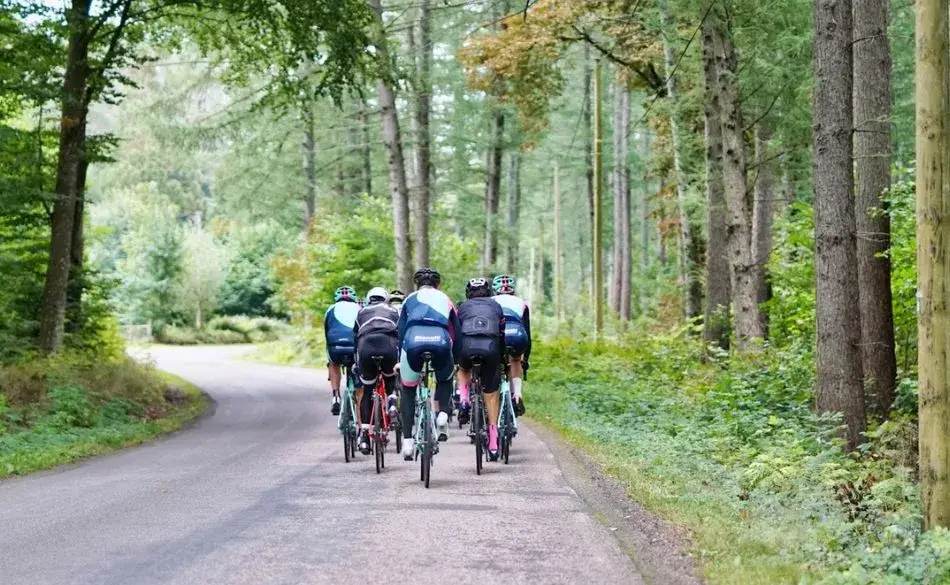
Recovery isn’t just about what you drink, it’s also about when. The your post workout drink works best if you take advantage of the “golden window.” That’s the first 30–45 minutes after your ride when your muscles are most ready to absorb nutrients.
Think of your body like a dry sponge after training. It soaks up carbs and protein quickly during this window, speeding up glycogen replacement and muscle repair. Wait too long, and absorption slows. You’ll still recover, but not as efficiently.
Here’s a practical approach:
- Within 15 minutes: Get fluids in. Start with water or an electrolyte mix, especially if it was hot or you sweated heavily.
- Within 30–45 minutes: Have your recovery drink with carbs and protein. This sets your body up for faster repair.
- Within 2 hours: Follow up with a balanced meal containing protein, carbs, and vegetables.
I’ve seen athletes cut their soreness in half simply by shifting when they fuel. One rider I worked with used to wait an hour or two before eating after long rides. By drinking a smoothie within 20 minutes instead, his recovery improved so much that he felt fresher during back-to-back training days.
Don’t stress if you can’t always hit the exact timing. Life happens, and sometimes you finish a ride at work, on the commute, or without kitchen access. That’s why having a backup (like a ready-to-drink shake in your bag or car) makes sticking to the timing easier.
If you’re returning to training after time off, this step-by-step guide will help you ease back in safely: How to Get Back Into Exercise.
Common Mistakes Cyclists Make with Recovery Drinks
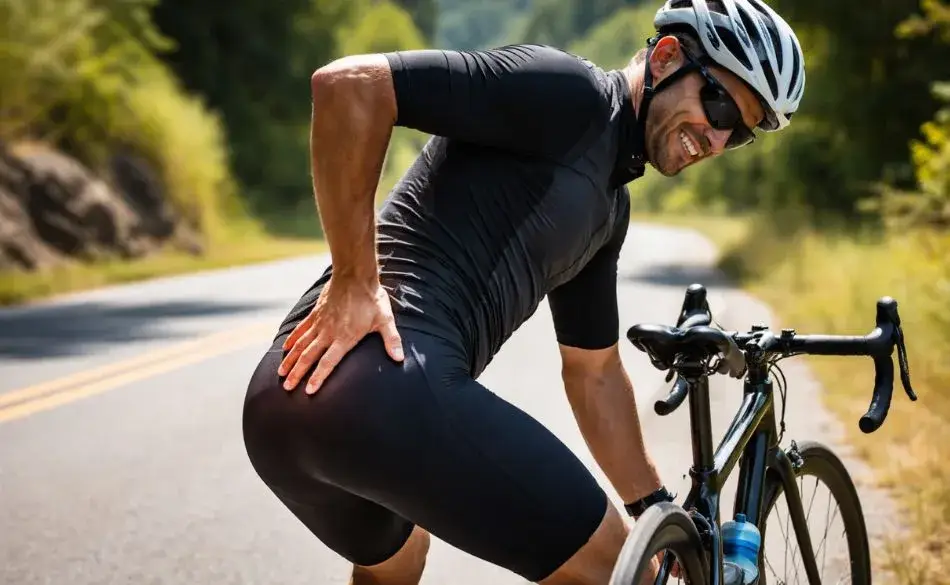
Even the best intentions can backfire if you fall into common traps. Your post workout drink after cycling is only effective when used smartly. Here are mistakes I see most often:
- Relying only on water: Hydration matters, but water alone won’t replace carbs, protein, or sodium. You’ll feel flat the next day.
- Overloading on protein: More isn’t always better. Once you hit 25 g of protein, your muscles can’t use much more. The extra often just gets wasted.
- Forgetting sodium: Sweat doesn’t just lose fluid, it loses salt. Skip sodium, and you risk headaches, cramps, or poor recovery.
- Using drinks as meal replacements too often: Recovery drinks are supplements, not full meals. They should support a balanced diet, not replace it entirely.
- Buying into hype: Fancy labels don’t always equal better results. Always check the nutrition panel before the marketing claims.
Recovery drinks should make life easier, not complicated. That’s why I encourage riders to keep their choices simple and repeatable. Chocolate milk, smoothies, or a protein shake with electrolytes are proven, cost-effective, and easy to stick with.
Another mistake I’ve seen is skipping recovery altogether after shorter rides. Even 60–90 minutes can take a toll, especially if you’re riding most days. A light recovery drink, even if it’s just fruit juice with protein, can make the difference between steady progress and hitting a wall midweek.
Avoiding these traps keeps your recovery routine sustainable. You’ll spend less money, waste less time, and actually feel the difference in your legs and energy.
If you want to separate useful supplements from marketing noise, this guide is helpful: Supplements for Endurance.
Conclusion: Build Your Recovery Habit One Ride at a Time
Cycling pushes your body in incredible ways. But the real gains happen in recovery, not just in the saddle. Choosing the best post workout drink for cyclists doesn’t have to be complicated. It comes down to covering three simple needs: replenish carbs, repair muscle, and rehydrate with electrolytes and fluids.
The drinks we’ve looked at (from homemade smoothies to chocolate milk to balanced store-bought mixes) all share one thing in common: they help your body bounce back. Consistency is the real secret. A single recovery drink won’t change your fitness, but making it a regular part of your routine will.
If you’re new to recovery nutrition, start small. Pick one option you enjoy and stick with it after your rides. Notice how your legs feel the next day. Do you wake up fresher, or does fatigue linger? Let your body guide you. Over time, you’ll refine what works best for your training load, weather conditions, and personal goals.
Recovery is also mental. For many cyclists, that cold glass of chocolate milk or smoothie becomes a reward at the end of a tough ride. It’s a signal to relax, refuel, and reset. When recovery feels good, you’ll look forward to it and that makes it easier to stay consistent.
So the next time you roll into your driveway, ask yourself: what’s my body asking for right now? Is it carbs, protein, fluids, or all three? Listen closely, choose wisely, and build a habit that keeps you strong, energized, and ready for the next adventure on two wheels.
Because the best recovery drink isn’t the trendiest or the most expensive. It’s the one that helps you feel ready to ride again tomorrow.