Does Cycling Train the Same Muscles as Leg Day
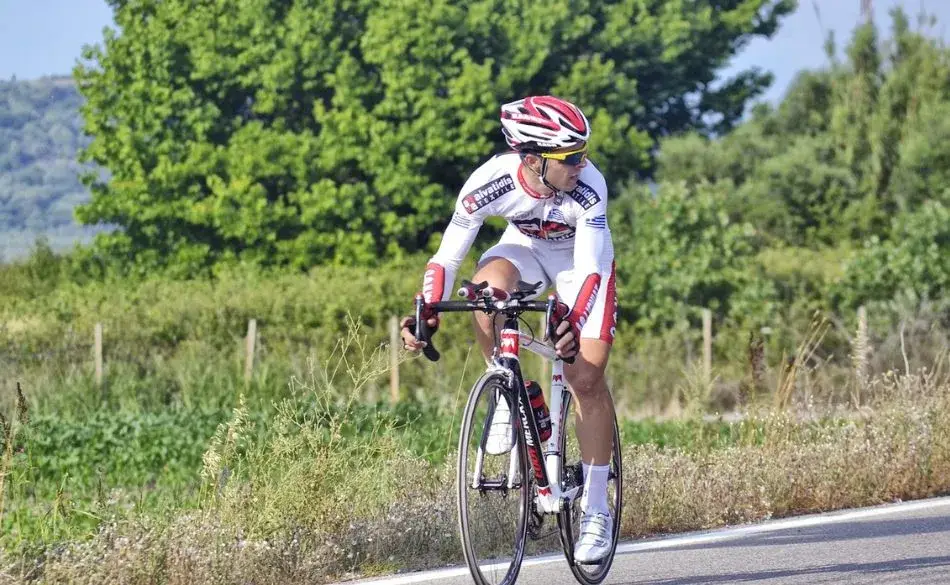
Cycling works many of the same muscles you train on a classic leg day, but it uses them in a different way. When you ride, especially on hills or at lower cadences, you rely heavily on your quads, glutes, hamstrings, and calves. These are the same large muscles you use during squats, lunges, and step-ups. So it makes sense to ask does cycling work the same muscles as leg day and whether the overlap is strong enough to replace gym work.
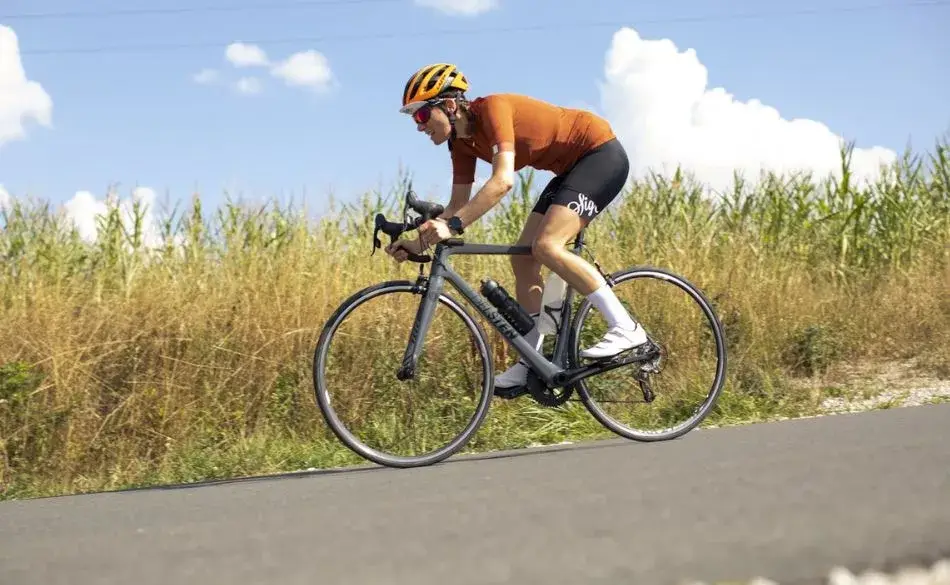
During the downstroke, your quads drive most of the power. Your glutes fire as you push over the top of the pedal. Your hamstrings help pull through the final part of the stroke, and your calves stabilise the ankle. These muscles work nonstop on long rides, which is why you often finish a climb with burning legs and shaking quads.
But here’s where cycling and leg day start to look different. Cycling trains these muscles through thousands of light repetitions. Strength training uses fewer reps and higher force. One builds endurance. The other builds maximum strength and size. This is why you rarely see cyclists develop the same muscle mass as heavy lifters, even though both groups train the same muscle groups.
Still, cycling can make your legs stronger. Low-cadence hill efforts add tension to each stroke, which helps build force. Beginners often notice quick gains and feel stronger within weeks because their legs adapt fast. This is where the idea of does cycling make your legs stronger becomes true, especially for riders who haven’t done much leg work before.
To put it simply, cycling hits the same muscles but not the same way. If you want endurance, stability, and cycling power, it covers a huge part of your needs. If you want maximum strength or size, you’ll still need classic leg day work to hit those higher force ranges.

Is Cycling Enough To Maintain Leg Strength
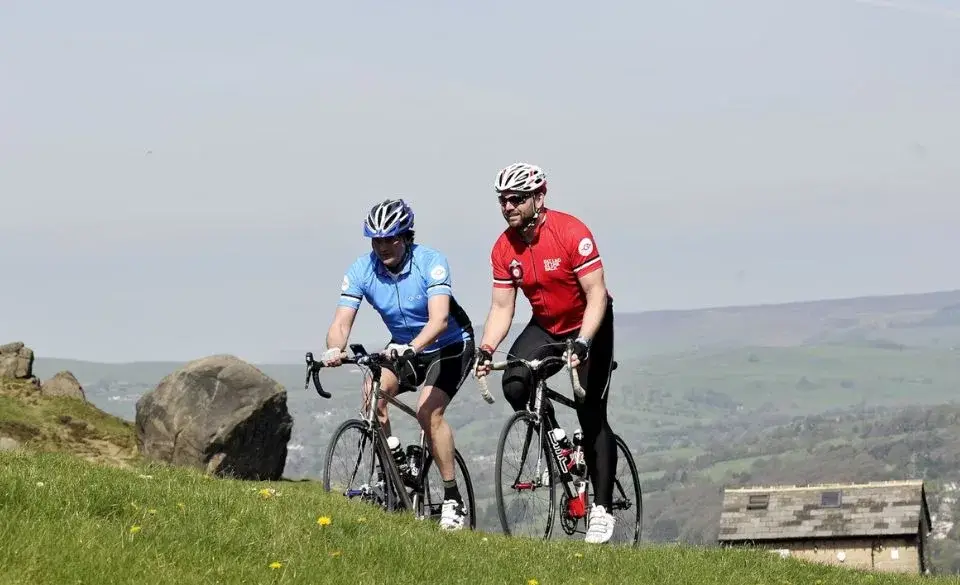
If you already have decent leg strength from the gym, you might wonder if riding alone can keep it. It’s a fair question. Many riders hope that cycling is enough to maintain leg strength so they don’t “have to” do squats and deadlifts as well. The answer depends on how strong you are now and what kind of riding you do.
If you’re a beginner or coming back from a long break, cycling can do a lot. Regular rides, with hills and harder efforts, can act almost like light strength training. In this case, can cycling replace leg workouts for a while? For many people, yes. Your legs will get stronger, your joints will feel more stable, and day-to-day tasks will feel easier.
But if you already lift heavy or play a power sport, the story changes. Cycling does not load your muscles in the same way as a barbell. The force in each pedal stroke is much lower than a heavy squat. Over time, if you stop lifting completely, you’ll likely keep good endurance but slowly lose top-end strength and power.
A useful way to look at it is this. Cycling is great for keeping your legs “ready” for movement. It maintains coordination, blood flow, and muscular endurance. To hold on to high levels of strength, though, you usually need at least a small dose of direct leg work. That might be just one short session a week.
Here are signs cycling alone might be enough for your goals:
- You care more about long rides than heavy lifts.
- You just want to feel strong in daily life, not chase max numbers.
- You ride hills or do some hard intervals each week.
If you tick those boxes, cycling may cover most of your needs. If you want explosive power or serious muscle, you’ll get better results by keeping some form of leg day in your plan.
If you’re just starting out and wondering how to blend riding and gym work, this cycling and weight training for beginners article explains how to combine both effectively.
If you feel unsure about how to balance riding with strength work, our Cycling Coaching Plan gives you personalised sessions built around your goals, your lifestyle, and how your body responds to training each week.
With steady support, regular adjustments, and clear weekly structure, you can train with confidence knowing every ride has a purpose—and you’re building stronger, more capable legs without wasting time or energy.
View Cycling Coaching

Can Cycling Build Real Leg Muscle Or Just Endurance
Many riders worry that cycling only builds “skinny endurance legs” and not real strength. You might feel powerful on climbs, but still wonder if you’re actually building muscle or just getting better at spinning the pedals. It’s a fair concern, especially if you’ve spent time in the gym before.
Cycling can build some muscle, especially if you’re new to training. When you start riding regularly, your quads and glutes adapt fast. Hills, headwinds, and low-cadence efforts put decent stress on your legs. For a while, this can feel like you’re getting the same effect as leg day.
But there’s a limit. Without heavy resistance, your muscles stop getting a strong enough signal to grow bigger or much stronger. Your body becomes efficient instead of muscular. This is why most serious riders who want both performance and muscle size still keep some strength work in their week.
You can think of it like tools in a toolbox. Cycling is your endurance and power tool. Strength training is your max-force and muscle-shaping tool. Use both, and you cover almost everything.
Here’s where riding helps most with cycling instead of leg day benefits:
- It’s easy on your joints compared to heavy lifting or running.
- It trains your heart, lungs, and legs at the same time.
- It builds mental toughness on long climbs and hard intervals.
- It fits nicely into busy weeks because you can commute and train together.
So can cycling build some leg muscle? Yes, especially at the start. Can it replace all heavy lower-body strength work forever? Not if you want the strongest, most powerful version of your legs. For that, a small amount of smart leg training still makes a real difference.
To see exactly what cycling does to your legs in terms of muscle, endurance and tone, check out this what cycling does to your legs overview that breaks it down simply.


How Does Cycling Really Compare To Leg Day
It’s one thing to say cycling and leg day feel different. It’s another to see what actually changes in your body. If you’ve ever wondered whether can cycling replace leg workouts in a practical way, it helps to compare them side by side. Strength, endurance, joint health, and time all matter when you decide where to put your effort.
Cycling gives you long, smooth muscle work. Your heart and lungs work hard. Your legs stay under tension for minutes or hours, especially on hills. Leg day in the gym is short and sharp. You use fewer reps, but much higher force. That is why heavy squats or lunges leave you sore in a deep, heavy way that a normal ride often doesn’t match.
Both are useful. Cycling is brilliant for building endurance and on-bike power. Leg day is better for maximum force and muscle size. When you mix them, you often get the best of both worlds. You feel stable on the bike. You push harder on climbs. You also stay more resilient as you age, because your muscles and bones keep more strength.
Look at this comparison and think about what matters most for your own goals. Do you want all-round strength and health, or mainly cycling performance? The table below will help you see where each option shines and where it falls short.
👉 Swipe to view full table
| Category | Cycling Only | Cycling Plus Leg Day |
|---|---|---|
| Strength & Power | Builds good leg endurance and moderate strength, especially for beginners, but limited maximum power gains. | Improves endurance and also boosts peak force, acceleration, and sprint power on and off the bike. |
| Muscle Size & Definition | Leads to lean, efficient legs with small to moderate muscle gains over time. | Supports greater muscle size and shape while still keeping legs functional for riding. |
| Joint & Tendon Stress | Low impact on joints, ideal for people managing knee or hip issues. | Slightly higher joint and tendon load but stronger tissues and better long-term resilience if progressed well. |
| Endurance & Fitness | Excellent for aerobic fitness, long-ride stamina, and cardiovascular health. | Matches aerobic fitness while also improving overall strength for daily tasks and sport. |
| Time Efficiency | Great if you combine commuting and training but may need long rides for big gains. | Short strength sessions add impact in little time and reduce the need for very long rides. |
| Best For | Riders focused mainly on cycling performance, comfort, and low-impact training. | Riders who want strong, powerful legs for cycling, daily life, and long-term health. |
If you’re mostly chasing cycling performance and general strength, cycling alone might be enough for now. If you want extra power, muscle, and long-term protection as you age, adding even a small leg day gives you a clear edge.


When Cycling Can Replace Leg Day For Your Goals
There are times when cycling really can cover most of what you’d normally get from leg day. It depends on your goals, your training history, and how hard you ride. Some riders don’t need heavy squats to feel strong. Others notice big drops in power or stability if they stop lifting. Understanding where you fit helps you decide what matters most for your body.
Cycling can replace leg day for beginners. When you’re new, almost any consistent leg work increases strength and stability. Your body responds quickly because it hasn’t adapted yet. Riding hills, pushing into headwinds, and riding at lower cadences all give your legs a solid challenge. This is why early improvements often feel dramatic.
Cycling can also replace leg day if your goal is endurance or general fitness. If you want to complete long rides, feel comfortable on climbs, and improve your aerobic strength, cycling covers most of the work you need. In this case, is cycling enough to maintain leg strength becomes a yes for many people.
But cycling can’t fully replace leg day for everyone. If you want powerful sprints, bigger muscle size, or maximum strength, you still need some form of strength work. These goals rely on higher muscle tension than cycling can produce. A short 20–30 minute session once a week is usually enough to maintain your strength while you focus on riding.
You might also skip leg day if you’re managing joint issues. Cycling is smooth and low impact. It strengthens your legs without the heavy compressive forces of squats and running. This helps many people maintain strength comfortably while avoiding flare-ups.
Here are situations where cycling alone often works well:
- You mainly ride for endurance and long-distance fitness.
- You’re a beginner or returning to training after a break.
- You just want stronger legs for daily life, not heavy lifting.
- You ride hills consistently and challenge your legs weekly.
If you’re looking for simple ways to build extra leg strength at home, this guide to exercise equipment for legs can help you choose tools that support your riding without adding complicated gym work.


How One Rider Used Cycling Instead Of Leg Day And Got Stronger
Sometimes the best way to answer “can cycling replace leg workouts” is to look at a real rider. One of my coaching clients, Matt, came to me after years of lifting heavy in the gym. He loved squats but hated how sore they made him for rides. He asked a simple question. Could he drop leg day and still feel strong on the bike?
We made a plan. For twelve weeks, he stopped heavy leg training. Instead, we used three focused rides each week. One was a hill repeat session at low cadence. One was a longer endurance ride with rolling climbs. The third was a short, hard interval session where he really had to push. Matt was nervous at first, but he trusted the process.
The first few weeks, he felt a small drop in his “gym strength.” His legs didn’t feel as solid under a barbell. But his riding told a different story. His climb times improved. His ability to surge over short hills got better. Most of all, his legs didn’t feel as beaten up day to day.
We did notice limits. When he tried a strength test back in the gym, his max squat was lower. That’s the trade-off. He gained better cycling performance but lost some pure lifting strength. The key lesson was this. Your answer depends on what strength really means to you.
If your main goal is riding faster, feeling strong on climbs, and keeping your joints happy, cycling can do most of the heavy lifting. If you also want to keep big numbers in the gym, you’ll need at least a small amount of leg day alongside your riding.
Interested in how to ride after you’ve done a leg session? This cycling after a leg workout guide covers how to plan your next ride so you recover well and still build strength.
If you want a simple way to build solid leg strength without guessing how hard to ride each week, our Cycling Training Plans give you clear sessions that help you climb better, ride smoother, and feel more confident on tougher routes.
Each plan is built with balanced training load, structured progression, and focused efforts so you always know when to push and when to recover — a perfect fit if you want stronger legs without spending extra time in the gym.
Explore Cycling Plans
So Should You Skip Leg Day If You Cycle A Lot
Here’s the honest answer. There isn’t one rule that fits every rider. For some people, can cycling replace leg workouts is a clear yes. For others, it’s a solid no. The right choice depends on what strength means to you, how you like to train, and what kind of life you want your legs to support.
If your main goal is to ride further, climb better, and feel strong on the bike, cycling can do a huge amount of the work. Regular hills, low-cadence efforts, and smart intervals give your legs a strong, repeatable challenge. For many riders, cycling is enough to maintain leg strength for everyday life and endurance goals is absolutely true. You’ll feel solid on stairs, confident on long rides, and less beaten up than after heavy lifting.
But if you care about raw strength, sprint power, or muscle size, cycling alone has limits. It can’t match the force of a heavy squat or lunge. That doesn’t mean you need to live in the gym. Even one short leg session each week can top up what the bike can’t give you. Think of it as insurance for your body, not a punishment you “have to” do.
For beginners, don’t stress. You don’t need a perfect plan on day one. Start with cycling. Let your legs adapt. Later, if you notice weak spots (like struggling to stand out of the saddle or feeling wobbly on climbs) you can add a little strength work.
Ask yourself a few simple questions. Do you want legs that are mainly strong for riding, or strong for everything? Do you enjoy lifting, or does it feel like a chore? Are you happy with how your legs look and feel right now?
In the end, the best cycling instead of leg day benefits come when your training matches your real goals. Choose the mix that keeps you excited, consistent, and proud of what your legs can do every week.