







Find Your Next Cycling Race
Ready to put your training to the test? Here are some upcoming cycling events matched to this article.
 Coach Graeme
Last updated:
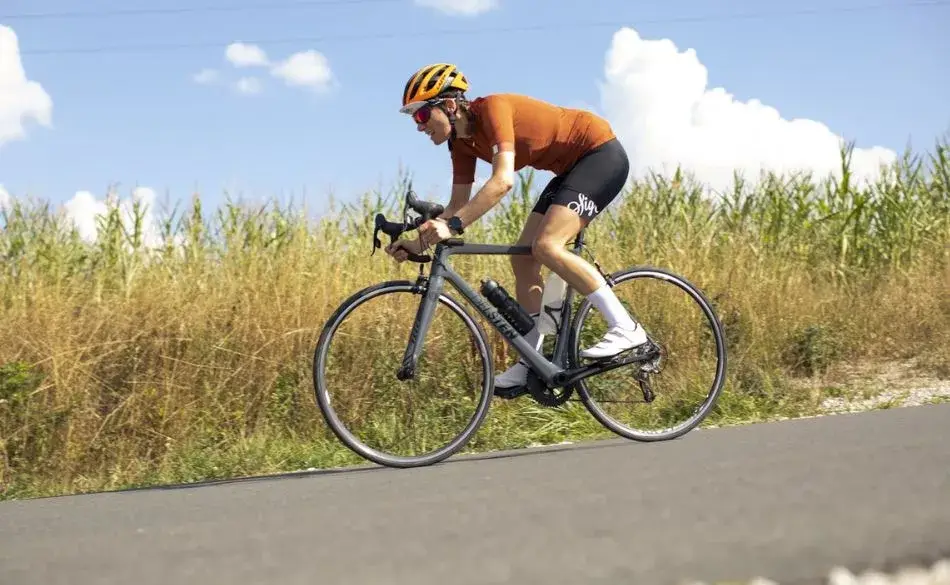
Whether you are commuting to work, grinding out weekend climbs, or spinning on a trainer, cycling is one of the most effective ways to develop your legs. The burning feeling in your quads on a long climb, the way your calves firm up after a few weeks of consistent riding, the gradual improvement in your ability to hold power — these are all signs of real physiological change happening in the muscles of your lower body. This guide breaks down exactly which leg muscles cycling targets, how they adapt over time, and what you need to do to maximise results from every ride.
Not sure where to start with training?
Tell us your goal and schedule, and we’ll give you clear direction.
No obligation. Quick, practical advice.
Explore our cycling advice and tips for more helpful articles and resources.
Each pedal stroke is a coordinated sequence involving multiple muscle groups across the entire lower body. Understanding which muscles are working — and when — helps you train smarter, identify weaknesses, and get more from every session.
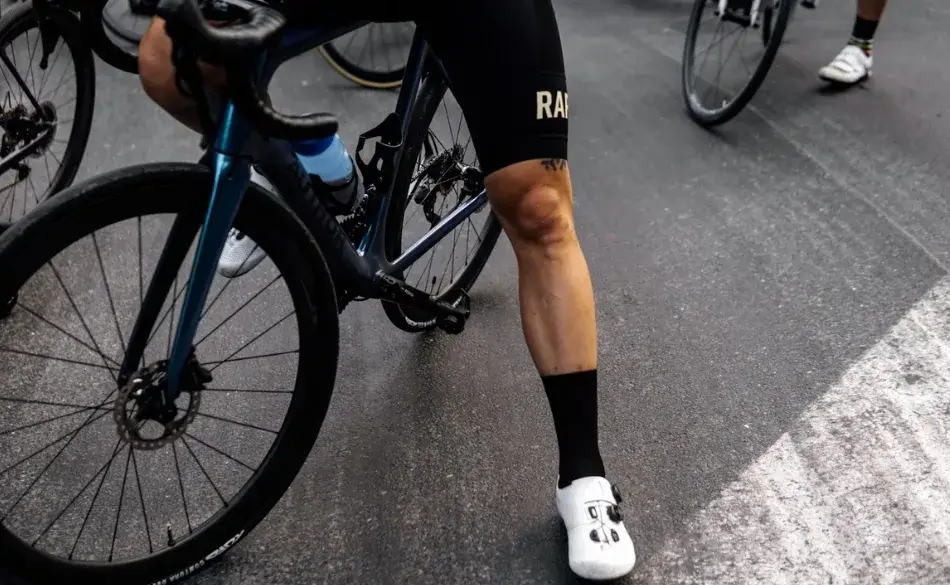
The quadriceps (rectus femoris, vastus lateralis, vastus medialis, vastus intermedius) are the dominant muscles in cycling. They generate the majority of force during the downstroke — the power phase from roughly the 12 o’clock position to 5 o’clock as you push the pedal down. In climb situations or during sprints, quad engagement increases substantially. Cyclists typically develop well-defined, powerful quads, and this is usually the first visual change people notice after starting regular riding. For more detail on quad anatomy and training, see our guide to tight quad muscles.
The hamstrings (biceps femoris, semimembranosus, semitendinosus) run along the back of the thigh and contribute primarily during the upstroke — pulling the pedal back up from the bottom of the stroke (roughly 6 o’clock to 12 o’clock). When using clipless pedals, cyclists can actively pull through this phase rather than relying purely on the opposite leg pushing down, which substantially increases hamstring activation. Even without actively pulling, the hamstrings work eccentrically to control knee extension and protect the joint from hyperextension during hard efforts.
The gluteus maximus is the largest muscle in the body and plays a critical role in generating cycling power, particularly on climbs and during out-of-saddle efforts. Engaging the glutes effectively requires correct saddle height and deliberate effort — many cyclists underuse their glutes by sitting too high or maintaining a passive posture. A slight forward lean and conscious glute activation during the drive phase unlocks significant additional power. Consistent cycling with good technique and adequate saddle height can lead to well-developed, firm glutes. See our dedicated guide on whether cycling tones your bum for more detail, and our guide on whether cycling builds glutes for an in-depth look at the research.
The gastrocnemius and soleus (the two calf muscles) act as a power transfer mechanism during cycling, smoothing out force delivery through the ankle and foot. They are most active at the bottom of the pedal stroke as the foot transitions from the downstroke to the upstroke. Calves typically gain improved definition and endurance from cycling, though significant hypertrophy (muscle size increase) is uncommon from cycling alone. For specific calf training to complement riding, see our guide to the best calf exercises for cyclists.
The hip flexors (primarily iliopsoas and rectus femoris) engage at the top of the pedal stroke to lift the knee and initiate the drive phase. Tight or weak hip flexors are a common cause of anterior knee pain and power loss in cyclists. The tibialis anterior (shin muscle) activates during the upstroke to dorsiflex the ankle. Both muscles benefit from cycling but are rarely the limiting factor unless there is a specific imbalance to address.
👉 Swipe to view full table
| Pedal Position | Phase | Primary Muscles Active | Secondary Muscles |
|---|---|---|---|
| 12 o'clock → 5 o'clock | Downstroke (power) | Quads, glutes | Hip flexors (initiating), calves |
| 5 o'clock → 7 o'clock | Bottom transition | Calves, hamstrings | Glutes, tibialis anterior |
| 7 o'clock → 11 o'clock | Upstroke (recovery) | Hamstrings, hip flexors | Calves, tibialis anterior |
| 11 o'clock → 12 o'clock | Top transition | Hip flexors, quads | Hamstrings |
The changes cycling produces in your legs depend on how long you have been riding, how frequently and intensely you train, and what you do off the bike. The adaptations follow a predictable progression from early endurance gains to longer-term strength and structural changes.
Weeks 1–3: Cardiovascular and neural adaptations. In the first few weeks, the most significant changes are not yet in the muscles themselves — they are in the cardiovascular system and nervous system. Your heart and lungs become more efficient at delivering oxygen, your neural pathways fire more cleanly, and your pedal stroke begins to feel more coordinated. Muscle soreness, particularly in the quads and calves, is common in this phase as the fibres adapt to the repetitive load.
Weeks 4–6: Tone and definition appear. By weeks four to six, most cyclists notice that their legs feel firmer and look more defined, particularly in the quads and calves. This is the result of increased capillarisation (more blood vessels supplying the muscle), glycogen storage improvements, and early slow-twitch fibre hypertrophy. Your legs begin to look leaner as cycling burns body fat while simultaneously building muscular density. This is the “toned” change most riders first notice.
Weeks 6–12: Strength and endurance gains consolidate. With consistent training, slow-twitch muscle fibres increase in size and mitochondrial density, improving both endurance capacity and the ability to sustain power output. Cyclists typically notice they can hold a harder gear for longer, climb with less perceived effort, and recover faster between efforts. Glute engagement improves as technique develops. For a structured approach to building this fitness, see our complete guide to a cycling fitness plan.
Beyond 12 weeks: Long-term structural adaptation. Over months to years of consistent cycling, the legs develop a distinctive lean, powerful appearance — defined quads, carved calves, firm glutes — without the bulk associated with heavy strength training. Bone density in the lower body improves, joint mobility is maintained, and the risk of age-related muscle loss (sarcopenia) is significantly reduced. Research confirms that regular cycling is associated with meaningful improvements in knee extension strength, balance, and functional lower-body performance, particularly in older adults.
This is one of the most common questions about cycling and the answer requires some nuance. Cycling does build leg muscle — but primarily slow-twitch (type I) muscle fibres, which are built for endurance and produce a lean, defined appearance rather than obvious bulk. Fast-twitch (type II) muscle fibres, which are responsible for larger muscle size and explosive strength, are recruited more heavily during sprints and high-intensity intervals but are less engaged during steady-state or moderate-effort riding.
The result is that consistent endurance cycling gives you legs that look athletic and defined — particularly in the quads, calves, and glutes — but not dramatically larger. If your goal is significant leg muscle hypertrophy (size increase), you will need to pair cycling with dedicated resistance training: squats, leg presses, lunges, and deadlifts. The good news is that cycling provides an excellent base of muscular endurance that makes strength training more effective. Our guide on whether cycling can replace leg day covers this in detail, and the strength and weight training for cyclists guide outlines the best way to combine both.
Muscle fibre type and rep equivalent: At a moderate cycling cadence of 90 rpm, a one-hour ride involves approximately 5,400 pedal revolutions per leg — the equivalent of over 5,000 bodyweight leg presses. This volume builds outstanding endurance in the slow-twitch fibres but does not provide the high mechanical tension needed to significantly grow fast-twitch fibres.
👉 Swipe to view full table
| Goal | Does Cycling Help? | Best Approach | Supplement With |
|---|---|---|---|
| Leg tone and definition | Yes — highly effective | 3–5 rides/week at moderate intensity | Diet, core work |
| Leg endurance | Yes — excellent | Long steady rides + intervals | Zone 2 base training |
| Leg strength (functional) | Yes — moderate | Climbs, big gear efforts, sprint intervals | Squats, lunges, leg press |
| Leg muscle size (hypertrophy) | Partially | High-intensity sprints, standing climbs | Heavy resistance training |
| Fat loss in legs | Yes — effective | Consistent riding + caloric deficit | Nutrition management |
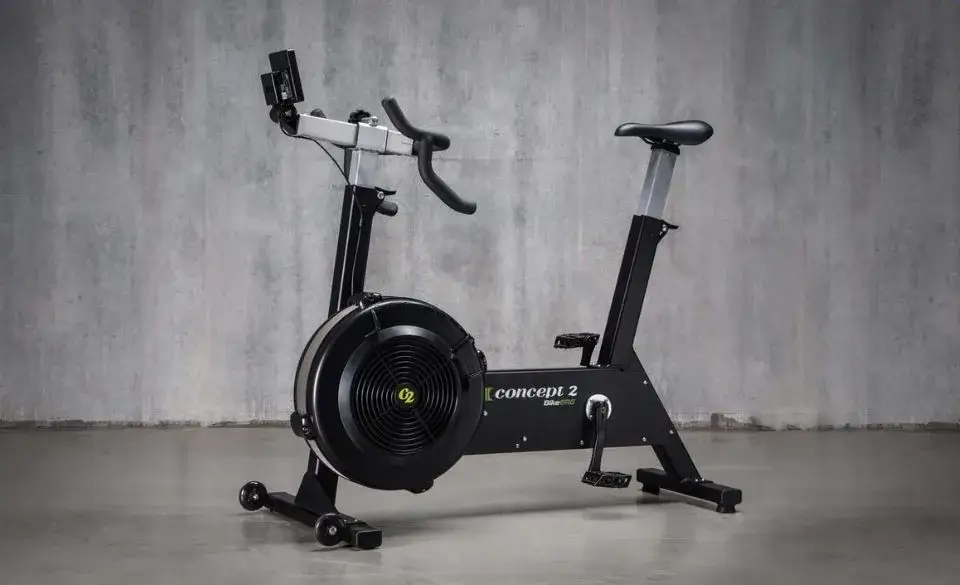
Optimise your saddle height. Saddle height is the single biggest factor determining how effectively your glutes and quads are loaded. Too low and the quads dominate; too high and you lose glute engagement and risk knee pain. The general guideline is a 25–35 degree bend at the knee at the bottom of the stroke. A proper bike fit is the most reliable way to get this right. See our guide to muscles used on a stationary bike for more on set-up and engagement.
Include climbing and big gear work. Flat-road riding at high cadence primarily trains endurance. To build strength and size in the quads and glutes, you need resistance — either from hills or from deliberately riding in a bigger gear at lower cadence (80 rpm or below). Out-of-saddle climbing recruits the glutes and calves far more intensely than seated spinning, making it one of the best leg-building tools in cycling.
Add sprint intervals. Short maximal sprints (8–20 seconds) at maximum effort recruit fast-twitch muscle fibres and provide the high mechanical tension needed for muscle growth and power development. Including 4–8 sprints per session once or twice a week significantly boosts the leg-building stimulus from cycling. Our best sprint workouts for cyclists guide covers structured sprint protocols.
Use clipless pedals. Clipless pedals allow you to pull through the upstroke, increasing hamstring and hip flexor activation. They also improve pedalling efficiency and reduce the dead-spot at top and bottom of the stroke, meaning more muscles stay engaged for more of every revolution.
Complement cycling with off-bike leg training. For any cyclist serious about leg development, resistance training is the most efficient supplement. Squats, Romanian deadlifts, single-leg lunges, and hip thrusts all target the same muscle groups as cycling but with the high mechanical tension needed to drive fast-twitch fibre growth. See our guide to cycling after a leg workout for how to sequence these sessions to avoid accumulated fatigue.
Manage recovery. Leg muscles adapt during rest, not during riding. Overtraining — particularly among new cyclists who underestimate how much cumulative fatigue they are accumulating — is a common reason leg development plateaus. Ensure adequate sleep, protein intake (1.6–2.2g per kg of bodyweight daily), and at least one full rest day per week. For recovery nutrition guidance, see our guide to the best post-workout drink for cyclists.
Cycling occupies a unique position in leg training — it is not a pure strength modality like lifting, but it is far more demanding on the legs than most low-impact activities. Compared to running, cycling produces substantially less muscle damage and inflammation (one study found runners experience around 133–144% more muscle damage than cyclists over equivalent distances), making it an excellent training option during injury recovery or high-volume training blocks when reducing joint stress matters. Our does cycling help with running guide and does cycling fitness transfer to running article both cover the cross-training benefits in detail.
Compared to weightlifting, cycling builds more endurance and cardiovascular fitness but less maximum strength. The two modalities are highly complementary — cycling builds the aerobic base that lets you train harder in the gym, while the gym builds the strength that lets you produce more power on the bike.
Want to get more from every ride?
Our cycling coaches build structured programmes tailored to your goals, fitness level, and schedule — whether you are targeting leg strength, race performance, or weight loss.
Cycling Coaching → Training Plans →What muscles does cycling work in your legs?
Cycling primarily works the quadriceps (dominant in the downstroke), hamstrings (upstroke and knee control), glutes (power generation on climbs), and calves (ankle stabilisation and power transfer). Hip flexors and the tibialis anterior are also engaged. The quads do the largest share of work in most cycling conditions.
Does cycling build leg muscle or just tone?
Cycling builds muscular endurance and tone primarily, by developing slow-twitch muscle fibres. It produces a lean, defined leg appearance without significant bulk. For greater muscle size, pair cycling with resistance training — squats, lunges, and leg press are the most effective complements to riding.
How long does it take to see leg changes from cycling?
Most cyclists notice improved tone and firmness within 4–6 weeks of training 3–5 times per week. Cardiovascular improvements occur earlier (2–3 weeks). More visible changes in leg shape and definition typically require 6–12 weeks depending on intensity, diet, and starting fitness.
Does cycling make your legs bigger or smaller?
Cycling generally makes legs leaner and more defined rather than bigger. Endurance riding burns body fat while building slow-twitch fibres, creating a firm, athletic appearance. High-intensity sprint and hill work can contribute to modest size increases in the quads and glutes, but significant bulk requires dedicated heavy lifting.
Is cycling good for leg strength?
Yes — cycling builds functional leg strength, particularly in the quads and glutes. Research shows consistent cycling significantly improves knee extension strength, balance, and lower-body endurance. For maximum strength gains, combine riding with off-bike resistance training.
Ready to put your training to the test? Here are some upcoming cycling events matched to this article.

Head Coach & Founder, SportCoaching
Graeme is the founder of SportCoaching and has coached more than 750 athletes from 20 countries, from beginners to Olympians, in cycling, running, triathlon, mountain biking, boxing, and skiing. His coaching philosophy and methods form the foundation of SportCoaching's training programs and resources.
No matter your goals, SportCoaching offers tailored training plans to suit your needs. Whether you’re preparing for a race, tackling long distances, or simply improving your fitness, our expert coaches provide structured guidance to help you reach your full potential.
Structured cycling coaching to build power, endurance, and speed.
What’s included
Browse upcoming Australian running, cycling, and triathlon events in one place. Filter by sport, check dates quickly, and plan your training around something real on the calendar.
Choose your plan to get started with personalized training plans designed to help you reach your goals.


Minna Backman
When you’re new, feedback is especially important, and Graeme is highly skilled at both analyzing numbers and understanding the importance of mental strength.











