How Much Can You Move Safely With Fresh Stitches
During the first few days after getting stitches, your skin is still reconnecting beneath the surface. The tiny fibers that hold the tissue together are soft and not fully formed yet. This is why even small movements can place tension on the wound. When you start to wonder how soon can you exercise after getting stitches, the honest answer is that it depends on where the stitches are and how much that area moves during daily activity.
Light movement is not harmful. Gentle circulation brings oxygen and nutrients that help new tissue form. But stretching, bending, or rubbing can pull at the stitches and slow early healing. If the wound is on a spot that does not bend much, like the forearm or scalp, easy walking usually feels fine. But stitches near joints or areas that flex are more sensitive, because even simple motions can shift the skin without you noticing.
You may also be thinking about whether it is safe to workout with stitches in. The main issue is mechanical stress. If the stitched area moves each time you raise an arm, twist your torso, or bend a knee, the tissue underneath can be disturbed before it is strong enough. This pulling is not always painful in the moment, but it can lead to redness or swelling later, which is a sign the body is repairing damage again.
Sweating is another factor to think about. Sweat itself does not slow wound healing, but moisture can soften the nearby skin and increase friction against clothing. That combination may irritate the area or raise the risk of bacteria getting in if the wound is not covered properly. You may also wonder does sweating slow down wound healing, but the real issue is moisture management, not the sweat itself.
The safest approach early on is simple. Choose movements that keep the stitched area calm, supported, and protected from rubbing or stretching. As you move through the next section, you will learn what exercises are safe after minor surgery and how to stay active without slowing recovery.
If you want expert guidance as you ease back into running, cycling, or strength work, our Triathlon Coaching Program helps you rebuild fitness safely and consistently. You’ll get personalised training that matches where you are right now and where you want to go next.
Your coach shapes each week so you can progress without feeling lost or doing too much too soon. With clear guidance, structured sessions, and support across all three disciplines, you’ll come back feeling ready for stronger, smoother training.
Start Your Coaching Journey

What Exercises Are Actually Safe When You Have Stitches
When you first start thinking about moving again, the biggest question is simple. What exercises are safe after minor surgery or after receiving stitches for a cut or injury. The truth is that you can stay active in many cases, but you need to choose movements that avoid pulling, stretching, or rubbing the stitched area. The safest exercises are always the ones that keep the wound stable and free from tension.
If you are wondering can I lift weights with stitches, the answer depends entirely on where the stitches are. If they are placed on the shoulder, arm, stomach, or anywhere near a joint, lifting can create enough pressure to irritate or pull at the wound. But if the stitches are on a spot that barely moves, such as the scalp or a non bending area of the leg, some light strength work later in the healing process may be possible. The key is judging how much movement the wound experiences during each exercise.
Walking is often one of the easiest activities to start with. Many people worry and ask can walking reopen stitches, but this usually only becomes a concern if the stitches are positioned near a joint that bends with each step. If the wound stays still and does not rub against clothing, walking can support healing by improving blood flow without stressing the tissue.
Here are simple movements that are usually safe when the stitched area remains stable:
- Slow walking at a relaxed pace
- Seated mobility exercises that do not stretch the stitched area
- Gentle lower body movements if the stitches are above the waist
One of my coaching clients, Jean, found out how sensitive stitched skin can be after a mountain biking crash left her with stitches on her knee. She thought easy spinning on an indoor bike would be harmless. Within ten minutes, the bending motion created warmth and irritation around the wound. She stopped immediately, but it showed how even low intensity movement can affect stitches placed near a joint. Her experience is a reminder to listen closely to any change in sensation while you are healing.
When you keep the stitched area relaxed and choose movements that avoid stretching or friction, you support healing instead of slowing it. The goal is not to avoid exercise completely but to move in a way that protects the wound. To help you stay active without placing tension on the skin, you can explore non weight bearing exercises for runners that keep you moving while reducing stress on sensitive tissue.


How Do You Know Your Stitches Are Ready For Exercise
One of the hardest parts of physical activity after stitches is knowing when it is truly safe to move more. You might feel normal again, but that does not always mean the skin is strong enough to handle stretching or pressure. So it helps to understand how to know if your stitches are healed enough for exercise without guessing.
Time is the first clue. Many people want to know how long does it take for stitches to heal before exercise, and the answer depends on the depth and location of the wound. Small surface cuts may seal within a week. Deeper cuts, surgical wounds, or stitches near joints often need ten to fourteen days or longer. Your doctor’s time frame always comes first because they know exactly how deep the wound is.
The next clue is the appearance of the wound. Before deciding when can you start exercising again, check for the key signs of healing:
- The skin edges look closed without gaping
- No spreading redness or unusual swelling
- No warmth, drainage, or pus
- Tenderness gets better each day, not worse
You might notice mild itching as the tissue repairs. This often leads people to ask can I exercise if my stitches itch. Itching alone is usually normal, but itching with redness, burning, or new swelling means the wound is irritated or stressed. That is a signal to rest, not train.
Any sharp pulling or stinging during movement means the skin is under tension. And if you see even a small amount of bleeding, you need to stop immediately. Knowing what to do if stitches bleed during exercise is simple. Pause the activity, protect the area with a clean dressing if advised, and contact your doctor if bleeding continues or if the wound looks open.
When you are unsure, give your body more time. A few extra days of rest protects you from the bigger problem, which is the risk of tearing stitches and restarting the entire healing process.

What Types of Exercise Stress Stitches the Most
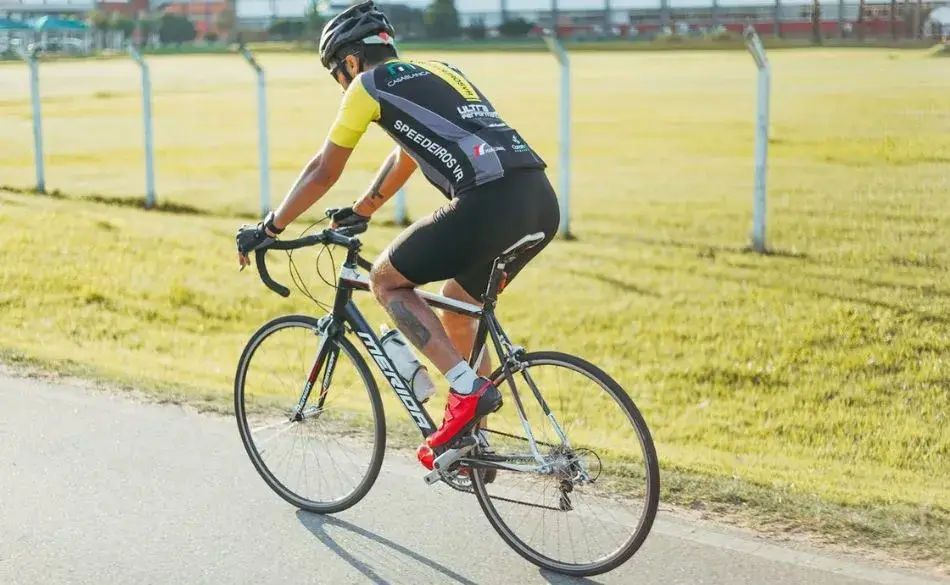
When you want to stay active, it helps to understand which movements place the most pressure on stitched skin. Different activities create different types of strain. Some pull at the wound. Some cause rubbing. Others increase sweat and moisture that can irritate the area or slow early healing. This is why people often ask how to avoid reopening stitches during exercise, and the answer usually comes down to choosing the right kinds of movements.
The three biggest factors that affect your stitches during a workout are tension, friction, and moisture. Tension comes from stretching or bending. Friction happens when clothing or equipment rubs the area. Moisture builds when you sweat, which can soften skin and increase the risk of irritation. Knowing which exercises create these effects helps you choose safer options.
The table below shows how different exercise types affect stitched areas depending on how your body moves. It compares common workout styles and highlights what to expect if the wound is near a joint, on the torso, or on a low movement area.
👉 Swipe to view full table
| Exercise Type | Tension on Stitches | Friction Risk | Moisture and Sweat |
|---|---|---|---|
| Walking | Low unless stitches are near a bending joint. | Low if clothing does not rub the area. | Minimal sweat for easy paces. |
| Strength Training | High if stitches are on arms, shoulders, or core. | Moderate depending on equipment and clothing. | Varies but usually low for slow sessions. |
| Cycling | Moderate to high if stitches are near the knee or hip. | High if wound is on a friction point like inner thigh. | Moderate due to heat buildup during rides. |
| Running | High for stitches near joints or torso. | Moderate from repetitive clothing movement. | High because running increases overall sweat. |
| Yoga and Stretching | High due to bending and pulling of the skin. | Low unless rubbing occurs during floor movements. | Low unless session is heated. |
Many people are surprised by how much tension simple bending can create. Even slow stretching can pull more than you expect, especially if the stitches sit near the hips, knees, elbows, or abdomen. If you want to avoid stressing the wound, choose activities with small ranges of motion until the area looks fully closed and calm. For a lower impact option that limits bending while still keeping you active, some people find an exercise bike with arm workout useful because it allows movement without placing heavy strain on the stitched area.
If you want a clear, personalised plan to guide your return to steady training, our Running Coaching Program helps you build fitness at the right pace. Your coach adjusts each week to match your energy, your goals, and the level of training your body is ready for.
You’ll get structure without guesswork. Smart progressions. Sessions that balance effort with recovery. And ongoing support that helps you feel more stable, more efficient, and more in control of every run as your routine builds back up.
Start Your Coaching Journey

How to Protect Your Stitches When You Want to Stay Active
When you reach the point where gentle movement feels possible, the next step is learning how to keep the stitched area protected. Many people want to know how to avoid reopening stitches during exercise, and the answer is not just avoiding certain movements. Protection comes from how well you prepare the area before you begin and how well you support it during activity.
The first thing to consider is coverage. You want to keep the wound clean, dry, and shielded from rubbing. A breathable dressing works well for most small cuts, while surgical wounds may need a more secure covering recommended by your doctor. If you are worried about moisture, you may also be thinking about how to cover stitches during exercise. The best approach is choosing a bandage that stays in place but still allows airflow so the skin does not become too soft or irritated.
Clothing choice matters more than people think. Tight fabrics can pull against the stitches each time you move. Loose clothing can rub if it shifts repeatedly. Look for comfortable fabrics that glide over the skin without catching. If the wound is on an area that bends, always test a few movements at home before starting a workout.
Here are simple and effective ways to protect your stitches while staying lightly active:
- Keep the area covered with a clean, secure dressing during activity
- Choose clothing that avoids rubbing or pulling on the wound
- Move slowly at first to check for any pulling or discomfort
- Stop immediately if you feel stinging or notice redness building
- Keep the skin dry and replace dressings if they become damp with sweat
Even with good protection, it is important to start with the lowest level of activity. If you feel irritation, heat, or a pulling sensation, go back to rest. Your goal is not to rush but to support steady healing. A few extra days of caution can prevent the bigger setback of reopening the wound or slowing your progress.


When You Should Completely Avoid Exercise With Stitches
There are times when the safest choice is not to move more but to stop and rest. It is normal to worry about losing fitness, but sometimes your body needs stillness more than training. This is where you need to know when to avoid gym workouts after stitches and when light activity is still okay.
You should always follow your doctor’s exact advice first. If they told you not to exercise, that instruction comes before every plan. Certain wounds, such as deep cuts, large surgical incisions, or stitches in areas exposed to regular pressure or bending, often need stricter rest in the early days. Trying to train through this can turn a small problem into a long setback.
Your own signs and symptoms matter too. Before you decide on the best exercises to do while you have stitches, check how your body feels when you move. Ask yourself if you are truly comfortable or just trying to push through worry or impatience.
Here are clear reasons to avoid structured exercise until you are checked by a doctor:
- Fresh or increasing bleeding around the stitches
- Spreading redness, rising warmth, or thick discharge from the wound
- Fever, chills, or feeling unwell in general
- Sharp pain, stinging, or pulling that appears with simple movements
- The wound edges look open, wider, or more swollen than before
In these situations, even gentle physical activity after stitches may be too much. Walking short distances around the house for daily tasks is usually fine unless your doctor says otherwise, but planned workouts should pause. Think of this break as part of your training, not the end of it. You are building a base for long term health, not just this week’s fitness.
If you feel unsure, imagine how you would advise a friend in the same position. Most of the time you would tell them to rest and protect their healing body. You deserve that same level of care and patience with yourself.
If you want a structured, personalised plan that helps you return to steady riding without guesswork, our Cycling Coaching Program gives you weekly guidance built around your goals, time, and current fitness level.
Your coach helps you balance intensity, recovery, and technique so you feel smoother and more powerful every time you get on the bike. You’ll ride with more control, more stability, and a clear plan for progressing at the pace that suits your body.
Start Your Coaching Journey
Can You Exercise With Stitches and Still Stay Safe
By now you can see that the real question is not just can you exercise with stitches, but how and when you can move without slowing healing. Some people will be ready for light walking within a few days. Others will need more time before they even think about training. Your wound type, stitch location, and doctor’s advice all shape the right answer for you.
If you love running, you might still be asking when can I run after getting stitches. Running is usually one of the last activities to return because it involves impact, sweat, and repeated bending. Many people begin with gentle walking, then move to short and easy runs only when the wound looks closed, calm, and free from soreness.
If you want help returning to movement safely once the stitched area has healed, you can read more about how to get back into exercise so you know exactly how to rebuild your routine with confidence.
So how do you put all of this into action. Start by asking yourself a few simple questions. Has your doctor cleared you for movement. Does the stitched area stay still during the exercise you want to do. Can you keep the wound covered and dry. Do you know what to do if you notice pulling, bleeding, or new redness. When you can answer yes to these, you are closer to moving safely.
Remember that taking a brief break from full training does not remove the fitness you have built. Your body holds on to much of your strength and endurance during short recovery periods. Careful rest now protects your future sessions. It allows you to come back stronger instead of getting stuck in a cycle of reopening the wound and starting again.
Most of all, try to treat yourself with the same patience you would offer an athlete you care about. Healing is still a form of progress. Every quiet day your body spends repairing tissue is a step toward the moment you can move freely again. With good guidance, smart choices, and a focus on long term health, you can return to exercise with confidence once your stitches are ready.