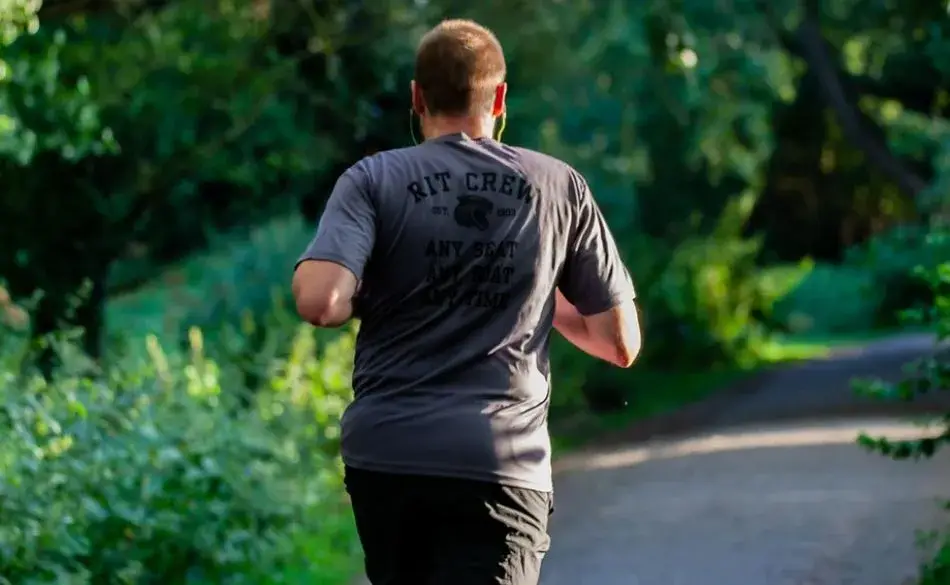
Why a Strong Core Matters More Than Most Runners Realize
When you think about running power, it is easy to picture your legs doing all the work. But the real engine of your stride sits right in the middle of your body. Your core decides how steady your hips stay, how smoothly your arms swing, and how clean your foot strike feels. If your center is not stable, it becomes hard to run tall or feel relaxed, even when your legs are strong.
A strong core works like a quiet support frame that keeps everything aligned. When that frame is weak, you feel tiny wobbles with every step. Your hips might drift. Your shoulders might twist more than they should. These little movements seem harmless, but they slowly drain your energy. This is why core workouts can create such quick changes in how light and steady your running feels.
If you have ever finished a long run with tight hips or a tired lower back, there is a good chance your core was part of the issue. Your torso muscles are meant to support your spine and pelvis. When they are not doing their job, your legs take on more load than they should. That is often when soreness appears along your lower back or outer thighs. With better core strength in runners, these aches usually begin to fade.
You also become more efficient. Running economy is simply how much energy you use to hold a pace. When your center is strong, your body stops wasting movement. You bounce less. You twist less. You stay upright without fighting for it. These improvements carry over whether you run five kilometers or long mountain trails.
One of my coaching clients, Christian, struggled with form late in his runs. His legs were trained, but his hips dropped after about forty minutes. We added simple core stability for runners three times a week. After a month he felt more balanced and could hold pace much longer. He told me his long runs finally felt smooth, and he wished he had started core training years earlier.
If you're working on building better control, balance, and smoother movement in your running, the right guidance can make that progress feel a lot easier. Our Running Coaching program gives you clear direction that matches your goals and the way your body responds to training.
You’ll follow a plan shaped around your strengths, your schedule, and the areas where you want to feel more solid and supported, so every week has purpose and fits smoothly into your routine.
Whether you’re aiming for a steadier stride, preparing for a new challenge, or simply trying to train with more confidence, having expert support helps you move forward without the guesswork.
Get Started Today →

How Do You Know Your Core Is Letting You Down?
Many runners assume their legs are the only thing that truly matter for speed and endurance. But your body often sends quiet hints when your center is not doing its job. If you listen to those hints, you can fix small issues early with simple core workouts for runners before they grow into real pain.
One of the clearest signs is how your posture changes when you get tired. If your chest starts to drop, your shoulders round forward, or your hips sink late in a run, your center is struggling to keep you tall. Better running posture improvement usually comes from better core control, not just adding more kilometers.
You might also notice tightness that never quite goes away. Many runners feel stiff hip flexors, irritated IT bands, or a dull ache through the lower back. These do not always mean you are injured.
Often they are your body’s way of saying your trunk is not sharing the load. Targeted hip stability exercises for runners and smart glute activation workouts help spread that work so your legs are not carrying everything on their own.
Here are some common signs your core needs extra attention.
- Your hips drop or wobble when you watch a video of your running form
- One foot lands or slaps harder than the other late in a session
- You sway from side to side when you run at faster paces
- Your lower back feels tired before your legs do on long runs
- You struggle to balance on one leg for more than a few seconds
If you nod along to two or more of these, your next training upgrade is clear. Add short running core workouts into your week, just ten to fifteen minutes at a time. Over the next month you will likely feel more control, more balance, and less wasted motion with every stride.


What Core Muscles Should Runners Actually Train?
When most people hear the word core, they picture a six pack. But for running, the muscles that matter most sit much deeper and wrap around your middle like a steady belt. These muscles keep your spine and pelvis stable while your legs move underneath you. If you only chase visible abs, you miss the real engine that keeps your stride strong and controlled.
Your deepest helper is the transverse abdominis. It works like a built in weight belt that hugs your waist. When you train smart core workouts for runners, you teach this muscle to switch on with every step. That gives you smoother control when your foot hits the ground and helps protect your lower back during long runs.
Your obliques along the sides of your trunk play a big role too. Good oblique exercises for runners help stop your torso from twisting too much. You still rotate a little during each stride, but it stays smooth and controlled. This means less wasted motion and better power transfer from the ground into forward movement.
Your hips and glutes also deserve attention. Strong glutes, especially the gluteus medius on the outside of your hip, keep your pelvis level. When you combine glute strengthening workouts with deep core training, your hips stop dropping from side to side. This makes your stride feel more stable and reduces stress on your knees.
Your lower back muscles are part of this system as well. They work with your abs to hold your spine in a neutral, supported position. Many simple bodyweight core exercises like bridges, bird dog, and side planks help train your entire trunk as one unit.
Think of your core as a team instead of a single star player. The best functional strength training for runners strengthens the front, sides, and back of your torso, plus the hips. When that whole team works together, your form feels more balanced, your pace feels easier, and your body can handle more training without breaking down. You can also build extra support with our hip strengthening guide for runners which shows simple ways to improve control on every run.


Which Core Exercises Are Best For Runners?
Once you understand why your center matters, the next question is simple. Which movements should you actually do to feel a real change in your running. The good news is that you do not need fancy equipment. Many of the best core exercises for runners use only your bodyweight and a small bit of space on the floor.
The key is choosing movements that teach control, not just create a burn. Your running core workouts should help you resist twisting, bending, and sinking at the hips. These are the forces your body deals with during every step you take. A mix of bodyweight core exercises that train the front, sides, and back of your trunk works best for keeping everything steady.
Here are a few simple exercises you can build into a short routine.
- Front plank on elbows, focusing on steady breathing and a straight line from head to heel
- Side plank on each side, lifting the hips and holding your body in one straight line
- Glute bridge, pressing through your heels and squeezing the glutes at the top
- Dead bug, lowering opposite arm and leg slowly while keeping your ribs down
- Bird dog, reaching opposite arm and leg without letting your hips shift
These moves might look simple, but they build real core strength when you slow them down and focus on form. Start with holds of ten to twenty seconds and six to ten slow reps for each movement. As you get stronger, you can add dynamic core exercises like slow mountain climbers or plank shoulder taps.
Think about how stable you feel rather than how tired your abs are. If your hips stay level, your ribs stay down, and your breathing stays calm, you are training the right way. Over time, these small sessions build a stable base so your legs can focus on what they do best.
And if you also want to wake up your legs and improve how they feel when you run, check out our Butt Kicks Exercise Guide. This simple drill helps activate your hamstrings and glutes so your core and hips have better support during each stride.
Whether you’re training for your first 5k, stepping up to a half marathon, or chasing a new personal best, choosing the right plan makes all the difference. Our running-training-plans are designed to match your schedule, experience level, and goals—so you train smarter, not just harder.
You’ll find plans that include strength support, recovery days, and practical tips to help your running feel stronger, more controlled, and more enjoyable.
Choose a path that fits your current fitness and build from there with confidence.
View Training Plans →

How Often Should You Do Core Work As A Runner
Many runners ask the same question. How much core training is enough. The good news is that you do not need long gym sessions. Short and regular core workouts work far better than a big random effort once in a while.
Most runners do well with two to four short sessions each week. These sessions can be just ten to twenty minutes long. You can place them after easy runs or on days with light distance running training. The goal is simple. Build habits you can stick with for months, not just a quick burst of effort.
If you are a newer runner, start small. Two sessions a week is plenty in the beginning. Focus on control and balance rather than trying to feel exhausted. As you build strength and confidence, you can add a third day. More experienced runners can handle three to four running core workouts each week, as long as the sessions stay low impact and do not take the place of important run workouts.
Different runners also have different needs. Someone training for a first 5 km race will not need the same approach as a trail runner who spends hours climbing steep hills. Use the table below as a simple guide. It gives you an easy way to match your core strength plan to whatever goal you are working toward.
👉 Swipe to view full table
| Runner Type | Core Sessions Per Week | Main Focus Areas |
|---|---|---|
| New 5 km Runner | 2 short sessions of 10 to 15 minutes | Basic bodyweight core exercises and balance work to build control |
| Regular 10 km Or Half Marathon Runner | 3 sessions of 15 minutes | Anti rotation drills, hip and glute strengthening workouts for stability |
| Marathon And Distance Runner | 3 to 4 sessions of 15 to 20 minutes | Endurance holds, posture and trunk control for long runs and injury prevention for runners |
| Trail And Hill Runner | 3 sessions of 15 to 20 minutes | Lateral strength, single leg balance, and trail running strength training |
| Time Poor Runner | 2 micro sessions of 8 to 10 minutes | Short mixed routines that fit after easy runs to support core workouts for runners |
| Advanced Or Competitive Runner | 3 to 4 focused sessions plus light maintenance on easy days | High quality running core workouts linked to race goals and training load |
If you stay in these ranges, your core gets enough stress to grow stronger without draining energy from key sessions. Over time, this steady work pays off in smoother form and better injury prevention for runners as your training volume climbs.


How Core Training Changes As Your Mileage Grows
As your weekly mileage rises, your core needs change in the same way your running workouts change. Low mileage runners need simple control and balance. High mileage runners need more endurance and stability to hold form through long sessions. The key is adjusting your core workouts so they match the phase of training you are in.
When you are building base mileage, focus on steady control. This is the perfect time to strengthen the deeper muscles that support your spine and pelvis. Short sessions with bodyweight exercises like planks, bird dog, and glute bridges help you create a strong foundation. These movements teach your body to resist twisting and dropping at the hips, which becomes important as your long runs get longer again.
Once your weekly distance increases, shift your attention to endurance based core work. Many runners training for half marathons or marathons notice their posture fading near the end of long runs. Longer plank holds and slow dead bugs build the trunk endurance needed to keep your form steady. This is where core strength for runners helps prevent late run collapse.
As you move into peak training weeks, begin adding more dynamic movements. Small, controlled drills like slow mountain climbers or standing balance work prepare your core for uneven fatigue during speed sessions or long efforts. These running core workouts build the responsive strength your body needs for faster paces and longer durations.
During race week, pull things back. Keep the sessions short, light, and focused on activation only. Gentle side planks, easy bridges, and simple balance drills help your body stay sharp without adding unnecessary fatigue.


Do Core Workouts Really Improve Running Form
Many runners wonder if core training actually changes how they move. The answer is yes. A strong center improves your form in ways you can feel during easy runs, long runs, and even fast workouts. When your trunk stays steady, your legs can move under you with less wasted effort. Your stride becomes smoother and more controlled without you trying to force anything.
One of the biggest changes is better control of your pelvis. When your core is weak, your hips tilt or drop with each step. That tilt increases stress on your knees and lower back. A strong core helps your pelvis stay level so your legs land in a healthier position. This often reduces aches you once thought were just “part of running.”
Another improvement is upper body calmness. When your trunk has strength behind it, your arms swing naturally instead of crossing your body. This small shift leads to better running economy because you burn less energy twisting from side to side. You stay relaxed for longer, even when the pace picks up.
Better core control also brings more consistent foot strikes. If your hips collapse or sway, your feet land in slightly different spots every stride. Over time that creates uneven loading. With steady core strength training, your feet strike more evenly and your push off becomes stronger and cleaner.
Here are some clear form improvements runners often notice.
- Straighter posture deep into long runs
- More balanced landings on each leg
- Less twisting through the torso at fast paces
- Smoother cadence and easier rhythm
- Less late run shuffling or collapsing at the hips
The best part is that these improvements happen without thinking about cues or holding awkward positions. You do not have to force anything. Consistent core workouts teach your body to support itself automatically so your stride feels natural, light, and steady on every run.
You’ll also want to give attention to the muscles in your legs and how they connect with your center. For practical guidance check our leg exercises for runners that build strength from the ground up and work hand-in-hand with your core and hips.
For deeper reading into how trunk stability influences efficiency and energy cost during a run, take a look at this open-access review on running economy here.
If you’re venturing into longer distances, rougher terrain, or just want to feel steady when everyone else is fading, our Ultra Running Coaching program will give you the support you need. We’ll work with you on endurance, core stability, and smart recovery to keep you strong when the miles get tough.
You’ll follow a plan built around your goals, your experience level, and the kind of terrain you’re running on—whether trail, road, or a mix of both.
Because ultra running isn’t just about covering distance. It’s about consistency, mobility, balance, and mental strength too. We’ll help you build all of that.
Explore Ultra Coaching →

Simple Core Routine You Can Start This Week
A good routine should feel simple enough to repeat often but strong enough to make a real difference in how you run. Many runners skip core work because they assume it will take too long or feel too hard. The truth is that a short and focused core session can fit into almost any schedule. You only need a small bit of space and a few minutes of calm, controlled movement.
This routine uses movements that help your hips stay level, your ribs stay stable, and your body learn to balance on one leg. These are the same patterns your body uses with every stride. When you train them on purpose, your running starts to feel smoother and lighter without extra effort.
Try adding this short set after an easy run or on a rest day.
- Side plank hold for ten to twenty seconds on each side
- Bird dog for six slow reps on each arm and leg
- Dead bug for six slow controlled reps per side
- Glute bridge hold for ten to fifteen seconds while squeezing the glutes
- Standing single leg balance for twenty seconds each side
Move slowly and keep an eye on your hips. If they tip or sway, pause, reset, and try again. Slow control builds the deep muscles your posture relies on. These bodyweight core exercises create stability that shows up immediately in your daily mileage.
After a week or two, you may notice you stand taller, land more evenly, and get through long runs with fewer dips in posture. This happens because core strength gives steady support to your legs. When your center stays firm, your rhythm stays smooth and your breathing feels easier.
Keep this routine light and steady. If you feel rushed, shorten the reps instead of skipping the session. A little consistency goes a long way in helping you feel stronger, more stable, and more balanced on every run.

Why Your Next Breakthrough Might Start With Your Core
By now you have seen that strong legs alone are not enough. The runners who look smooth, light, and relaxed usually share the same habit. They spend a little time each week focusing on their core, not just adding more mileage. When your center stays steady, your stride can flow. That is exactly what you are building toward as well.
Think about how you feel during your own runs. Do you notice your posture drooping near the end. Do your hips get tired before your lungs do. Do you start shuffling when you want to stay tall and smooth. These are all signs that a stronger center could unlock easier form and more confident running.
The good news is that you do not need perfection. You only need steady effort. Two to four short core workouts each week can slowly change how your body moves. Start with simple bodyweight exercises that you can do anywhere. Focus on calm breathing, level hips, and slow control. Over time, your form improves without you having to think about it with every step.
Here is something many runners forget. Core training is not just about speed. It supports injury prevention, better balance in daily life, and more comfort during long hours on your feet. A strong center helps you sit, stand, and move with less strain. Your running becomes the bonus that sits on top of that solid base.
So here is your next step. Choose one or two sessions from this guide and add them to your week. Notice how your body feels over the next month. Do your long runs feel more stable. Do your easy days feel lighter. Stay patient and curious with the process. With consistent core workouts, you give yourself the chance to run not just faster, but with more ease and joy for many years to come.