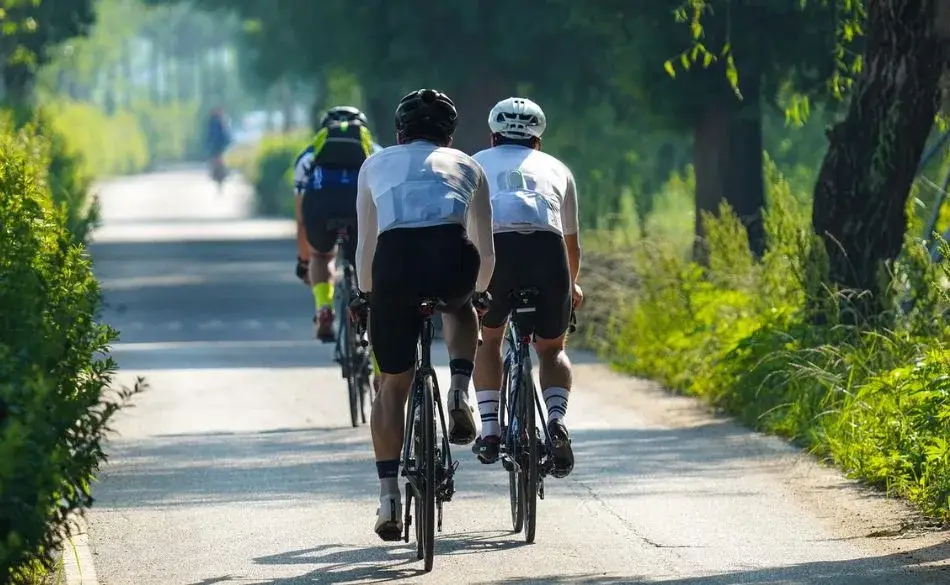
What Happens When You Cycle After a Leg Workout
When you hop on the bike after a heavy leg session, your body enters a unique physiological state. Your muscles are fatigued, micro-tears are forming, and glycogen stores are running low. Adding cycling after a leg workout changes how your body recovers and adapts.
During a ride, blood flow to the legs increases dramatically, which can help flush out metabolic waste like lactic acid. This improved circulation delivers oxygen and nutrients that support muscle repair. That’s why many athletes notice reduced soreness after a light spin. To further strengthen the muscles that support recovery and power output, check out our Glute Exercises for Cycling guide for simple routines that enhance pedal efficiency and lower-body strength.
But here’s the catch, if your cycling intensity is too high, your body can’t repair properly. The muscles you just trained are forced to work again before they’ve recovered, which can blunt strength gains and delay recovery.
When I coach cyclists who combine strength and endurance training, I often recommend “recovery rides” after heavy leg sessions. One athlete I worked with, training for a half Ironman, used 30-minute low-intensity spins after squats and lunges. Within weeks, he reported less stiffness and better energy during his next workout.
The key is effort control. Keep your ride short, light, and easy (what coaches call active recovery cycling). Think of it like gently kneading sore muscles rather than hammering them again.
- A 30-minute spin at an easy pace keeps your heart rate under 65% of max and promotes recovery.
- A 90-minute ride at moderate effort pushes your muscles further into fatigue and delays growth.
Understanding this balance helps you turn cycling on sore legs into a recovery advantage instead of a setback.
Looking to push your limits safely and effectively? Our Cycling Threshold Training Plan is crafted to improve your pedalling power and endurance while balancing leg strength and recovery sessions.
You’ll follow a structured roadmap tailored to your current fitness, available time and cycling goals. We guide you through threshold intervals, recovery rides, and strength-support sessions so your legs perform better and recover faster.
Unlock sustained power and build stronger, resilient legs with smart training.
Get the Threshold Plan Now

How Cycling Affects Muscle Recovery and Growth
After a tough leg day, your muscles are worked, warm, and a little swollen. Blood is rushing through them, and your nervous system is begging for a break. Jumping on the bike after that kind of effort can be either the smartest move you make (or a mistake) depending on how you ride. When done right, Cycling After a Leg Workout can feel like giving your legs a gentle massage that helps them recover faster.
Easy spins are your best friend here. They boost blood flow without putting extra strain on tired muscles. That fresh circulation brings oxygen and nutrients that help repair the damage from lifting. Within minutes, many riders notice their legs start to loosen, the stiffness fades, and the motion feels almost therapeutic. If you often feel your quads staying tight or heavy after rides or gym sessions, our Are Tight Quad Muscles Holding You Back article explains why this happens and how to fix it through better recovery habits.
But if you push too hard, everything changes. Ride with too much intensity and your muscles burn through fuel they need for recovery. You’ll feel heavier, slower, and your next gym session might take a hit. This is why the goal after strength work isn’t fitness, it’s recovery.
Keep things easy and controlled. Try to stay around 60 to 65 percent of your max heart rate. If you ride with power, that’s roughly 50 to 60 percent of your FTP. Go for short rides, generally anything from 30 to 60 minutes is plenty. Use light resistance, high cadence, and focus on smooth, relaxed pedal strokes.
If your legs feel like concrete after squats, start with just 5–10 minutes of gentle spinning. If they begin to feel better, keep going. If not, get off and stretch. Listen to your body instead of forcing a plan. That’s what separates smart recovery from stubborn fatigue.
One of the athletes I coach, a Masters rider who lifts twice a week in the off-season, calls his post-leg-day rides his “circulation reset.” We only added twelve minutes of easy pedaling, but he noticed his endurance sessions the next day felt smoother, and his squat numbers kept climbing.
Think of this like rinsing a sponge. A gentle flow clears out the soap, but a fire hose just shreds it. That’s how cycling after leg day works. Keep the pressure light, the rhythm steady, and the breathing calm. You’re not chasing power, you’re helping your legs bounce back stronger.

Should You Cycle After a Leg Workout or Rest Instead?
This is the question every athlete asks at some point. Should you really hop on the bike after heavy squats, or just put your feet up and recover? The answer depends on your training goal, how intense your workout was, and how your body feels in the hours afterward. For most athletes, light cycling after a leg workout can help recovery, but only when you treat it as movement therapy, not extra training.
When your legs are sore, gentle cycling works almost like an internal massage. It pumps fresh blood through the muscles, removing waste products that build up from lifting. Studies show that active recovery can reduce muscle stiffness and improve how you feel the next day. But here’s the thing, more isn’t better. If your strength session left your quads shaky, a long or intense ride will do more harm than good.
Rest days have their place, especially after maximal lifts or big endurance blocks. If you notice heavy fatigue, poor sleep, or lingering soreness, taking a day off is smarter than spinning through exhaustion. Your body needs time to rebuild, and that process doesn’t happen while you’re adding more load. Sometimes the best recovery ride is no ride at all.
In coaching, I’ve seen both sides of the coin. One athlete loved stacking strength and cycling days back-to-back, thinking it would double his gains. Instead, he plateaued within a month. Once we added a proper recovery day between gym and bike sessions, his power numbers jumped, and his legs finally felt fresh again.
Here’s a quick way to decide what’s right for you:
- If your workout was moderate: Go for a short, easy 30-60 minute spin. Focus on relaxed pedaling and breathing.
- If your workout was intense: Skip the ride or wait 24 hours before getting back on the bike.
- If your legs feel tight but not painful: Try a light recovery ride with very low resistance, just enough to move blood.
Ultimately, recovery isn’t about doing more, it’s about doing what helps your body bounce back faster. The smartest cyclists learn to listen to fatigue instead of fighting it. That’s how you grow stronger without burning out.
The Benefits of Cycling After a Leg Workout
When done right, cycling after a leg workout can offer more than just a bit of relief, it can become one of your most effective recovery tools. The gentle motion of pedaling supports muscle repair, reduces soreness, and helps prepare your legs for your next hard session. It’s the difference between waking up stiff and sluggish or feeling ready to train again sooner.
Here’s what happens inside your body during these easy rides. Increased blood flow helps clear out metabolic waste, like lactic acid, which often builds up after lifting heavy. The improved circulation also brings oxygen and nutrients to the muscle tissue, speeding up recovery. This process reduces inflammation and promotes healing without adding more strain. Research backs this up – light movement is shown to aid recovery and reduce soreness (Medical News Today).
There’s also a mental side to it. A light ride after the gym clears your head and helps you unwind, especially if you’re someone who struggles to sit still on rest days. Many athletes describe these recovery rides as meditative. If you’d like to learn how squats and weight-training exercises specifically improve on-bike performance, our article Do Squats Improve Cycling Performance? breaks down when and how to lift with a cycling focus.
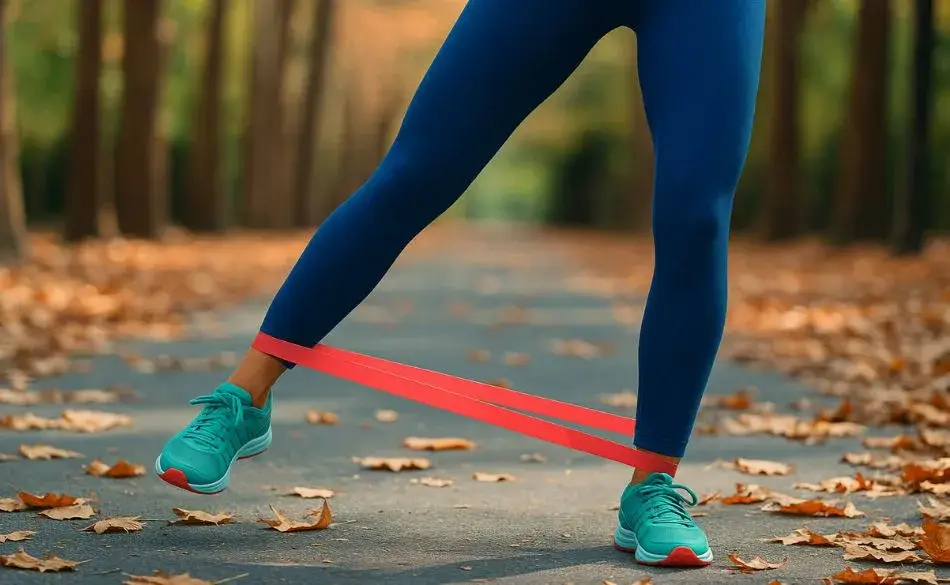
From a long-term perspective, these low-intensity sessions teach your body to adapt better to combined training stress. You improve your endurance base, strengthen capillary networks in your legs, and train your muscles to recover faster between workouts. Over time, this balance between lifting and cycling builds resilience, allowing you to handle higher training volumes without constant fatigue. For an excellent deep dive into using resistance bands to support leg strength and cycling performance you can explore our Resistance Band Training for Cyclists article which offers specific exercises and session plans.
One of my triathletes used to skip these rides, thinking rest meant complete stillness. Once we added short recovery spins after leg day, he noticed fewer aches and steadier power during long rides. His feedback summed it up best: “It’s like my legs finally learned how to recover faster.”
Want to pair gym leg sessions with effective cycling workouts that work together, not against each other? Our Cycling Training Plans are designed to structure your week, combine strength and ride days intelligently, and help you progress faster.
Choose from plans tailored to your current fitness, time availability, and training goals. We’ll show you how to schedule leg day lifts, easy recovery rides, and longer endurance sessions so your performance keeps climbing without burnout.
Get structured workouts, smart recovery, and consistent gains with a plan built just for you.
Explore the Training Plans Today
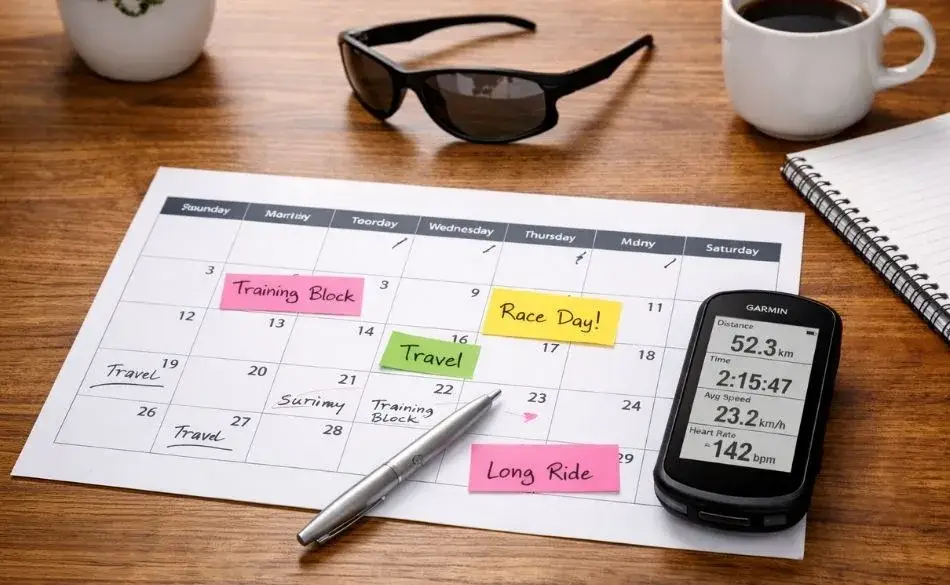
How to Structure Your Week When Combining Strength and Cycling
Balancing gym work with time on the bike takes planning. If you lift and ride without structure, you’ll likely feel flat, sore, or constantly tired. The key is spreading out intensity so your legs can recover between hard efforts. Cycling after a leg workout can fit perfectly, if the rest of your week is built around it.
The best athletes treat recovery rides and gym days like puzzle pieces. Each one supports the other. Heavy squats on Monday? Make Tuesday’s ride easy. Big interval session on Wednesday? Skip leg training that day. The goal is not to cram more work in, but to get stronger through balance.
Here’s an example structure that works well for many cyclists and triathletes:
👉 Swipe to view full table
| Day | Focus | Effort Level | Notes |
|---|---|---|---|
| Monday | Heavy Leg Strength Workout | High | Focus on compound lifts and good form. |
| Tuesday | Recovery Ride | Low | 20–40 minutes easy spin, under 65% HRmax. |
| Wednesday | Endurance Ride | Moderate | Build aerobic base, avoid maximal efforts. |
| Thursday | Rest or Mobility Work | Very Low | Include stretching or foam rolling. |
| Friday | Leg Power Session + Easy Ride | High/Low | Short explosive gym work, then 20 min spin. |
| Saturday | Long Ride | Moderate to High | Focus on endurance and pacing. |
| Sunday | Rest or Recovery Ride | Low | Listen to how your legs feel before riding. |
This plan keeps hard days followed by easier ones, giving your muscles the chance to adapt while maintaining consistent movement. The more you respect recovery, the more progress you’ll see on both the bike and in the gym. Cycling after leg day fits beautifully into this structure when it’s done with purpose and control. For more guidance on combining gym sessions and riding effectively, check out our Cycling and Weight Training for Beginners guide for a detailed breakdown of how to train smarter across both disciplines.

Tips to Maximize Recovery When Cycling After a Leg Workout
Getting the most out of cycling after a leg workout comes down to small, smart habits. The goal is to help your body repair, not overload it. These tips will help you recover faster and keep your performance steady throughout the week.
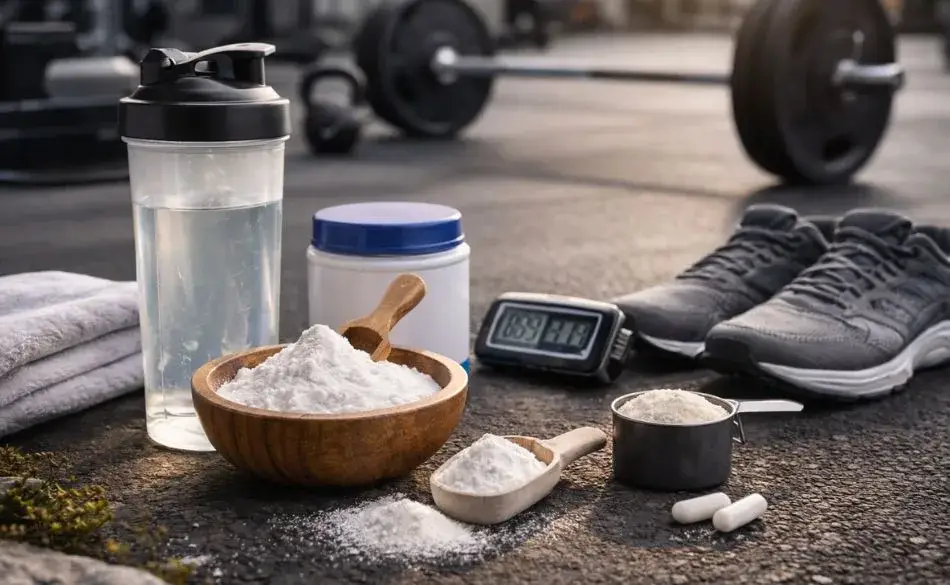
- Fuel up before and after: Eat a mix of carbs and protein after your leg session and again after your ride. Think a banana with yogurt, or eggs on toast. This replenishes glycogen and supports muscle repair.
- Hydrate more than usual: Lifting and cycling both deplete fluids. Drink water during your ride and add electrolytes if you’re sweating heavily.
- Keep cadence high and power low: Pedal smoothly at 85–95 rpm with light resistance. This reduces joint stress while improving blood flow.
- Don’t skip the cool down: Spend five minutes spinning even easier before getting off the bike. It helps lower heart rate and calm your nervous system.
- Stretch and foam roll: After cycling, target your quads, glutes, and hamstrings. Just a few minutes can reduce soreness the next day.
- Time it right: Wait at least two to three hours after your leg workout before starting your recovery ride. This gives your muscles time to start repairing and prevents compounding fatigue. If you train early in the day, a short evening spin can work perfectly for active recovery.
- Monitor recovery: Use tools like heart rate variability (HRV), resting heart rate, or perceived exertion to gauge how your body is responding. If your HRV drops or you feel sluggish, skip the ride and focus on rest or light stretching instead.
When I work with athletes who train both on the bike and in the gym, I remind them that recovery isn’t passive, it’s something you manage with intention. One of my riders, preparing for a 70.3 triathlon, added short 15-minute recovery rides after her leg sessions. Within a few weeks, she reported faster recovery, steadier endurance, and fewer signs of fatigue during back-to-back training days. When done correctly, cycling after your leg day supports the recovery process by improving circulation and maintaining mobility without adding unnecessary stress.
If you’re looking to enhance your post-ride recovery even further, methods like contrast therapy can make a real difference. Learn when to use cold exposure versus heat by reading our Ice Bath vs Sauna Benefits guide, which explains how each method supports muscle repair and relaxation after hard training sessions.
Mistakes to Avoid When Cycling After a Leg Workout
Even experienced athletes can get cycling after a leg workout wrong. Recovery rides are meant to restore energy, not drain it. Avoiding a few common mistakes can make the difference between faster recovery and lingering fatigue.
- Riding too hard: Turning a recovery ride into another workout is the most common error. If you’re breathing heavily or your legs are burning, it’s no longer recovery. Keep your heart rate under 65% of your maximum and pedal lightly.
- Skipping nutrition: Riding after lifting without refueling slows recovery. Eat a balanced snack or meal that includes protein and carbohydrates within an hour of finishing your gym session.
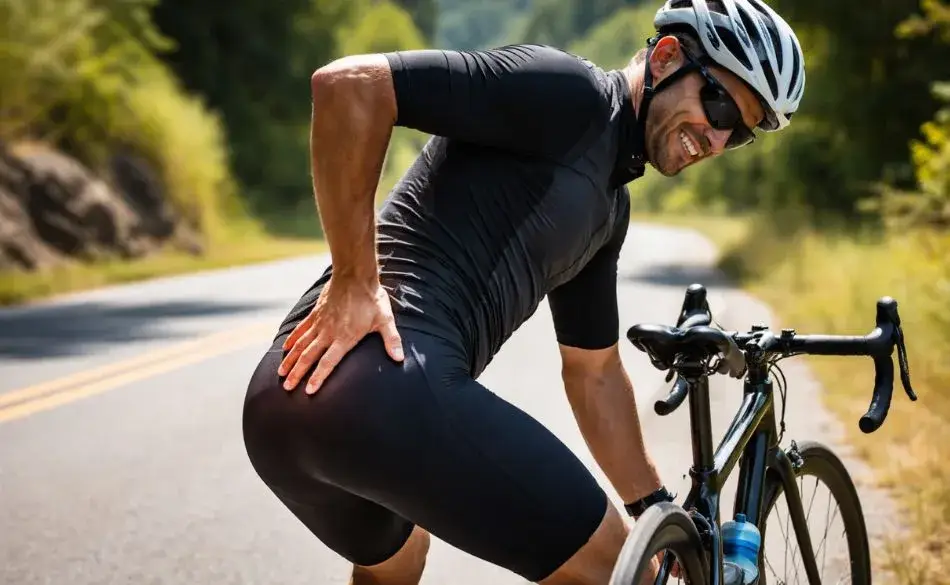
- Ignoring fatigue: Persistent soreness, heavy legs, or poor sleep are signs that your body needs rest, not more activity. If these appear, skip the ride and focus on recovery methods like stretching or mobility work.
- Combining two hard sessions: Avoid doing intense cycling sessions immediately after heavy strength training. Both create muscle stress, and stacking them can reduce performance and delay adaptation.
- Neglecting hydration and rest: Water, electrolytes, and sleep are essential parts of recovery. Without them, even low-intensity cycling can add unnecessary fatigue.
By keeping your recovery ride light, fueling properly, and respecting your body’s limits, you’ll turn cycling after leg day into a genuine recovery tool instead of another source of stress.
Pairing strength work with your cycling training can transform your performance when it’s done the right way. Our Cycling Coaching program is built to help you strike that balance. You’ll get structured guidance on how to schedule leg workouts, recovery sessions, and cycling blocks that complement one another, not compete.
Each plan is tailored to your current fitness level, goals, and available training time. We help you maximise strength gains while maintaining the endurance and power you need on the bike. You’ll learn how to recover efficiently, reduce fatigue, and make every session count.
Train with structure, recover with purpose, and ride stronger with personalised coaching.
Get Personalised Cycling CoachingFinding the Right Balance Between Strength and Cycling
Cycling after a leg workout isn’t about pushing limits, it’s about recovery and performance longevity. When used strategically, it helps flush out muscle waste, restore energy, and keep your legs loose for the next training day. The key is moderation. A short, easy ride supports recovery, while a long or intense one can delay it.
The best approach is to plan your sessions so that hard work is followed by easy movement. Use low intensity, high cadence, and focus on breathing and relaxation. Combine that with proper nutrition, hydration, and rest, and you’ll unlock steady progress without unnecessary fatigue.
Remember, every athlete responds differently. Track how your legs feel after lifting and cycling on the same day. Over time, you’ll learn what balance gives you the best results. When you respect recovery as much as training, both your strength and cycling performance improve together. If you’d like to build a full training structure that balances endurance, power, and recovery, take a look at our Complete Guide to a Cycling Fitness Plan for step-by-step examples and practical advice.