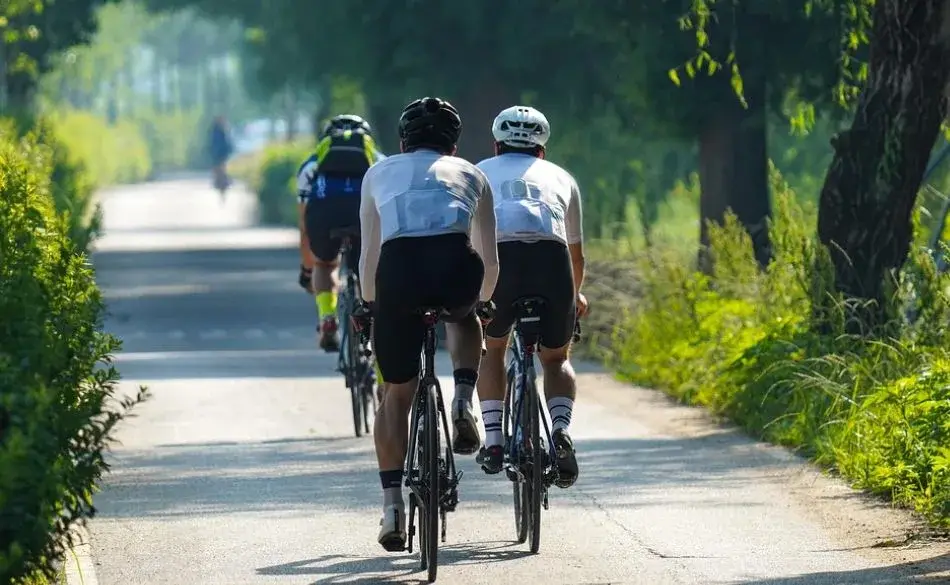
Should You Try Fasted Cycling and What You Need to Know
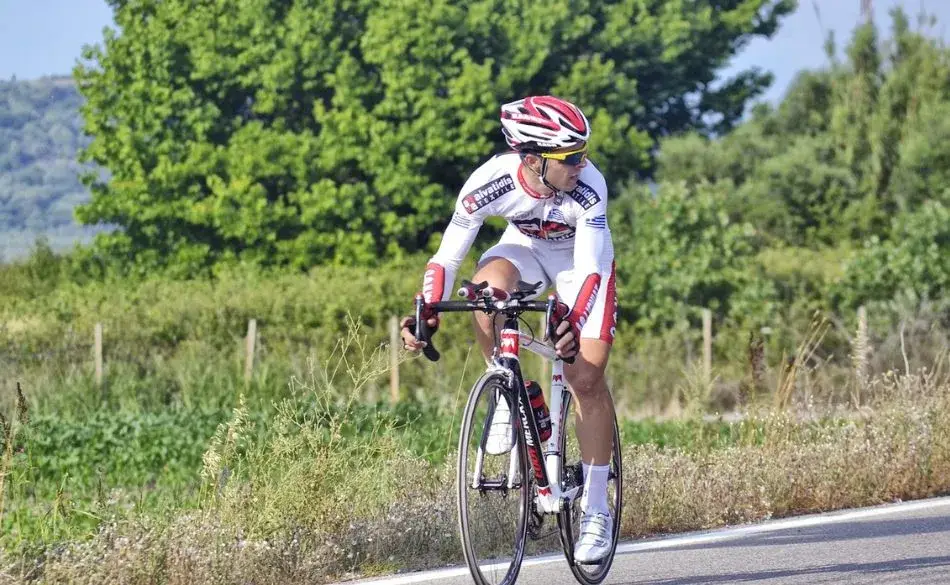
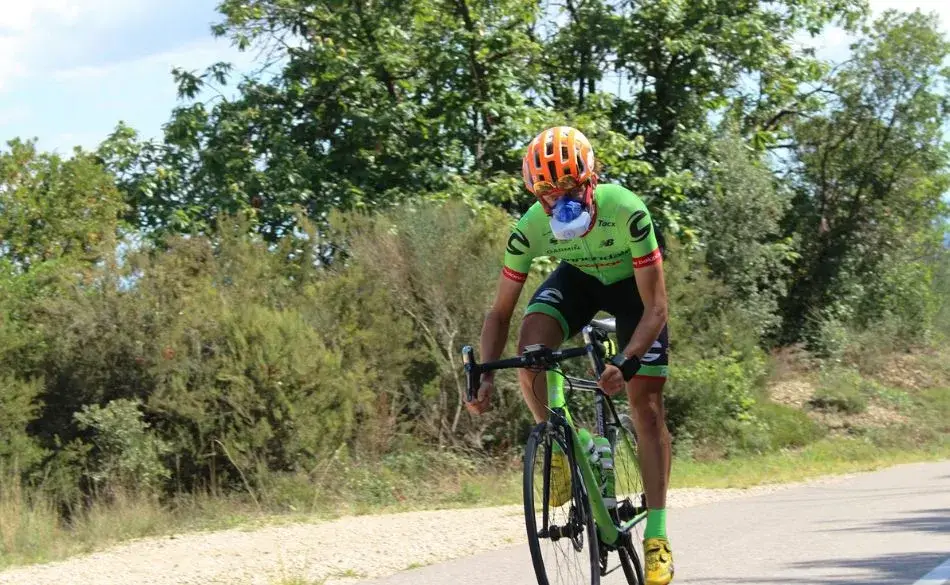
Cycling fasted changes how your body fuels itself. When you hop on your bike after 8–12 hours without eating, glycogen stores are low, so your body starts using fat for energy. That’s why many cyclists try fasted training to improve fat adaptation while cycling and boost endurance over time.
Here’s the thing about a morning fasted ride: your muscles and metabolism react differently. You might feel lighter, but energy can dip quickly if you push too hard. Low to moderate intensity works best for safe fasted cardio. With consistency, your body gets better at burning fat during longer rides, giving you a more flexible energy supply.
Safety tips for fasted rides:
- Start with 30–60 minute rides and build up gradually.
- Keep intensity moderate to avoid hitting the wall early.
- Drink plenty of water or an electrolyte drink.
- Refuel afterward with a balanced meal to restore glycogen.
- Pay attention to your body. Dizziness or nausea means you might need a small pre-ride snack.
What cyclists often notice with regular fasted rides:
- Better efficiency on fat burning rides.
- Smarter energy use on longer rides.
- Improved metabolic flexibility for endurance and recovery.
- Gradual ability to rely on fat instead of always needing carbs.
If you’re a beginner, you might worry about losing performance. Short, controlled fasted bike rides are generally safe. You don’t need to push hard from the start. Over time, this approach can seriously improve endurance and low glycogen rides, preparing you for longer challenges.
If you want to take your cycling to the next level, our Cycling Coaching Plan provides structured guidance, tailored workouts, and expert support. Whether your goal is building endurance, improving efficiency, or mastering your training strategy, we’ll help you ride smarter and stronger.
With plans based on your current ability, heart rate, and power output, you’ll optimize training sessions, recover effectively, and gain confidence in every ride.
Explore the Coaching Plan

Should You Try Fasted Cycling and What You Need to Know
So, you’re thinking about trying a fasted bike ride. Is it safe? Can it really help with fat burning or endurance? The truth is, it depends on your goals and how you approach it. Fasted cycling can be great for improving fat adaptation, but it’s not magic. You’ll get benefits if you do it right, and there are risks if you push too hard.
Here’s a quick look at the advantages of fasted rides:
- Helps your body burn fat more efficiently on fat burning rides.
- Improves metabolic flexibility, which is useful during low glycogen rides and long endurance sessions.
- Can boost insulin sensitivity, helping your body manage energy better.
- Trains mental toughness by learning to manage energy wisely.
- Convenient for early morning rides without breakfast.
But there are downsides too:
- Performance may drop if intensity is high, especially during fasted cycling.
- Dizziness, nausea, or low energy can occur if your body isn’t adapted.
- Not ideal for long or very intense rides without proper nutrition planning.
- Overdoing fasted sessions may increase the risk of muscle breakdown if recovery is insufficient.
- Beginners often find morning fasted rides uncomfortable at first.
The key is balance. You don’t need to do every ride fasted. Many cyclists schedule 1–3 fasted cycling training sessions per week while keeping other rides fueled for top performance. Starting gradually and keeping intensity moderate helps your body adapt safely.
Riders who combine fat adaptation with regular fed rides often notice better overall performance. Their muscles learn to use both fat and carbs efficiently, giving them more energy for long rides. By paying attention to your body and adjusting intensity, you can enjoy the benefits without unnecessary risks.
Fasted cycling can be a useful tool for endurance, fat burning, and metabolic health. As long as you approach it thoughtfully and tailor it to your fitness level.


Fasted vs Fed Cycling What You Should Know
One of the biggest questions riders have is whether to ride fasted or after eating. Both approaches have benefits, but the effects on your body, energy, and performance differ. Understanding the differences helps you plan rides safely and effectively.
Here’s a table comparing key factors for fasted bike rides versus fed rides:
👉 Swipe to view full table
| Factor | Fasted Cycling | Fed Cycling |
|---|---|---|
| Energy Source | Primarily fat (~3g more fat oxidized per session at low/mod intensity) | Carbs and fat (glycogen supports high intensity) |
| Performance | Moderate intensity maintained; high intensity can drop 5–10% in power | High intensity easier, sustained power; less fatigue in long rides |
| Fat Oxidation | Higher during session (approx. +20–30% relative to fed) | Lower relative contribution from fat; mostly carbs for energy |
| Muscle Preservation | Potential risk if ride is long/intense and recovery poor | Lower risk; glycogen supports muscle function |
| Endurance Adaptation | Supports fat adaptation and metabolic flexibility over weeks | Supports glycogen-fueled endurance and high-intensity performance |
| Recovery | Requires careful post-ride refuel; protein + carbs important | Easier recovery if carbs consumed pre-ride; hydration still key |
| Best Use | Low to moderate morning rides, metabolic training, fat adaptation | High intensity, long rides, racing, maximal power sessions |
*Values based on published studies on fasted vs fed aerobic exercise and endurance cycling; individual results vary depending on training status, nutrition, and duration.
Using this table, you can see that fasted cycling is best for low to moderate sessions where the goal is improving fat utilisation. Fed cycling supports higher intensity, longer rides, and faster recovery. Many cyclists mix both approaches in a training week, choosing fasted rides for metabolic adaptation and fed rides when power and performance matter most. For those interested in the research behind fasted exercise and its impact on weight and body composition, this systematic review explores the effects of overnight fasted exercise in detail. The goal is to maximise adaptations safely, combining different energy sources and intensities to make your cycling training smarter and more effective.
For deeper insight into how cycling supports fat‑loss journeys, check out our complete guide to cycling for weight loss. The goal is to maximise adaptations safely, combining different energy sources and intensities to make your cycling training smarter and more effective.
Remember, fasted cycling doesn’t guarantee more fat loss than fed rides, but it can train your body to use energy more efficiently. Balance, hydration, and proper recovery are key. By understanding the differences, you can make smarter decisions about which rides to do fasted and which to fuel beforehand.
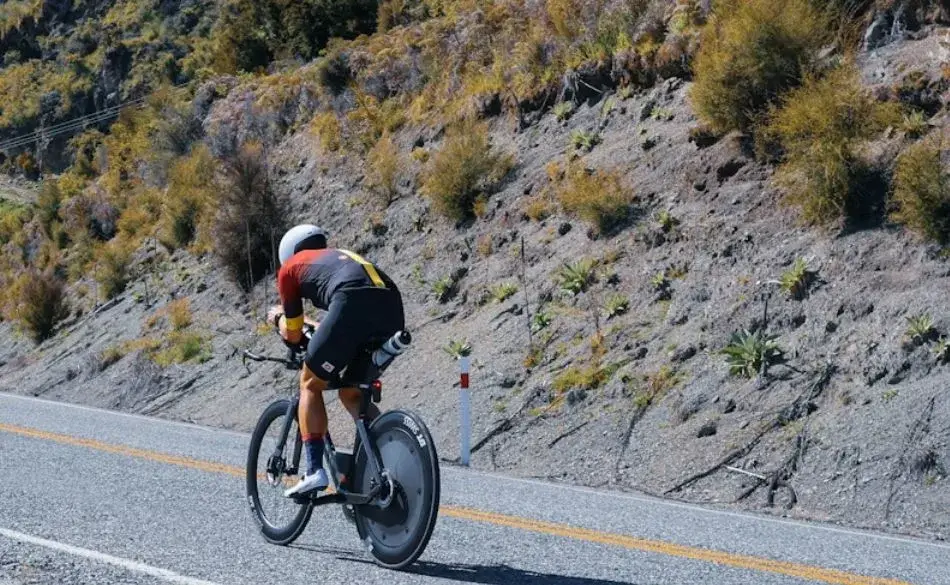

How to Safely Include Fasted Rides in Your Training
If you’re curious about trying a fasted bike ride, the most important thing is to approach it safely. Fasted cycling can improve fat adaptation and boost metabolic flexibility, but it’s not for every ride or every rider. Planning and moderation are key.
Here are some tips to get the most out of fasted training for cyclists:
- Start with shorter rides, around 30–60 minutes, to see how your body reacts.
- Stick to low to moderate intensity; avoid hard intervals until your body adapts.
- Hydrate well with water or an electrolyte drink before and during the ride.
- Refuel properly afterward with a balanced meal containing carbs and protein.
- Monitor your energy and mood; stop or reduce intensity if you feel dizzy or weak.
Many cyclists alternate fasted and fed sessions during the week. For example, you might do 1–2 morning fasted rides for metabolic adaptation and other rides fueled for higher intensity or long distance. This combination supports both endurance and performance.
Another consideration is ride timing. Low glycogen rides are often best done in the morning after an overnight fast. This gives your body the chance to practice using fat as fuel. However, for long endurance rides or races, being fed is usually smarter to maintain power output and delay fatigue. For a wider look at how cycling supports your whole lifestyle (including fitness, mental health and weight control) you might also find it worthwhile to check out our article on life‑changing benefits of cycling.
It’s also important to remember individual variability. Not all cyclists respond the same way. Some may feel strong and alert during fasted rides, while others may struggle. Start slow, track your responses, and adjust based on what your body tells you. Combining fasted cardio with regular fed sessions allows your body to get used to different fuel sources while reducing risk of fatigue or overtraining.
Overall, fasted cycling can be a useful tool for improving fat utilisation, endurance, and metabolic efficiency. Use it thoughtfully, adjust intensity and duration, and always refuel properly afterward to support recovery and long-term performance.
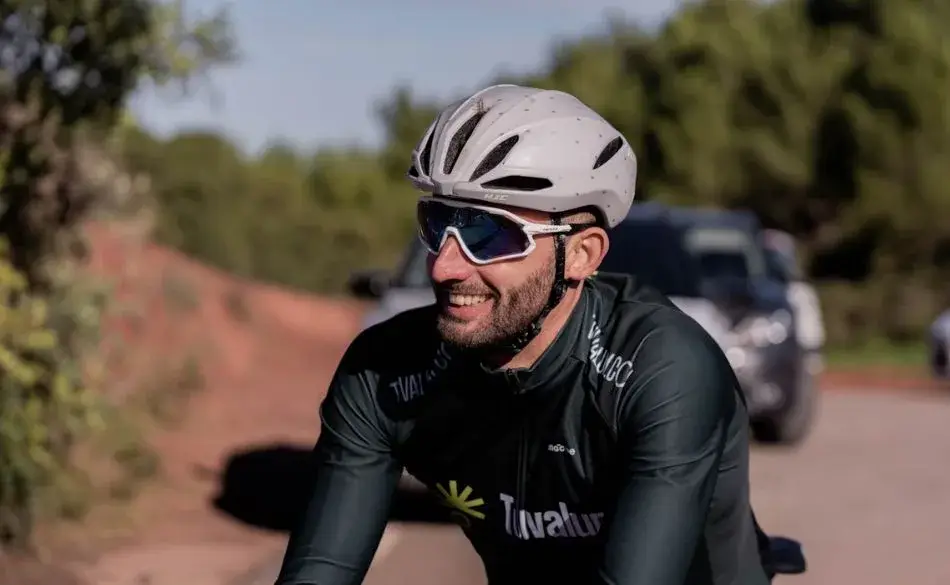
Timing and Nutrition Strategies for Optimal Performance
Even if you want to experiment with fasted rides, timing and nutrition matter a lot. Not all sessions need to be fasted. Choosing when to ride and what to eat before and after can make a huge difference in performance, recovery, and long-term adaptation.
Most cyclists find that low to moderate sessions in the morning work best. Overnight fasting naturally lowers glycogen, making your body rely more on fat. This is ideal for low glycogen rides and improving metabolic flexibility. High-intensity rides, long endurance sessions, or race simulations should generally be fueled to maintain power output.
Here are some practical strategies:
- Use 1–2 fasted rides per week for metabolic training; keep them shorter and moderate in intensity.
- Schedule fed rides when doing long distances, interval work, or high-intensity efforts.
- Consider a small snack (like a banana or energy gel) if you feel lightheaded or low on energy during a fasted session.
- Hydrate before, during, and after rides; electrolyte drinks can help prevent fatigue.
- Post-ride meals should combine carbs and protein to restore glycogen and support muscle repair.
Another tip is to track your responses. Everyone adapts differently to fasted rides. Some cyclists report feeling sharper and lighter, while others may struggle. For more guidance on when to ride for optimal performance, check out our morning vs evening cycling guide. Alternating fasted and fed sessions allows your body to get used to different fuel sources without compromising performance.
Finally, remember that total weekly training volume, intensity, and nutrition balance are more important than doing every ride fasted. Fasted sessions are just one tool in your training toolbox, helping your body become efficient at using fat for energy while maintaining overall endurance and recovery. By combining smart timing with proper fueling, you can make the most of both types of rides and avoid unnecessary fatigue or setbacks.
If you’re serious about weight loss through riding, our Cycling Weight Loss Plan delivers a 20‑week structured program built around fat‑burning zones, endurance sessions and habit‑forming workouts. Whether you’re new to the bike or pushing for real results, this is your pathway to change.
With personalised guidance based on your current fitness, available time and goals, you’ll train smart, ride strong and build a long‑term habit that supports weight loss and better health.
Get Started With Your Plan

How Different Rides Affect Your Training Adaptations
Not all rides are created equal, and alternating fasted and fed sessions can give your body a wide range of adaptations. Fasted sessions help your muscles and metabolism become more efficient at using fat as fuel, while fed rides support high-intensity performance and glycogen-fueled endurance. This combination can make your training more effective overall.
Some of the key performance benefits you may notice include:
- Improved energy efficiency during longer low glycogen rides.
- Enhanced ability to switch between fat and carbohydrate metabolism, also called fat adaptation cycling.
- Better endurance performance during moderate efforts, even when glycogen is low.
- Increased mental toughness as your body adapts to different fuel conditions.
Fed rides, on the other hand, allow you to:
- Maintain higher power output for intense intervals or race simulations.
- Complete longer rides with less risk of early fatigue or dizziness.
- Recover faster due to carbohydrate availability supporting glycogen replenishment.
- Focus on skill, pacing, and technique without worrying about energy drops.
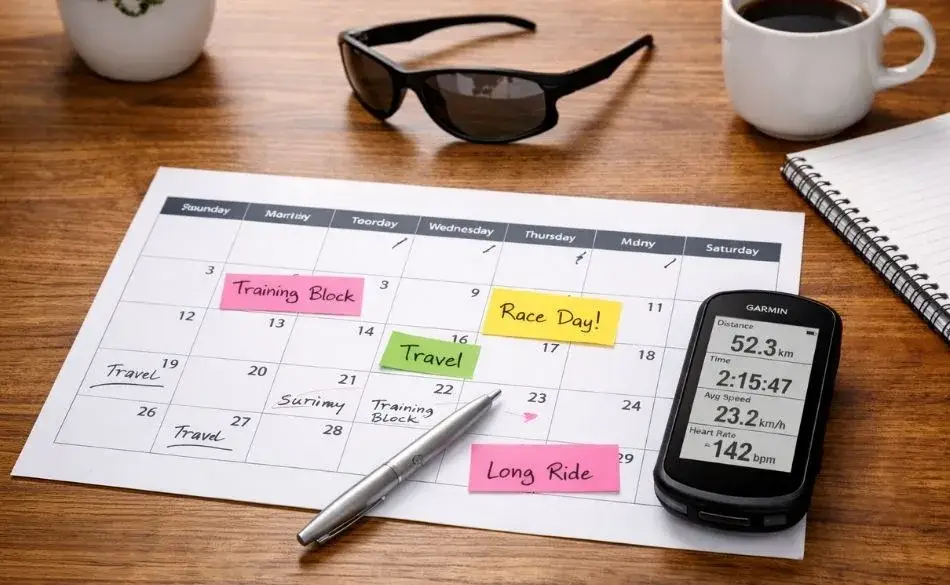
Many cyclists structure their week with a mix: 1–2 fasted rides for metabolic adaptation and the rest fed for performance and recovery. Tracking your energy, perceived effort, and recovery can help you determine how your body responds. Some riders thrive on morning fasted rides, while others may need a small pre-ride snack to feel comfortable.
Another important point is that adaptation takes time. Your body gradually becomes more efficient at burning fat during fasted cardio cycling, but it doesn’t happen overnight. If you’re curious about how ride timing (like morning vs evening) can affect your training and recovery, check out our Tabata intervals guide for speed and power. Consistency and balance are key. By alternating ride types, paying attention to intensity, and adjusting nutrition, you can gain the benefits of both fasted and fed sessions without compromising training quality.
Ultimately, using fasted rides strategically within a well-planned training week can improve endurance, metabolic flexibility, and performance over time. The goal is to maximize adaptations safely, combining different energy sources and intensities to make your cycling training smarter and more effective.


Common Mistakes With Fasting
Even experienced riders can make errors when incorporating fasted rides into their training. Understanding the risks and knowing how to avoid them is essential for safe and effective sessions. Fasted cycling can be beneficial, but mistakes can lead to fatigue, poor performance, or even injury.
Here are some common pitfalls:
- Starting with long or high-intensity rides before your body is adapted. Fasted sessions should begin with short, moderate rides to allow safe adaptation.
- Ignoring hydration. Even moderate rides can feel harder when fasted, and dehydration increases perceived effort and fatigue.
- Skipping post-ride refueling. Failing to replenish glycogen and protein can hinder recovery and reduce training benefits.
- Doing too many fasted sessions in a week. Overdoing it can increase the risk of muscle breakdown and reduce training quality.
- Not listening to your body. Signs like dizziness, nausea, or extreme fatigue mean you need to slow down or have a small snack.
Tips to stay safe and maximize benefits:
- Gradually increase the duration and intensity of fasted rides as your body adapts.
- Alternate fasted rides with fed rides to balance metabolic adaptation and performance gains.
- Use light snacks or electrolytes if you feel low energy or lightheaded during early sessions.
- Track your energy, mood, and performance to adjust your plan as needed.
- Keep longer or high-intensity rides fed to maintain power and reduce fatigue.
By being mindful of these mistakes and following practical tips, you can safely integrate fasted rides into your training routine. Fasted cycling works best when used strategically, as part of a balanced weekly plan that considers intensity, duration, nutrition, and recovery. Your body adapts over time, improving fat adaptation and endurance while reducing the risk of overtraining or negative side effects.


Finding the Right Balance for Your Rides
Fasted rides can be a powerful tool in your cycling training when used thoughtfully. They help improve fat adaptation cycling, metabolic flexibility, and endurance, but they’re not a one-size-fits-all solution. The key is balance: combine fasted sessions for metabolic benefits with fed rides for high intensity and recovery. Listen to your body, monitor your energy, and adjust intensity and duration as needed. By planning your week strategically, staying hydrated, and refueling properly, you can safely reap the benefits of both types of rides and take your cycling performance to the next level.