What Foam Rolling Actually Does Inside Your Muscles
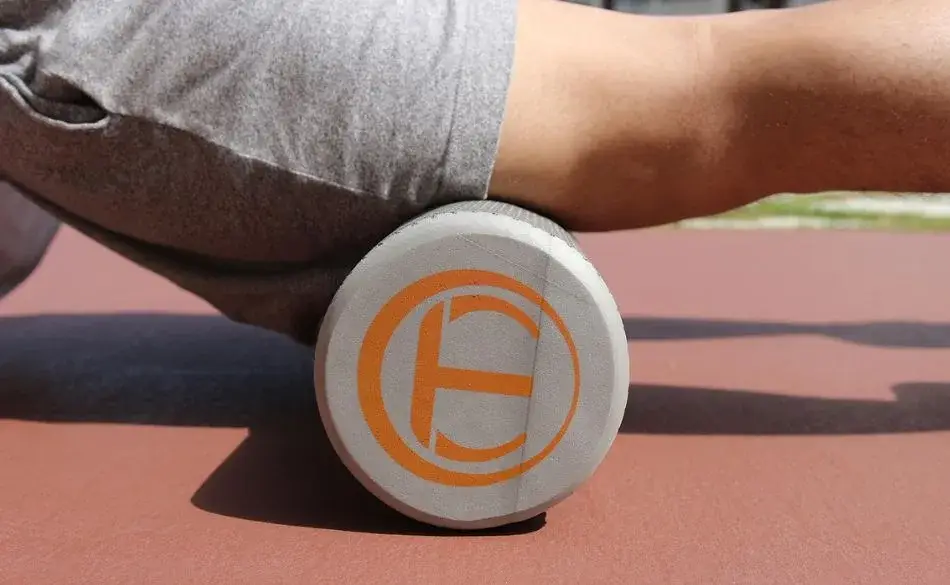
Many people think foam rolling is only about pressing into tight spots, but something much more interesting is happening under the surface. When you roll slowly over a sore area, your body responds by easing tension in the soft tissue. This is partly because the pressure affects small sensors in your muscles that help control tightness. When those sensors calm down, your body allows the muscle to relax.
You will also feel changes in your breathing as the pressure increases. When you exhale slowly, your nervous system shifts into a calmer state. This helps your body release tension even more. It is one reason foam rolling often feels easier when you breathe slowly rather than holding your breath and fighting the pressure.
This is also where the role of how to use a foam roller correctly matters. Simple mistakes like rolling too fast, pressing too hard, or skipping warm areas of the muscle can make the session less effective. Slower rolling gives your body time to relax. Lighter pressure is often better than intense pressure, especially for beginners. And smaller movements over tight areas usually work better than long sweeping rolls.
Another thing many people notice is an almost warm, melting feeling as the tissue softens. This is a sign that blood flow is increasing. Better circulation helps bring fresh oxygen into the muscle and moves waste products away. It is a big reason you often feel lighter or looser after a few minutes.
If you train often, foam rolling can help prepare your muscles for movement. It gently wakes up the tissue and increases your range of motion. Some athletes use it before workouts to make warm-ups smoother, while others keep it for after training when the muscles are already tired.
When you understand how your body reacts to pressure, foam rolling becomes smarter, easier, and far more helpful for long-term recovery.
If you’d like personal guidance that helps you move better, stay consistent, and recover with fewer setbacks, our Running Coaching offers structured planning, clear feedback, and support that adjusts to how your body feels each week.
Your coach helps you balance training and recovery so tightness doesn’t build up, your sessions feel smoother, and your body stays ready for the next step forward.
With a smarter approach and someone guiding the process, it becomes much easier to stay motivated, avoid common issues, and feel confident in your progress.
Learn More →
Why Foam Rolling Is So Helpful For Recovery
When you train hard, your muscles don’t just get tired. They also build up small pockets of tension and stiffness. Foam rolling helps break up that tight feeling so your body can recover between sessions. Think of it like gently ironing out the wrinkles in your muscles so they can move smoothly again.
One of the big benefits of foam rolling for beginners is that it gives you a simple way to care for your body without needing fancy equipment or long appointments. You can roll at home, at the gym, or even while watching TV. This makes recovery feel less like a chore and more like part of your normal routine. If you want ideas to get started, this guide on foam rolling exercises can help you learn a few simple movements you can use right away.
As you roll, you increase blood flow to the tissue. Warmer, well-supplied muscles heal better. This can reduce that heavy, wooden feeling in your legs after a tough run or ride. Some people also find they sleep better when they add a short foam rolling session in the evening. When your muscles feel calmer, your whole body has an easier time relaxing.
Here are some common recovery wins people notice when they roll a few times each week:
- Muscles feel less sore the day after hard training.
- Joints feel looser and easier to move through full range.
- Warm-ups feel smoother because the body does not start from a stiff state.
Of course, foam rolling is not magic. It will not fix poor training plans, bad sleep, or low-quality food. But it does help you get more value from the work you are already doing. It is one of those small habits that adds up over time.
Ask yourself this question: if you could spend five to ten minutes a day to feel fresher for your next workout, would you do it? Foam rolling is one of the simplest ways to make that choice pay off.
If you want to explore other recovery tools to support foam rolling, check out this guide on plunge recovery. Cold-water immersion can complement foam rolling after especially tough sessions.

Does Foam Rolling Actually Work For Real Recovery?
Here is the thing about foam rolling. A lot of people either love it or avoid it because they think it is just a fitness trend. So the big question many athletes and everyday runners ask is this one: does foam rolling actually work or is it just overhyped?
Research over the last few years has shown that foam rolling can reduce muscle soreness after hard training. It does not remove soreness completely, but it often makes that stiff, heavy feeling easier to live with. Many studies also show small but real gains in flexibility and range of motion after a short rolling session. That means your joints can move a bit more freely without needing long, painful stretching routines.
The key is to have the right expectations. Foam rolling is not a miracle tool. It will not turn a poor training week into a great one. What it does best is help your muscles feel more comfortable so you can keep training with better quality. Think of it as turning the “volume” down on tightness instead of switching it off completely.
You may also notice changes in how your body feels during warm-ups. When tissue is less stiff, your first steps, pedals, or lifts feel smoother. This can make it mentally easier to start hard sessions because your body does not feel like concrete from the first minute. Over time, that can help you stick to your plan more often.
There is also a mental side. Spending a few quiet minutes on the mat can act like a small reset button for your day. You focus on breathing. You scan how your body feels. You notice which areas are tight or tired. This awareness helps you make smarter choices about training loads and recovery.
If you’d like guidance that helps you stay strong on the bike while recovering well between sessions, our Cycling Coaching gives you structured training, weekly feedback, and smart adjustments based on how your body feels.
Your coach helps you balance hard rides with the right kind of recovery so tightness doesn’t build up, your legs stay responsive, and you avoid the fatigue that often gets in the way of progress.
With a personalised plan and someone guiding you through the small details, it becomes easier to stay consistent, improve smoothly, and feel more comfortable on every ride.
Learn More →

How Can You Use Foam Rolling For Muscle Recovery In Real Life?
Recovery is not just something that happens while you sleep. It is something you can guide with smart habits during the day. One of the easiest tools you have is foam rolling for muscle recovery, especially after harder workouts.
Think about your week of training. You might have easy days, hard days, and rest days. Foam rolling fits best around those harder sessions where your legs or back feel heavy and tight. A short session of five to ten minutes can help your muscles feel calmer and less “locked up” before the next workout.
A good rule is to focus on the areas that did the most work. After a tough run, that might be your calves, quads, and glutes. After a hard ride, you might feel more tension in your hips and lower back. You do not need to roll your whole body every time. It is better to choose three or four key spots and spend a little extra time on them.
Here is a simple way to structure a recovery-focused foam rolling session:
- Start with gentle pressure and slow rolling for one to two minutes on each muscle.
- Find one or two tighter spots and pause on them while breathing slowly.
- Finish with lighter rolls to “cool down” the area and help it feel safe again.
You can use this pattern after hard sessions or on quiet recovery days. Some people like to roll in the evening when they have more time and their body has cooled down from training. Others prefer right after a workout while the muscles are still warm.
Ask yourself what feels easiest to stick with. A short, regular habit always beats a long, perfect routine that you never do. When foam rolling becomes a normal part of your training week, your body gets steady support instead of random help only when everything feels tight and sore.
How Often Should You Foam Roll For Best Results?
One of the biggest practical questions people ask is how often should you foam roll to actually notice a change. The honest answer is that you do not need to spend hours on it. Small, regular sessions work far better than rare, long ones that you only do when everything feels tight.
Most active people do well with foam rolling three to five times per week. This might sound like a lot at first, but the sessions can be very short. Five to ten minutes after your key workouts is often enough. On easier days, you can either skip it or do a lighter, quick check-in on any areas that feel a bit stiff.
You can think about your week like this. Hard training days place more stress on the body, so they benefit most from rolling. Easy days and rest days are there to let the body rebuild. Foam rolling can still help on those days, but it should feel gentle, not like a hard workout on its own.
Here is a simple way to plan it:
- Roll after your two or three hardest sessions of the week.
- Add one short evening session if your legs or back feel very tight.
- Keep at least one full day where you do not roll at all, so your body can simply rest.
Pay attention to how your body responds over a few weeks. Do you feel less heavy at the start of runs or rides? Are you able to move into good positions more easily in the gym? These are signs that your routine is working.
If you notice that rolling makes you feel more sore or bruised, you might be doing too much or using too much pressure. In that case, cut back the frequency, lighten the pressure, and focus on slower, calmer breathing. Foam rolling should feel like support for your training, not punishment for your muscles.


Where Should You Start Foam Rolling When Everything Feels Tight?
When your whole body feels tight, it can be hard to know where to start. A smart way is to begin with the muscles that do the most work in your training. For many people, that means the calves, quads, hips, and lower back. Working on these areas first often gives the biggest feeling of relief.
If you run or walk a lot, your lower legs take a beating. Simple foam roller exercises for tight calves can make a big difference to how your stride feels. You can sit on the floor with the roller under one calf, lift your hips, and roll slowly from ankle to just below the knee. When you find a tender spot, pause, breathe out, and let the pressure sink in for ten to twenty seconds. If that tight feeling keeps coming back, this guide on calf pain when running explains common causes and when extra care might be needed.
Your lower back is another common trouble zone. Long hours sitting, then sudden training, can leave it feeling stiff and achy. Gentle work aimed at foam rolling for lower back pain relief should focus more on the muscles around the spine, not directly on the bones. Place the roller under your mid-back, cross your arms, and slowly roll up and down a short distance. If a spot feels sharp or nervy, ease off and shift your weight.
One of my coaching clients, Lisa, used to finish every long run with heavy, aching legs and a tight back. We built a simple foam roller routine for runners that took less than ten minutes. She rolled her calves, quads, and glutes after long runs, then did a short session for her back in the evening. Within a few weeks, she told me her legs felt “less like concrete” the next day and that she could start her recovery runs feeling far more normal.
You do not need to hit every muscle each time you roll. Start with the areas that work hardest, listen to how your body responds, and build from there.


Is It Better To Foam Roll Before Or After Your Workout?
One common question you might have is whether it is smarter to roll before training, after training, or both. The honest answer is that it depends on what you want from the session. When you think about foam rolling before or after workout, it helps to be clear about your goal. Are you trying to move better, or are you trying to recover?
Before a workout, foam rolling works best as part of your warm-up. The goal is to reduce stiffness just enough so your joints move freely. You want light to moderate pressure and short sessions on each muscle. This should not feel like a deep, painful treatment. Instead, it should feel like you are waking the tissue up and getting ready to move.
After a workout, the focus shifts. Your muscles are tired, maybe a bit swollen, and more sensitive. Rolling at this time should feel slower and calmer. You can spend more time on tight areas and use your breath to help the body relax. This is not the time to attack sore muscles with the heaviest pressure you can handle. Think gentle support, not punishment. For more ways to help your body wind down after training, this cool down guide for runners explains simple steps that pair well with foam rolling.
Use the guide below to decide what makes sense for you on a given day. If you feel stiff and “rusty” before a session, a short pre-workout roll can help. If you feel tight and achy after a hard day, a longer, softer post-workout roll often works better. Over time, you will find the mix that feels right for your body.
👉 Swipe to view full table
| Category | Foam Rolling Before Workout | Foam Rolling After Workout |
|---|---|---|
| Main Goal | Reduce stiffness a little and improve joint movement for the upcoming session. | Calm tired muscles, ease soreness, and support recovery between sessions. |
| Pressure Level | Light to moderate pressure that wakes the tissue up without causing pain. | Moderate pressure where you feel a strong but controllable sensation. |
| Time Per Muscle | 30 to 60 seconds on key muscles linked to the workout you are about to do. | 60 to 120 seconds on muscles that feel heavy, tight, or sore from training. |
| Best Muscle Targets | Calves, quads, glutes, and hips that feel stiff before running or riding. | All main working muscles from the session, especially legs and hips. |
| Movement After Rolling | Follow with dynamic drills like leg swings or easy strides to finish warm-up. | Follow with gentle walking, stretching, or breathing to help the body relax. |
| Best For | People who feel tight or rusty at the start of workouts and need better mobility. | People who feel heavy, sore, or achy after hard sessions and want faster recovery. |
If you’d like support that helps your whole body feel more prepared for each session, our Triathlon Coaching gives you personalised planning, weekly adjustments, and guidance that responds to how your muscles feel throughout your training load.
Your coach helps you manage fatigue from all three disciplines so tight areas don’t build up, movement stays smooth, and you feel more in control of your progress week to week.
With a clearer structure and someone supporting your recovery choices, it becomes easier to stay consistent, reduce soreness, and train with more confidence for your next event.
Learn More →

What Are the Best Foam Rolling Techniques for Athletes?
If you train often, you already know how quickly tension can build in your legs, hips, and back. This is where smart techniques matter. Using the best foam roller techniques for athletes can help you stay loose, reduce stiffness, and feel ready for your next workout. You do not need to be perfect. You just need to follow a few simple principles that help your body respond well to pressure.
Start with slow rolling. Moving too fast does not give your muscles time to relax. A slow pace tells your body that the pressure is safe. This is especially true for runners and cyclists who develop tight spots from repeating the same movements every week. Spend extra time on those stubborn areas, and try to watch for small changes in how they feel.
Next, try pausing on tender spots. When you stop and breathe, the muscle begins to soften. Think of it like holding a warm hand on a cold piece of clay. The longer you stay in one spot, the more the tissue gives in. Ten to twenty seconds is usually enough. If you feel sharp pain, back off. If you feel a strong but manageable pressure, stay with it.
Rotation can also help. Instead of rolling straight up and down, tilt slightly to one side so you reach different fibers in the muscle. This works well for calves, quads, and glutes. Just a small change in angle can reach areas that standard rolling often misses.
Here are a few simple ideas that athletes find helpful:
- Roll at the end of hard sessions when your legs feel heavy or full.
- Keep your breathing slow so your muscles stay calm instead of guarding.
- Use a softer roller if you train daily or have sensitive areas.
- Add a few dynamic movements after rolling to help the body integrate the new range.
When you use these small techniques with purpose, foam rolling becomes less about pushing through pain and more about helping your body stay healthy and strong.
If you notice that rolling along the outside of your thigh feels sharp or uncomfortable, especially over the IT band, you may find this guide on what to do when a foam roller IT band hurts helpful for adjusting your technique and choosing safer pressure levels.

How Can You Make Foam Rolling A Habit You Actually Stick With?
Here is the thing about foam rolling. It only helps if you actually do it. Most people buy a roller, use it for a week, then let it collect dust in the corner. The big key is to make it simple, short, and linked to something you already do.
Start by choosing one small time in your day. That might be right after your shower, after your evening walk, or straight after training. Attach your foam rolling to that moment. For example, “When I finish my run and sip water, I roll my calves for five minutes.” Linking habits like this makes them much easier to keep.
You can also make the setup easy. Keep the roller somewhere you can see it, not hidden in a cupboard. Place it near the couch, near your yoga mat, or in the room where you change after training. When it is in sight, it is in mind. When you have to dig it out from a pile of gear, your brain will choose the couch instead.
Ask yourself what feels realistic right now. Could you start with just five minutes, three times per week? Could you focus on only one or two muscles at first, like calves and quads, instead of trying to do everything? A small, repeatable routine is more powerful than a perfect one that you never follow.
It also helps to pay attention to the little wins. Do your first few steps in the morning feel smoother? Do your legs feel less heavy at the start of runs? Does your back complain less after long days at work? Noticing these small changes keeps you motivated.
There will be days when you feel too tired or too busy. That is normal. On those days, even one or two minutes on your tightest area is better than nothing. Foam rolling is not about being perfect. It is about giving your body a bit of care, often enough, that it can keep doing the things you love without feeling worn out all the time.