What Does a Triathlon Coach Actually Do Each Week?
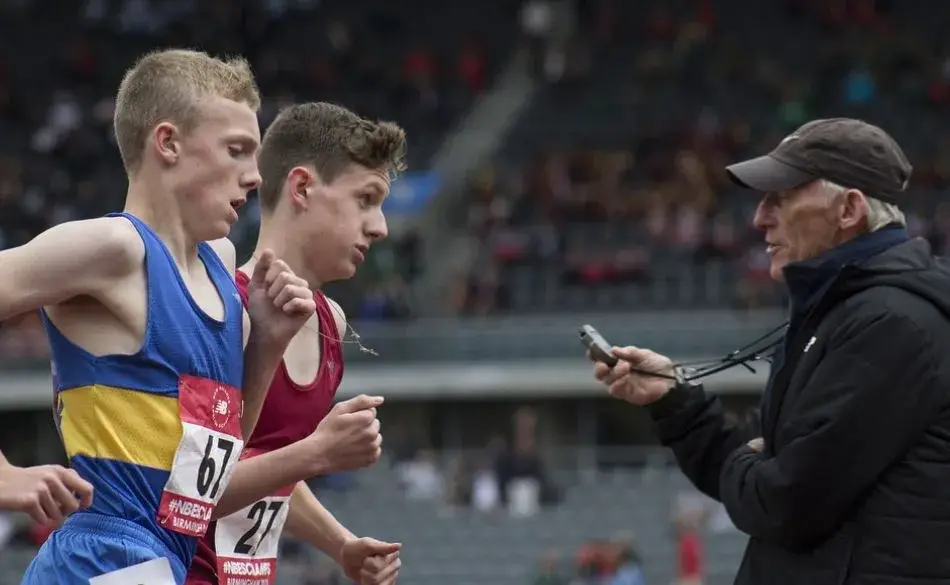
A triathlon coach does far more than write workouts. Your job is to guide athletes through the three sports, help them stay healthy, and support their goals. Most new coaches are surprised by how many small details matter. You become part teacher, part problem-solver, and part motivator. And the truth is, you learn a lot about people along the way. For a look at how structured coaching can support different types of athletes, you can explore our triathlon coaching services to see how real coaching programs are built.
You’ll spend time planning sessions that fit an athlete’s life, not just their fitness. A coach listens first, then creates a plan that matches energy levels, schedule changes, and training history. This is why understanding the skills needed to be a triathlon coach is so important early on. You’re not just sharing knowledge. You’re shaping someone’s confidence.
Many coaches also help athletes with gear choices, pacing advice, race-week planning, and mental skills. If you’re wondering where technology fits in, tools like GPS watches, power meters, and training software play a huge role today. As you learn, you’ll find the best tools for triathlon coaches to track progress and keep communication smooth.
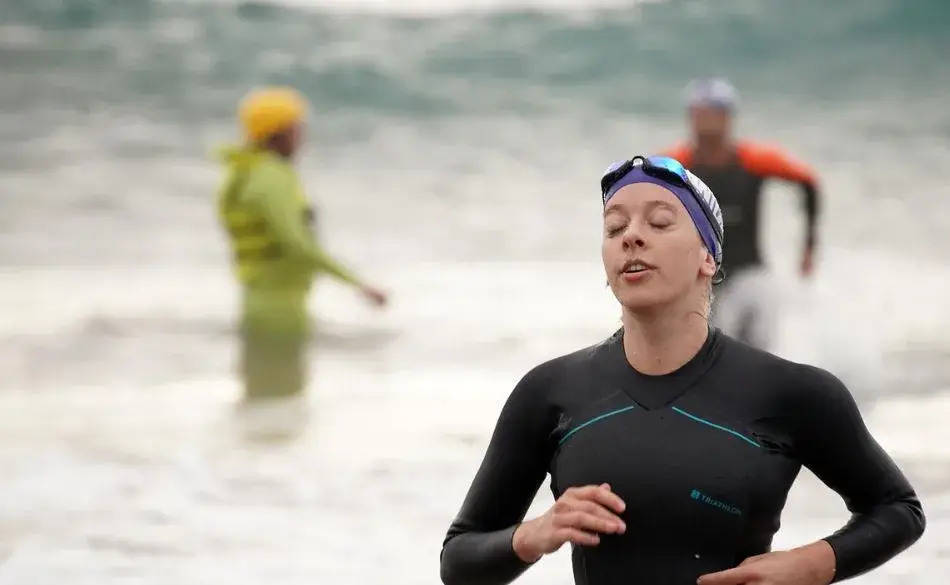
One of my coaching clients once said, “You don’t just train my body. You train my mind.” She had struggled with open-water fear for years. But with steady support and simple drills, she completed her first sprint triathlon. Watching her come out of the water smiling reminded me why this job matters so much.
A typical week might include updating training plans, reviewing data, checking in with athletes, and adjusting workouts after life gets busy. These small actions build trust over time. You’ll also spend time learning, because the sport changes fast. New research, new tech, and new methods appear every year.
If you enjoy helping others grow and you’re open to learning, you already have the foundation for a strong coaching career.
If you're ready to take the next step in your coaching journey and want guidance on structuring athlete plans, using data tools, and developing a confident coaching style, the Triathlon Coaching Program at SportCoaching gives you real examples, proven systems, and insight into how successful coaches support athletes at every level.
You’ll see how structured planning, smart communication, and steady progression come together—so you can model your own coaching around methods that truly work in the real world.
Explore Coaching Options
What Qualifications Do You Need To Become a Triathlon Coach?
Becoming a triathlon coach doesn’t require a perfect athletic background. What matters most is your desire to help people train safely and improve. Still, having the right triathlon coaching qualifications makes your work easier and builds trust with athletes.
Most national coaching bodies offer a beginner-level course that covers the basics. This usually includes training theory, sport safety, session planning, communication skills, and how to manage athletes with different abilities. These courses often blend classroom learning with hands-on practice. That’s why they’re such a helpful starting point for anyone new. If you want an example of a recognised pathway, the British Triathlon Become a Coach Page provides a clear breakdown of how new coaches can get started.
Every organisation sets its own triathlon coach certification requirements, but they tend to look similar. You might complete an online module, attend a weekend workshop, pass a small test, or shadow an experienced coach. Some programs also ask for a valid first-aid certificate, since you’ll be working in pools, open water, and on bike routes.
If you live far from major cities, you can explore how to get certified as a triathlon coach through online education. Many platforms offer digital learning that includes video lectures, quizzes, and real coaching tasks you complete with athletes in your local area. A recognised program will provide a certificate that race directors and clubs understand.
To give you a clearer idea, beginner certifications often teach you:
- How energy systems work in swimming, cycling, and running.
- How to build simple training plans for athletes of different levels.
- How to adjust workouts when an athlete is injured, stressed, or tired.
- How to keep open-water, bike-road, and gym sessions safe.
Some coaches continue learning through advanced courses, sport science study, or endurance-specific education. But you don’t need those right away. What matters is building a strong base that helps you feel confident from day one.


What Skills Do You Need Before You Start Coaching?
You don’t need to be the fastest athlete to become a great coach. But you do need a few core abilities that help you guide others. Many new coaches worry they aren’t qualified enough, yet they’re often more prepared than they think. The key is understanding the real skills needed to be a triathlon coach and knowing which ones you can develop over time.
The first skill is communication. You must explain training plans in a simple way so athletes feel confident, not confused. A clear message helps people stay focused, especially during busy weeks. You also need to listen closely. Athletes won’t always say they’re stressed or tired, but their tone and training habits will show it.
The second skill is basic training knowledge. You don’t need a sport science degree, but you should understand how swimming, cycling, and running work together. This helps you build plans that keep athletes strong without wearing them down. Most beginner coaches learn these skills during their first certification course or by studying real-world examples.
Here are a few abilities that make coaching smoother as you grow:
- The ability to adjust plans quickly when life gets busy for an athlete, using training logs and simple data review.
- Confidence using basic data analysis tools, GPS watches, power meters, and heart rate monitors to spot trends.
- Understanding RPE (rate of perceived exertion), heart rate data, and power data so you can match effort to the goal of each session.
- Basic knowledge of periodization so you can plan training blocks across a season instead of only week by week.
- Awareness of injury signs so you can keep athletes safe and suggest changes when something feels wrong.
- A calm, steady approach when athletes feel nervous or frustrated, especially before races or hard training blocks.
You may also wonder whether you need business or technology experience. These help later, especially when you explore online coaching or group training. But they’re not required at the start. You can learn each skill step by step.
The nice part is that coaching is a people-focused job. If you enjoy helping others, you already have a solid base. Many great coaches began with curiosity, patience, and a desire to watch athletes succeed. Everything else can be learned as you build experience.
What Does a Triathlon Training Plan Actually Look Like?
A big part of coaching is learning how to organise training in a way that helps athletes get stronger without burning out. This is where your understanding of energy systems, recovery, and season structure starts to matter. Many new coaches feel unsure when they first try building a plan, but the idea becomes much clearer once you see how weekly and monthly patterns work together.
This is also where periodization comes in. It’s the method coaches use to build training in waves so athletes improve without constant fatigue. You’ll use tools like training logs, session feedback, and data from heart rate, power, and RPE to adjust plans. These are the same tools for triathlon coaches that help you guide athletes through a full season with confidence.
To help you picture this better, here’s a simple table showing how different training phases shift the athlete’s focus. Even though the structure changes across the year, the goal stays the same: steady progress without injury.
👉 Swipe to view full table
| Training Phase | Main Focus | Key Workouts | Coach Responsibilities |
|---|---|---|---|
| Base Phase | Build aerobic fitness and strong habits. | Easy endurance rides, aerobic runs, relaxed swims. | Track HR and RPE, teach technique, keep volume steady. |
| Build Phase | Increase strength and introduce moderate intensity. | Tempo efforts, hill work, longer intervals. | Monitor power trends, adjust plans when fatigue rises. |
| Peak Phase | Sharpen speed and race-specific skills. | Brick workouts, race-pace intervals, open-water sessions. | Fine-tune pacing, reduce volume, manage athlete stress. |
| Taper Phase | Reduce fatigue while keeping the body sharp. | Short, crisp efforts with plenty of rest. | Support nerves, keep communication high, adjust sleep goals. |
A good coaching plan isn’t about making training harder. It’s about making training purposeful. Once you understand how to use data, RPE, and structured phases, building plans becomes one of the most enjoyable parts of coaching. If you want an example of how structure helps athletes stay consistent, this guide on training for a triathlon when you’re short on time shows how smart planning supports busy athletes without adding stress.

How Do You Start Your Own Triathlon Coaching Business?
Once you have your basic education and some confidence, the next step is learning how to start a triathlon coaching business. This part can feel scary at first, but it becomes much easier when you break it into simple stages. You don’t need a big brand, a fancy website, or a huge social media following. What you need is clarity about who you want to help and how you want to coach.
A good place to start is deciding whether you want to coach in person, online, or a mix of both. Many new coaches begin with one or two athletes from their local club. This gives you real experience without feeling overwhelmed. As you grow, you can expand slowly, adding more structure and more tools to your workflow.
Here are a few steps that make launching your coaching business smoother:
- Define your ideal athlete, such as beginners, age-groupers, or long-course racers.
- Create simple monthly coaching packages so athletes know what they’re paying for.
- Use basic planning software or spreadsheets before investing in advanced tools.
- Start with fair prices and adjust once you understand the time each athlete needs.
- Keep communication clear so athletes feel supported from the start.
You may also choose to explore how to become an online triathlon coach. This path gives you flexibility and lets you work with athletes all over the world. Online coaching relies on strong communication, clear plans, and the ability to read training data. Even simple tools like heart rate files, power trends, and written feedback help you guide athletes effectively from a distance.
Many new coaches worry they don’t know enough yet, but most learn the business side step by step. The first athlete you help will teach you more than any book ever can. With time, you’ll develop your style, refine your packages, and build a reputation based on trust and results.


How Much Money Can You Make as a Triathlon Coach?
Money isn’t the only reason people choose to coach, but it’s still an important part of the picture. Many new coaches want to know what to expect, and the truth is that income varies a lot. Your experience level, location, number of athletes, and whether you coach online all play a part. This is why you’ll often hear the phrase triathlon coach salary expectations when people start planning their future.
Most beginner coaches start small, working with just a few athletes. This might bring in a modest amount at first, but it’s the safest way to build confidence and learn how much time each athlete needs. As you take on more athletes, your income grows naturally. Some coaches prefer working with many athletes on basic plans, while others choose fewer athletes with higher-touch coaching.
Another factor is how you structure your coaching packages. Monthly plans with regular check-ins are the most common. Online coaching usually brings more flexibility because you can work with athletes in different time zones. It also allows you to scale in ways that in-person coaching cannot. Many coaches earn more once they add digital tools, group programs, or occasional training camps. For a deeper look at how affordable online coaching models work, see this Affordable Online Coaching Guide.
Here are a few things that influence earning potential:
- How many athletes you want to coach at one time.
- Whether you offer premium services like data analysis or race planning.
- Your experience level and coaching qualifications.
- Whether you coach in person, online, or use a hybrid model.
Some full-time coaches earn a stable income, while others earn part-time but enjoy the work deeply. What matters most is designing a coaching style that fits your life. Once you build trust, show consistent results, and improve your skills each season, your earning potential grows naturally.


What’s the Best Way to Get Your First Few Athletes?
Getting your first athletes is one of the most exciting steps in becoming a coach. It’s also the moment where everything becomes real. Many new coaches think they need a big social media presence or years of experience before anyone will trust them, but that isn’t true. Most coaches start small, often with a single athlete who believes in them.
The easiest place to begin is your local triathlon community. Clubs, group rides, open-water swim sessions, and local races are full of athletes who want guidance but don’t know where to start. When you’re present, friendly, and willing to help, people naturally ask questions. That curiosity often leads to your first coaching connection. If you often work with beginners, this guide on whether you need a coach for your first triathlon can help you understand the questions new athletes usually ask.
Another great path is assisting an established coach. Many experienced coaches appreciate help with swim sessions, athlete check-ins, or beginner clinics. Supporting them gives you hands-on experience while building trust in the community. It also exposes you to different coaching styles, so you can discover what feels right for you.
Here are a few simple methods that help new coaches find their first athletes:
- Offer to build a basic training plan for a friend preparing for a short triathlon.
- Host a free Q&A session at a club meeting or local bike shop.
- Share helpful training tips in community groups without selling anything.
- Create a simple webpage that explains who you coach and how to contact you.
- Volunteer at local races where athletes can meet you in person.
You don’t need fancy tools to start, but using clear communication and steady planning helps athletes feel supported right away. As they progress, your confidence grows too. Before long, one athlete turns into three, then five, and soon you’ll have a small, motivated group who trust your guidance.
Getting started is the hardest part, but once you help your first athlete improve, you’ll understand exactly why coaching is so rewarding. Many new athletes also wonder if coaching is worth the investment, and you can explore that idea further in this guide on whether hiring a triathlon coach is worth it as you learn how to communicate your value.

Your Path to Becoming a Triathlon Coach Starts Today
Becoming a triathlon coach isn’t about being perfect. It’s about caring for athletes, learning steadily, and showing up with patience and confidence. If you’ve made it this far, you already have the curiosity and heart that real coaching requires. The rest is simply gaining experience, building the right skills, and growing one athlete at a time.
It helps to remember that every coach starts exactly where you are right now. Unsure. Excited. A little nervous. But that mix of feelings is what makes the journey meaningful. With each athlete you guide, you learn something new about training, communication, and your own leadership style.
You don’t need to rush. You don’t need to know everything today. What matters is taking the first step, whether that’s joining a certification course, assisting another coach, or helping a friend train for their first race. Each action moves you closer to the coach you want to become.
Coaching is a career built on trust, support, and steady progress. When you help someone cross a finish line they once thought was impossible, the feeling stays with you. It reminds you why this path is worth the work.