Why Your Knees Hurt When You Start Running
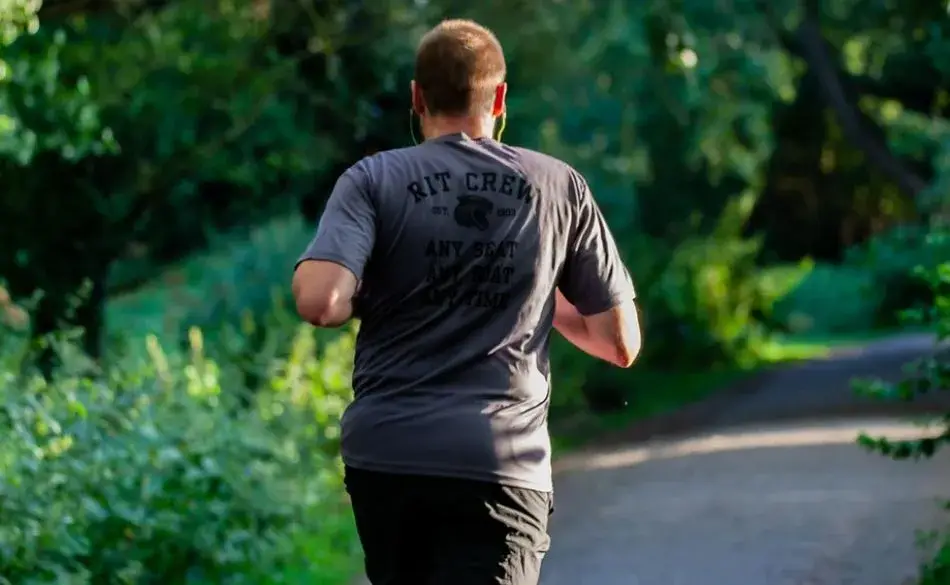
Knee pain often shows up before you expect it. Even an easy jog can feel rough if your body is not ready for the load. Many runners notice discomfort right at the start of a workout and begin to ask why do my knees hurt when I start running even when they feel fit. The main reason is simple. Your joints are taking on more stress than your muscles can support.
When the muscles around your hips and knees are weak, your legs struggle to control each step. This makes your knee move in ways it should not. Even small shifts add pressure. Runners with limited hip strength often twist slightly with every stride. This makes their knees work harder than they should.
Your running form also plays a big part. If you reach your foot too far in front of your body, you are landing with a braking force. This creates more impact and makes your knees absorb more shock. Many beginners do this without knowing. They start too fast or take long strides that feel powerful but overload the joints. Adjusting to running form to reduce knee pain can make a big difference almost immediately.
One of my coaching clients, Sarah, struggled with aching knees during her warm up. She could run a full 5k, but the first ten minutes felt painful every time. Her issue was weak hip control. Once we added small strength sessions and slowed her early pace, she improved within weeks. Experiences like this show how much your muscles affect your knees. This is why many runners ask how to run with proper knee alignment even though the solution often starts with better strength and relaxed pacing.
If your knees hurt during the first few minutes of a run, do not panic. Your body may only need a smoother start, stronger support muscles, or a small form adjustment. Those small changes often create the biggest relief.
If you want a clear, structured plan to guide your running safely, our Running Coaching program helps you build strength, improve form, and progress steadily. You’ll know when to increase mileage, incorporate strengthening exercises, and make adjustments to protect your knees.
Many runners struggle because they’re unsure how to balance training and recovery. We create plans that match your current fitness, schedule, and goals so you can run consistently without discomfort or guesswork.
Whether you’re returning from injury or looking to prevent future knee issues, expert guidance ensures you run stronger and smarter.
Get Expert Support →

Simple Form Fixes That Protect Your Knees
Here’s the thing about running: small changes in your form can save your knees a lot of stress. Overstriding, landing hard on your heels, or letting your knees collapse inward all increase impact. Many runners do these without realizing it.
Improving your technique doesn’t require fancy equipment. Focus on the basics first. Pay attention to how your feet strike the ground and how your knees track over your toes. Small tweaks make a huge difference over time.
Key adjustments include:
- Shorten your stride: Avoid landing with your foot far ahead of your body. This reduces braking force and protects the knees.
- Increase cadence gradually: Aim for slightly quicker steps. This helps absorb impact more evenly and prevents joint overload. This is a safe way to increase running cadence safely.
- Engage your hips and glutes: Strong glutes stabilise your legs. This prevents your knees from twisting and reduces strain.
- Land softly: Imagine quietly placing your foot on the floor. Less impact equals happier knees.
- Maintain upright posture: Avoid leaning too far forward or backward. Proper alignment helps your knees track correctly.
Beginners often ask how to practice these changes. One approach is to include short form drills during warm-ups. For example, high knees, butt kicks, and skipping can activate the right muscles and train your nervous system to move efficiently.
Another tip: video yourself running. Watching from behind reveals whether your knees drift inward or outward. This simple feedback helps you adjust quickly, especially if you are learning how to run with proper knee alignment.
Finally, remember that form improvements are not instant fixes. Consistent practice over several weeks is key. Even a small improvement each run compounds into big changes, reducing discomfort and increasing confidence. By focusing on alignment, cadence, and soft landing, you create a foundation for long-term injury-free running.

Strength Exercises That Keep Your Knees Safe
Strong muscles are your knees’ best friend. Weak quads, hips, and glutes can make your joints work harder than necessary. This is why many runners experience discomfort early in a run or after increasing mileage.
Focusing on strength training is one of the most effective ways to prevent knee pain. Simple exercises done two to three times a week can make a huge difference. Here’s a list of exercises that target key areas:
- Squats: Strengthen quads and glutes. Keep knees tracking over toes for proper alignment. Essential for how to strengthen knees for running.
- Lunges: Improve balance and hip stability. Forward or reverse lunges help control knee movement.
- Glute bridges: Activate glutes to prevent inward knee collapse, supporting best running form to reduce knee pain.
- Side leg raises: Strengthen hip abductors. Helps maintain knee alignment while running.
- Step-ups: Mimic running movement. Great for improving single-leg strength and endurance.
- Calf raises: Support ankle stability and shock absorption, indirectly protecting the knees.
For targeted stretches that complement this routine and help relieve knee tension, check out our Stretches for Runner’s Knee guide. Beginners can start with bodyweight only. Advanced runners may add light dumbbells or resistance bands. The goal is controlled movement and consistent practice, not heavy lifting. Performing these exercises regularly teaches your muscles to work in harmony with your knees, reducing injury risk. For more research-backed strategies on preventing and managing common knee injuries in runners, see this evidence-based review.
Many runners wonder how to combine these with their weekly runs. A good approach is 20–30 minutes after easy runs or on rest days. Short, focused sessions improve strength without adding unnecessary fatigue. This also supports learning how to run with proper knee alignment and integrates with cadence adjustments discussed earlier.
Remember, exercises alone won’t fix all problems. Pair them with smart running habits, proper shoes, and attention to form. Over time, you’ll notice smoother strides, less pain, and more confidence. Small, consistent steps in strength training translate into big improvements for your knees and overall running experience.


Which Running Surface Is Best For Your Knees And Performance
Not all running situations put the same stress on your knees. The surface you run on, time of day, and intensity can all influence how much your joints are loaded. Understanding these differences helps you adjust your training smartly and prevents overuse injuries.
Here’s a clear comparison of common running conditions to see how they affect energy, performance, and knee stress:
👉 Swipe to view full table
| Category | Soft Surface Running | Hard Surface Running | Treadmill Running |
|---|---|---|---|
| Knee Impact | Lower impact; shock absorbed by grass, dirt, or trail. Eases pressure on knees. | Higher impact; concrete or asphalt increases ground reaction forces, more strain on joints. | Moderate impact; treadmill belt cushions landing, easier to control speed and stride. |
| Energy & Performance | May feel slower due to uneven footing; stabilizing muscles work more. | Stable surface allows faster pace but increases knee stress, especially for beginners. | Controlled environment; consistent pace, easier on knees, good for is treadmill running easier on knees. |
| Cadence Adjustment | May naturally shorten stride, increase cadence slightly; reduces knee load. | Longer strides common; overstriding can increase knee stress if not careful. | Easy to monitor and adjust stride; helps practice how to increase running cadence safely. |
| Injury Risk | Lower risk of overuse; terrain irregularities may cause ankle or knee twists. | Higher risk of joint pain, especially for runners with weak hips or poor form. | Lower risk of knee pain if form and alignment are correct; controlled environment reduces surprises. |
| Best For | Beginners learning best running form to reduce knee pain, trail runners, those building strength slowly. | Experienced runners focusing on pace and endurance; must monitor knees carefully. | Rehabilitation, controlled training sessions, and practicing how to run with proper knee alignment. |
Using this table, you can plan your runs to match your goals and protect your knees. Combining surface choice with strength work, cadence adjustments, and proper form ensures safer and more enjoyable running experiences.
Our Marathon Running Training Plan guides you from base building to longer runs while protecting your knees. Each week is designed to increase mileage safely, develop endurance, and keep you confident during every run.
Instead of guessing how far or fast to run, you follow a structured schedule that matches your current fitness. This ensures gradual progress, reduces knee strain, and helps prevent overuse injuries.
Whether you are training for a marathon, half marathon, or just want stronger long runs, a guided plan keeps you on track and running safely without setbacks.
View Marathon Plan →

Choosing The Right Shoes And Gear To Protect Your Knees
Your shoes are your first line of defense against knee pain. Even small differences in cushioning, stability, and fit can dramatically affect how your knees feel during runs. Many runners underestimate how much impact footwear has on joint stress.
Here are some key points to consider when selecting running shoes:
- Cushioning: Look for shoes that provide shock absorption. This reduces strain and helps with recovery from knee pain after running.
- Support: Stability or motion-control shoes can help guide your foot and keep your knees aligned, especially if you have overpronation.
- Fit: Shoes should feel snug but not tight. A good fit prevents unnecessary twisting of the knee and foot.
- Terrain-specific: Trail shoes for uneven surfaces, road shoes for asphalt. The right shoe for the surface lowers knee stress.
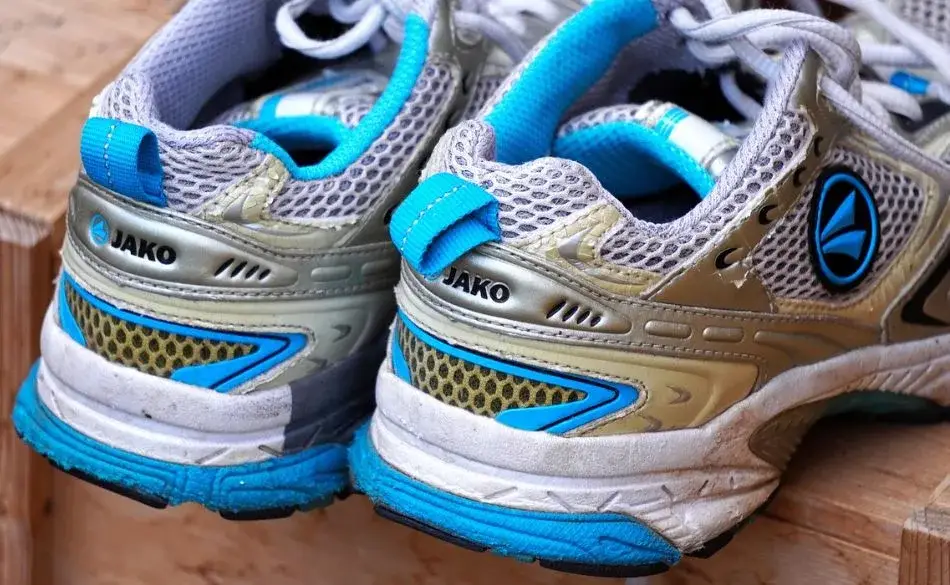
- Replace regularly: Worn-out shoes lose cushioning and support, which can increase knee discomfort.
Other gear can help too. Compression sleeves or knee braces can support the joint, but they are best used in combination with strength work and proper form. Avoid relying on them as a substitute for correcting technique or improving muscle strength.
Beginner runners often ask how to combine shoe selection with cadence and form adjustments. Start with a shoe that feels comfortable and allows you to maintain your stride without overstriding. Pair this with light strengthening exercises and gradually increasing cadence. This approach supports running form to reduce knee pain and reduces the chance of overuse injuries.
Remember, there is no one-size-fits-all solution. Your experience may differ from others, and testing a few options is normal. The goal is a combination of supportive footwear, correct alignment, and stronger muscles so you can run comfortably and confidently. This strategy also helps those who want to know how to start running again without knee pain after a break.


How To Gradually Increase Mileage Without Hurting Your Knees
One of the most common causes of knee pain is increasing running distance too quickly. Your muscles, tendons, and joints need time to adapt. Jumping mileage can overload the knees, even if your form is perfect. Paying attention to pace and recovery is key to protecting your joints.
To prevent injury, follow a gradual progression plan. Start with a weekly mileage that feels comfortable and increase slowly. A common rule is to increase by no more than 10 percent per week. This gives your joints and connective tissue time to strengthen and adapt. For more information on how slower running affects knee stress, see our Is Slow Running Bad for Knees guide.
Other tips to protect your knees while building mileage include:
- Alternate hard and easy days: Include easy recovery runs or cross-training to reduce stress on the knees.
- Incorporate strength training: Exercises like squats and lunges help support your knees as mileage grows.
- Focus on form: Maintain alignment and cadence, especially as fatigue sets in. Practicing how to run with proper knee alignment prevents unnecessary impact on joints.
- Listen to your body: Soreness is normal, sharp pain is a warning. Adjust mileage if discomfort increases.
Using a gradual approach helps your body adapt without setbacks. Even small increases each week add up over time. By combining this progression with form checks, cadence awareness, and strength exercises, you reduce the risk of knee pain and build a durable foundation for long-term running success.
Remember, consistency beats intensity when it comes to preventing injuries. Regular, measured increases in mileage paired with attention to alignment and muscle support allow you to run comfortably and confidently, without setbacks. Your knees will thank you for the careful approach, making it easier to enjoy every run without discomfort.
When To Seek Professional Help And Monitor Knee Pain
Even with perfect form, strength exercises, and careful mileage, knee pain can still occur. Knowing when to seek professional help is key to preventing long-term problems and getting back to running safely.
Signs you should consult a professional include:
- Persistent pain: Pain that lasts more than a few days despite rest and recovery.
- Swelling or instability: Your knee feels loose, buckles, or visibly swells after running.
- Pain that worsens with activity: Discomfort increases with normal running or daily movements.
Physiotherapists, sports doctors, and running coaches can assess your gait, strength, and alignment. They can design personalised exercises, recommend appropriate shoes, and provide guidance on how to recover from knee pain after running effectively. Early intervention prevents small issues from becoming chronic.
Monitoring your own progress is also important. Keep a simple training log noting distance, pace, surfaces, and any knee discomfort. This helps identify patterns that may contribute to pain. If you notice discomfort specifically on the inside of your knee, our Pain on Inside of Knee After Running article explains common causes and when to seek targeted help. Adjusting your training load or footwear based on these observations can prevent injury before professional help is needed.
For runners returning after an injury, professional guidance is invaluable. Learning how to start running again without knee pain often requires a gradual approach, combined with strengthening and form corrections. Even small adjustments in cadence, stride, or surface can make a big difference when guided by an expert.
Remember, seeking help is not a sign of weakness. It is a smart, proactive way to protect your knees and maintain your running goals. With the right support, you can recover confidently, prevent setbacks, and enjoy running with minimal discomfort over the long term.
For more guidance on recovery timelines, see our How Long Does Runner’s Knee Last article, which explains typical durations and factors that influence recovery.
Our Running Training Plans guide you step by step so you can build your running base safely. Each plan shows how to increase distance gradually, strengthen muscles, and maintain good form to protect your knees.
With clear weekly schedules for easy runs, long runs, and recovery, you’ll always know how to progress without overloading your joints. Every session is designed to help you feel stronger and more confident.
Whether you’re starting your first run or preparing for longer distances, these structured plans give clarity and consistency while keeping your knees safe and supported.
Explore Plans →
Run Confidently And Protect Your Knees For Every Step
Running without knee pain is possible when you combine smart training, proper form, strength, and the right gear. Small, consistent changes often make the biggest difference. Whether you are a beginner or returning after a break, paying attention to your body, alignment, and muscles ensures every step feels smoother and safer.
Remember the key principles covered in this guide:
- Maintain proper alignment: Focus on how to run with proper knee alignment and avoid overstriding to reduce impact on your joints.
- Strengthen supporting muscles: Regular exercises like squats, lunges, and glute bridges help you to strengthen knees for running and stabilize your hips.
- Choose the right shoes and surfaces: Select the best running shoes for knee pain relief and rotate surfaces to lower stress on your knees.
- Gradually increase mileage: Follow measured progression plans to prevent overload and monitor how your knees respond.
- Seek professional guidance when needed: Learn how to recover from knee pain after running and how to start running again without knee pain safely under expert supervision.
Let’s be honest, running is as much mental as it is physical. Confidence comes from knowing you are taking proactive steps to protect your joints. Incorporate these strategies gradually, and you’ll notice improved comfort, smoother strides, and more enjoyable runs.
Take a moment to reflect: Are you currently overstriding or landing hard? Could your hips and glutes use more strength work? What small change can you implement today to protect your knees? Asking these questions keeps you mindful and prevents injury before it starts.
By applying the advice in this guide consistently, you give your knees the support they need and ensure your running is sustainable.